The Passion of Joan of Arc Budget
Updated
Synopsis
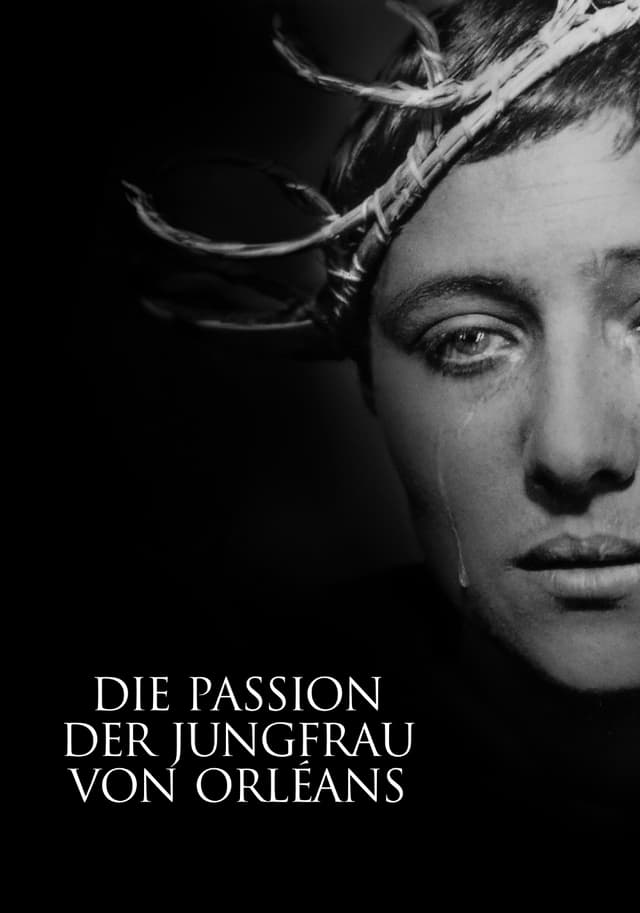
A classic of the silent age, this film tells the story of the doomed but ultimately canonized 15th-century teenage warrior. On trial for claiming she'd spoken to God, Jeanne d'Arc is subjected to inhumane treatment and scare tactics at the hands of church court officials. Initially bullied into changing her story, Jeanne eventually opts for what she sees as the truth. Her punishment, a famously brutal execution, earns her perpetual martyrdom.
What is known about the production of The Passion of Joan of Arc?
"The Passion of Joan of Arc," a drama released in 1928, was directed by Carl Theodor Dreyer and stars Maria Falconetti, Eugène Silvain. The production budget has not been publicly disclosed, though Société générale des films produced the film, making it a notable entry in the drama landscape whose financial details remain private.
Key Budget Allocation Categories
While specific budget breakdowns are not publicly available, typical cost drivers for a drama production like this include:
- Casting: Joan of Arc was Renée Jeanne Falconetti's second and last film role.
- Music & Score: Different scores were used for the two premieres of the Passion of Joan of Arc in Copenhagen and Paris.
What were the major cost factors in The Passion of Joan of Arc?
Several factors contributed to the overall production costs of "The Passion of Joan of Arc."
- Casting: Casting is one of the primary cost drivers in drama productions of this scale.
- Music: Music & Score is one of the primary cost drivers in drama productions of this scale.
The Passion of Joan of Arc Box Office Performance
"The Passion of Joan of Arc" earned $21,877 domestically and $18,121 worldwide at the box office.
The Passion of Joan of Arc Production History
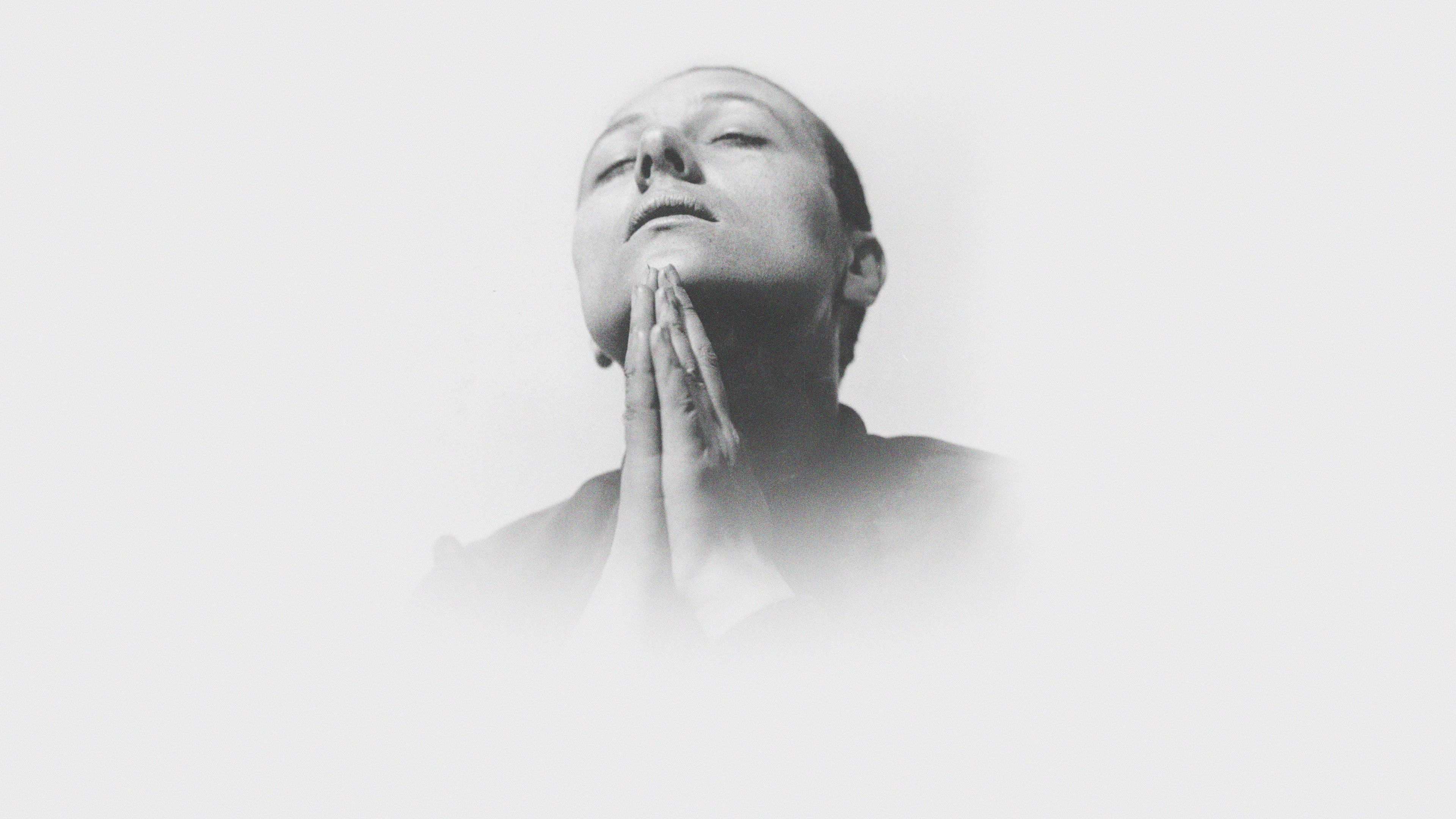
Joan of Arc was Renée Jeanne Falconetti's second and last film role. Although she always preferred the theater to cinema and said she never understood the positive reaction to her acting, Falconetti's performance achieved iconic status almost immediately. Dreyer had gone to see Falconetti backstage at a performance of Victor Margueritte's La Garçonne, Dreyer asked her to do some screen tests the next day, but without any make-up.
Different scores were used for the two premieres of the Passion of Joan of Arc in Copenhagen and Paris. The music of the Paris version, for orchestra and singers, has survived and has been revived. It was composed by Leo Pouget and Victor Alix, who as well as being film composers, both wrote operettas; Pouget was coming to the end of his career, whereas Alix was regarded by Le Ménestrel as becoming an established composer.
Awards and Recognition
4 wins & 1 nomination total
Frequently Asked Questions
How much did it cost to make The Passion of Joan of Arc (1928)?
The production budget has not been publicly disclosed.
How much did The Passion of Joan of Arc (1928) earn at the box office?
The Passion of Joan of Arc grossed $21,877 domestic, $-3,756 international, totaling $18,121 worldwide.
Was The Passion of Joan of Arc (1928) profitable?
Insufficient data for a profitability assessment.
What were the biggest costs in producing The Passion of Joan of Arc?
Specific cost breakdowns are not publicly available.
How does The Passion of Joan of Arc's budget compare to similar drama films?
Without a confirmed budget, comparison is not possible.
Did The Passion of Joan of Arc (1928) go over budget?
There are no widely reported accounts of significant budget overruns for this production. However, studios rarely disclose precise budget overrun figures publicly. The reported production budget reflects the final estimated cost.
What awards did The Passion of Joan of Arc (1928) win?
4 wins & 1 nomination total.
Who directed The Passion of Joan of Arc and who were the key crew members?
Directed by Carl Theodor Dreyer, written by Carl Theodor Dreyer, Joseph Delteil, shot by Rudolph Maté, with music by Ole Schmidt, Jesper Kyd, edited by Carl Theodor Dreyer, Marguerite Beaugé.
Where was The Passion of Joan of Arc filmed?
The Passion of Joan of Arc was filmed in France.
Filmmakers
The Passion of Joan of Arc

Official Trailer
Build budgets like this one in Saturation
Start from an industry-standard feature film template, import the schedule and rates you already have, and let the cost report keep itself current as you spend. Real-time collaboration, no spreadsheets.