The Man from U.N.C.L.E. Budget
Updated
Synopsis
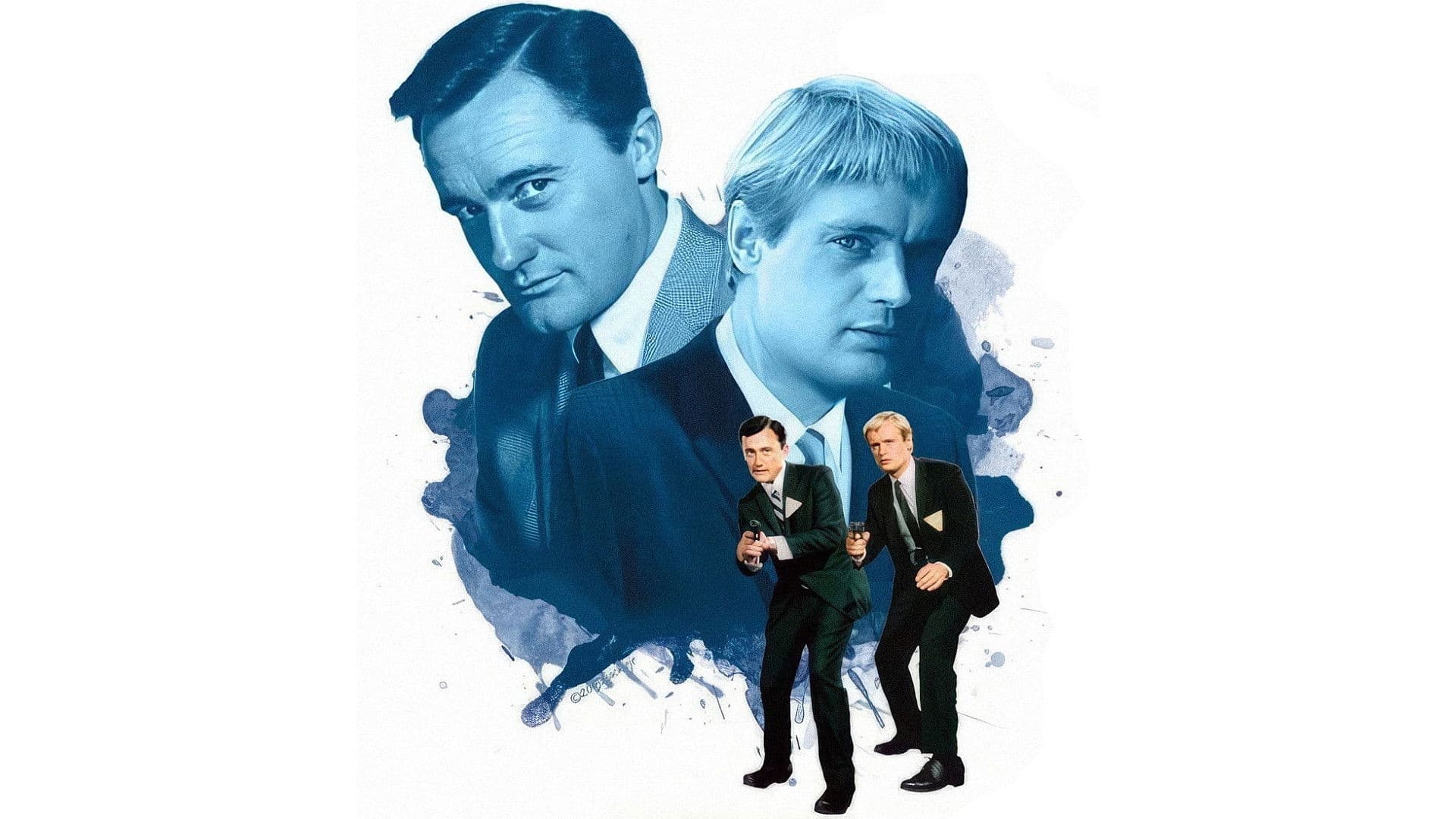
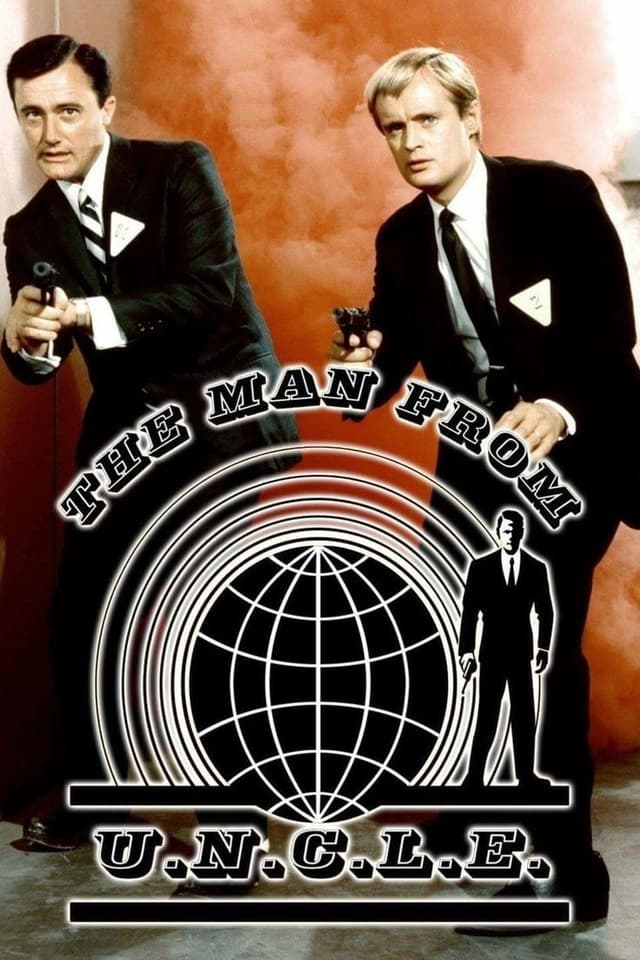
Agents Napoleon Solo and Illya Kuryakin work for a secret intelligence service working under the auspices of the U.N.
Their immediate superior is Mr. Waverly.
Together they operate out of a secret base beneath the streets of New York City, and accesses through several cover business such as Del Floria's Tailor Shop and the Masque Club.
This secret intelligence service is called U.N.C.L.E.
United Network Command for Law and Enforcement.
What Is the Budget of The Man from U.N.C.L.E. (1964)?
The Man from U.N.C.L.E. premiered on NBC on September 22, 1964, produced by Metro-Goldwyn-Mayer Television and Arena Productions. The per-episode production budget has not been publicly disclosed in official industry records, but the series was produced under MGM's standard network television cost structure for hour-long drama of the mid-1960s, which typically ranged from $150,000 to $200,000 per episode for prestige productions. Season 1 was shot in black and white, which reduced film processing and lighting costs compared to the color productions that followed from Season 2 onward. The show ran for 105 episodes across four seasons from September 1964 to January 1968, with production costs varying across seasons as the budget was adjusted to reflect the show's changing ratings and commercial fortunes.
Key Budget Allocation Categories
The Man from U.N.C.L.E. was produced with the visual ambition of the James Bond film franchise but on the constraints of a 1960s television budget, requiring creative solutions to achieve the global espionage aesthetic the format demanded.
- MGM Studio Facilities and Sets: Production used MGM's Culver City studio facilities extensively, with standing sets representing the U.N.C.L.E. headquarters, various villain lairs, and the Del Floria tailor shop entrance. Using the studio's existing infrastructure kept construction costs manageable.
- International Location Simulation: The show depicted missions across the globe but rarely filmed on actual international locations, relying on MGM's extensive backlot and stock footage to create the impression of international scope. This creative limitation shaped the show's visual language.
- Principal Cast Salaries: Robert Vaughn as Napoleon Solo and David McCallum as Illya Kuryakin were the show's central stars, with McCallum in particular generating Beatles-level fan response. Their salaries increased significantly as the show's popularity grew.
- Props and Gadgetry: The U.N.C.L.E. Special firearms, communicators disguised as pens, and the various technological gadgets central to the spy aesthetic required a dedicated prop department working to higher standards than typical television productions.
- Guest Cast and Villains: The show's THRUSH villain organization brought a large rotating roster of guest performers, many of them prominent film and stage actors willing to appear in the show during its peak popularity years (1965 to 1966).
How Does The Man from U.N.C.L.E.'s Budget Compare to Similar Productions?
The Man from U.N.C.L.E. occupied the prestige end of network television drama budgets in the mid-1960s, competing with other MGM and network productions for talent and resources while operating at a fraction of the theatrical James Bond budget that had inspired it.
- Goldfinger (1964 film): Budget approximately $3,000,000 | Worldwide $124,900,000. The Bond film that triggered the spy craze benefiting U.N.C.L.E. was produced for around 15 to 20 times what an individual episode of the series cost, illustrating the fundamental economics of theatrical versus television production.
- Mission: Impossible (1966): Budget $225,000 per episode | CBS spy drama. The CBS competitor arrived two years after U.N.C.L.E. and spent slightly more per episode, with a different creative emphasis on elaborate planning sequences over the character chemistry that defined U.N.C.L.E.
- I Spy (1965): Budget approximately $175,000 per episode | NBC adventure series. The NBC stablemate that premiered one year after U.N.C.L.E. and featured Robert Culp and Bill Cosby operated at comparable cost with a location-heavy approach to achieving international scope.
- The Avengers (1961 to 1969, UK): Budget approximately £50,000 per episode | ITV British spy thriller. The British espionage series that developed alongside U.N.C.L.E. in the spy-fiction genre was produced at significantly lower cost under ITV's budget structure, achieving its distinctive style through stylization rather than production scale.
The Man from U.N.C.L.E. Season Performance
The Man from U.N.C.L.E. had one of the more dramatic ratings trajectories in 1960s television history. Season 1 (1964 to 1965) was not an immediate hit, regularly losing its Tuesday night time slot to McHale's Navy and The Red Skelton Hour. NBC responded by repositioning the show and promoting it aggressively to younger audiences, sending Robert Vaughn and David McCallum on promotional tours to high schools and universities. By Season 2 (1965 to 1966), the show had become one of the highest-rated programs on American television, with McCallum's portrayal of the Russian Illya Kuryakin generating a level of fan response that rivaled Beatlemania. The Christmas of 1965 was flooded with U.N.C.L.E. branded merchandise that competed with James Bond product tie-ins for the spy-toy market.
- Per-Episode Budget: Not publicly disclosed; estimated $150,000 to $200,000 range based on contemporaneous MGM television production standards
- Season 1 Performance: Below top 30, but improving through the season
- Season 2 Performance: One of the highest-rated programs on American television; peak cultural phenomenon
- Merchandise Revenue: U.N.C.L.E.-branded toys, books, and products generated revenue comparable to James Bond product licensing at peak popularity in 1965 and 1966
- Total Episodes: 105 across 4 seasons (1964 to 1968)
- Theatrical Spinoffs: Eight feature films were released theatrically, assembled from multi-part episodes, generating additional revenue from the series content
The show's commercial decline was steep: Season 3 (1966 to 1967) shifted toward camp comedy in response to the Batman craze, alienating the audience that had made it a phenomenon, and Season 4 saw ratings fall to levels that prompted NBC to cancel the series in January 1968. The camp turn is widely cited by television historians as one of the more instructive examples of network mismanagement of a successful franchise.
The Man from U.N.C.L.E. Production History
The Man from U.N.C.L.E. was developed by producer Norman Felton in collaboration with Ian Fleming, the creator of James Bond, who contributed the character name Napoleon Solo before his obligations to the Bond film producers prevented further involvement. Sam Rolfe wrote the pilot and established the show's foundational elements: the international spy organization U.N.C.L.E. (United Network Command for Law and Enforcement), its adversary THRUSH, and the partnership between the American Napoleon Solo and the Soviet Illya Kuryakin, a Cold War collaboration that carried specific political meaning in 1964 at the height of superpower tension.
The casting of David McCallum as the Russian Kuryakin was initially a supporting role, but audience response to McCallum was so immediate and intense that the character was rapidly elevated to co-lead status. McCallum's angular features and slightly alien quality gave the character an appeal that drew comparison to the Beatles, who were dominating pop culture simultaneously. NBC leaned into the youth audience response, repositioning the show's promotional strategy around Kuryakin-focused materials and dispatching McCallum on promotional tours that generated the kind of crowd response the network had not previously seen for a television drama.
Season 3's disastrous camp turn was imposed by NBC executives who saw the ratings success of the ABC Batman series and instructed the U.N.C.L.E. producers to introduce more humor and self-parody. The resulting tonal inconsistency alienated the show's established audience without successfully capturing the Batman demographic, producing one of the worst ratings declines in the show's history and setting up its cancellation in Season 4. The show's creator Norman Felton later cited the network's intervention as the primary cause of the series's premature end.
Awards and Recognition
The Man from U.N.C.L.E. received significant industry recognition during its peak years, winning the Golden Globe Award for Best Television Series in 1966 and receiving multiple Emmy nominations.
- Golden Globe Award for Best Television Series (1966): Won during the show's peak popularity season, reflecting its industry standing as a prestige production.
- Emmy Nominations: Multiple nominations across acting, writing, and technical categories during Seasons 1 and 2.
- WGA Nominations: Writers Guild of America nominations for script quality in the espionage drama format.
- Cultural Legacy: Props and artifacts displayed at the Ronald Reagan Presidential Library and CIA Museum. The show is credited with establishing the template for the international spy organization as a television concept.
- Theatrical Film Spinoffs: Eight theatrical films were released from multi-episode story arcs, recognizing the franchise value of the property during its peak years.
Critical Reception
The Man from U.N.C.L.E. was reviewed enthusiastically by critics in its first two seasons, with television journalists praising the chemistry between Vaughn and McCallum, the inventive plots, and the show's ability to take the spy genre seriously while maintaining a light touch. The Hollywood Reporter called it "stylish and inventive" upon its premiere. The show was frequently discussed in the press alongside the Bond films as evidence of a new kind of action entertainment that combined sophistication with popular appeal.
Season 3's camp turn drew critical disappointment, with reviewers who had championed the show's first two seasons noting the disorienting tonal shift. Contemporary critical and audience reassessment has focused primarily on Seasons 1 and 2, which are regarded as among the finest examples of 1960s television craft. The show maintains a strong IMDb rating and a loyal following among enthusiasts of the period spy genre, who value it both for its entertainment quality and its historical significance as the program that, more than any other, brought the Bond-era spy aesthetic to television audiences.
Frequently Asked Questions
How much did it cost to make The Man from U.N.C.L.E. (1964)?
The production budget has not been publicly disclosed.
How much did The Man from U.N.C.L.E. (1964) earn at the box office?
Box office figures are not publicly available.
Was The Man from U.N.C.L.E. (1964) profitable?
Insufficient data for a profitability assessment.
What were the biggest costs in producing The Man from U.N.C.L.E.?
Specific cost breakdowns are not publicly available.
How does The Man from U.N.C.L.E.'s budget compare to similar action & adventure films?
Without a confirmed budget, comparison is not possible.
Did The Man from U.N.C.L.E. (1964) go over budget?
There are no widely reported accounts of significant budget overruns for this production. However, studios rarely disclose precise budget overrun figures publicly. The reported production budget reflects the final estimated cost.
Who directed The Man from U.N.C.L.E. and who were the key crew members?
Directed by Unknown.
Filmmakers
The Man from U.N.C.L.E.

Build budgets like this one in Saturation
Start from an industry-standard feature film template, import the schedule and rates you already have, and let the cost report keep itself current as you spend. Real-time collaboration, no spreadsheets.