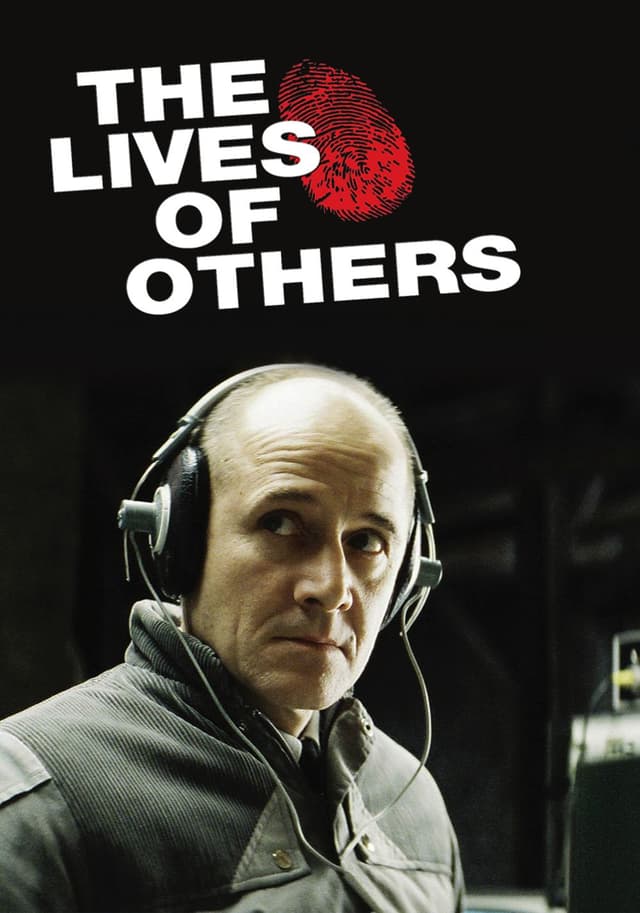
The Lives of Others Budget
 DramaThriller2h 17m
Updated
Synopsis
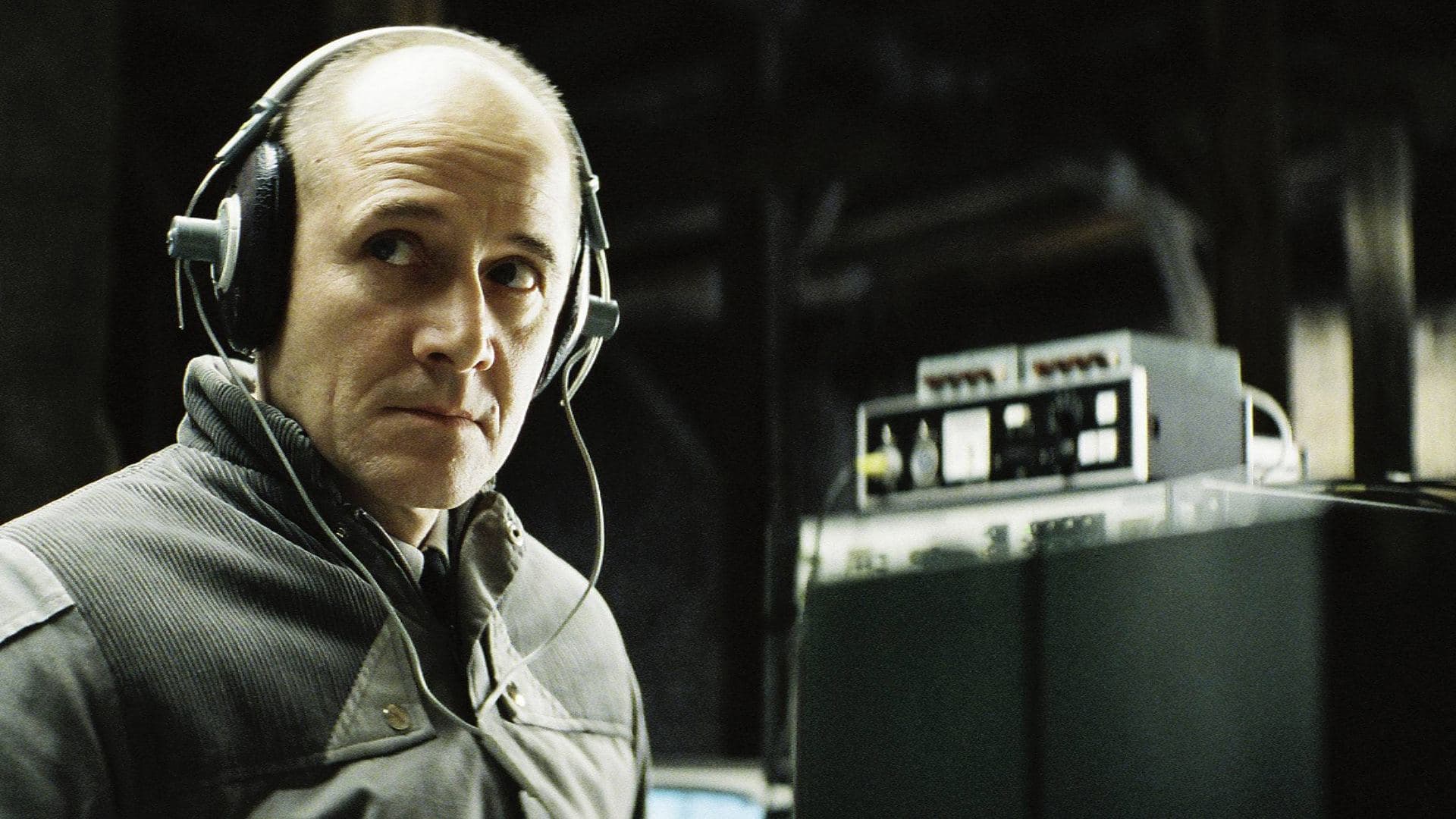
In 1984 East Berlin, dedicated Stasi officer Gerd Wiesler begins spying on a famous playwright and his actress-lover Christa-Maria. Wiesler becomes unexpectedly sympathetic to the couple, and faces conflicting loyalties when his superior takes a liking to Christa-Maria.
What is the budget of The Lives of Others?
"The Lives of Others," a drama released in 2006, was directed by Florian Henckel von Donnersmarck and stars Martina Gedeck, Ulrich Mühe. The production budget was $2,000,000, placing it in the micro-budget range for drama productions of its era.
Key Budget Allocation Categories
While specific budget breakdowns are not publicly available, typical cost drivers for a drama production like this include:
- Above-the-Line Talent: Drama films live or die on the strength of their performances.
- Location Filming & Period Production Design: Authentic locations , whether contemporary or historical , require scouting, permits, travel, lodging, and often significant dressing to match the story's time period.
- Post-Production, Color Grading & Score: The editorial process for dramas is typically longer than genre films, with careful attention to pacing and tone.
- Production: Florian Henckel von Donnersmarck's parents were both from East Germany (originally they were from further east; the von Donnersmarcks belonged to Silesian nobility but the region was transferred to Poland from Germany after World War II).
What were the major cost factors in The Lives of Others?
Several factors contributed to the overall production costs of "The Lives of Others."
- Above-the-Line Talent: Above-the-Line Talent is one of the primary cost drivers in drama productions of this scale.
- Location Filming: Location Filming & Period Production Design is one of the primary cost drivers in drama productions of this scale.
- Post-Production: Post-Production, Color Grading & Score is one of the primary cost drivers in drama productions of this scale.
How Does The Lives of Others's Budget Compare to Similar Films?
At $2,000,000, The Lives of Others sits in the micro-budget range. Here is how it compares to productions with a similar budget:
- Seven Samurai (1954): Budget $2,000,000, Worldwide Gross $105,000,000
- The Great Dictator (1940): Budget $2,000,000, Worldwide Gross $11,000,000
- Sing Sing (2024): Budget $2,000,000, Worldwide Gross $3,401,789
- Anatomy of a Murder (1959): Budget $2,000,000, Worldwide Gross $8,000,000
- The Secret in Their Eyes (2009): Budget $2,000,000, Worldwide Gross $33,965,843
The median budget for wide-release drama films in the 2000s ranges from $30 to 80M for mid-budget to $150M+ for tentpoles.
The Lives of Others Box Office Performance
"The Lives of Others" earned $11,286,112 domestically and $77,672,685 worldwide at the box office. Against a production budget of $2,000,000, the film performed strongly at the box office.
A film typically needs to earn approximately twice its production budget to cover marketing and distribution costs. For "The Lives of Others," that break-even threshold was roughly $4,000,000. With worldwide earnings of $77,672,685, the film cleared that threshold comfortably.
Box Office Breakdown
The Lives of Others

At 3783.6%, "The Lives of Others" earned roughly $38.84 for every $1 invested in production.
The Lives of Others Production History
* Florian Henckel von Donnersmarck: Das Leben der anderen. Suhrkamp, Frankfurt am Main 2006, * Florian Henckel von Donnersmarck: Das Leben der anderen. Geschwärzte Ausgabe.
Awards and Recognition
Won 1 Oscar. 80 wins & 38 nominations total
- Academy Award for Best International Feature Film (79th Academy Awards)
- Central Ohio Film Critics Association Award for Best Foreign Language Film
- César Award for Best Foreign Film
- European Film Award for Best Actor: Ulrich Mühe (19th European Film Awards)
- European Film Award for Best Screenwriter: Florian Henckel von Donnersmarck (19th European Film Awards)
- European Film Award for Best Film: Arte (19th European Film Awards)
- European Film Award for Best Film: Florian Henckel von Donnersmarck (19th European Film Awards)
- European Film Award for Best Film: Bayerischer Rundfunk (19th European Film Awards)
Critical Reception
The film was received with widespread acclaim. Film aggregate site Rotten Tomatoes reports a 92% rating, based on 149 positive reviews out of 163, and an average rating of 8.31/10. The website's critical consensus states: "Unlike more traditional spy films, The Lives of Others doesn't sacrifice character for cloak and dagger chases, and the performances (notably that by the late Ulrich Muhe) stay with you." It also has a score of 89 out of 100 on Metacritic, based on 39 critics.
Frequently Asked Questions
How much did it cost to make The Lives of Others (2006)?
The production budget was $2,000,000, covering principal photography, cast and crew salaries, locations, sets, post-production, and music. Marketing and distribution (P&A) costs are estimated at an additional $1,000,000 - $1,600,000, bringing the total studio investment to approximately $3,000,000 - $3,600,000.
How much did The Lives of Others (2006) earn at the box office?
The Lives of Others grossed $11,286,112 domestic, $66,386,573 international, totaling $77,672,685 worldwide.
Was The Lives of Others (2006) profitable?
Yes. Against a production budget of $2,000,000 and estimated total costs of ~$5,000,000, the film earned $77,672,685 theatrically - a 3784% ROI on production costs alone.
What were the biggest costs in producing The Lives of Others?
The primary cost drivers were above-the-line talent (Martina Gedeck, Ulrich Mühe, Sebastian Koch); talent compensation, authentic period production design, and meticulous post-production; international production across Germany, France.
How does The Lives of Others's budget compare to similar drama films?
At $2,000,000, The Lives of Others is classified as a micro-budget production. The median budget for wide-release drama films in the 2000s ranges from $30 - 80M for mid-budget to $150M+ for tentpoles. Comparable budgets: Seven Samurai (1954, $2,000,000); The Great Dictator (1940, $2,000,000); Sing Sing (2024, $2,000,000).
Did The Lives of Others (2006) go over budget?
There are no widely reported accounts of significant budget overruns for this production. However, studios rarely disclose precise budget overrun figures publicly. The reported production budget reflects the final estimated cost.
What was the return on investment (ROI) for The Lives of Others?
The theatrical ROI was 3783.6%, calculated as ($77,672,685 − $2,000,000) ÷ $2,000,000 × 100. This measures gross revenue against production budget only - it does not account for P&A or exhibitor shares.
What awards did The Lives of Others (2006) win?
Won 1 Oscar. 80 wins & 38 nominations total.
Who directed The Lives of Others and who were the key crew members?
Directed by Florian Henckel von Donnersmarck, written by Florian Henckel von Donnersmarck, shot by Hagen Bogdanski, with music by Gabriel Yared, Stéphane Moucha, edited by Patricia Rommel.
Where was The Lives of Others filmed?
The Lives of Others was filmed in Germany, France.
Filmmakers
The Lives of Others

Official Trailer
Build budgets like this one in Saturation
Start from an industry-standard feature film template, import the schedule and rates you already have, and let the cost report keep itself current as you spend. Real-time collaboration, no spreadsheets.