
The Leopard Budget
Updated
Synopsis
In Mumbai, where leopards roam beside highways and high-rises, an 8-year-old boy named Apu witnesses the death of one of these animals on the grounds of a newly redeveloped housing society. His investigation into what happened tests his relationship with his family and his understanding of the city he is growing up in.
What Is the Budget of The Leopard (2025)?
The Leopard (2025), directed by Mukti Krishan, is a recent Indian short narrative work centered on the unique coexistence of urban leopards and human settlements in Mumbai, the only major world city with a forest at its heart. The production budget for the film has not been publicly disclosed. As an independent Indian short film operating outside the Bollywood mainstream commercial system, the budget is understood to be in the low six figures, with primary funding coming through filmmaker private equity, festival development grants, and limited brand support.
Independent Indian short and festival-circuit filmmaking at this scale typically draws on a combination of personal capital, Indian Film Institute project development grants, NFDC India (National Film Development Corporation) selective funding, and occasional festival-pre-sale pre-financing. The Leopard fits this profile: a director-driven project addressing an environmental and ecological subject specific to one Indian urban geography, produced for the international festival circuit rather than a commercial theatrical release.
Key Budget Allocation Categories
The estimated low-six-figure budget was distributed across the following areas:
- Mumbai Location Production: Filming took place across Mumbai, including locations within and adjacent to Sanjay Gandhi National Park, the 87-square-kilometer protected forest within the metropolitan area where the city's leopard population is concentrated. Location work in and near a protected national park added permitting, ranger coordination, and access-control cost.
- Wildlife and Naturalist Coordination: The film required a wildlife coordinator and naturalist consultant familiar with Mumbai's leopard population, drawing on the documented research of organizations such as the Wildlife Institute of India and the Maharashtra Forest Department. Coordination represented a meaningful below-the-line line item not present in conventional narrative work.
- Child Lead Performance: The eight-year-old lead character Apu required careful casting, on-set coaching, and shorter-permitted shooting days in line with child-labor regulations. Child performance work in Indian narrative film is governed by a combination of state-level Maharashtra regulations and union codes drawn from Indian Federation of Film Producers Associations guidelines.
- Sound Design and Score: The film leaned heavily on naturalistic sound design (forest ambient, urban-jungle border soundscape) to evoke the urban-wildlife juxtaposition. Original score work was modest, with most of the soundtrack budget invested in sound design and post-production sound mixing.
- Post-Production: Editorial, color, and finishing took place in Mumbai post houses, with the film conformed for festival-circuit DCP delivery. Subtitling into English (and possibly additional languages for festival territories) added cost in line with international film festival entry requirements.
- Festival Submission Costs: Independent Indian short and short-feature filmmakers typically allocate a non-trivial slice of budget toward festival submission fees, festival travel for the director, and festival print delivery (DCP fees, customs documentation for non-resident festival entries).
How Does The Leopard's Budget Compare to Similar Productions?
At an estimated low six figures, The Leopard sat at the typical Indian independent short and short-feature budget tier. The comparison set:
- Court (2014): Budget approximately $200,000 | Worldwide $480,000. Chaitanya Tamhane's Marathi-language debut feature operated at a comparable independent Indian budget tier and went on to win the Venice Horizons Award. Its budget and recoupment profile represent the upper end of what Indian independent work at this scale targets.
- Killa (2014): Budget approximately $250,000 | Worldwide $700,000. Avinash Arun's Marathi-language child-perspective drama won the Berlin Crystal Bear and sat at the production scale that The Leopard appears to occupy.
- Kushti (2010): Budget approximately $300,000 | Worldwide undisclosed. Vikas Kumar's Indian independent festival film operated at the same tier and circulated through the international festival circuit for two years.
- Tigers Are Not Afraid (2017): Budget approximately $500,000 | Worldwide $200,000. Issa López's Mexican child-perspective drama with comparable scale and supernatural-naturalistic ambition received festival recognition at TIFF and Fantastic Fest, providing a non-Indian point of comparison.
The Leopard Box Office Performance
The Leopard (2025) has not received a wide theatrical release as of mid-2026. The film has circulated through the festival circuit and limited regional Indian alternative-cinema programming, with no publicly reported box office figures. Independent Indian short and short-feature work of this scale typically does not enter commercial theatrical distribution and is instead positioned for festival circuit recoupment, broadcaster pre-sales (notably MUBI India, ZEE5 alternative-cinema acquisitions, and selective NFDC distribution), and streaming-platform window sales.
Below is the financial picture as best as can be reconstructed from public sources:
- Production Budget: estimated low six figures (not publicly disclosed)
- Primary Funding Sources: filmmaker private equity, possible NFDC and Indian Film Institute development grants
- Total Worldwide Gross: not applicable; not commercially released
- Festival Circuit Status: limited regional and international festival circulation
- Streaming Window Status: pending
- Recoupment Status: pending; not yet profiled in industry trade reporting
As an independent festival-circuit Indian film, The Leopard's commercial mandate is fundamentally different from a Bollywood or wide-release Indian property. Recoupment is targeted across the festival circuit (small prize awards, selection-related publicity, distributor introductions), eventual streaming-platform acquisition, and possible alternative-cinema theatrical bookings in Mumbai and Delhi. The film's position has been sustained primarily by its environmental subject matter and the cultural specificity of the Mumbai urban-wildlife premise.
The Leopard Production History
Director Mukti Krishan developed The Leopard out of a documented interest in Mumbai's urban leopard population, which is concentrated in and around Sanjay Gandhi National Park, the 87-square-kilometer protected forest within the metropolitan area. Mumbai is the only major world city with a substantial leopard population living in immediate proximity to human settlement, and the urban-wildlife coexistence has been the subject of substantial naturalist documentation, including the work of researchers at the Wildlife Institute of India and the Maharashtra Forest Department.
Krishan chose a child-perspective narrative frame, building the film around the eight-year-old character Apu and his investigation into the death of a leopard found at a redeveloped housing society in suburban Mumbai. The child-perspective choice allowed the project to navigate the ecological subject matter without veering into didactic documentary register, instead anchoring the narrative in domestic family relationships, neighborhood politics, and a young person's moral education in a city where wildlife and development sit in tension.
Principal photography took place in Mumbai, India, with locations including residential housing societies adjacent to the forest perimeter, the boundary areas of Sanjay Gandhi National Park, and interior Mumbai household sets dressed for an upper-middle-class Indian family environment. The production worked with naturalist consultants familiar with the Maharashtra Forest Department leopard-monitoring program, and ranger coordination informed both the dramatic content and the on-location safety protocols.
Awards and Recognition
As a recent independent Indian release with limited commercial visibility, The Leopard (2025) has not yet accumulated a significant awards or recognition record in mainstream Indian industry awards bodies. Festival circuit selection and prize positioning continue to develop as the film moves through 2025 and 2026 festival cycles.
Indian independent films at this budget and visibility tier typically build awards momentum through the alternative-festival circuit (Mumbai International Film Festival, Kolkata International Film Festival, International Film Festival of Kerala, Bengaluru International Film Festival) before potentially reaching the National Film Awards or the Filmfare Critics Awards. The Leopard's awards trajectory will depend on its festival-cycle reception and any subsequent picking up of international festival recognition at festivals such as Busan, Rotterdam, or Berlinale.
Critical Reception
Detailed critical reception for The Leopard (2025) has not yet been widely documented in mainstream Indian or international film press as of mid-2026. Letterboxd and MUBI listing pages catalog the film, but aggregate critic scores have not been compiled at scale at any of the major review aggregators (Rotten Tomatoes, Metacritic, or the equivalent Indian alternative-cinema review services).
Recent Indian independent festival-circuit work addressing urban-wildlife and ecological subjects has tended to attract critical interest in Indian alternative-cinema journals (notably The Cinema Express, Film Companion, and the long-running quarterly journal Deep Focus Cinema), and The Leopard is positioned to receive sustained critical attention through these outlets as it moves through additional festival cycles. The film's child-perspective narrative frame and its Mumbai-specific subject matter place it in a tradition that includes Killa, The Lunchbox, and the recent ecological work of filmmakers including Rima Das (Village Rockstars).
Reception of films at this scale is shaped less by initial-release coverage and more by the cumulative festival-cycle commentary, broadcaster acquisitions, and academic-and-cultural-journal attention that develop across multiple years. The Leopard's reception arc is therefore a story still being written.
Frequently Asked Questions
What is The Leopard (2025)?
The Leopard is a 2025 independent Indian short film directed by Mukti Krishan. Set in Mumbai, the only major world city with a substantial urban leopard population, the film follows an eight-year-old boy named Apu who investigates the death of a leopard found at a newly redeveloped housing society.
Is The Leopard (2025) the Netflix Il Gattopardo adaptation?
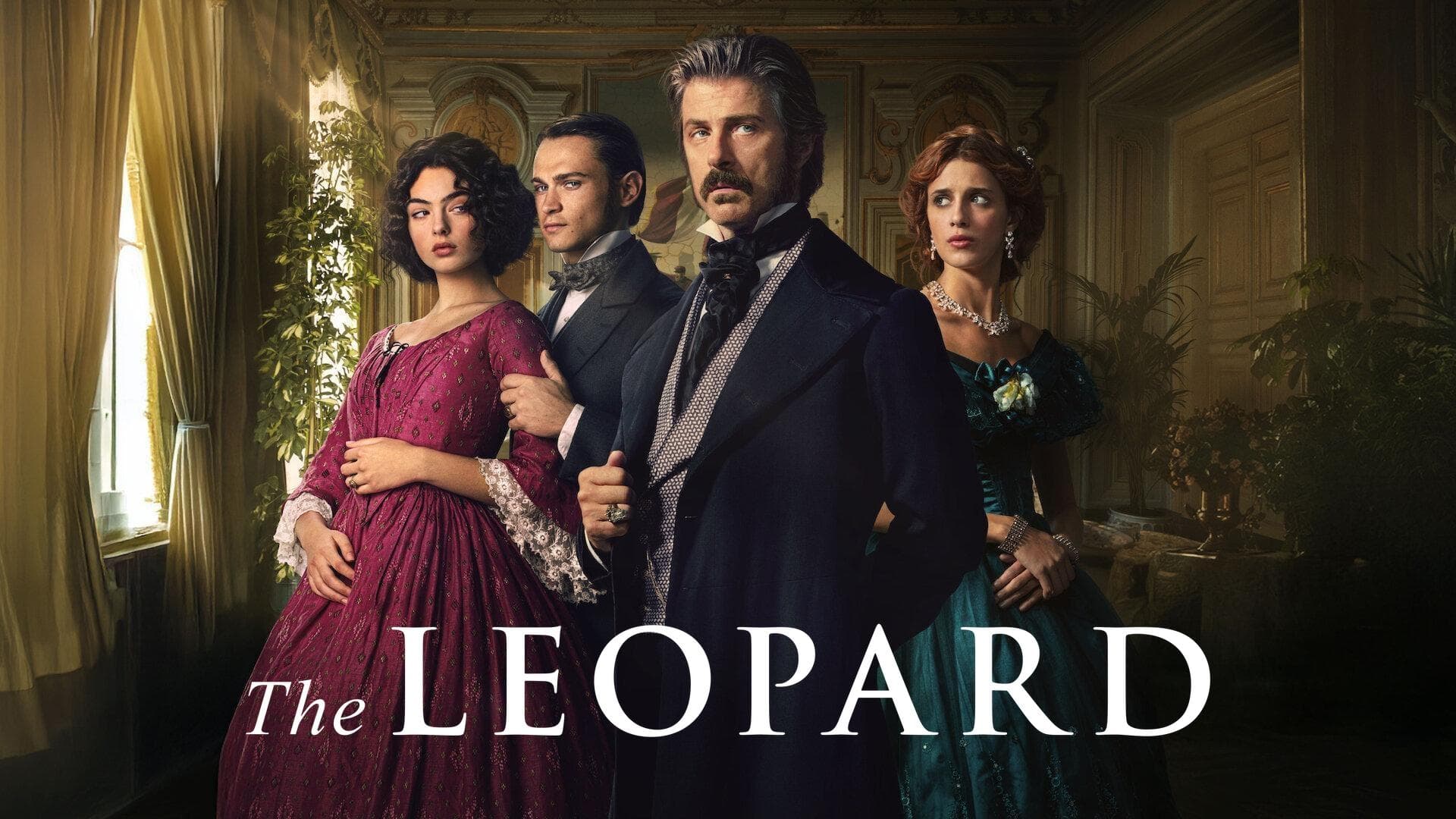
No. The Netflix Italian-language adaptation of Giuseppe Tomasi di Lampedusa's novel Il Gattopardo (released in 2025 and known internationally as The Leopard) is a separate production. The Mukti Krishan film is a distinct independent Indian short with no connection to the Netflix series.
How much did it cost to make The Leopard (2025)?
The production budget has not been publicly disclosed. As an independent Indian short film outside the Bollywood mainstream system, the budget is understood to be in the low six figures, with funding from filmmaker private equity and possible Indian Film Institute and NFDC development grants.
Who directed The Leopard (2025)?
Mukti Krishan directed and wrote the film. The Leopard appears to be Krishan's independent narrative short work, addressing Mumbai's unique urban-leopard coexistence through a child-perspective narrative frame.
Where was The Leopard filmed?
Principal photography took place in Mumbai, India, with locations including residential housing societies adjacent to the perimeter of Sanjay Gandhi National Park (the 87-square-kilometer protected forest within the metropolitan area) and interior household sets dressed for an upper-middle-class Indian family environment.
What is the leopard population in Mumbai?
Mumbai's Sanjay Gandhi National Park hosts approximately 40 to 50 resident leopards, the highest density of urban-adjacent leopard population in any major world city. Documentation by the Wildlife Institute of India and the Maharashtra Forest Department has tracked the population through ongoing camera-trap and collared-animal monitoring programs over the last two decades.
Has The Leopard been released commercially?
As of mid-2026, The Leopard has circulated primarily through the festival circuit and limited regional Indian alternative-cinema programming. It has not received a wide theatrical release. Streaming-platform acquisition and broader distribution are pending.
Did The Leopard win any awards?
As of mid-2026, the film has not accumulated a significant awards record in mainstream Indian industry awards bodies. Festival circuit selection and prize positioning continue to develop as the film moves through 2025 and 2026 festival cycles.
What is the running time of The Leopard?
The Leopard is a short narrative work, with running time consistent with the short-film and short-feature category. Exact running time has not been compiled at scale across the major film databases.
How does The Leopard compare to other Indian independent ecological films?
The Leopard sits alongside films such as Killa (2014), Village Rockstars (2017), and The Lunchbox (2013) in addressing specific Indian cultural and ecological subjects through a small-budget independent narrative frame. The child-perspective narrative choice and the Mumbai urban-wildlife premise distinguish it within this tradition.
Filmmakers
The Leopard

Official Trailer
Build budgets like this one in Saturation
Start from an industry-standard feature film template, import the schedule and rates you already have, and let the cost report keep itself current as you spend. Real-time collaboration, no spreadsheets.