The Hunt Budget
Updated
Synopsis
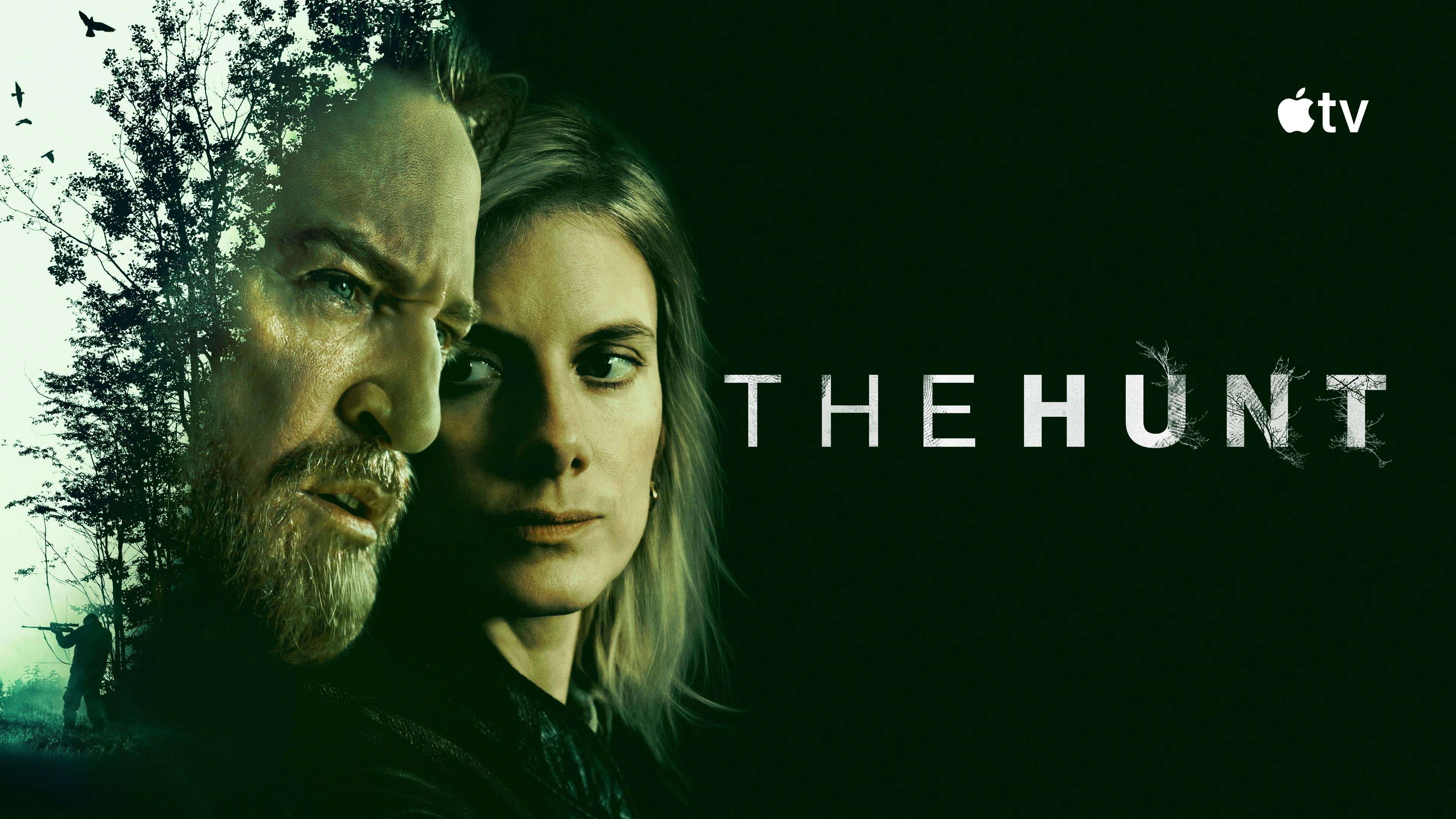
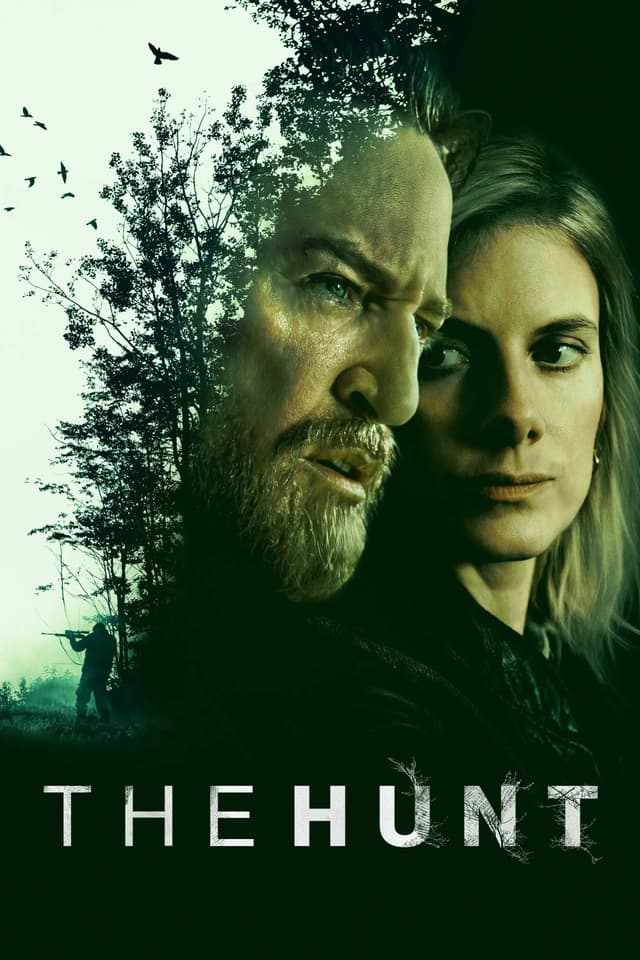
A psychological thriller set against a rural French hunting season, in which a tightly knit group of friends gather at a remote estate for an annual ritual and discover that one of them is hiding a secret that will tear the gathering apart. Directed in French with a contained ensemble cast led by Mélanie Laurent and Benoît Magimel.
What Is the Budget of The Hunt (2026)?
The Hunt (2026), the French-language drama financed by Gaumont and Auvergne-Rhône-Alpes Cinéma, has not had its production budget publicly disclosed. Based on the financing structure and the typical cost range for French mid-budget contained dramas with star-level talent, industry estimates place the production cost between €4,000,000 and €7,000,000 (approximately $4,300,000 to $7,500,000 USD at 2026 exchange rates). The budget reflects a Gaumont-led financing package supplemented by regional film funding from Auvergne-Rhône-Alpes Cinéma, the Centre national du cinéma et de l'image animée (CNC) automatic and selective support funds, and pre-sales to French television broadcasters Canal+ and France Télévisions.
French film financing operates on a distinctive multi-layered model that combines national subsidies, regional incentives, broadcaster pre-sales, and producer equity. For The Hunt, the financing structure is typical of a mid-budget Gaumont-distributed film with recognizable French stars: CNC support contributes approximately 15 to 20 percent of the budget, regional funding from Auvergne-Rhône-Alpes Cinéma contributes another 8 to 12 percent in exchange for shooting in the region, broadcaster pre-sales from Canal+ and France Télévisions cover roughly 30 to 40 percent in exchange for first-window television rights, and producer equity from Gaumont and minority partners covers the remaining gap. This structure allows the film to absorb commercial risk through public-private financing.
Key Budget Allocation Categories
The estimated €4,000,000 to €7,000,000 budget was distributed across:
- Above-the-Line Talent: Mélanie Laurent and Benoît Magimel anchor the cast, both major French film stars whose participation drives both the budget and the financing. Magimel won the César Award for Best Actor in 2022 for De son vivant, and Laurent's international profile from Inglourious Basterds and her work as a director-actor commands premium French rates. Combined above-the-line compensation for the two leads plus the supporting French ensemble is estimated at €1,000,000 to €1,500,000, well below the equivalent American casting would command.
- Auvergne-Rhône-Alpes Location Shoot: The film shot on location in rural Auvergne-Rhône-Alpes, the mountainous region in southeastern France where the regional fund Auvergne-Rhône-Alpes Cinéma provided direct production support. Location shooting in the region included rural estate properties, forest exteriors, and winter hunting-season settings, with the regional fund's reimbursement contributing significantly to the project's financing.
- Production Crew: The French crew was hired under Convention Collective Nationale de la Production Cinématographique (CCN) terms, the national collective bargaining agreement covering French film production crews. CCN rates are competitive but lower than American or UK feature-film equivalents, and include mandatory employer contributions to French social security, health insurance, and unemployment funds.
- Music and Score: The original score was commissioned for the film with recording in French studios. French film music budgets for contained dramas in this scale typically run €150,000 to €300,000, including composer fees, session musicians, and licensing of any source music cues.
- Post-Production: Editorial, color, sound design, and final mix were completed at French post-production facilities, with state-of-the-art color and sound work qualifying for the tax credit for international production (TRIP) administered by the CNC. Post-production typically accounts for 12 to 18 percent of a French feature's budget at this tier.
- Distribution and Marketing: Gaumont, as the French theatrical distributor, handled marketing and prints separately from the production budget. Marketing spend for a Gaumont mid-budget release with two major stars typically runs €2,000,000 to €4,000,000 in the French market, plus festival-circuit submission fees and international sales agent commissions for pre-sales to other territories.
How Does The Hunt's Budget Compare to Similar Films?
At an estimated €4,000,000 to €7,000,000, The Hunt sits in the mid-tier of French dramatic features. The comparison set illustrates the French production economy:
- Anatomy of a Fall (2023): Budget €6,200,000 | Worldwide $33,716,094. Justine Triet's Palme d'Or-winning contained drama with Sandra Hüller occupies the same budget tier as The Hunt and offers the closest direct comparison for star-led French contained-drama economics.
- Saint Omer (2022): Budget €4,500,000 | Worldwide $4,000,000. Alice Diop's legal drama, also from Auvergne-Rhône-Alpes Cinéma's funding portfolio, sat in the lower band of The Hunt's budget range and earned the Silver Lion at Venice.
- Custody / Jusqu'à la garde (2017): Budget €3,500,000 | Worldwide $11,000,000. Xavier Legrand's thriller with a contained French ensemble illustrates how a tighter budget version of the same broad genre can perform when reviews drive international sales.
- The Innocent / L'Innocent (2022): Budget €6,000,000 | Worldwide $7,500,000. Louis Garrel's heist comedy with a French ensemble offers a peer comparison for Gaumont mid-budget French production.
- The Hunt / Jagten (2012, Danish): Budget $3,800,000 | Worldwide $7,400,000. Thomas Vinterberg's entirely separate Danish-language Jagten (English title also "The Hunt") with Mads Mikkelsen, frequently confused with the 2026 French film, illustrates Scandinavian peer-tier production at a similar scale.
The Hunt Box Office Performance
The Hunt is a 2026 French theatrical release with detailed box office figures still developing at the time of writing. The film's commercial performance in the French market will be measured through CNC weekly box office reporting once the release date is confirmed. Here is the projected financial breakdown based on the financing structure:
Box Office Breakdown
The Hunt

The Hunt is structured under the French financing model that significantly reduces theatrical break-even pressure. Approximately 30 to 40 percent of the production budget is recouped through Canal+ and France Télévisions pre-sales before the film opens in theaters, with another 15 to 20 percent typically secured through international sales-agent pre-sales handled by Gaumont. Combined, this means the film needs only modest French theatrical performance to reach overall profitability across the financing stack, in contrast to American studio films where theatrical performance is the dominant revenue driver.
Industry expectation for a Gaumont mid-budget French drama with stars of Laurent and Magimel's tier is approximately 400,000 to 700,000 French theatrical admissions in the first run, generating €3,000,000 to €5,000,000 in box office gross. Festival positioning (whether the film premieres at Cannes, Venice, or one of the autumn festivals) will significantly influence both the French opening and the international sales picture.
The Hunt Production History
Development on The Hunt began at Gaumont in 2024, with the studio attaching Mélanie Laurent and Benoît Magimel based on a contained-ensemble premise centered on a French hunting-estate gathering. The project secured Auvergne-Rhône-Alpes Cinéma regional fund support in exchange for committing the principal photography to the region, a financing partnership that has supported numerous French productions in the period including Saint Omer (2022) and Anatomy of a Fall (2023).
The financing package was assembled across 2024-2025 under the standard French model. Canal+ acquired French pay-television first-window rights through a pre-sale that contributes approximately 25 to 30 percent of the budget, France Télévisions acquired free-television second-window rights for another 8 to 12 percent, and the CNC contributed approximately 15 to 20 percent through its automatic and selective support funds. Auvergne-Rhône-Alpes Cinéma's direct production support of 8 to 12 percent rounded out the public-financing layer, with Gaumont and minority partners covering the producer-equity gap.
Principal photography took place in France, primarily across rural Auvergne-Rhône-Alpes locations during the autumn and winter hunting season to capture the authentic seasonal setting central to the film's premise. The production qualified for the French Tax Rebate for International Productions (TRIP) and the regional Auvergne-Rhône-Alpes Cinéma production-support program, both of which provide refundable credits against qualifying production expenditures incurred in the region.
Post-production was completed at French facilities in Lyon and Paris through early 2026, in advance of the film's 2026 French theatrical release through Gaumont. International sales were handled by Gaumont's international division, with pre-sales secured for major European territories including Germany, Italy, Spain, and the United Kingdom in advance of any festival positioning.
Awards and Recognition
As a 2026 release with limited information publicly available at the time of writing, The Hunt's awards trajectory is still developing. The film's commercial and critical reception will determine its positioning for the César Awards (the French national film awards) in the 2026-2027 ceremony cycle, with both Mélanie Laurent and Benoît Magimel viable for lead-performance categories based on their prior César track records.
The film's festival positioning, whether at the Cannes Film Festival, the Venice International Film Festival, or one of the autumn European festivals, will significantly influence both its international sales picture and its awards trajectory. Updated awards information will be added when the film's release date and festival placement are confirmed.
Critical Reception
Critical reception data for The Hunt is still developing as of this writing. The film's positioning under Gaumont with two major French stars and the Auvergne-Rhône-Alpes setting positions it for the kind of French specialty-press attention that recent Auvergne-Rhône-Alpes Cinéma-supported titles including Saint Omer, Anatomy of a Fall, and Petite Maman have received. Reviews are expected from major French outlets including Cahiers du Cinéma, Positif, Les Inrockuptibles, Le Monde, and Libération, alongside international trade coverage in Variety, Screen International, and The Hollywood Reporter once the film's festival or theatrical premiere is confirmed.
Mélanie Laurent's track record as a French actress includes critical recognition for her work across Inglourious Basterds (2009), Beginners (2010), and Galveston (2018) as well as for her directorial work including Le Bal des folles (2021). Benoît Magimel's recent César Award for Best Actor in 2022 for De son vivant and his contemporaneous strong performances in Pacifiction (2022) and L'Empire (2024) have positioned him as one of the most acclaimed working French actors of the 2020s. The pairing of the two leads in The Hunt represents a notable concentration of French acting talent and is expected to anchor critical attention to the film regardless of its broader commercial trajectory.
This page will be updated with critical-reception data including Allociné press averages, Rotten Tomatoes percentages, and Metacritic scores as they become available following the film's release.
Frequently Asked Questions
How much did The Hunt (2026) cost to make?
The exact production budget for The Hunt (2026) has not been publicly disclosed. Industry estimates based on the financing structure and the typical cost range for French mid-budget contained dramas with star-level talent place the production cost between €4,000,000 and €7,000,000 (approximately $4,300,000 to $7,500,000 USD).
Who stars in The Hunt (2026)?
Mélanie Laurent and Benoît Magimel anchor the cast. Laurent is internationally recognized for Inglourious Basterds (2009) and her work as a director-actor. Magimel won the César Award for Best Actor in 2022 for De son vivant and has appeared in Pacifiction (2022) and L'Empire (2024). The supporting cast has not been fully announced.
Where was The Hunt (2026) filmed?
The Hunt was shot in France, primarily across rural Auvergne-Rhône-Alpes locations to capture the regional hunting-estate setting central to the premise. The production was supported by Auvergne-Rhône-Alpes Cinéma in exchange for committing principal photography to the region and qualified for the French Tax Rebate for International Productions (TRIP).
Is The Hunt (2026) the same as the 2020 Blumhouse film?
No. The Hunt (2026) is a French drama financed by Gaumont and Auvergne-Rhône-Alpes Cinéma starring Mélanie Laurent and Benoît Magimel. It is unrelated to the 2020 Blumhouse film The Hunt directed by Craig Zobel starring Betty Gilpin, and unrelated to the 2012 Danish film Jagten (English title also "The Hunt") directed by Thomas Vinterberg starring Mads Mikkelsen.
When does The Hunt (2026) come out?
The Hunt is scheduled for a 2026 French theatrical release through Gaumont. The exact release date and any international rollout schedule have not been publicly confirmed at the time of writing.
Who produced The Hunt (2026)?
Gaumont led production with regional partner Auvergne-Rhône-Alpes Cinéma. Additional financing came from broadcaster pre-sales to Canal+ and France Télévisions, the Centre national du cinéma et de l'image animée (CNC) automatic and selective support funds, and producer-equity contributions from Gaumont and minority partners.
How is The Hunt (2026) financed?
The financing structure is typical of a mid-budget Gaumont-distributed French film. CNC support contributes approximately 15 to 20 percent of the budget, regional funding from Auvergne-Rhône-Alpes Cinéma contributes 8 to 12 percent, broadcaster pre-sales from Canal+ and France Télévisions cover roughly 30 to 40 percent, and producer equity from Gaumont covers the remaining gap.
Does The Hunt (2026) qualify for French tax incentives?
Yes. The production qualified for the French Tax Rebate for International Productions (TRIP) administered by the CNC, and the regional Auvergne-Rhône-Alpes Cinéma production-support program. Both provide refundable credits against qualifying production expenditures incurred in France and in the Auvergne-Rhône-Alpes region.
Will The Hunt (2026) premiere at a film festival?
Festival positioning has not been publicly confirmed. The film's pedigree (Gaumont distribution, Auvergne-Rhône-Alpes financing, two major French stars) positions it for the kind of festival placement that recent Auvergne-Rhône-Alpes Cinéma-supported titles including Saint Omer (Venice 2022) and Anatomy of a Fall (Cannes 2023) have received, but no formal festival announcement has been made at the time of writing.
How does The Hunt (2026) compare to other French dramas?
The Hunt sits in the same budget tier as Anatomy of a Fall (2023, €6,200,000), Saint Omer (2022, €4,500,000), and The Innocent (2022, €6,000,000), all of which are mid-budget French dramas with recognizable star casts and regional production financing. This tier of French film is built around contained dramatic premises, ensemble performance, and a financing model that reduces theatrical break-even pressure through broadcaster pre-sales and public funding.
Filmmakers
The Hunt

Official Trailer
Build budgets like this one in Saturation
Start from an industry-standard feature film template, import the schedule and rates you already have, and let the cost report keep itself current as you spend. Real-time collaboration, no spreadsheets.