The Hidden Fortress Budget
Updated
Synopsis
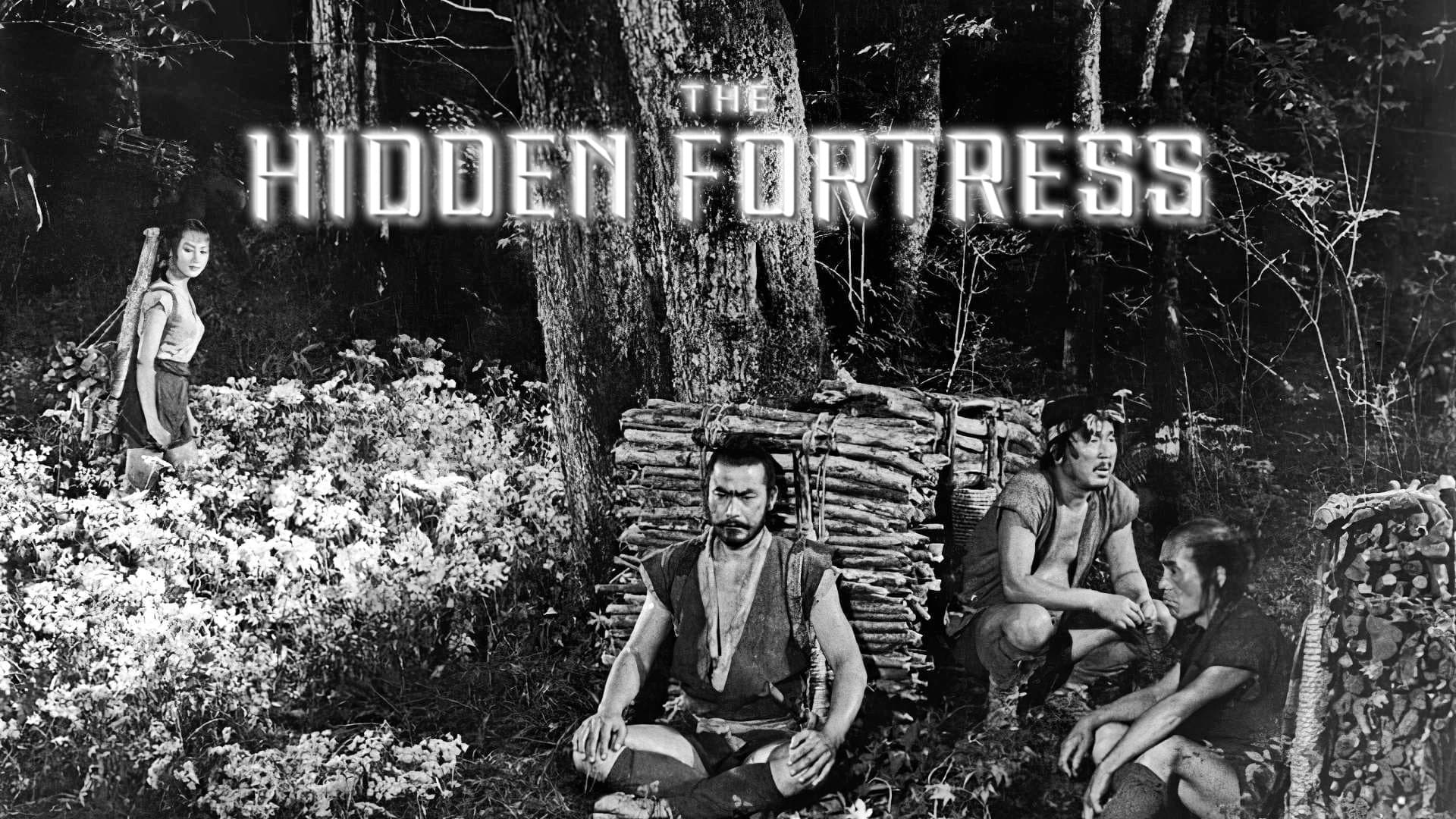
In feudal Japan, during a bloody war between clans, two cowardly and greedy peasants, soldiers of a defeated army, stumble upon a mysterious man who guides them to a fortress hidden in the mountains.
What is known about the production of The Hidden Fortress?
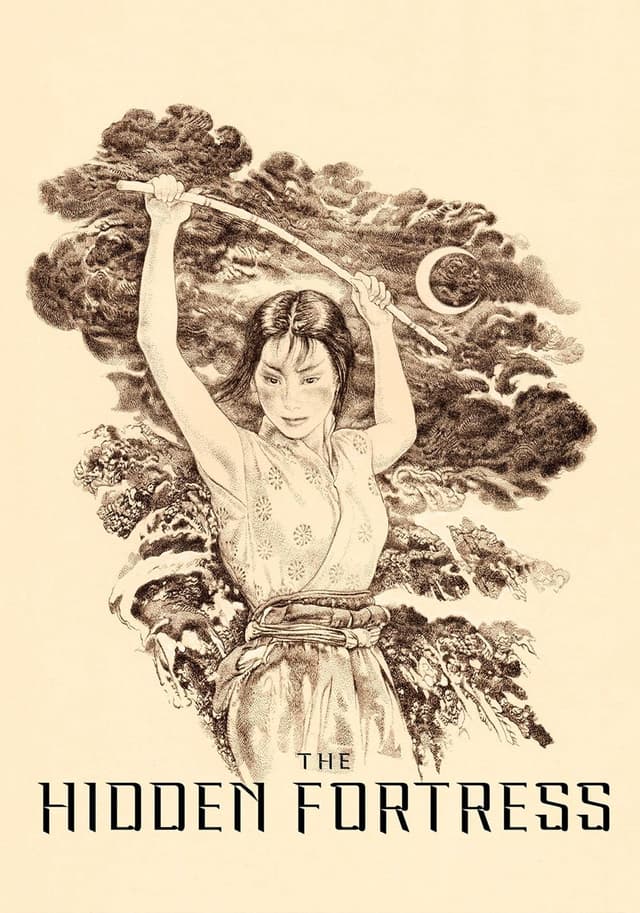
"The Hidden Fortress," a drama released in 1958, was directed by Akira Kurosawa and stars Toshirō Mifune, Minoru Chiaki. The production budget has not been publicly disclosed, though TOHO produced the film, making it a notable entry in the drama landscape whose financial details remain private.
Key Budget Allocation Categories
While specific budget breakdowns are not publicly available, typical cost drivers for a drama production like this include:
- Production: The Hidden Fortress was Kurosawa's first feature filmed in a widescreen format, Tohoscope, which he continued to use for the next decade.
- Music & Score: The film's musical score was composed by Masaru Sato. The soundtrack album comprises 65 tracks.
What were the major cost factors in The Hidden Fortress?
Several factors contributed to the overall production costs of "The Hidden Fortress."
- Production: Production is one of the primary cost drivers in drama productions of this scale.
- Music: Music & Score is one of the primary cost drivers in drama productions of this scale.
The Hidden Fortress Box Office Performance
"The Hidden Fortress" earned $46,808 domestically and $57,673 worldwide at the box office.
The Hidden Fortress Production History
The film's musical score was composed by Masaru Sato. The soundtrack album comprises 65 tracks.
Awards and Recognition
4 wins & 1 nomination total
- Silver Bear for Best Director (9th Berlin International Film Festival)
- FIPRESCI Prize at Berlinale (9th Berlin International Film Festival)
Critical Reception
In a 1957 review, Variety called it "a long, interesting, humour-laden picture in medieval Japan". Performances of the lead actors, Kurosawa's direction and Ichio Yamazaki's camerawork were praised.
Frequently Asked Questions
How much did it cost to make The Hidden Fortress (1958)?
The production budget has not been publicly disclosed.
How much did The Hidden Fortress (1958) earn at the box office?
The Hidden Fortress grossed $46,808 domestic, $10,865 international, totaling $57,673 worldwide.
Was The Hidden Fortress (1958) profitable?
Insufficient data for a profitability assessment.
What were the biggest costs in producing The Hidden Fortress?
Specific cost breakdowns are not publicly available.
How does The Hidden Fortress's budget compare to similar drama films?
Without a confirmed budget, comparison is not possible.
Did The Hidden Fortress (1958) go over budget?
There are no widely reported accounts of significant budget overruns for this production. However, studios rarely disclose precise budget overrun figures publicly. The reported production budget reflects the final estimated cost.
What awards did The Hidden Fortress (1958) win?
4 wins & 1 nomination total.
Who directed The Hidden Fortress and who were the key crew members?
Directed by Akira Kurosawa, written by Akira Kurosawa, Shinobu Hashimoto, Hideo Oguni, Ryuzo Kikushima, shot by Kazuo Yamasaki, with music by Masaru Satō, edited by Akira Kurosawa.
Where was The Hidden Fortress filmed?
The Hidden Fortress was filmed in Japan.
Filmmakers
The Hidden Fortress

Official Trailer
Build budgets like this one in Saturation
Start from an industry-standard feature film template, import the schedule and rates you already have, and let the cost report keep itself current as you spend. Real-time collaboration, no spreadsheets.