The Godfather Part II Budget
 DramaCrime3h 22m
Updated
Synopsis
In the continuing saga of the Corleone crime family, a young Vito Corleone grows up in Sicily and in 1910s New York. In the 1950s, Michael Corleone attempts to expand the family business into Las Vegas, Hollywood and Cuba.
What is the budget of The Godfather Part II?
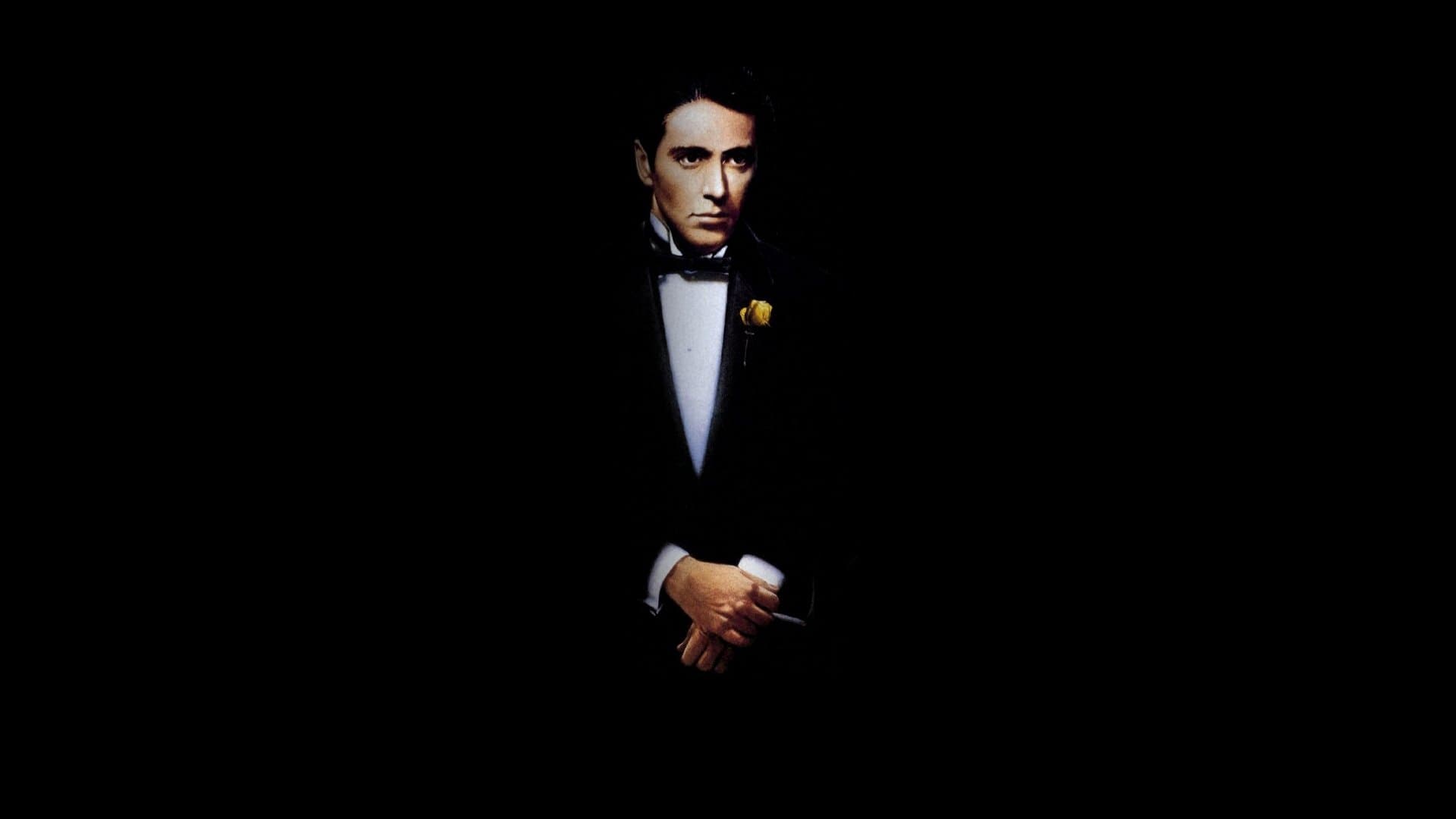
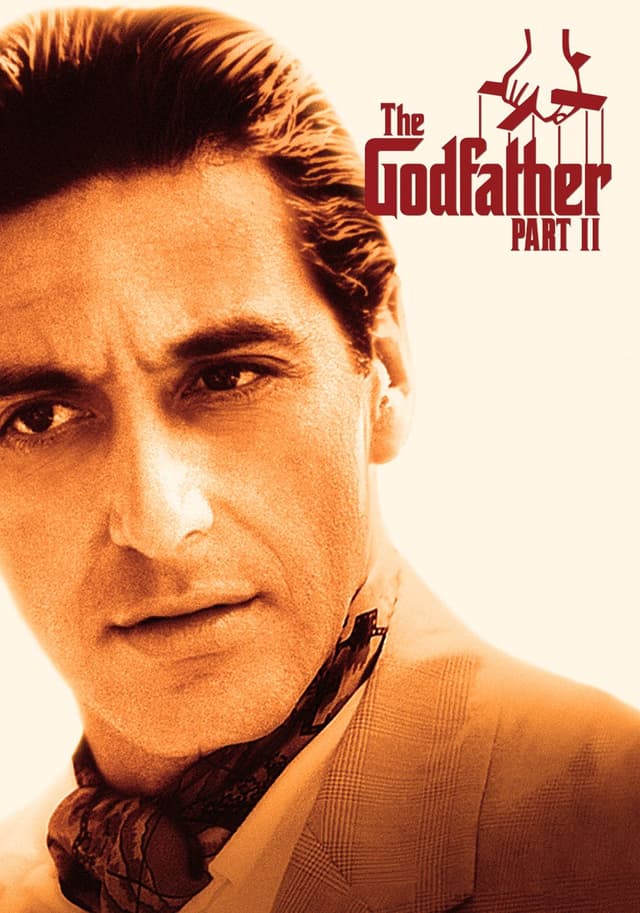
"The Godfather Part II," a drama released in 1974, was directed by Francis Ford Coppola and stars Al Pacino, Robert Duvall. The production budget was $13,000,000, placing it in the low-budget range for drama productions of the 1970s.
Key Budget Allocation Categories
While specific budget breakdowns are not publicly available, typical cost drivers for a drama production like this include:
- Above-the-Line Talent: Drama films live or die on the strength of their performances.
- Location Filming & Period Production Design: Authentic locations , whether contemporary or historical , require scouting, permits, travel, lodging, and often significant dressing to match the story's time period.
- Post-Production, Color Grading & Score: The editorial process for dramas is typically longer than genre films, with careful attention to pacing and tone.
- Casting: Several actors from the first film did not return for the sequel.
What were the major cost factors in The Godfather Part II?
Several factors contributed to the overall production costs of "The Godfather Part II."
- Above-the-Line Talent: Above-the-Line Talent is one of the primary cost drivers in drama productions of this scale.
- Location Filming: Location Filming & Period Production Design is one of the primary cost drivers in drama productions of this scale.
- Post-Production: Post-Production, Color Grading & Score is one of the primary cost drivers in drama productions of this scale.
How Does The Godfather Part II's Budget Compare to Similar Films?
At $13,000,000, The Godfather Part II sits in the low-budget range. Here is how it compares to productions with a similar budget:
- Miss Sloane (2016): Budget $13,000,000, Worldwide Gross $9,101,546
- RoboCop (1987): Budget $13,000,000, Worldwide Gross $53,424,681
- The Holdovers (2023): Budget $13,000,000, Worldwide Gross $42,513,270
- In the Name of the Father (1993): Budget $13,000,000, Worldwide Gross $65,796,862
- Black Swan (2010): Budget $13,000,000, Worldwide Gross $329,398,046
The median budget for wide-release drama films in the era ranges from $30 to 80M for mid-budget to $150M+ for tentpoles.
The Godfather Part II Box Office Performance
"The Godfather Part II" earned $47,834,595 domestically and $102,600,000 worldwide at the box office. Against a production budget of $13,000,000, the film performed strongly at the box office.
A film typically needs to earn approximately twice its production budget to cover marketing and distribution costs. For "The Godfather Part II," that break-even threshold was roughly $26,000,000. With worldwide earnings of $102,600,000, the film cleared that threshold comfortably.
Box Office Breakdown
The Godfather Part II

At 689.2%, "The Godfather Part II" earned roughly $7.89 for every $1 invested in production.
The Godfather Part II Production History
Several actors from the first film did not return for the sequel. Marlon Brando initially agreed to return for the birthday flashback sequence, but the actor, feeling mistreated by the board at Paramount, failed to show up for the single day's shooting. The part in the plot originally intended for the latter-day Clemenza was then filled by the character of Frank Pentangeli, played by Michael V.
The Godfather Part II was shot between October 1, 1973, and June 19, 1974. The scenes that took place in Cuba were shot in Santo Domingo, Dominican Republic. Charles Bluhdorn, whose Gulf+Western conglomerate owned Paramount, felt strongly about developing the Dominican Republic as a movie-making site.
The score is by Nino Rota with additions by Carmine Coppola. It won the 1974 Academy Award for Best Original Score.
Awards and Recognition
Won 6 Oscars. 17 wins & 21 nominations total
- Academy Award for Best Director: Francis Ford Coppola (47th Academy Awards)
- Academy Award for Best Writing, Adapted Screenplay: Francis Ford Coppola (47th Academy Awards)
- Academy Award for Best Writing, Adapted Screenplay: Mario Puzo (47th Academy Awards)
- Academy Award for Best Original Dramatic Score: Nino Rota (47th Academy Awards)
- Academy Award for Best Original Dramatic Score: Carmine Coppola (47th Academy Awards)
- Academy Award for Best Picture: Francis Ford Coppola (47th Academy Awards)
- Academy Award for Best Picture: Fred Roos (47th Academy Awards)
- Academy Award for Best Picture: Gray Frederickson (47th Academy Awards)
Critical Reception
Pauline Kael in The New Yorker was an early champion of the film, writing that it was visually "far more complexly beautiful than the first, just as it's thematically richer, more shadowed, more full." She writes: "Twice I almost cried out at the acts of violence that De Niro's Vito committed. I didn't look away from the images, as I sometimes do in routine action pictures. I wanted to see the worst; there is a powerful need to see it. You need these moments as you need the terrible climaxes in a Tolstoy novel.
Frequently Asked Questions
How much did it cost to make The Godfather Part II (1974)?
The production budget was $13,000,000, covering principal photography, cast and crew salaries, locations, sets, post-production, and music. Marketing and distribution (P&A) costs are estimated at an additional $6,500,000 - $10,400,000, bringing the total studio investment to approximately $19,500,000 - $23,400,000.
How much did The Godfather Part II (1974) earn at the box office?
The Godfather Part II grossed $47,834,595 domestic, $54,765,405 international, totaling $102,600,000 worldwide.
Was The Godfather Part II (1974) profitable?
Yes. Against a production budget of $13,000,000 and estimated total costs of ~$32,500,000, the film earned $102,600,000 theatrically - a 689% ROI on production costs alone.
What were the biggest costs in producing The Godfather Part II?
The primary cost drivers were above-the-line talent (Al Pacino, Robert Duvall, Diane Keaton); talent compensation, authentic period production design, and meticulous post-production.
How does The Godfather Part II's budget compare to similar drama films?
At $13,000,000, The Godfather Part II is classified as a low-budget production. The median budget for wide-release drama films in the era ranges from $30 - 80M for mid-budget to $150M+ for tentpoles. Comparable budgets: Miss Sloane (2016, $13,000,000); RoboCop (1987, $13,000,000); The Holdovers (2023, $13,000,000).
Did The Godfather Part II (1974) go over budget?
There are no widely reported accounts of significant budget overruns for this production. However, studios rarely disclose precise budget overrun figures publicly. The reported production budget reflects the final estimated cost.
What was the return on investment (ROI) for The Godfather Part II?
The theatrical ROI was 689.2%, calculated as ($102,600,000 − $13,000,000) ÷ $13,000,000 × 100. This measures gross revenue against production budget only - it does not account for P&A or exhibitor shares.
What awards did The Godfather Part II (1974) win?
Won 6 Oscars. 17 wins & 21 nominations total.
Who directed The Godfather Part II and who were the key crew members?
Directed by Francis Ford Coppola, written by Mario Puzo, Francis Ford Coppola, shot by Gordon Willis, with music by Nino Rota, edited by Richard Marks, Peter Zinner.
Where was The Godfather Part II filmed?
The Godfather Part II was filmed in United States of America. The Godfather Part II was shot between October 1, 1973, and June 19, 1974. The scenes that took place in Cuba were shot in Santo Domingo, Dominican Republic.
Filmmakers
The Godfather Part II

Official Trailer
Build budgets like this one in Saturation
Start from an industry-standard feature film template, import the schedule and rates you already have, and let the cost report keep itself current as you spend. Real-time collaboration, no spreadsheets.