The Cameraman Budget
 ComedyRomance1h 14m
Updated
Synopsis
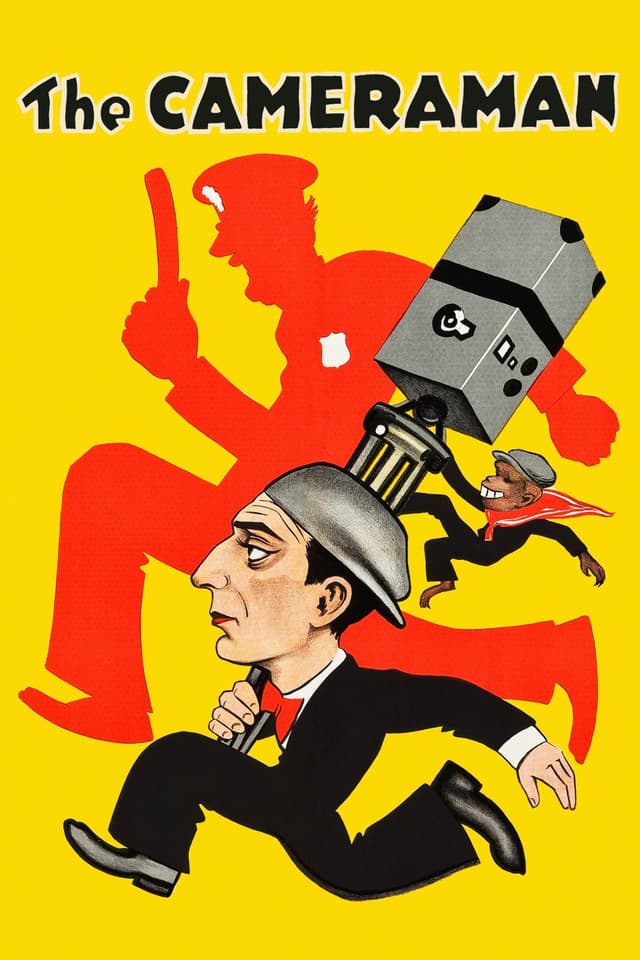
Buster Shannon, a Bowery tintype-portrait photographer, falls instantly in love with Sally, a young woman who works in the MGM Newsreel office. Determined to win her, Buster sets out to become a newsreel cameraman, chasing every news story across New York City and accidentally stumbling into a series of escalating physical-comedy disasters and improvised cinematic miracles.
What Is the Budget of The Cameraman (1928)?
The Cameraman (1928), the silent comedy directed by Edward Sedgwick and starring Buster Keaton in his first feature for Metro-Goldwyn-Mayer, was produced for a reported budget of $362,000, a figure roughly equivalent to $6,500,000 to $7,000,000 in 2026 dollars when adjusted for inflation. The film was Keaton's first picture under his disastrous MGM contract that ended his independent producer-star creative control, and the production scale reflected MGM's strategy of integrating Keaton into the studio system's industrialized production model rather than allowing the comedian-director to continue the smaller-scale, gag-led production approach that had characterized his independent run from 1920 to 1927.
The MGM tariff represented a meaningful step up from Keaton's prior independent production budgets. The General (1926), his masterwork and the highest-budgeted of his independent features, had cost approximately $750,000 under his Joseph Schenck-financed Buster Keaton Productions, but it had bombed commercially in its original release. The Cameraman, financed and distributed by MGM at $362,000 with the full marketing weight of the studio system behind it, represented an industrial recalibration of Keaton's production model that prioritized predictable cost containment and broad commercial accessibility over the costly large-scale set pieces that had anchored his independent work.
Key Budget Allocation Categories
The Cameraman's reported $362,000 budget was distributed across the following core production areas:
- Above-the-Line Talent: Buster Keaton received a weekly salary of $3,000 under his MGM contract, with co-star Marceline Day cast as the love interest Sally and Harold Goodwin as the rival cameraman Stagg. Edward Sedgwick directed at MGM's standard director-of-comedy rate, and the writing credit (Clyde Bruckman, Lew Lipton, Richard Schayer) reflected MGM's standard studio writing-team approach rather than Keaton's previous director-and-gag-writer-driven independent model.
- New York City Location Shoot: A substantial portion of the production was shot on location in New York City, with sequences captured at Yankee Stadium, in Chinatown during the actual Tong Wars exterior unrest, and across various Manhattan exterior locations. The MGM-financed New York shoot represented a more expensive production approach than Keaton had used in his independent features, where Los Angeles substitution sets had been the norm.
- Studio Soundstage Sets: Production at MGM's Culver City studio covered the principal interior sets including the newsreel office and several controlled comedy-set-piece interiors. MGM's standardized soundstage construction approach reduced per-set costs relative to the bespoke independent-budget set construction Keaton had previously commissioned.
- Cinematography and Lighting: Cinematographers Elgin Lessley and Reggie Lanning, with Lessley a longtime Keaton collaborator from the independent years, shot the film in MGM's standard silent-feature visual approach with deep-focus exterior compositions and lit interior coverage. The MGM-standardized lighting and camera approach reduced the per-shot setup time that Keaton's independent productions had budgeted for.
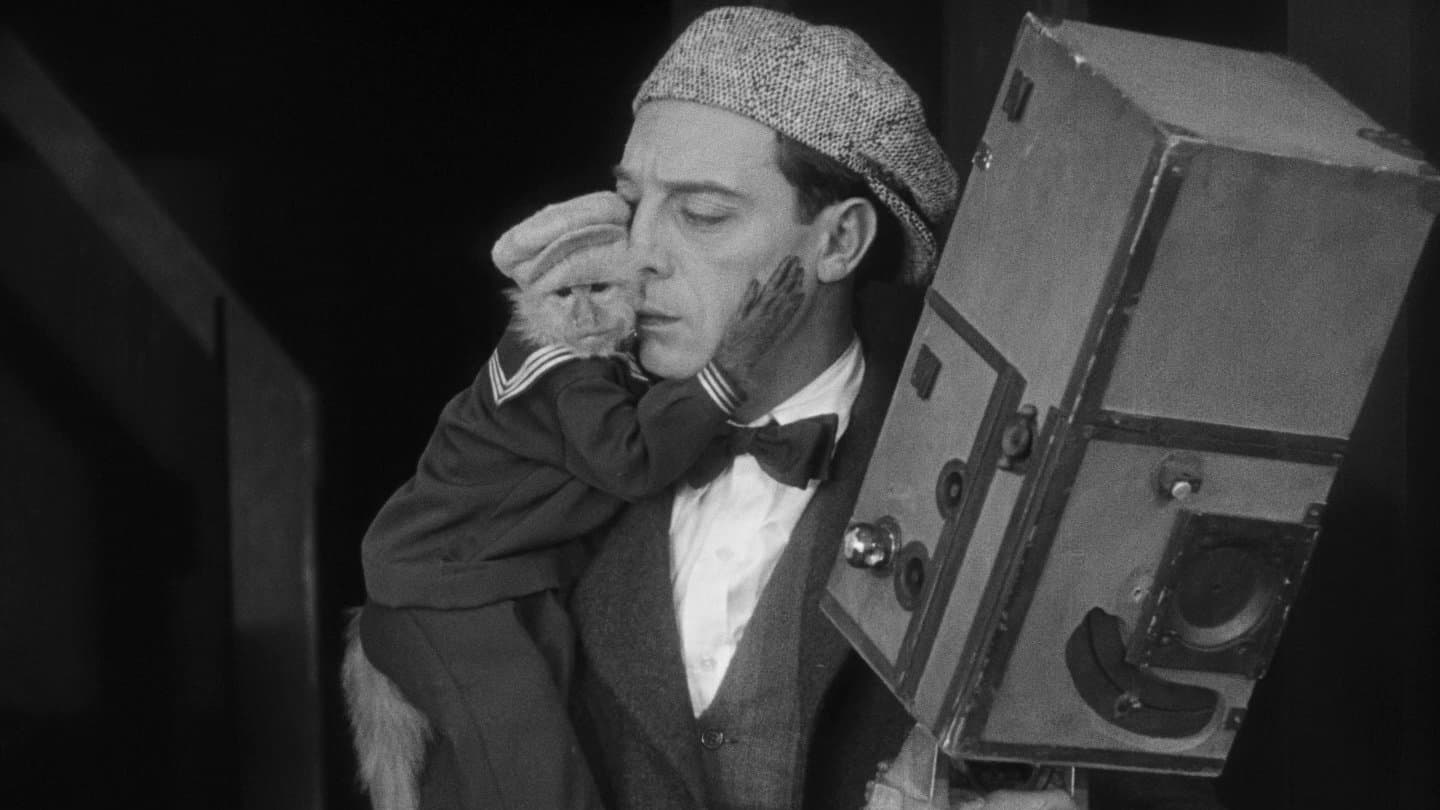
- Animal Talent: The film features a celebrated comedy sequence with a monkey (often credited as Josephine the Monkey) who operates the camera during the third-act Tong Wars sequence. Animal-talent salary, training, and on-set handling for the monkey performer represented a small but specific line item in the budget.
- Marketing and Distribution: MGM's in-house marketing and distribution machine was the principal value-add of the Keaton MGM deal relative to his independent production. The studio's exhibition relationships and theater-block distribution model ensured the film opened in substantially more theaters than Keaton's independent features had reached, with corresponding marketing carrying costs.
How Does The Cameraman's Budget Compare to Similar Films?
At $362,000 in 1928 dollars (roughly $6,500,000 in 2026 dollars), The Cameraman sits in the upper-mid range of silent-era comedy features, particularly when compared with Keaton's own independent body of work and the contemporary Chaplin and Lloyd productions:
- The General (1926): Budget approximately $750,000 | Worldwide approximately $1,000,000. Keaton's independent masterwork cost more than twice The Cameraman's budget and underperformed commercially in its original release, leading directly to the Joseph Schenck decision to sell Keaton's contract to MGM.
- The Circus (1928): Budget approximately $900,000 | Worldwide approximately $3,800,000. Charlie Chaplin's independently produced contemporary comedy released by United Artists earned roughly four times its budget worldwide, demonstrating the commercial ceiling for silent comedy at the moment the talkie revolution began.
- The Kid Brother (1927): Budget approximately $700,000 | Worldwide approximately $4,000,000. Harold Lloyd's Paramount-distributed independent comedy released a year before The Cameraman shows the upper end of silent-comedy commercial returns and was Lloyd's biggest hit of the late silent period.
- Sherlock Jr. (1924): Budget approximately $250,000. Keaton's prior independent feature offers a direct same-comedian comparison and demonstrates that The Cameraman's $362,000 MGM tariff was 45% higher than Keaton's mid-1920s independent baseline.
- Steamboat Bill Jr. (1928): Budget approximately $400,000 | Worldwide approximately $760,000. Keaton's final independent feature, released five months before The Cameraman, offers the most direct contemporaneous Keaton-vs-Keaton budget comparison and demonstrates that MGM's industrial cost-containment was real but not dramatic relative to Schenck-financed independent production.
The Cameraman Box Office Performance
The Cameraman opened theatrically through MGM's standard distribution model in September 1928, premiering in New York at the Capitol Theatre on September 22, 1928 and rolling out across MGM's national theater circuit through the fall. The film earned approximately $797,000 in domestic theatrical rentals during its initial release, a figure that more than doubled its $362,000 production budget and exceeded the domestic earnings of nearly all of Keaton's independent features.
The film's commercial success vindicated MGM's production decisions in the short term while paradoxically setting the stage for the disastrous Keaton MGM run that followed. The Cameraman remains widely regarded as the last great Buster Keaton feature, with the subsequent MGM titles (Spite Marriage, Free and Easy, Doughboys) progressively undermining Keaton's creative control and on-screen persona.
Box Office Breakdown
The Cameraman

The Cameraman returned approximately $1.42 to $2.13 in theatrical rentals for every $1 invested when measured against total estimated production and distribution spend. Within Keaton's career arc, the film stands as one of his most commercially successful releases, with the domestic-rental performance directly justifying MGM's acquisition of Keaton's contract from Joseph Schenck.
Within MGM's 1928 release slate, The Cameraman was a successful mid-budget comedy that complemented the studio's prestige and musical-feature programming. The film's commercial success has been somewhat overshadowed historically by the subsequent collapse of the Keaton MGM relationship, but in its 1928 release window it represented a meaningful commercial win for both the studio and the comedian.
The Cameraman Production History
Development on The Cameraman began at MGM in early 1928 after the studio's acquisition of Buster Keaton's contract from Joseph Schenck. The MGM-Keaton deal, brokered by Schenck (who was both Keaton's producer and the brother of MGM founder Nicholas Schenck), transferred Keaton from independent production into the MGM studio system with a four-picture commitment that ultimately extended to five completed features. Studio executives Irving Thalberg, Lawrence Weingarten (who would marry Keaton's mother-in-law Norma Talmadge and become his de facto producer), and Eddie Mannix oversaw the project.
The screenplay was developed by Clyde Bruckman (a longtime Keaton collaborator from the independent years), Lew Lipton, and Richard Schayer, with story credit to Lipton and Schayer. The premise, in which a Bowery tintype-portrait photographer attempts to become a newsreel cameraman to win the affection of an MGM Newsreel office worker, allowed for a series of comedy set pieces built around the still-novel medium of newsreel filmmaking.
Principal photography took place from May to July 1928, with extensive location work in New York City and studio work at MGM's Culver City lot. The Yankee Stadium baseball-game sequence, in which Keaton-as-cameraman pantomimes an entire baseball game in an empty stadium, was shot on location at the real Yankee Stadium. The Chinatown Tong Wars sequence was shot during actual ongoing exterior tensions in lower Manhattan, with Keaton's improvised stunt work amid real crowd activity contributing to the film's documentary-edged comic energy.
The MGM production process represented a fundamental shift from Keaton's independent production approach. Where his independent features had allowed extended improvisation, rebuilt sets to accommodate new gag ideas, and a director-and-gag-writer-led shooting style, MGM's industrial process required shooting from completed scripts on standardized schedules. Keaton's creative control was meaningfully reduced even on The Cameraman, with subsequent MGM features progressively eliminating the production flexibility that had been the foundation of his independent style.
Awards and Recognition
The Cameraman predates the establishment of most major film-industry awards. The first Academy Awards ceremony took place in May 1929 (covering films released between August 1, 1927 and July 31, 1928), and The Cameraman, released in September 1928, fell into the subsequent year's eligibility window. The 1929 ceremony (covering 1928 to 1929 releases) did not nominate The Cameraman in any category, with the Best Comedy Direction award (a category that existed only at the first ceremony) having been already discontinued by the second.
The film's historical recognition has grown substantially in the decades since its release. The Cameraman was selected for preservation in the United States National Film Registry by the Library of Congress in 2005 for being "culturally, historically, or aesthetically significant." Sight & Sound's decade-spanning critics' polls have consistently included the film in lists of the greatest silent comedies, and the film holds a prominent place in nearly every major Buster Keaton retrospective and silent-comedy academic study. The British Film Institute has restored and reissued the film multiple times across the 1990s, 2000s, and 2010s.
Critical Reception
The Cameraman has been the subject of overwhelmingly positive critical reception across nearly a century of historical reassessment. On Rotten Tomatoes, the film holds a 100% Tomatometer score based on a sample of approximately 30 critics writing across decades of retrospective review, with consensus praise for the New York Chinatown Tong Wars sequence, the Yankee Stadium pantomime baseball game, the swimming-pool changing-room comedy set piece, and Keaton's overall physical and pantomime control.
Praise centers on Keaton's peerless physical performance, the documentary-edged New York location work, the marriage of broad comedy with the still-novel medium of newsreel filmmaking, and the bittersweet awareness, in retrospect, that this would be Keaton's last great feature before the MGM contract progressively destroyed his on-screen autonomy. James Agee's landmark 1949 Life magazine essay "Comedy's Greatest Era" cited The Cameraman as evidence of Keaton's peak abilities, and David Thomson's entry on Keaton in The New Biographical Dictionary of Film describes the film as "the last fully Keaton work for years to come."
Contemporary 1928 reviews were also broadly positive. Variety called the film "a sure-fire comedy attraction" and noted that "Keaton has lost none of his ability to provoke screams of laughter." Photoplay called it "the funniest Keaton picture in years." The film's critical reputation has only grown across the subsequent century, with the British Film Institute's 2002 and 2012 Sight & Sound polls of greatest silent comedies featuring The Cameraman among the most cited films, and Roger Ebert's 2003 Great Movies essay calling Keaton "the greatest of all comic actors" with The Cameraman as a key piece of evidence.
Frequently Asked Questions
How much did it cost to make The Cameraman (1928)?
The reported production budget was $362,000, roughly equivalent to $6,500,000 to $7,000,000 in 2026 dollars when adjusted for inflation. The film was produced and distributed by Metro-Goldwyn-Mayer (MGM) under Buster Keaton's newly signed studio contract that had transferred him from his prior independent production setup.
How much did The Cameraman earn at the box office?
The film earned approximately $797,000 in domestic theatrical rentals during its initial 1928 release, more than doubling its $362,000 production budget. International rentals added an estimated additional $200,000 to $400,000 across European and other foreign markets. The film was a substantial commercial success in its original release window.
Where can I watch The Cameraman?
The Cameraman is available on Blu-ray and DVD via the Criterion Collection, which issued a restored edition in 2018. The film also streams on the Criterion Channel and rotates through various TCM (Turner Classic Movies) and HBO Max programming windows. The Library of Congress 2005 National Film Registry restoration is the principal extant master.
Who directed The Cameraman?
Edward Sedgwick officially directed the film, though Buster Keaton retained substantial creative input on gag design and pantomime choreography during the production. Sedgwick was MGM's assigned comedy-feature director for the project, and Keaton's contractual creative control was meaningfully reduced from his prior independent productions.
Who stars in The Cameraman?
Buster Keaton stars as Buster Shannon, the Bowery tintype-portrait photographer who becomes a newsreel cameraman, with Marceline Day as the love interest Sally and Harold Goodwin as the rival cameraman Stagg. The film also features a celebrated comedy sequence with Josephine the Monkey, who operates the camera during the climactic Tong Wars sequence.
Where was The Cameraman filmed?
Principal photography took place from May to July 1928 in New York City and at MGM's Culver City studio lot in Los Angeles. New York locations included Yankee Stadium for the pantomime baseball-game sequence and Chinatown in lower Manhattan during actual ongoing Tong Wars exterior tensions. Interior soundstage work was completed at MGM Culver City.
Is The Cameraman a silent film?
Yes. The Cameraman is a silent film released in September 1928, just as the talkie revolution began transforming the Hollywood industry. The film features intertitles, an MGM-supplied synchronized 1928 score by William Axt, and the standard silent-comedy production approach. The film is widely considered Keaton's last great silent feature before his MGM contract progressively eroded his on-screen autonomy.
What did critics think of The Cameraman?
Contemporary 1928 reviews were broadly positive: Variety called it "a sure-fire comedy attraction" and Photoplay called it "the funniest Keaton picture in years." Subsequent historical critical reception has been overwhelmingly positive, with a 100% Tomatometer score, prominent inclusion in Sight & Sound's decade-spanning critics' polls, and Library of Congress National Film Registry preservation in 2005.
How does The Cameraman compare to The General?
The General (1926), Keaton's independent masterwork, cost approximately $750,000 (more than twice The Cameraman's $362,000 budget) and earned approximately $1,000,000 worldwide, a modest return that contributed directly to the Joseph Schenck decision to sell Keaton's contract to MGM. The Cameraman, at less than half the budget, earned $797,000 in domestic rentals alone and was a substantial commercial success.
Did The Cameraman win any awards?
No. The Cameraman predated most major film-industry awards. The first Academy Awards ceremony took place in May 1929 and the film fell into the second-year eligibility window without receiving nominations. Subsequent historical recognition has been substantial, including Library of Congress National Film Registry preservation in 2005 and consistent inclusion in Sight & Sound's greatest-silent-comedies polls.
Filmmakers
The Cameraman

Official Trailer
Build budgets like this one in Saturation
Start from an industry-standard feature film template, import the schedule and rates you already have, and let the cost report keep itself current as you spend. Real-time collaboration, no spreadsheets.