The Brutalist Budget
 DramaHistory3h 35m
Updated
Synopsis
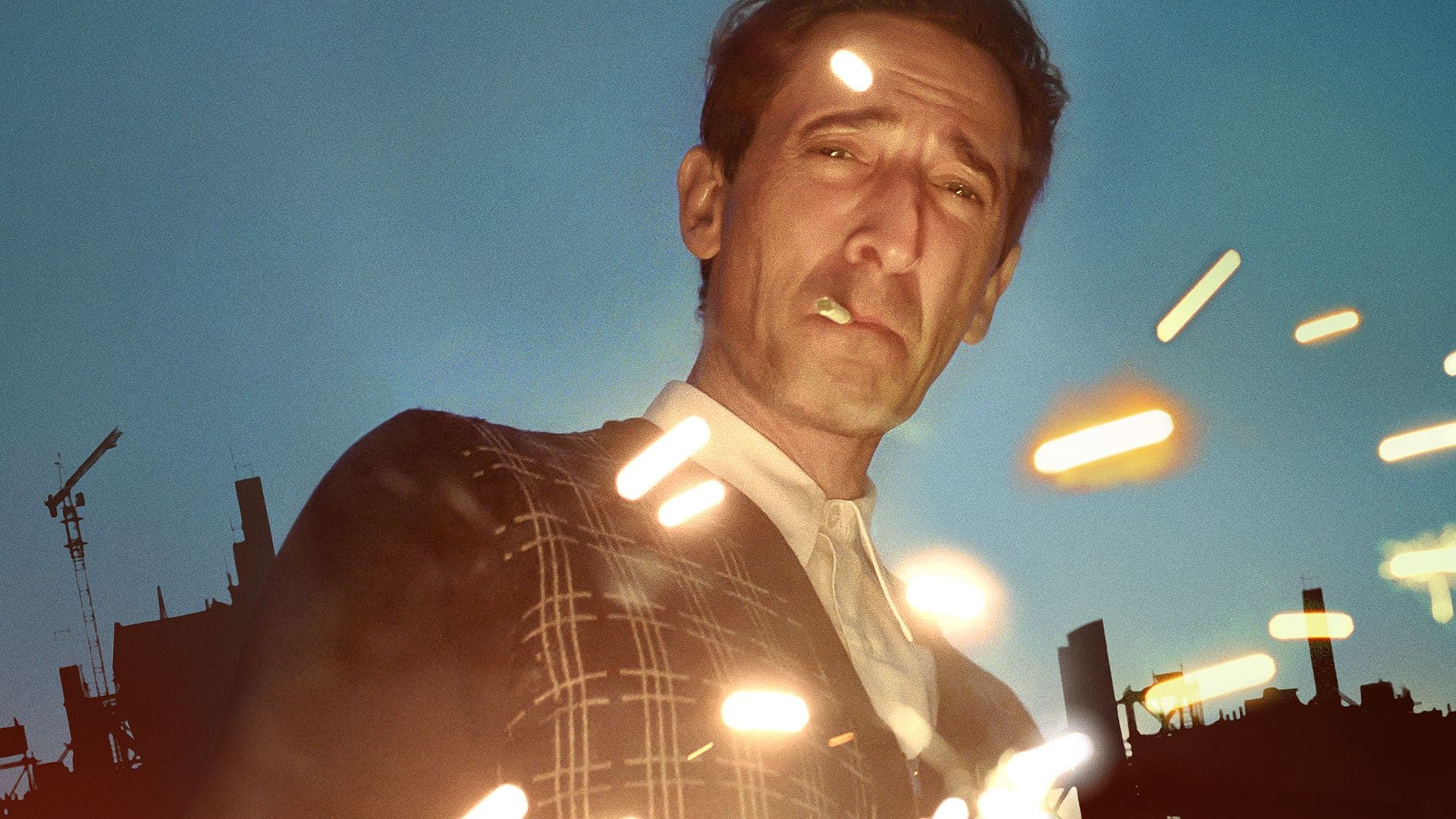
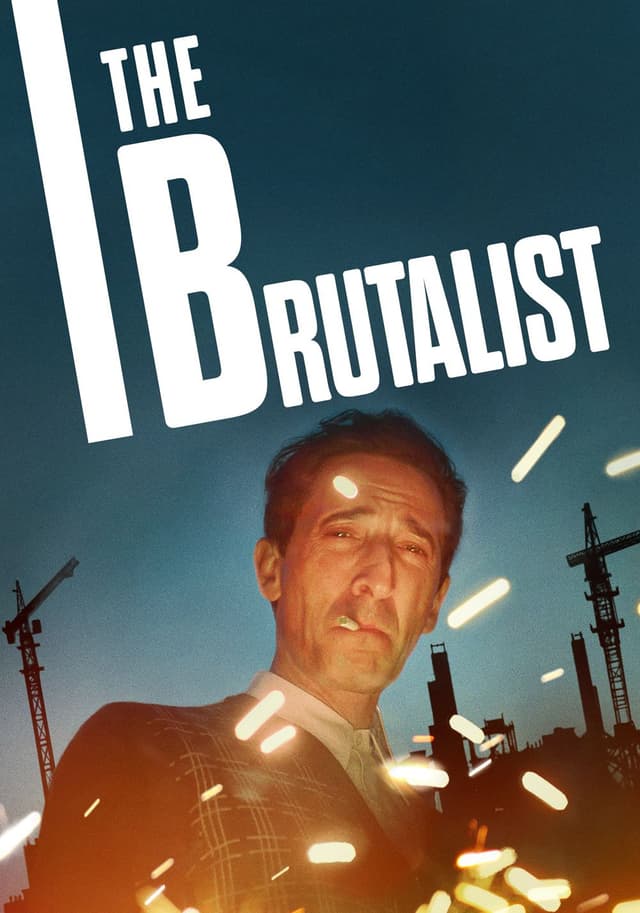
When an innovative modern architect flees post-war Europe, he is given the opportunity to rebuild his legacy. Set during the dawn of the modern United States (in Pennsylvania), his wife joins him, and their lives are forever changed by a demanding, wealthy patron.
What is the budget of The Brutalist?
"The Brutalist," a drama released in 2024, was directed by Brady Corbet and stars Adrien Brody, Felicity Jones. The production budget was $9,600,000, placing it in the low-budget range for drama productions of its era.
Key Budget Allocation Categories
While specific budget breakdowns are not publicly available, typical cost drivers for a drama production like this include:
- Above-the-Line Talent: Drama films live or die on the strength of their performances.
- Location Filming & Period Production Design: Authentic locations , whether contemporary or historical , require scouting, permits, travel, lodging, and often significant dressing to match the story's time period.
- Post-Production, Color Grading & Score: The editorial process for dramas is typically longer than genre films, with careful attention to pacing and tone.
- Writing: Corbet had long had an interest in architecture.
What were the major cost factors in The Brutalist?
Several factors contributed to the overall production costs of "The Brutalist."
- Above-the-Line Talent: Above-the-Line Talent is one of the primary cost drivers in drama productions of this scale.
- Location Filming: Location Filming & Period Production Design is one of the primary cost drivers in drama productions of this scale.
- Post-Production: Post-Production, Color Grading & Score is one of the primary cost drivers in drama productions of this scale.
How Does The Brutalist's Budget Compare to Similar Films?
At $9,600,000, The Brutalist sits in the low-budget range. Here is how it compares to productions with a similar budget:
- The Possession of Hannah Grace (2018): Budget $9,500,000, Worldwide Gross $43,000,000
- The Summit of the Gods (2021): Budget $9,850,000, Worldwide Gross $1,756,552
- Don't Breathe (2016): Budget $9,900,000, Worldwide Gross $158,906,350
- By the Sea (2015): Budget $10,000,000, Worldwide Gross $3,727,746
- Eye for an Eye (2025): Budget $10,000,000
The median budget for wide-release drama films in the 2020s ranges from $30 to 80M for mid-budget to $150M+ for tentpoles.
The Brutalist Box Office Performance
"The Brutalist" earned $16,279,129 domestically and $50,145,227 worldwide at the box office. Against a production budget of $9,600,000, the film performed strongly at the box office.
A film typically needs to earn approximately twice its production budget to cover marketing and distribution costs. For "The Brutalist," that break-even threshold was roughly $19,200,000. With worldwide earnings of $50,145,227, the film cleared that threshold comfortably.
Box Office Breakdown
The Brutalist

At 422.3%, "The Brutalist" earned roughly $5.22 for every $1 invested in production.
The Brutalist Production History
Corbet had long had an interest in architecture. His uncle is an architect who studied at Taliesin West, which Corbet frequented as a child, while Fastvold's grandfather was a mid-century designer. Corbet stated that the film is about the parallels between the artistic experience and the immigrant experience, and that brutalism, in addition to its highly cinematic nature, would work as the perfect visual allegory for exploring post-war trauma.
Corbet shot the film's epilogue in Venice in September 2020. Principal photography, scheduled to start in Poland in December, was postponed due to COVID restrictions. Further delays occurred as a result of the war in Ukraine as well as several pregnancies (including that of lead actress Felicity Jones) and deaths in the families of the film's cast and crew.
The film's score was composed by English musician Daniel Blumberg, who had previously worked with Corbet on the short film Gyuto (2019). The two worked together on the film over a span of seven years. "Erzsébet", one of the score's themes, was played by Blumberg live on a piano since Corbet wanted the actors to hear the music while shooting; the train noises from the scene were eventually incorporated into the track's final version.
Awards and Recognition
Won 3 Oscars. 137 wins & 356 nominations total
- Golden Globe Award for Best Motion Picture: Drama
- Amanda Award for Best Foreign Feature Film (Q134974882)
- Academy Award for Best Actor
- Academy Award for Best Original Score
- Academy Award for Best Cinematography
- Silver Lion
- International Federation of Film Critics
Critical Reception
The Guardians Peter Bradshaw gave the film five out of five stars, calling it "an amazing and engrossing epic". He continued: "The Brutalist obviously takes something from Ayn Rand, but also from Bernard Malamud and Saul Bellow in its depiction of the US immigrant adventure and the promise of success , but maybe Corbet and Fastvold go further and faster into how dizzyingly sensual and sexual it all is". Bradshaw concluded: "It is an electrifying piece of work, stunningly shot by cinematographer Lol Crawley and superbly designed by Judy Becker.
Frequently Asked Questions
How much did it cost to make The Brutalist (2024)?
The production budget was $9,600,000, covering principal photography, cast and crew salaries, locations, sets, post-production, and music. Marketing and distribution (P&A) costs are estimated at an additional $4,800,000 - $7,680,000, bringing the total studio investment to approximately $14,400,000 - $17,280,000.
How much did The Brutalist (2024) earn at the box office?
The Brutalist grossed $16,279,129 domestic, $33,866,098 international, totaling $50,145,227 worldwide.
Was The Brutalist (2024) profitable?
Yes. Against a production budget of $9,600,000 and estimated total costs of ~$24,000,000, the film earned $50,145,227 theatrically - a 422% ROI on production costs alone.
What were the biggest costs in producing The Brutalist?
The primary cost drivers were above-the-line talent (Adrien Brody, Felicity Jones, Guy Pearce); talent compensation, authentic period production design, and meticulous post-production; international production across United Kingdom, United States of America.
How does The Brutalist's budget compare to similar drama films?
At $9,600,000, The Brutalist is classified as a micro-budget production. The median budget for wide-release drama films in the 2020s ranges from $30 - 80M for mid-budget to $150M+ for tentpoles. Comparable budgets: The Possession of Hannah Grace (2018, $9,500,000); The Summit of the Gods (2021, $9,850,000); Don't Breathe (2016, $9,900,000).
Did The Brutalist (2024) go over budget?
There are no widely reported accounts of significant budget overruns for this production. However, studios rarely disclose precise budget overrun figures publicly. The reported production budget reflects the final estimated cost.
What was the return on investment (ROI) for The Brutalist?
The theatrical ROI was 422.3%, calculated as ($50,145,227 − $9,600,000) ÷ $9,600,000 × 100. This measures gross revenue against production budget only - it does not account for P&A or exhibitor shares.
What awards did The Brutalist (2024) win?
Won 3 Oscars. 137 wins & 356 nominations total.
Who directed The Brutalist and who were the key crew members?
Directed by Brady Corbet, written by Brady Corbet, Mona Fastvold, shot by Lol Crawley, with music by Daniel Blumberg, edited by Dávid Jancsó.
Where was The Brutalist filmed?
The Brutalist was filmed in United Kingdom, United States of America. Corbet shot the film's epilogue in Venice in September 2020. Principal photography, scheduled to start in Poland in December, was postponed due to COVID restrictions.
Filmmakers
The Brutalist

Official Trailer
Build budgets like this one in Saturation
Start from an industry-standard feature film template, import the schedule and rates you already have, and let the cost report keep itself current as you spend. Real-time collaboration, no spreadsheets.