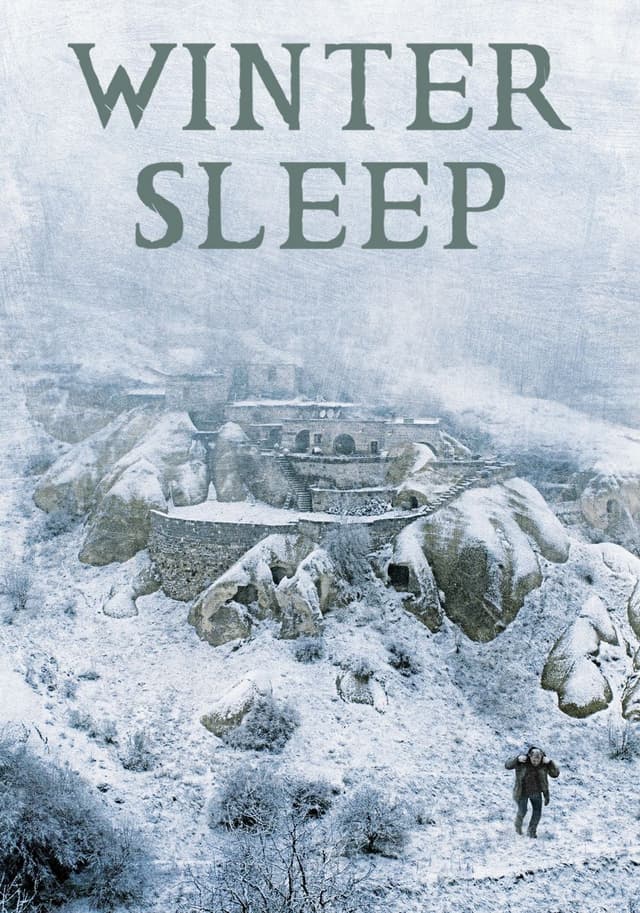
Winter Sleep Budget
Updated
Synopsis
In a remote Cappadocia cave hotel during the winter off-season, a former actor turned hotelier named Aydın spends his days writing newspaper columns and managing his rental properties while his estranged younger wife and his recently divorced sister grow increasingly resentful of his self-absorption. When a series of small confrontations escalates over the course of a long snowbound week, the family's unspoken tensions over class, faith, and personal failure finally surface in a series of devastating conversations.
What Is the Budget of Winter Sleep (2014)?
Winter Sleep (2014), directed by Nuri Bilge Ceylan and co-written with his wife Ebru Ceylan, was produced on an estimated budget of approximately $4,000,000 (3.5 million euros). The figure has not been formally disclosed by the financiers, but the Turkish-French-German co-production model, the contained Cappadocia location footprint, and the 196-minute prestige-arthouse runtime all support a figure in this range typical of Ceylan's mid-career international co-productions.
The film was produced by Zeyno Film, Memento Films Production, and Bredok Filmproduction, with Nuri Bilge Ceylan directing, producing, co-writing, and editing in his characteristic auteurist mode. Winter Sleep won the Palme d'Or at the 67th Cannes Film Festival in 2014, becoming the second Turkish film to win the festival's top prize after Yol (1982).
Key Budget Allocation Categories
The estimated $4,000,000 budget covered a contained Anatolian-set chamber drama built around an extended runtime and dialogue-driven family-and-class structure:
- Above-the-Line Talent: Haluk Bilginer played the retired-actor-turned-hotelier Aydın, with Melisa Sözen as his estranged younger wife Nihal and Demet Akbağ as his recently divorced sister Necla. The Turkish-cinema lead-actor compensation packages of 2013, the supporting cast including Ayberk Pekcan and Serhat Mustafa Kılıç, and the extended dialogue-heavy shooting schedule supported a contained ensemble within the available financing.
- Director and Screenplay Package: Nuri Bilge Ceylan operated as director, co-writer with Ebru Ceylan, producer, and editor in his characteristic auteurist mode. The screenplay drew on three Anton Chekhov short stories including The Wife and Excellent People, transposing the Russian-rural register to Anatolian Cappadocia.
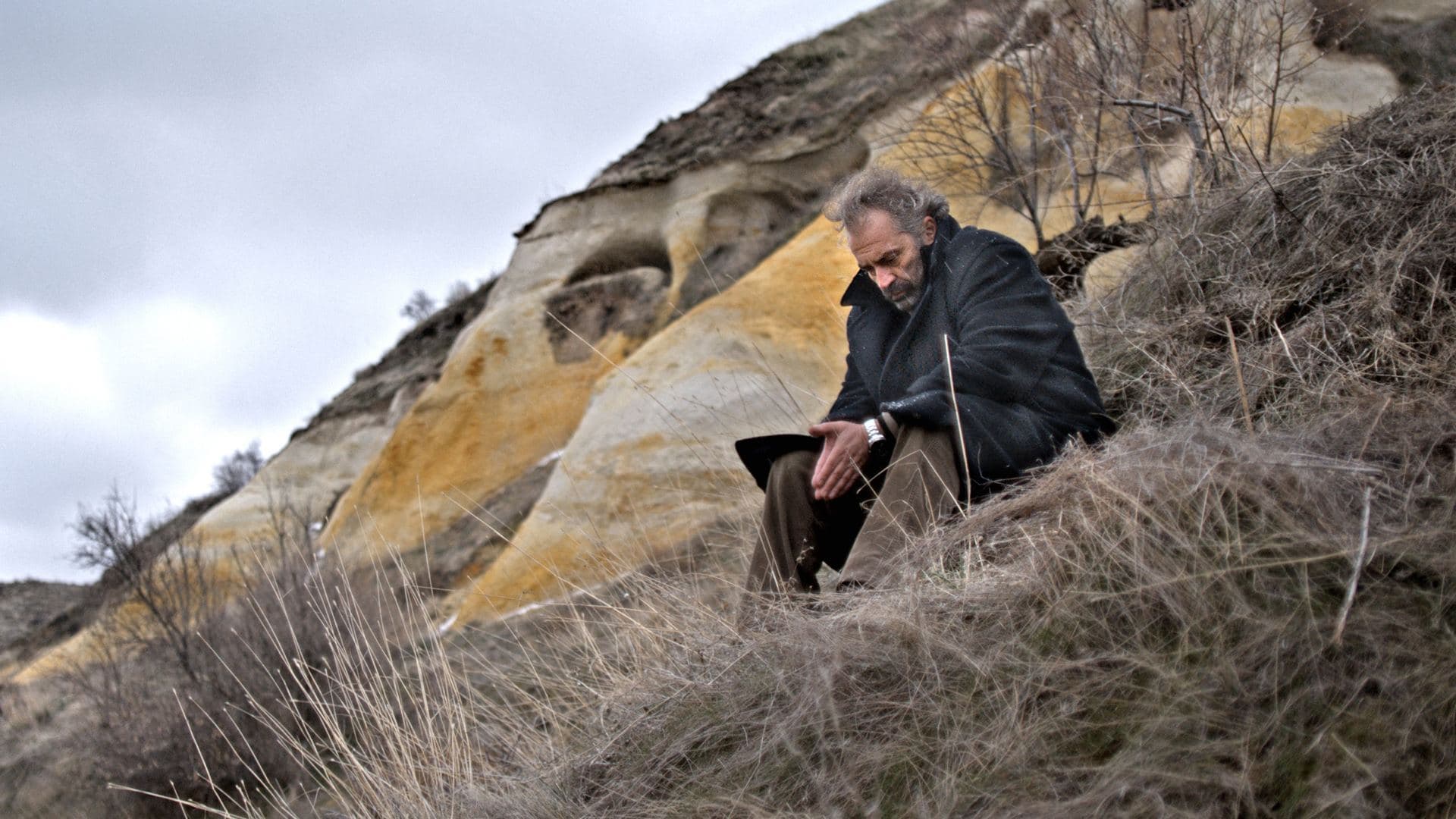
- Cappadocia Location Footprint: Principal photography took place across Cappadocia in central Turkey, with the cave hotel and the surrounding volcanic-rock landscapes anchoring the visual register. The location production included winter-weather logistics, local crew, and the extended dialogue-scene shooting schedule that the four-month production demanded.
- Cinematography: Gökhan Tiryaki, Ceylan's frequent collaborator on Three Monkeys (2008) and Once Upon a Time in Anatolia (2011), shot the film in digital with the contained interior-and-Cappadocia visual register that the screenplay's dialogue-driven chamber structure demanded.
- Post-Production: Ceylan personally edited the film alongside Bora Gökşingöl, with the 196-minute runtime requiring the months-long editorial pipeline that the auteur-driven post-production model supported. Color grading, sound mix, and the Cannes Film Festival 2014 competition delivery package completed the finishing pipeline.
- International Co-Production Financing: The Turkish-French-German financing structure required coordinated co-production accounting through Zeyno Film, Memento Films Production, and Bredok Filmproduction, with the funding draw including Eurimages and the Turkish Ministry of Culture support that the European arthouse co-production model demanded.
How Does Winter Sleep's Budget Compare to Similar Films?
Winter Sleep sits in the European auteur-driven prestige-arthouse landscape alongside contemporary Cannes-competition peers:
- Once Upon a Time in Anatolia (2011): Budget approximately $1,800,000 | Cannes Grand Prix. Nuri Bilge Ceylan's previous feature at less than half the Winter Sleep budget represents the immediate auteurist precursor.
- Three Monkeys (2008): Budget approximately $1,200,000 | Cannes Best Director. Nuri Bilge Ceylan's earlier feature at roughly a third of the Winter Sleep budget represents the earlier auteurist work.
- Amour (2012): Budget approximately $9,000,000 | Worldwide $36,800,000 | Cannes Palme d'Or. Michael Haneke's previous Palme d'Or winner at more than twice the Winter Sleep budget represents the immediate Palme d'Or peer.
- Leviathan (2014): Budget approximately $5,000,000 | Cannes Best Screenplay. Andrey Zvyagintsev's Russian drama at slightly higher budget represents the contemporary 2014 Cannes-competition peer.
Winter Sleep Box Office Performance
Winter Sleep premiered at the 67th Cannes Film Festival on May 16, 2014 and won the Palme d'Or on May 24, 2014. Adopt Films released the film theatrically in the United States beginning December 19, 2014, supported by the post-Cannes Palme d'Or awards positioning. The film earned approximately $234,748 domestically in the United States and approximately $7,200,000 internationally, for a worldwide gross of approximately $7,434,748.
Against the estimated $4,000,000 production budget, the financial breakdown:
Box Office Breakdown
Winter Sleep

Winter Sleep returned approximately $1.06 to $1.24 in worldwide theatrical revenue for every $1 invested when measured against total estimated production and marketing spend, an outcome that compares favorably with the typical Cannes Palme d'Or international art-house release pattern. The film's standing as the second Turkish Palme d'Or winner and the Nuri Bilge Ceylan auteur-cinema international canon entry has sustained the title's long-tail home-entertainment and streaming-platform performance across the decade since its release.
Winter Sleep Production History
Winter Sleep originated from Nuri Bilge Ceylan's interest in adapting Anton Chekhov short stories, specifically The Wife and Excellent People, transposing the Russian-rural-intelligentsia register to contemporary Anatolian Cappadocia. Ceylan co-wrote the screenplay with his wife Ebru Ceylan over a multi-year development period that followed the international success of Once Upon a Time in Anatolia (2011).
Principal photography took place across Cappadocia in central Turkey during the winter of 2013, with the cave hotel and the surrounding volcanic-rock landscapes anchoring the visual register. The shoot drew on Cappadocia's distinctive Göreme valley topography, the cave hotels carved into the rock formations, and the surrounding wintry plains that the screenplay's seasonal isolation demanded.
The cast assembled Haluk Bilginer, one of Turkey's most internationally respected stage and screen actors with a long career on the British stage and screen, as the central retired-actor-turned-hotelier Aydın. Melisa Sözen took the role of Aydın's estranged younger wife Nihal, and Demet Akbağ played his recently divorced sister Necla. The supporting cast included Ayberk Pekcan, Serhat Mustafa Kılıç, and Nejat İşler.
Winter Sleep premiered in competition at the 67th Cannes Film Festival on May 16, 2014 and won the Palme d'Or on May 24, 2014, with the FIPRESCI Prize also going to the film. The Palme d'Or jury was presided over by Jane Campion, and the win positioned Ceylan as one of the foremost living European auteur filmmakers and Winter Sleep as the second Turkish Palme d'Or winner after Yılmaz Güney's Yol (1982).
Awards and Recognition
Winter Sleep received the most significant international awards recognition of Nuri Bilge Ceylan's career to that point. The film won the Palme d'Or at the 67th Cannes Film Festival 2014 and the FIPRESCI Prize at the same festival. The film won the Asia Pacific Screen Awards Best Feature Film and Best Screenplay, the European Film Awards FIPRESCI Award, and multiple Turkish-cinema awards including the Yeşilçam Awards and the Sadri Alışık Awards. Winter Sleep was submitted as the Turkish entry for the Academy Award for Best Foreign Language Film at the 87th Academy Awards but was not nominated.
Critical Reception
Winter Sleep received broadly strong reviews on its Cannes 2014 premiere and the subsequent international art-house release. The film holds a 88% approval rating on Rotten Tomatoes based on more than 100 critic reviews, with a critical consensus that praised Nuri Bilge Ceylan's tight direction, the three central performances by Haluk Bilginer, Melisa Sözen, and Demet Akbağ, and the screenplay's Chekhovian adaptation register. Metacritic recorded a score of 88 out of 100, indicating universal acclaim.
Critics broadly praised Haluk Bilginer for a lead performance of contained intellectual self-absorption, Melisa Sözen for a supporting performance that delivered the film's emotional climax in a single extended dialogue sequence, and the screenplay's commitment to extended dialogue scenes that operated on the moral-and-class architecture of Chekhov's late short stories. The New York Times' A.O. Scott called the film "a 196-minute movie that earns every minute of its running time," and Variety's Justin Chang praised the film as "a powerful adaptation of Chekhov that establishes Nuri Bilge Ceylan as one of the foremost living European filmmakers." Common reservations cited the extended runtime as a potential barrier to general audiences. The strong reception positioned Winter Sleep as a permanent entry in the 2010s international auteur cinema canon.
Frequently Asked Questions
How much did it cost to make Winter Sleep (2014)?
The production budget has not been formally disclosed but is estimated at approximately $4,000,000 (3.5 million euros). The Turkish-French-German co-production model, the contained Cappadocia location footprint, and the 196-minute prestige-arthouse runtime all support a figure in this range.
How much did Winter Sleep earn at the box office?
Winter Sleep grossed approximately $234,748 domestically in the United States and approximately $7,200,000 internationally, for a worldwide gross of approximately $7,434,748. The film was released theatrically in the United States by Adopt Films beginning December 19, 2014.
Did Winter Sleep win the Palme d'Or?
Yes. Winter Sleep won the Palme d'Or at the 67th Cannes Film Festival on May 24, 2014, with the Palme d'Or jury presided over by Jane Campion. The film also won the FIPRESCI Prize at the same festival. Winter Sleep is the second Turkish film to win the Palme d'Or after Yılmaz Güney's Yol (1982).
Who directed Winter Sleep?
Nuri Bilge Ceylan directed the film, co-writing the screenplay with his wife Ebru Ceylan. Ceylan had previously directed Distant (2002), Climates (2006), Three Monkeys (2008), and Once Upon a Time in Anatolia (2011), all of which won major prizes at the Cannes Film Festival.
Is Winter Sleep based on Chekhov?
Yes. Nuri Bilge Ceylan and Ebru Ceylan adapted elements from three Anton Chekhov short stories including The Wife and Excellent People, transposing the Russian-rural-intelligentsia register to contemporary Anatolian Cappadocia. The film's extended dialogue scenes and its moral-and-class architecture draw directly from Chekhov's late short fiction.
Where was Winter Sleep filmed?
Principal photography took place across Cappadocia in central Turkey during the winter of 2013, with the cave hotel and the surrounding volcanic-rock landscapes of the Göreme valley anchoring the visual register. The shoot drew on Cappadocia's distinctive cave hotels carved into the rock formations.
Who stars in Winter Sleep?
Haluk Bilginer plays the retired-actor-turned-hotelier Aydın, Melisa Sözen plays his estranged younger wife Nihal, and Demet Akbağ plays his recently divorced sister Necla. The supporting cast includes Ayberk Pekcan, Serhat Mustafa Kılıç, and Nejat İşler.
How long is Winter Sleep?
The film runs approximately 196 minutes (three hours and sixteen minutes), making it one of the longest films to win the Palme d'Or. The extended runtime supports the screenplay's commitment to long uninterrupted dialogue scenes that operate on the moral-and-class architecture of Chekhov's late short stories.
Did Winter Sleep get an Oscar nomination?
No. Winter Sleep was submitted as the Turkish entry for the Academy Award for Best Foreign Language Film at the 87th Academy Awards in 2015 but was not nominated. Turkey has never received a Best Foreign Language Film Oscar nomination despite the Palme d'Or win.
What did critics think of Winter Sleep?
Reviews were broadly strong. The film holds an 88% Rotten Tomatoes approval rating across more than 100 critic reviews and a Metacritic score of 88 out of 100, indicating universal acclaim. Critics praised Nuri Bilge Ceylan's tight direction, the three central performances, and the screenplay's Chekhovian adaptation register.
Filmmakers
Winter Sleep

Official Trailer
Build budgets like this one in Saturation
Start from an industry-standard feature film template, import the schedule and rates you already have, and let the cost report keep itself current as you spend. Real-time collaboration, no spreadsheets.