Teenage Mutant Ninja Turtles Budget
Updated
Synopsis
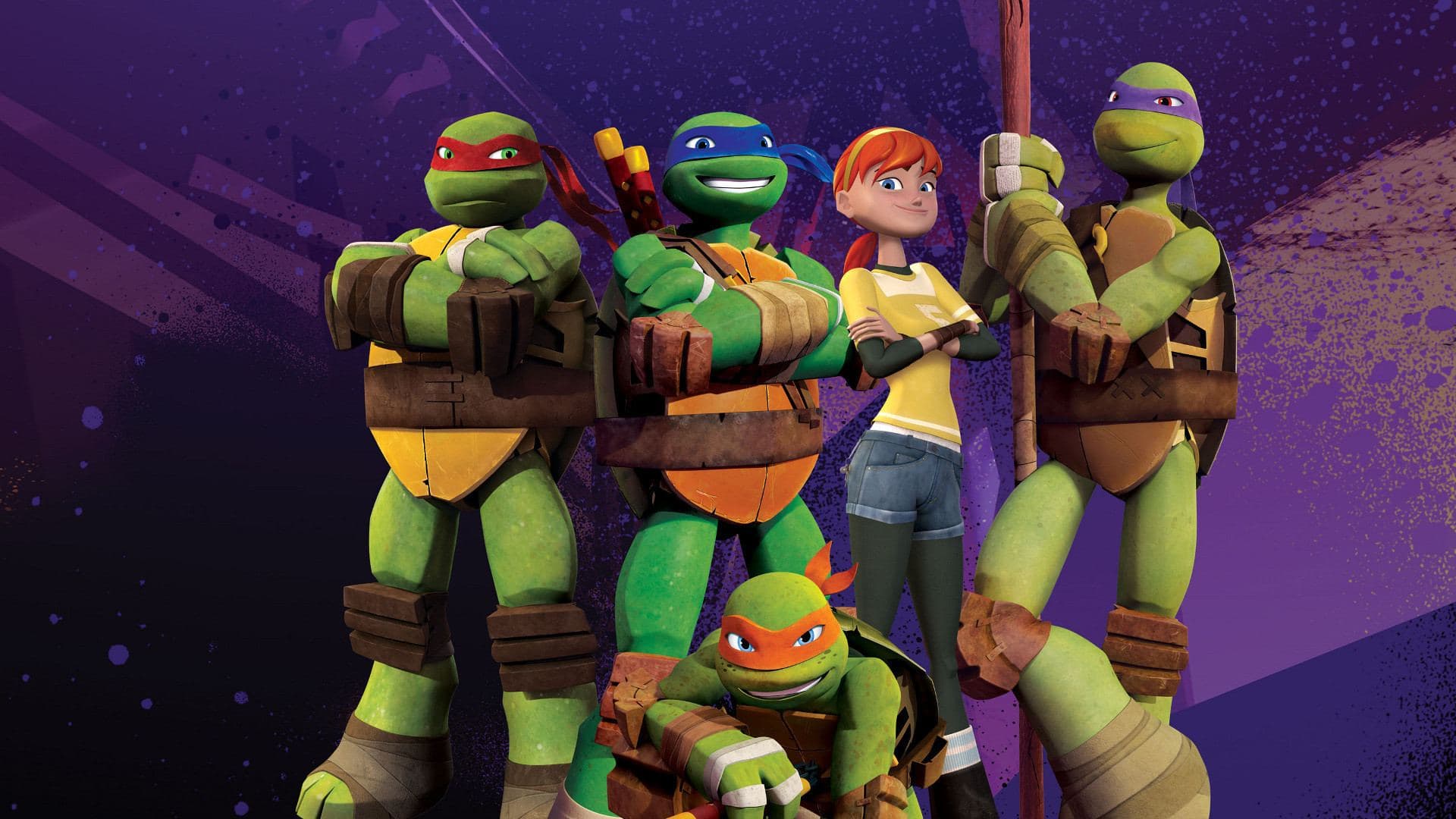
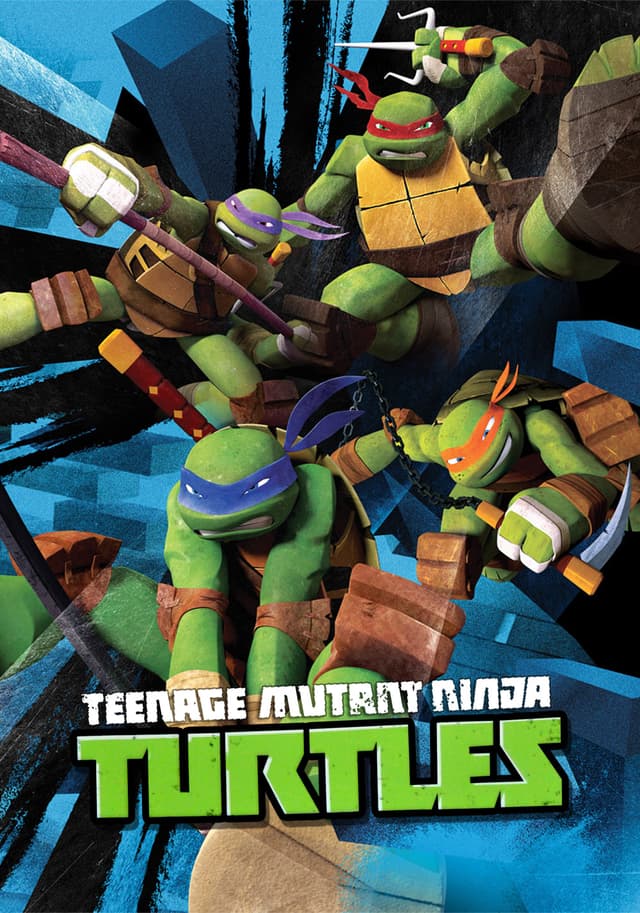
Four teenage mutant turtles trained in ninjutsu by their rat sensei Splinter emerge from the New York City sewers to defend the surface world from the alien Kraang invasion and the rival Foot Clan led by Master Shredder. The CG-animated Nickelodeon series follows Leonardo, Raphael, Donatello, and Michelangelo across 124 episodes of serialized adventure, comedy, and franchise mythology.
What Is the Budget of Teenage Mutant Ninja Turtles (2012)?
Teenage Mutant Ninja Turtles (2012) is the CG-animated Nickelodeon television series that ran for five seasons and 124 episodes from September 2012 through November 2017. Unlike the theatrical features of the same franchise, the series budget is structured on a per-episode basis rather than a single production figure. Industry estimates place the per-episode cost in the $1,500,000 to $2,200,000 range, consistent with other premium CG animated cable series of the period such as Star Wars: The Clone Wars. Across 124 episodes, the cumulative production investment is estimated at $185,000,000 to $275,000,000 over the five-year run.
Nickelodeon Animation Studio handled all production through its Burbank facility, with CG animation outsourced to a combination of in-house artists and partner houses including Cartoon Conservatory and Reel FX. The series was greenlit shortly after Viacom's 2009 acquisition of the Teenage Mutant Ninja Turtles property from Mirage Studios for a reported $60,000,000, with the show conceived as the launchpad for the live-action film reboot that followed in 2014.
Key Budget Allocation Categories
The Teenage Mutant Ninja Turtles 2012 series budget was distributed across several core production areas:
- CG Animation Production: The full-CG rendering pipeline drove the bulk of per-episode cost. Each twenty-two-minute episode required four to six months of layout, animation, and rendering, with Nickelodeon Animation Studio in Burbank serving as the home base and external partners handling overflow.
- Voice Cast: Jason Biggs (American Pie) originally voiced Leonardo, with Sean Astin (The Lord of the Rings) as Raphael, Greg Cipes as Michelangelo, and Rob Paulsen, the voice of Raphael in the 1987 series, returning as Donatello in a deliberate generational cast bridge. Mae Whitman voiced April O'Neil and Hoon Lee voiced Splinter. Seth Green replaced Jason Biggs as Leonardo from season three onward.
- Music and Score: Sebastian Evans II composed the orchestral underscore, with the theme song "Teenage Mutant Ninja Turtles" performed by Mike Bell sampling the 1987 series theme as a generational touchstone. Music licensing carried real cost across 124 episodes.
- Writers Room: Showrunner Ciro Nieli (Megas XLR, Super Robot Monkey Team Hyperforce Go!) led a writers room that included veteran TMNT comics writer Brandon Auman. The room delivered a serialized arc structure unusual for the franchise, with multi-episode storylines and continuity that drove production complexity.
- Marketing and Cross-Promotion: Nickelodeon coordinated extensive cross-promotion with Playmates Toys, the original Turtles toy licensee, and with the 2014 and 2016 Michael Bay-produced live-action films from Paramount. The animated series and the films were designed as a unified franchise platform from the outset.
- Post-Production and Editorial: Editorial, mix, and final delivery were handled at Nickelodeon's Burbank facility, with a per-episode editorial budget covering picture cut, music edit, foley, and final Dolby 5.1 mix for broadcast and home video.
How Does the 2012 TMNT Series Budget Compare to Similar Productions?
The 2012 Nickelodeon series sits in the mid-to-high range of premium CG animated cable series and well below the budget tier of theatrical Teenage Mutant Ninja Turtles features:
- Teenage Mutant Ninja Turtles (2014 film): Budget $125,000,000 | Worldwide $493,314,354. The Michael Bay-produced live-action film cost roughly the equivalent of 60 to 80 animated episodes and earned roughly twice its budget worldwide, illustrating the commercial scale gap between feature and series even when both target the same audience.
- Teenage Mutant Ninja Turtles: Out of the Shadows (2016): Budget $135,000,000 | Worldwide $245,623,848. The Paramount sequel cost more than the original film and earned half the worldwide gross, an underperformance that contributed to the franchise pivoting back to animation with Rise of the Teenage Mutant Ninja Turtles (2018-2020).
- Star Wars: The Clone Wars (2008-2020): Estimated $2,000,000 to $2,500,000 per episode. The Lucasfilm Animation CG series is the closest direct comparison to the 2012 Turtles series in terms of pipeline, episode length, and production complexity, with similar per-episode costs and a comparable seven-season run.
- Rise of the Teenage Mutant Ninja Turtles (2018-2020): Estimated $1,200,000 to $1,800,000 per episode. The 2D-stylized Nickelodeon successor series ran for two seasons (26 episodes) and a feature film before cancellation, with a per-episode budget materially lower than the CG 2012 series.
Teenage Mutant Ninja Turtles (2012) Series Performance
The series premiered on Nickelodeon on September 28, 2012, drawing 3.9 million viewers and ranking as the network's highest-rated series premiere in two years. The first season averaged 3.0 million viewers per episode, with strong delivery against the Nick target demographic of boys aged 6 to 11.
Across the five-season run, the series generated substantial ancillary revenue through home video sales, streaming licensing, and merchandise. The financial breakdown across the production cycle is structured differently from a theatrical release:
- Estimated Per-Episode Budget: $1,500,000 to $2,200,000
- Episode Order: 124 episodes across 5 seasons
- Total Estimated Production Investment: $185,000,000 to $275,000,000
- Average Linear Viewership: approximately 2.5 million per episode (Seasons 1-3)
- Toy License Revenue (Playmates): estimated $1.5 billion in cumulative TMNT toy sales 2012 to 2017
- Return Mechanism: subscription advertising, home video, streaming licensing, and toy royalties
Television series economics differ fundamentally from theatrical economics. The 2012 series is widely regarded inside Nickelodeon as one of the most commercially successful animated investments of the 2010s, despite occupying a budget tier that would constitute a fraction of a single theatrical release. The cross-franchise synergy with the 2014 and 2016 live-action films and the simultaneous Playmates toy line generated revenue streams that no individual episode or season cost could capture.
Season 5, which served as a partial reboot featuring the original 1987 series cast in animated cameos, ended the run with a deliberate franchise handoff to Rise of the Teenage Mutant Ninja Turtles in 2018. The 124-episode total made the 2012 series the second-longest-running TMNT animated production after the original 1987 to 1996 series.
TMNT (2012) Production History
Viacom acquired the Teenage Mutant Ninja Turtles property from Mirage Studios for a reported $60,000,000 in October 2009, with the explicit intent to revive the franchise across Nickelodeon's animated television platform and a Paramount live-action film. Ciro Nieli was attached as showrunner and executive producer in 2010, with the production designed as full-CG rather than the 2D animation that had defined previous TMNT series.
The Nickelodeon Animation Studio facility in Burbank handled the core production pipeline, with motion capture supplementing key-frame CG animation for combat sequences. The cast was assembled over 2011 and 2012, with Rob Paulsen returning as a deliberate generational bridge from the 1987 series to the new production.
The series ran from September 28, 2012 through November 12, 2017 across five seasons and 124 episodes, with the final season including a five-part crossover with the 1987 series voice cast as a 30th anniversary tribute. The production was based entirely in Burbank, with no overseas studio relocation.
Awards and Recognition
The 2012 series received seven Annie Award nominations across its run, winning Best General Audience Animated TV Production at the 2014 ceremony for the second-season episode "The Manhattan Project." Composer Sebastian Evans II was nominated for the Annie Award for Music in a Television Production.
The series was nominated for Outstanding Children's Animated Program at the Daytime Emmy Awards in 2014 and 2015 and won the BAFTA Children's Award for International category at the 2014 ceremony. Voice actor Greg Cipes (Michelangelo) won the Behind the Voice Actors Award for Best Vocal Ensemble in a Television Series.
Critical Reception
Teenage Mutant Ninja Turtles (2012) received broadly positive reviews from critics and franchise fans alike. Common Sense Media gave the series four out of five stars, calling it "a sharply written action comedy that respects its source material while modernizing the visual approach." IGN reviewed the early seasons enthusiastically, with reviewer Eric Goldman praising "the tonal balance between teen comedy and serialized adventure storytelling."
The TMNT comics community and the original 1987 series fanbase were initially divided over the full-CG approach and the deliberate tonal shift toward serialized storytelling, but the series' fidelity to character continuity from the Mirage comics earned eventual fan approval. Brandon Auman's contributions as a TMNT comics veteran in the writers room were widely credited with anchoring the show in established franchise lore.
The Hollywood Reporter's television critic Tim Goodman called the 2012 series "the most consistently smart children's animated production on cable," while Variety noted that "Nickelodeon has built the rare animated series that operates simultaneously as kids entertainment and as a continuity-aware franchise extension." The critical and fan consensus rates the 2012 series as the strongest TMNT animated production since the 1987 to 1996 original.
Frequently Asked Questions
How much did it cost to make Teenage Mutant Ninja Turtles (2012)?
The 2012 Nickelodeon series is structured on a per-episode basis. Industry estimates place the per-episode cost in the $1,500,000 to $2,200,000 range, consistent with other premium CG animated cable series. Across 124 episodes and five seasons, the cumulative production investment is estimated at $185,000,000 to $275,000,000.
Is TMNT (2012) a movie or a TV series?
The 2012 Teenage Mutant Ninja Turtles is a Nickelodeon CG-animated television series that ran from September 28, 2012 through November 12, 2017 across five seasons and 124 episodes. It is distinct from the live-action Michael Bay-produced theatrical films released in 2014 and 2016, which share the same franchise but are separate productions.
Who voices the Turtles in the 2012 series?
Jason Biggs voiced Leonardo for seasons one and two, with Seth Green taking over the role from season three onward. Sean Astin voiced Raphael, Greg Cipes voiced Michelangelo, and Rob Paulsen returned to the franchise as Donatello in a deliberate generational bridge from his Raphael role in the 1987 series. Mae Whitman voiced April O'Neil and Hoon Lee voiced Splinter.
How long did the 2012 TMNT series run?
The series ran for five seasons and 124 episodes from September 28, 2012 through November 12, 2017. The final season included a five-part crossover with the 1987 series voice cast as a 30th anniversary franchise tribute.
Who produced the 2012 TMNT series?
Nickelodeon Animation Studio produced the series, with Ciro Nieli serving as showrunner and lead executive producer. Joshua Sternin, Jeffrey Ventimilia, and Brandon Auman also served as executive producers. Viacom had acquired the Teenage Mutant Ninja Turtles property from Mirage Studios in October 2009 for a reported $60 million.
How did the 2012 TMNT series perform on television?
The series premiered to 3.9 million viewers on September 28, 2012, ranking as Nickelodeon's highest-rated series premiere in two years. The first season averaged 3.0 million viewers per episode, with strong delivery against the Nick target demographic of boys aged 6 to 11.
How does the 2012 TMNT series compare to the theatrical films?
The 2012 series cost an estimated $1.5M to $2.2M per episode, while the 2014 live-action film cost $125M and grossed $493M worldwide and the 2016 sequel Out of the Shadows cost $135M and grossed $246M. Television and theatrical economics differ fundamentally, but the series generated substantial ancillary revenue through merchandise and home video that no single film cost figure captures.
Was the 2012 TMNT series successful?
Yes. The 2012 series is widely regarded inside Nickelodeon as one of the most commercially successful animated investments of the 2010s, with 124 episodes over five seasons, strong linear-viewership delivery, and cumulative TMNT toy sales estimated at $1.5 billion across the production cycle. The franchise synergy with the 2014 and 2016 live-action films further amplified the financial return.
Did TMNT (2012) win any awards?
The series won the Annie Award for Best General Audience Animated TV Production at the 2014 ceremony for the second-season episode "The Manhattan Project" and the BAFTA Children's Award for International. It received Daytime Emmy nominations for Outstanding Children's Animated Program in 2014 and 2015 and Annie Award nominations across its run.
What did critics think of the 2012 TMNT series?
The series received broadly positive reviews. Common Sense Media gave it four out of five stars, IGN praised the tonal balance and serialized storytelling, and The Hollywood Reporter called it "the most consistently smart children's animated production on cable." Critical and fan consensus rates the 2012 series as the strongest TMNT animated production since the 1987 to 1996 original.
Filmmakers
Teenage Mutant Ninja Turtles

Official Trailer
Build budgets like this one in Saturation
Start from an industry-standard feature film template, import the schedule and rates you already have, and let the cost report keep itself current as you spend. Real-time collaboration, no spreadsheets.