Tangled Budget
 AnimationFamilyAdventure1h 40m
Updated
Synopsis
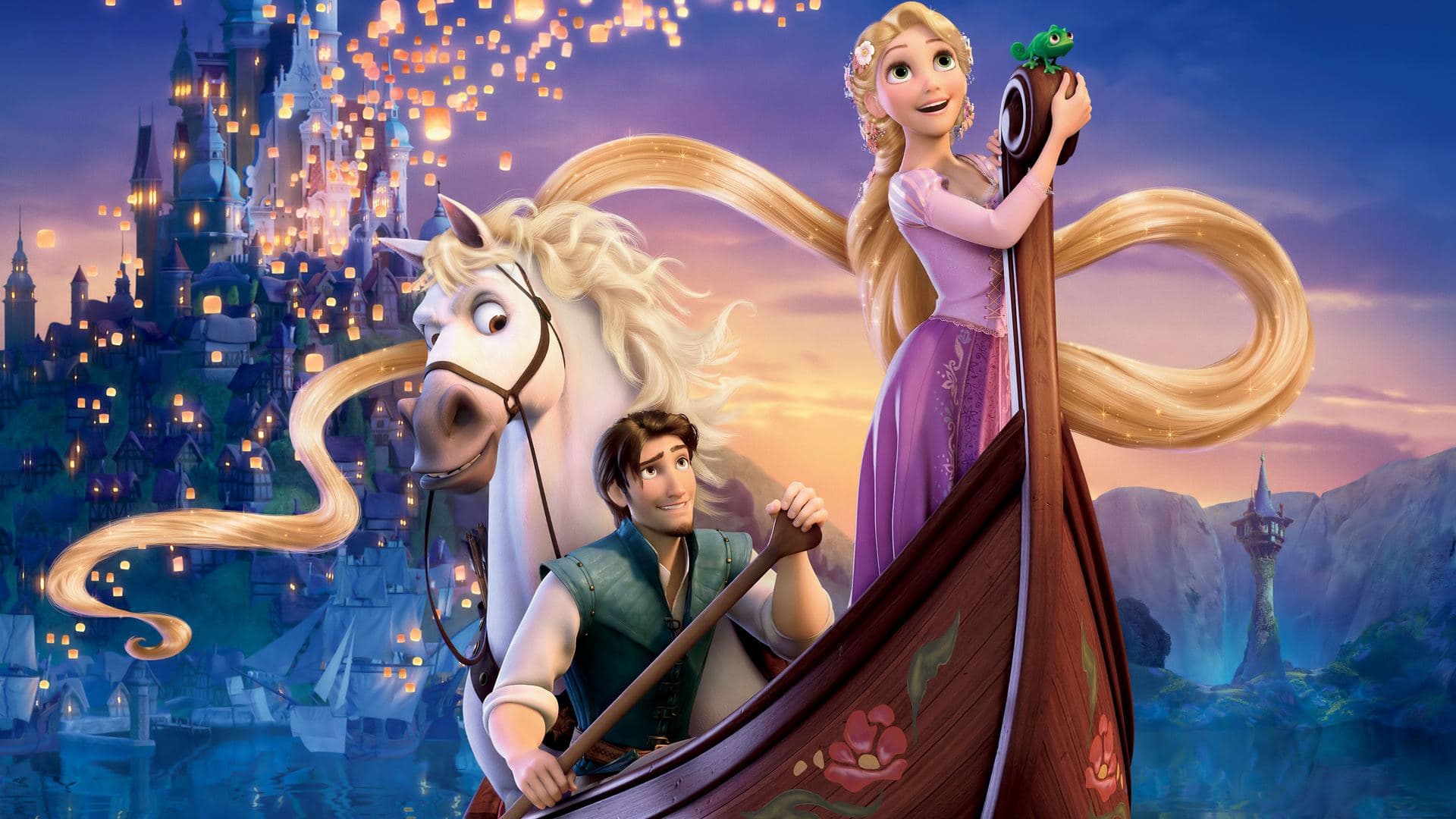
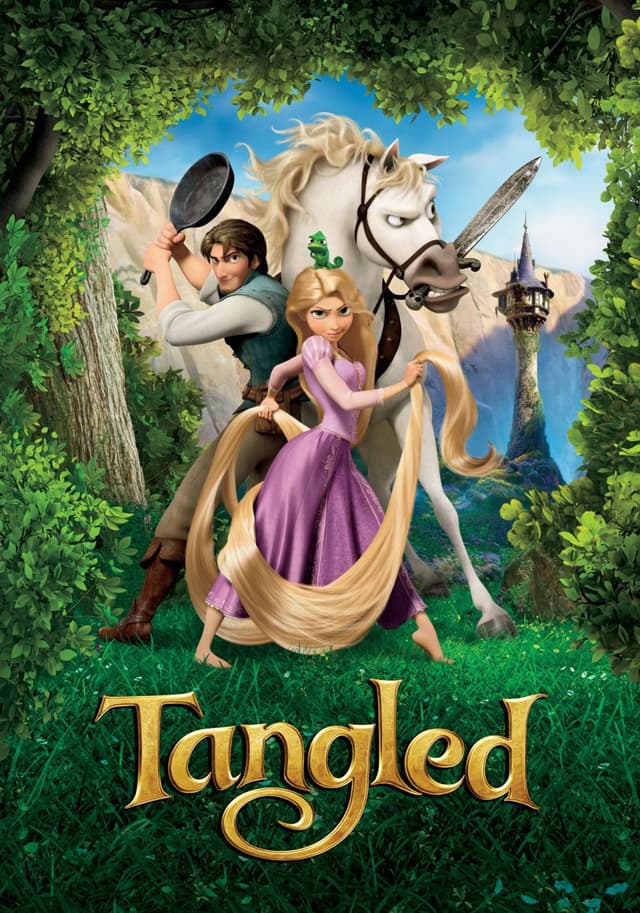
Rapunzel, a spirited princess with 70 feet of magical golden hair, has spent her entire life locked in a hidden tower by Mother Gothel, who uses the hair's healing power to maintain her youth. When the charming thief Flynn Rider stumbles upon the tower while fleeing the palace guard, Rapunzel strikes a deal: she'll return his stolen crown if he escorts her to see the mysterious floating lanterns that appear every year on her birthday. Their journey through the kingdom brings adventure, danger, and the discovery that Rapunzel is the lost princess, leading to a confrontation with Gothel that will determine whether Rapunzel can claim the life that was stolen from her.
What Is the Budget of Tangled?
Tangled (2010), directed by Nathan Greno and Byron Howard and distributed by Walt Disney Studios Motion Pictures, was produced on a budget of $260,000,000. The animated musical retelling of the Brothers Grimm fairy tale "Rapunzel" holds the distinction of being the most expensive animated film ever produced at the time of its release, a figure that reflected over a decade of development, multiple restarts, technological breakthroughs in CG hair simulation, and Disney Animation Studios' determination to prove that computer-animated films could capture the warmth and artistry of classic hand-drawn Disney features.
The $260 million budget accumulated over approximately six years of active production and several additional years of pre-production under different creative teams. The film's journey from initial concept to final release involved directorial changes, title changes (from "Rapunzel" to "Tangled" to broaden its appeal beyond young girls), and the development of proprietary technology to render Rapunzel's 70 feet of magical hair in a way that moved and responded to physics realistically while maintaining a painterly, hand-drawn aesthetic.
Key Budget Allocation Categories
Tangled's $260 million budget was distributed across the following production areas:
- Hair Simulation Technology: Rapunzel's defining feature, 70 feet of magical golden hair, required Disney Animation to develop entirely new software for simulating hair physics. The hair needed to coil, drape, glow, get wet, and respond to character interaction in ways that existing CG technology could not handle. Each frame required computing the behavior of approximately 100,000 individual hair strands, a process that consumed enormous rendering time and engineering resources over several years of development.
- Visual Style Development: Disney Animation invested heavily in creating a visual style that bridged the gap between computer animation and the oil-painting aesthetic of classic Disney films like Sleeping Beauty. Artists studied Rococo painters, particularly Jean-Honore Fragonard's "The Swing," to develop lighting and color approaches that gave the CG imagery a soft, painterly quality. This required custom rendering tools and extensive R&D to achieve the look.
- Extended Development and Directorial Transitions: The project began development in 2002 under the working title "Rapunzel Unbraided," originally conceived as a Shrek-style comedic take on the fairy tale. Glen Keane, the legendary Disney animator behind The Little Mermaid, Beauty and the Beast, and Aladdin, championed the project and served as various creative roles over several years before stepping back due to health concerns. Nathan Greno and Byron Howard took over as directors, refocusing the film as a sincere musical adventure. Each creative restart added costs.
- Voice Cast and Musical Production: Mandy Moore voiced Rapunzel, with Zachary Levi as Flynn Rider and Donna Murphy as Mother Gothel. Alan Menken, Disney's most celebrated composer, wrote the score and collaborated with lyricist Glenn Slater on original songs including "I See the Light" and "When Will My Life Begin." The musical production required vocal recording sessions, orchestral scoring, and integration of musical numbers into the animation pipeline.
- Animation Production: The animation team, numbering in the hundreds, worked at Walt Disney Animation Studios in Burbank, California. Each animated character required extensive rigging, performance animation, and facial work. The film's action sequences, including the dam collapse, the lantern festival, and the climactic tower confrontation, demanded complex effects animation for water, fire, and light that added to per-shot costs.
How Does Tangled's Budget Compare to Similar Films?
At $260,000,000, Tangled was the most expensive animated film ever produced at the time. Comparing it with other major animated features:
- Frozen (2013): Budget $150,000,000 | Worldwide $1,280,800,000. Disney's next fairy-tale musical cost 42% less and earned more than double at the box office, becoming a cultural phenomenon. Frozen benefited from lessons learned during Tangled's production and the existing technological infrastructure that Tangled had pioneered.
- Toy Story 3 (2010): Budget $200,000,000 | Worldwide $1,066,970,000. Pixar's 2010 blockbuster cost 23% less and earned 80% more, demonstrating the commercial advantage of a sequel with built-in audiences versus Tangled's challenge of establishing a new franchise.
- Cars 2 (2011): Budget $200,000,000 | Worldwide $559,900,000. Pixar's widely criticized sequel cost less and earned slightly less than Tangled at the box office, illustrating that high budgets for animated films do not guarantee proportional returns.
- How to Train Your Dragon (2010): Budget $165,000,000 | Worldwide $494,900,000. DreamWorks' critically acclaimed adventure cost 37% less than Tangled and earned a comparable though slightly lower worldwide total, suggesting that the same quality could be achieved at a more disciplined budget.
- The Princess and the Frog (2009): Budget $105,000,000 | Worldwide $270,300,000. Disney's previous fairy tale, animated in traditional hand-drawn style, cost 60% less but underperformed relative to expectations, partly motivating Disney's shift toward CG animation and the "Tangled" retitling to broaden appeal.
Tangled Box Office Performance
Tangled opened in the United States on November 24, 2010, during the Thanksgiving holiday corridor, debuting to $48.8 million in its first five days (Wednesday through Sunday). The Thanksgiving positioning provided a strong platform, and the film demonstrated excellent legs through the holiday season, benefiting from positive word of mouth and family-friendly appeal during a period when animated films traditionally perform well.
Box Office Breakdown
Tangled

At approximately +128%, Tangled returned roughly $2.28 for every $1 of production budget invested during its theatrical run.
The $592.5 million worldwide gross allowed Tangled to reach profitability, though the margins were thinner than Disney would have preferred given the investment. When factoring in home video, merchandise, theme park integration, and subsequent television spin-offs (including the animated series Tangled: The Series), the property became comfortably profitable over time. The film's success was significant for Disney Animation's identity, proving the studio could produce hit CG-animated musicals that stood alongside Pixar's output and setting the creative and technical template for Frozen, Moana, and subsequent Disney Animation hits.
Tangled Production History
Development on a Rapunzel adaptation began at Disney Animation in the early 2000s, with Glen Keane, one of Disney's most revered animators (responsible for defining characters like Ariel, Beast, and Aladdin), championing the project. Keane envisioned the film as a CG-animated feature that would capture the warmth and expressiveness of hand-drawn animation, using Rapunzel's hair as both a narrative device and a technical showcase.
The project went through multiple iterations between 2002 and 2008. An early version titled "Rapunzel Unbraided" took a more satirical, Shrek-influenced approach before being scrapped. Keane worked on the film in various capacities (including as animation supervisor and executive producer) before stepping back from the director role in 2008 due to health issues. Nathan Greno and Byron Howard, who had co-directed Bolt (2008), were brought on as directors, and Dan Fogelman wrote the screenplay that refocused the story as a sincere romantic adventure.
The film's title was changed from "Rapunzel" to "Tangled" in 2010, a marketing decision widely reported to have been motivated by Disney's desire to broaden the audience beyond young girls following The Princess and the Frog's disappointing box office. The retitling and marketing that emphasized Flynn Rider's comedic role alongside Rapunzel drew criticism from some quarters but was credited with helping the film reach a wider audience.
Production took place at Walt Disney Animation Studios in Burbank, California, with a team of several hundred artists and technicians. The hair simulation technology, which required computing the physics of 100,000 individual strands per frame, was developed over years and represented a genuine technical breakthrough that influenced subsequent productions. The lantern festival sequence, in which thousands of floating lanterns fill the sky, became the film's signature visual set piece and one of the most celebrated sequences in modern Disney animation.
Awards and Recognition
Tangled received an Academy Award nomination for Best Original Song for "I See the Light" by Alan Menken and Glenn Slater, losing to "We Belong Together" from Toy Story 3. The song, performed by Mandy Moore and Zachary Levi during the film's lantern festival sequence, became the most iconic musical moment from the film and a staple of the Disney songbook.
The film earned additional nominations from the Annie Awards, the Broadcast Film Critics Association, and the Satellite Awards. The hair simulation technology developed for the film received recognition from the Visual Effects Society and contributed to advances in CG character animation across the industry. Tangled's cultural impact grew significantly over time, with the lantern scene becoming one of the most referenced and parodied sequences in Disney's modern canon.
Critical Reception
Tangled earned an 89% approval rating on Rotten Tomatoes based on 253 reviews, with a consensus praising the film as a "worthy addition to the Disney canon" with a clever story, engaging characters, and beautiful animation. On Metacritic, the film scored 71 out of 100, indicating "generally favorable reviews."
Critics praised the chemistry between Rapunzel and Flynn Rider, the humor of the script (particularly Flynn's self-aware narration), Donna Murphy's scene-stealing vocal performance as Mother Gothel, and the visual splendor of sequences like the lantern festival. Alan Menken's score and songs drew comparisons to the Disney Renaissance era, with "I See the Light" and "Mother Knows Best" singled out as standouts.
Some critics noted that Tangled played it safer narratively compared to Pixar's more inventive storytelling, and the $260 million price tag drew scrutiny given that comparable animated films achieved similar quality at lower budgets. However, the consensus acknowledged that Tangled successfully revitalized Disney Animation's fairy-tale musical tradition and positioned the studio for the even greater success of Frozen three years later. The film's legacy has only grown, with many animation fans and critics now regarding it as one of the strongest entries in Disney's modern era.
Frequently Asked Questions
How much did it cost to make Tangled?
The production budget was $260,000,000, making it the most expensive animated film ever produced at the time. The cost accumulated over approximately six years of active production, multiple creative restarts, directorial changes, and the development of proprietary hair simulation technology for Rapunzel's 70 feet of magical hair.
How much did Tangled earn at the box office?
The film grossed $200,800,000 domestically and $391,700,000 internationally, totaling $592,500,000 worldwide. It opened over the Thanksgiving holiday corridor with $48.8 million in its first five days and demonstrated strong legs through the holiday season.
Was Tangled profitable?
Yes, though margins were thinner than Disney preferred given the $260 million investment. The film's $592.5 million worldwide gross reached the break-even threshold of approximately $520 million to $600 million. When factoring in home video, merchandise, theme park integration, and the Tangled: The Series television spin-off, the property became comfortably profitable.
Why was Tangled so expensive?
The cost accumulated from multiple factors: over a decade of development with several creative restarts, development of proprietary software to simulate 100,000 individual hair strands per frame, extensive R&D to create a visual style bridging CG and hand-drawn aesthetics, and the complexity of producing a musical animated feature of this scale at Disney Animation Studios.
Why was the title changed from Rapunzel to Tangled?
Disney changed the title from "Rapunzel" to "Tangled" in 2010 to broaden the film's audience appeal beyond young girls, following The Princess and the Frog's disappointing box office. The retitling and marketing that emphasized Flynn Rider's comedic role alongside Rapunzel helped the film reach a wider demographic.
Who directed Tangled?
Nathan Greno and Byron Howard co-directed the film. They took over from Glen Keane, the legendary Disney animator who had championed the project for years before stepping back due to health concerns. Greno and Howard had previously co-directed Bolt (2008) for Disney.
Who composed the music for Tangled?
Alan Menken composed the score and co-wrote the songs with lyricist Glenn Slater. Menken, Disney's most celebrated composer (The Little Mermaid, Beauty and the Beast, Aladdin), brought his signature musical theater approach. "I See the Light" received an Academy Award nomination for Best Original Song.
What technology was developed for Tangled?
Disney Animation developed proprietary hair simulation software to render Rapunzel's 70 feet of magical hair. The technology computed the physics of approximately 100,000 individual strands per frame, allowing the hair to coil, drape, glow, and respond realistically to character interaction. This breakthrough influenced subsequent CG productions across the industry.
How does Tangled compare to Frozen?
Tangled cost $260 million and earned $592.5 million worldwide, while Frozen (2013) cost $150 million and earned $1.28 billion. Frozen built on the technological and creative infrastructure that Tangled had pioneered, achieving greater commercial success at 42% less budget. Both are considered pillars of Disney Animation's modern era.
Did Tangled get any sequels?
Tangled received a short film sequel, Tangled Ever After (2012), which played in theaters before Beauty and the Beast 3D. Disney also produced the animated television series Tangled: The Series (later retitled Rapunzel's Tangled Adventure), which ran for three seasons from 2017 to 2020, significantly expanding the franchise's universe and profitability.
Filmmakers
Tangled

Official Trailer
Build budgets like this one in Saturation
Start from an industry-standard feature film template, import the schedule and rates you already have, and let the cost report keep itself current as you spend. Real-time collaboration, no spreadsheets.