Swing Girls Budget
Updated
Synopsis
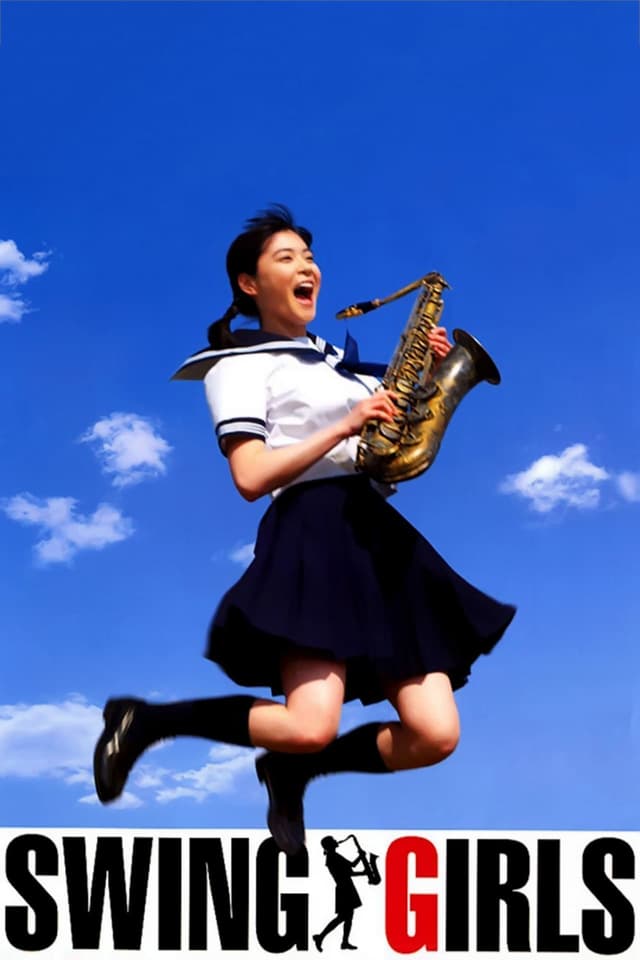
A group of slacker high school girls cuts a remedial summer math class and accidentally poisons the school brass band with bad bento lunches. Forced to replace the band at an upcoming baseball-stadium performance, they form a ragtag big-band swing ensemble and discover, against every personal inclination, that they love it.
What Is the Budget of Swing Girls (2004)?
The production budget of Swing Girls has never been publicly disclosed by Toho or the production committee. Industry estimates place the total cost in the $2,000,000 to $4,000,000 range, consistent with Shinobu Yaguchi's prior Toho features and the typical Japanese mid-budget studio comedy budget of the era.
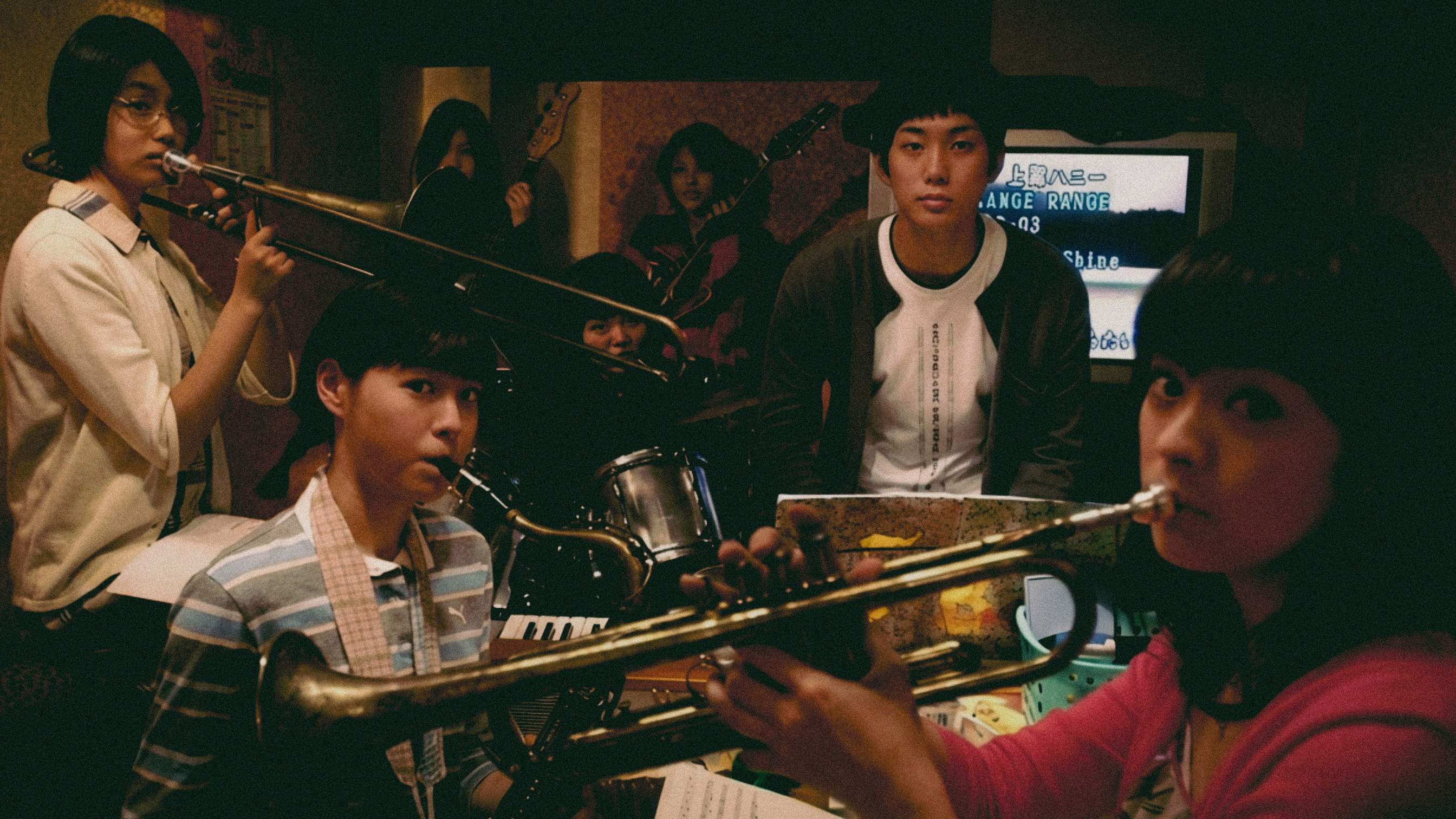
Director Shinobu Yaguchi shot the picture across Yamagata Prefecture in northern Japan in 2003, working with a young ensemble cast led by Juri Ueno in her feature debut. The production worked closely with professional jazz arrangers and brass tutors to enable the young cast to perform the on-camera music live.
Key Budget Allocation Categories
- Cast Compensation: Modest salaries for the young ensemble including Juri Ueno, Yuta Hiraoka, Shihori Kanjiya, and Yuika Motokariya, most of whom were early-career or feature debutants.
- Music Training and Rehearsal: Three months of professional brass tutoring and jazz arrangement work to enable the young cast to perform the music live on camera.
- Production Design: Construction of the school exteriors and interiors, plus the baseball-stadium and Tohoku-region performance venues central to the picture's narrative beats.
- Cinematography: Takahide Shibanushi's photography across the Yamagata region, including snowy winter exteriors and the climactic baseball-stadium concert sequence.
- Music and Score: Mickie Yoshino's big-band jazz arrangements and original score, recorded with a session band that doubled the young cast's on-camera playing.
- Marketing and Distribution: Toho's wide Japanese theatrical campaign tied to the September 2004 release, including coordinated soundtrack and music-tie-in promotion.
How Does Swing Girls's Budget Compare to Similar Films?
- Waterboys (2001): Budget undisclosed | Japan gross $13,300,000. Shinobu Yaguchi's breakout musical-sports comedy at a similar budget with comparable Japanese theatrical returns.
- Linda Linda Linda (2005): Budget undisclosed | Japan limited. A directly comparable Japanese teen-band coming-of-age picture released the following year at a similar budget.
- School of Rock (2003): Budget $35,000,000 | Worldwide $131,282,949. A comparable music-comedy at fifteen times the budget with vastly stronger global returns.
- Whisper of the Heart (1995): Budget undisclosed | Japan limited. A comparable Japanese coming-of-age musical drama from Studio Ghibli at a similarly opaque budget framework.
Swing Girls Box Office Performance
Swing Girls opened in Japan on September 11, 2004 and became one of the breakout Japanese theatrical hits of the year. The picture's soundtrack album also performed strongly on the Japanese Oricon charts.
Box Office Breakdown
Swing Girls

For every $1 invested, Toho and the production committee recouped roughly $2 after theatrical exhibitor splits, marking the picture as one of the most profitable Japanese mid-budget comedies of the year.
Japanese domestic accounted for the overwhelming majority of the worldwide total. International festival circulation through 2005 brought the picture to North American and European audiences but limited theatrical release. The soundtrack album and music tie-ins generated material additional ancillary revenue.
Swing Girls Production History
Swing Girls was developed by Shinobu Yaguchi as a follow-up to his 2001 breakout Waterboys, which had transformed the formerly niche Japanese male synchronized-swimming culture into a national phenomenon. Yaguchi sought to apply the same coming-of-age-through-unlikely-art structure to big-band swing music.
Casting prioritized young actors with limited prior screen experience. Juri Ueno was selected as the lead in her feature debut following an extensive audition process. The young ensemble underwent three months of intensive brass tutoring and jazz rehearsal under professional musicians, enabling the on-camera performances to be live rather than mimed.
Principal photography took place across Yamagata Prefecture in northern Japan in late 2003 and early 2004. The Tohoku region's snowy winter landscapes provided the picture's distinctive visual register. Yaguchi released the film through Toho in September 2004.
Awards and Recognition
Swing Girls won the Japanese Academy Award for Most Popular Film in 2005. Juri Ueno won the Best New Talent Award. The picture won Best New Director recognition for Shinobu Yaguchi at the Mainichi Film Concours and at the Blue Ribbon Awards. The soundtrack album certified Gold in Japan. The picture remains a fixture of Japanese cinema retrospectives and a recurring reference point in academic writing on 2000s Japanese mainstream cinema.
Critical Reception
Swing Girls holds an 80 percent rating on Rotten Tomatoes from a small pool of critics' reviews and is broadly regarded as one of the strongest Japanese feel-good comedies of the 2000s. Mark Schilling of The Japan Times praised the picture's authentic on-camera music performances and the young cast's commitment. Variety's Derek Elley called the picture "an exuberant crowd-pleaser." The Hollywood Reporter's coverage of the picture's 2005 international festival tour noted the strength of the live-music performances. The picture has accumulated significant cult standing in international Asian-cinema repertory circles.
Frequently Asked Questions
What is the budget of Swing Girls (2004)?
The production budget of Swing Girls has never been publicly disclosed by Toho. Industry estimates place the total cost in the $2 million to $4 million range, consistent with Shinobu Yaguchi's prior Toho features and typical Japanese mid-budget studio comedy economics of the era.
How much did Swing Girls gross?
Swing Girls grossed approximately $18,758,613 worldwide, with the overwhelming majority earned in Japan during the September 2004 theatrical release.
Was Swing Girls profitable?
Yes. Against an estimated $4 million to $6 million in combined production and marketing spend and $18.8 million in worldwide ticket sales, the picture posted a strong theatrical profit, making it one of the most profitable Japanese mid-budget comedies of 2004.
Who directed Swing Girls?
Shinobu Yaguchi directed Swing Girls. Yaguchi had previously made the breakout Waterboys (2001), a similar coming-of-age-through-unlikely-art comedy about high school synchronized swimming.
Did the cast actually play the music?
Yes. The young ensemble cast underwent three months of intensive brass tutoring and jazz rehearsal under professional musicians, enabling them to perform the on-camera music live rather than mime to a studio playback.
Who stars in Swing Girls?
Juri Ueno stars in her feature film debut as the band's saxophonist Tomoko, alongside Yuta Hiraoka, Shihori Kanjiya, Yuika Motokariya, and Naoto Takenaka.
Where was Swing Girls filmed?
Principal photography took place across Yamagata Prefecture in northern Japan in late 2003 and early 2004, taking advantage of the Tohoku region's snowy winter landscapes.
Did Swing Girls win any awards?
Yes. The picture won the Japanese Academy Award for Most Popular Film in 2005. Juri Ueno won Best New Talent, and Shinobu Yaguchi won Best New Director honors at multiple Japanese awards including the Mainichi Film Concours and the Blue Ribbon Awards.
How long is Swing Girls?
Swing Girls runs 105 minutes.
Is there a Swing Girls soundtrack album?
Yes. The Swing Girls soundtrack album was certified Gold in Japan and performed strongly on the Oricon charts following the picture's release.
Filmmakers
Swing Girls

Official Trailer
Build budgets like this one in Saturation
Start from an industry-standard feature film template, import the schedule and rates you already have, and let the cost report keep itself current as you spend. Real-time collaboration, no spreadsheets.