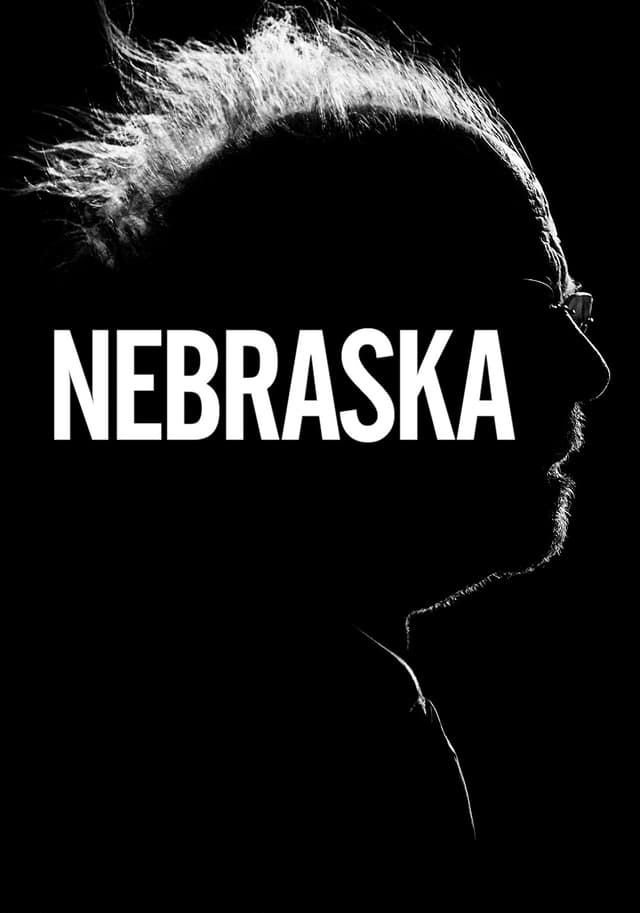
Nebraska Budget
 DramaAdventure1h 55m
Updated
Synopsis
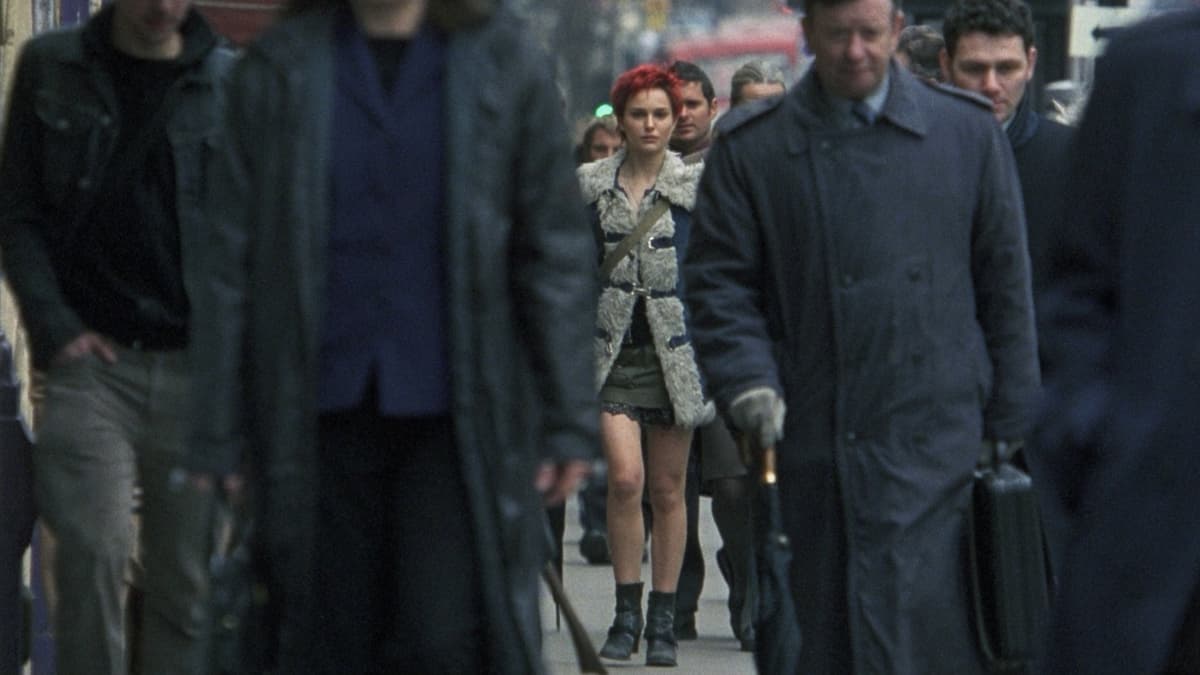
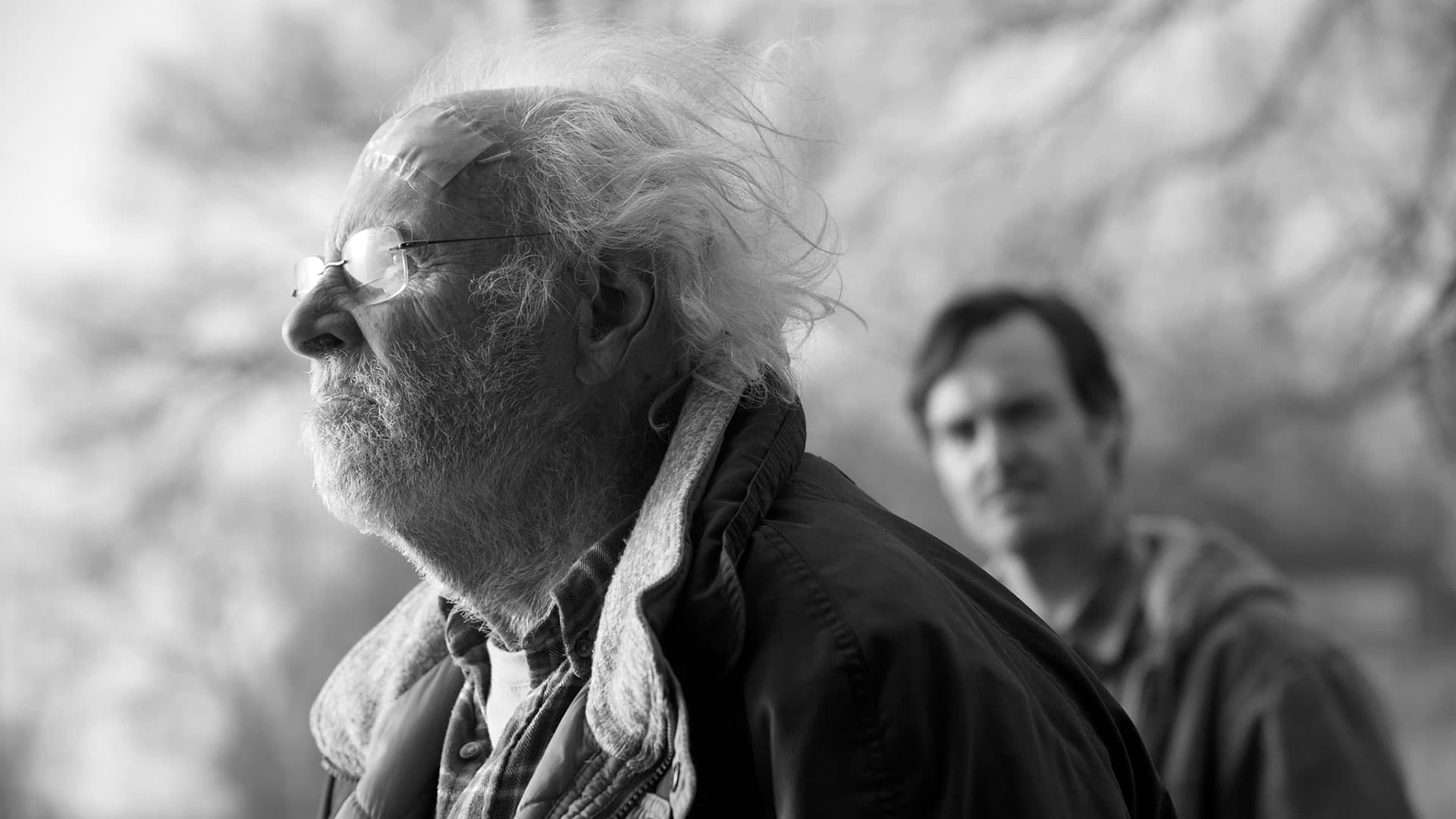
An aging, booze-addled father takes a trip from Montana to Nebraska with his estranged son in order to claim what he believes to be a million-dollar sweepstakes prize.
What is the budget of Nebraska?
"Nebraska," a drama released in 2013, was directed by Alexander Payne and stars Bruce Dern, Will Forte. The production budget was $12,000,000, placing it in the low-budget range for drama productions of its era.
Key Budget Allocation Categories
While specific budget breakdowns are not publicly available, typical cost drivers for a drama production like this include:
- Above-the-Line Talent: Drama films live or die on the strength of their performances.
- Location Filming & Period Production Design: Authentic locations , whether contemporary or historical , require scouting, permits, travel, lodging, and often significant dressing to match the story's time period.
- Post-Production, Color Grading & Score: The editorial process for dramas is typically longer than genre films, with careful attention to pacing and tone.
- Casting: After first reading the script, Payne thought of Bruce Dern for the role of Woody Grant.
What were the major cost factors in Nebraska?
Several factors contributed to the overall production costs of "Nebraska."
- Above-the-Line Talent: Above-the-Line Talent is one of the primary cost drivers in drama productions of this scale.
- Location Filming: Location Filming & Period Production Design is one of the primary cost drivers in drama productions of this scale.
- Post-Production: Post-Production, Color Grading & Score is one of the primary cost drivers in drama productions of this scale.
How Does Nebraska's Budget Compare to Similar Films?
At $12,000,000, Nebraska sits in the low-budget range. Here is how it compares to productions with a similar budget:
- Goon (2012): Budget $12,000,000, Worldwide Gross $6,985,158
- Jobs (2013): Budget $12,000,000, Worldwide Gross $42,100,000
- All That Jazz (1979): Budget $12,000,000, Worldwide Gross $37,823,676
- 2001: A Space Odyssey (1968): Budget $12,000,000 , Gross $71,923,560
- Wolfwalkers (2020): Budget $12,000,000, Worldwide Gross $1,310,720
The median budget for wide-release drama films in the 2010s ranges from $30 to 80M for mid-budget to $150M+ for tentpoles.
Nebraska Box Office Performance
"Nebraska" earned $17,654,912 domestically and $27,700,000 worldwide at the box office. Against a production budget of $12,000,000, the film showed modest profitability in theatrical release.
A film typically needs to earn approximately twice its production budget to cover marketing and distribution costs. For "Nebraska," that break-even threshold was roughly $24,000,000. With worldwide earnings of $27,700,000, the film cleared that threshold comfortably.
Box Office Breakdown
Nebraska

At 130.8%, "Nebraska" earned roughly $2.31 for every $1 invested in production.
Nebraska Production History
After first reading the script, Payne thought of Bruce Dern for the role of Woody Grant. As casting for the film began, Payne met with over fifty actors. Because Paramount demanded a big star, Gene Hackman, Robert De Niro, Robert Duvall, Jack Nicholson and Robert Forster were initially short listed for the role.
The film was shot with Arri Alexa digital cameras and Panavision C-Series anamorphic lenses. The film's lighting was designed to accommodate black and white screening, and was converted from color to black and white in post-production According to cinematographer Phedon Papamichael, the choice was to use "the poetic power of the black and white in combination with these landscapes and of course the landscapes are playing a huge role in this story". Despite this, the network Epix announced in August 2014 that it would show the color version as a "limited time showing".
The film score to Nebraska was composed by Tin Hat member Mark Orton. The score also includes performances by other members of Tin Hat, marking the first time the three original members had reunited since 2005. A soundtrack album was released by Milan Records on November 19, 2013.
Awards and Recognition
- National Board of Review: Top Ten Films
Critical Reception
On review aggregator website Rotten Tomatoes the film holds an approval rating of 90% based on 252 reviews, with an average rating of 8.00/10. The site's critical consensus reads, "Elegant in its simplicity and poetic in its message, Nebraska adds another stirringly resonant chapter to Alexander Payne's remarkable filmography." On Metacritic, film has a weighted average score of 86 out of 100, based on 46 critics, indicating "universal acclaim".
Frequently Asked Questions
How much did it cost to make Nebraska (2013)?
The production budget was $12,000,000, covering principal photography, cast and crew salaries, locations, sets, post-production, and music. Marketing and distribution (P&A) costs are estimated at an additional $6,000,000 - $9,600,000, bringing the total studio investment to approximately $18,000,000 - $21,600,000.
How much did Nebraska (2013) earn at the box office?
Nebraska grossed $17,654,912 domestic, $10,045,088 international, totaling $27,700,000 worldwide.
Was Nebraska (2013) profitable?
The film did not break even theatrically, earning $27,700,000 against an estimated $30,000,000 needed. Ancillary revenue may have improved the picture.
What were the biggest costs in producing Nebraska?
The primary cost drivers were above-the-line talent (Bruce Dern, Will Forte, June Squibb); talent compensation, authentic period production design, and meticulous post-production.
How does Nebraska's budget compare to similar drama films?
At $12,000,000, Nebraska is classified as a low-budget production. The median budget for wide-release drama films in the 2010s ranges from $30 - 80M for mid-budget to $150M+ for tentpoles. Comparable budgets: Goon (2012, $12,000,000); Jobs (2013, $12,000,000); All That Jazz (1979, $12,000,000).
Did Nebraska (2013) go over budget?
There are no widely reported accounts of significant budget overruns for this production. However, studios rarely disclose precise budget overrun figures publicly. The reported production budget reflects the final estimated cost.
What was the return on investment (ROI) for Nebraska?
The theatrical ROI was 130.8%, calculated as ($27,700,000 − $12,000,000) ÷ $12,000,000 × 100. This measures gross revenue against production budget only - it does not account for P&A or exhibitor shares.
Who directed Nebraska and who were the key crew members?
Directed by Alexander Payne, written by Bob Nelson, shot by Phedon Papamichael, with music by Mark Orton, edited by Kevin Tent.
Where was Nebraska filmed?
Nebraska was filmed in United States of America. The film was shot with Arri Alexa digital cameras and Panavision C-Series anamorphic lenses. The film's lighting was designed to accommodate black and white screening, and was converted from color to black and white in post-production According to cinematographer Phedon Papamichael, the choice was to use "the poetic power of the black and white in combination with these landscapes and of course the landscapes are playing a huge role in this story".
Filmmakers
Nebraska

Official Trailer
Build budgets like this one in Saturation
Start from an industry-standard feature film template, import the schedule and rates you already have, and let the cost report keep itself current as you spend. Real-time collaboration, no spreadsheets.