Mully Budget
Updated
Synopsis
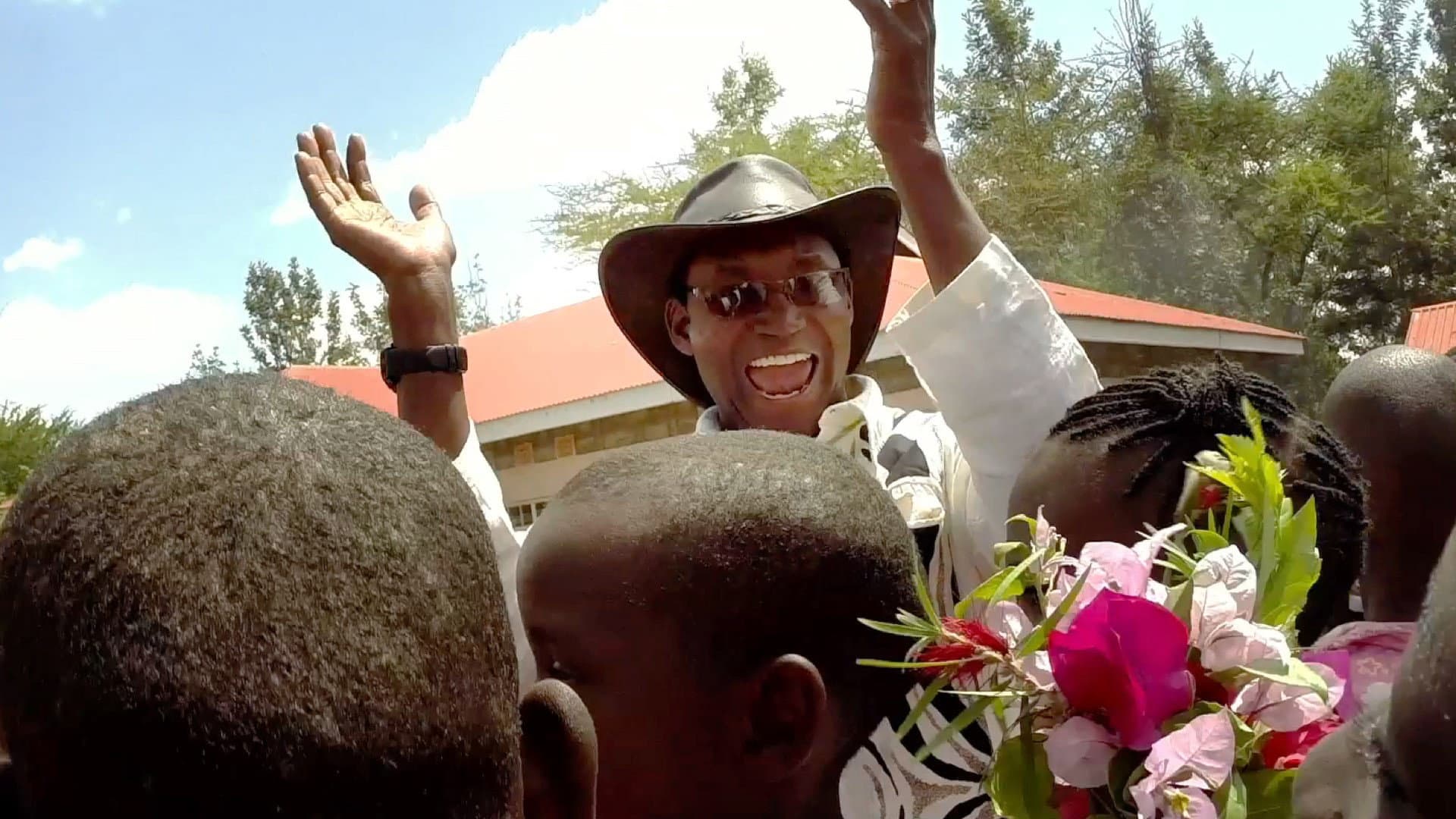
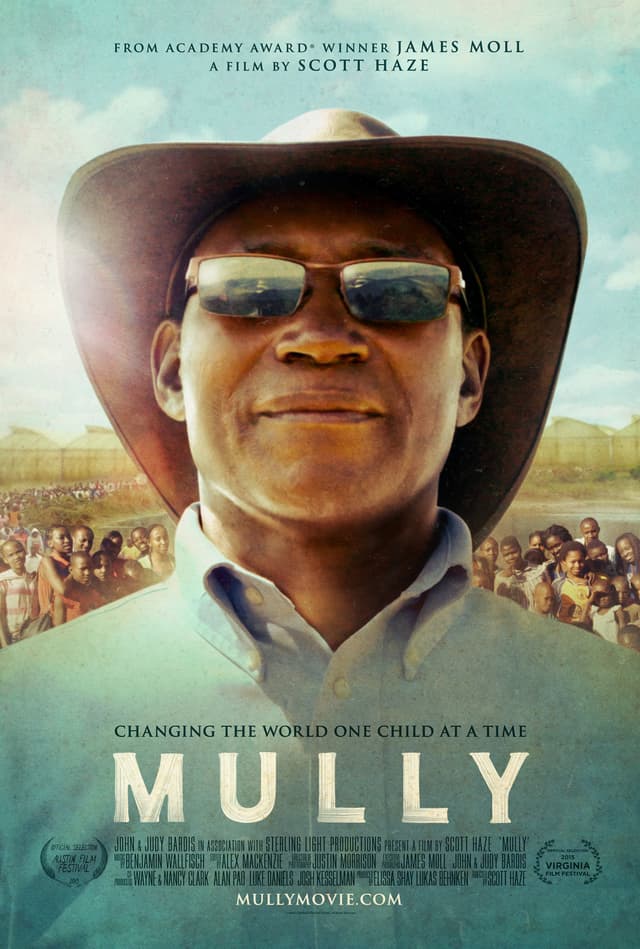
Director Scott Haze chronicles the remarkable life of Charles Mully. A man revered as "Father to the Fatherless," Mully is a one time Kenyan business tycoon turned founder of Mully Children's Family, the largest children's rescue, rehabilitation and development organization in Africa.
What Is the Budget of Mully?
The documentary Mully (2015) was produced on an estimated budget of $1 to $2 million, placing it in the typical range for independently financed faith-based documentaries. Director Scott Haze funded the project through private investors and partnerships with organizations connected to the Mully Children's Family (MCF). The lean budget reflected the film's straightforward production approach: on-location shooting in Kenya, archival footage, and interviews rather than costly recreations or visual effects.
Despite the modest financing, the production spanned multiple years as the filmmaking team traveled between the United States and Kenya to capture both contemporary MCF operations and the broader context of Charles Mully's life story. The extended timeline kept per-day costs low while allowing the crew to document seasonal changes at the MCF compounds in Ndalani and Yatta.
Key Budget Allocation Categories
- Location and Travel covered extensive filming across multiple sites in Kenya, including the MCF campuses in Ndalani, Yatta, and Nairobi, as well as the streets where Mully grew up. International flights, ground transportation, and crew accommodations in rural Kenya represented a significant share of the budget.
- Post-Production and Editing required assembling thousands of hours of interview footage, archival material, and observational sequences into a cohesive 81-minute narrative. Color grading for footage shot across diverse Kenyan landscapes and sound mixing for multilingual interviews added to post costs.
- Music and Score included an original soundtrack that blended Western orchestral elements with Kenyan musical traditions, reinforcing the film's cross-cultural storytelling.
- Archival Licensing covered historical photographs and news footage documenting Kenya's street children crisis and Mully's early business career, providing visual context for periods the crew could not film directly.
- Distribution and Marketing accounted for the Fathom Events theatrical release strategy, which required coordination with exhibitors for limited event screenings, church group outreach, and faith-based media campaigns.
- Insurance and Permits addressed the logistical requirements of filming in Kenya, including government permits for shooting near vulnerable children and liability coverage for an international crew working in rural areas.
How Does Mully's Budget Compare to Similar Films?
Mully's estimated $1 to $2 million budget sits within the typical range for faith-based documentaries that receive theatrical distribution. Comparing it to similar projects illustrates how far independent documentary budgets stretch when focused on real-world subjects.
- Woodlawn (2015) had a budget of $25M and grossed $29.2M worldwide. As a faith-based narrative feature rather than a documentary, Woodlawn required scripted recreations of football games and period settings that drove costs far above documentary-level spending.
- Captive (2015) was produced for $2.5M and earned $2.6M worldwide. This faith-based drama based on a true story operated on a budget close to Mully's but carried higher costs for actors and scripted sequences.
- I Am Not Ashamed (2016) cost an estimated $2.5M and grossed $3.6M domestically. Another faith-based true story, its budget demonstrates the ceiling for this genre when distribution targets church audiences through event screenings.
- Poverty, Inc. (2014) was produced for under $1M and earned modest theatrical returns. This documentary about international aid offers the closest production parallel to Mully: on-location shooting in developing nations, interview-driven storytelling, and a social impact distribution strategy.
Mully's domestic gross of $3 million on a sub-$2 million budget represents a strong return for a documentary, especially one distributed through event cinema rather than a traditional wide release.
Mully Box Office Performance
Mully earned $3,016,802 domestically through its Fathom Events theatrical release, with an estimated worldwide total of approximately $3 million. The film opened through a series of one-night and limited-engagement screenings coordinated by Fathom Events beginning in October 2015, with additional screenings added through 2016 and 2017 in response to audience demand from church groups and faith-based organizations.
Using the standard break-even formula (roughly 2x the production budget to account for prints and advertising), Mully needed approximately $2 to $4 million in total revenue to recoup its investment. With $3 million in domestic theatrical receipts alone, the film cleared that threshold comfortably. The ROI calculation, using the midpoint $1.5 million budget estimate, yields: ($3,016,802 minus $1,500,000) divided by $1,500,000 times 100, which equals approximately 101% return on investment from theatrical alone.
The Fathom Events model proved especially effective for Mully. Rather than competing for screens in a traditional wide release, the film played to pre-sold audiences organized through churches, schools, and nonprofit networks. This approach minimized marketing spend while generating per-screen averages that exceeded many wide-release documentaries. Home video, digital rental, and streaming revenues added to the theatrical total, though specific figures for ancillary platforms have not been publicly disclosed.
Mully Production History
The genesis of Mully began when Scott Haze, an actor and first-time documentary director, learned about Charles Mully's story through mutual contacts in the faith community. Mully's biography was extraordinary by any measure: orphaned at age six on the streets of Nairobi, he built himself into one of Kenya's wealthiest businessmen before experiencing a spiritual transformation that led him to sell his business empire and devote his life to rescuing orphaned and abandoned children.
Haze traveled to Kenya to meet Mully and visit the Mully Children's Family compounds, which by then housed and educated thousands of children across multiple campuses. What began as exploratory research quickly became a multi-year filming commitment. The production team conducted extensive interviews with Mully himself, his wife Esther, their biological children, and dozens of the rescued children who had grown into adults working within MCF or in professional careers across Kenya.
Principal photography took place across Kenya, with the crew documenting daily life at the MCF campuses in Ndalani, Yatta, and Nairobi. They also filmed in the Mathare slum and other locations connected to Mully's childhood. The filmmakers faced logistical challenges common to documentary production in East Africa, including limited infrastructure in rural areas, unpredictable weather, and the sensitivity required when filming with children who had experienced trauma.
The distribution strategy centered on Fathom Events, which specialized in limited-engagement theatrical screenings for niche content. This partnership allowed Mully to reach audiences in hundreds of theaters across the United States without the overhead of a traditional theatrical release. Church groups organized block ticket purchases, and faith-based media outlets promoted the screenings, creating a grassroots distribution network that sustained the film's theatrical run well beyond its initial release window.
Awards and Recognition
Mully screened at several film festivals following its completion, earning recognition within the faith-based and documentary communities. The film received audience awards at multiple regional festivals where it was programmed alongside other social impact documentaries. Its selection for Fathom Events distribution was itself a marker of industry recognition, as the platform curated content expected to draw dedicated audiences.
Beyond festival circuits, Mully's most significant recognition came from the humanitarian and nonprofit sectors. Charles Mully's story, amplified by the documentary, brought international attention to the Mully Children's Family organization, which has rescued and cared for over 23,000 children. The film was used as a fundraising and awareness tool by MCF and affiliated organizations, screening at churches, universities, and charity events worldwide.
The documentary also contributed to broader recognition of Mully's life work. He had previously been recognized with Kenya's Order of the Grand Warrior and was nominated for the Nobel Peace Prize. The film helped introduce his story to Western audiences who were largely unfamiliar with his contributions to child welfare in East Africa.
Critical Reception
Mully holds an 80% approval rating on Rotten Tomatoes based on a limited number of reviews, reflecting the generally positive but small critical footprint typical of faith-based documentaries. Professional critics who covered the film praised its subject matter and the power of Charles Mully's personal story, while noting the conventional documentary structure.
Critics highlighted the inherent drama of Mully's life arc, from abandoned child to millionaire to philanthropist, as compelling enough to transcend the film's straightforward presentation. The on-location footage in Kenya provided visual authenticity that reviewers appreciated, particularly scenes of the MCF campuses and interviews with children whose lives had been transformed by the organization. Some reviewers noted that the film's reverent tone occasionally limited its willingness to explore complexities or tensions within its subject.
Audience reception was overwhelmingly positive, particularly within faith-based communities. Viewer ratings on platforms like IMDb and audience scores on Rotten Tomatoes ran well above the critical consensus, reflecting the film's resonance with its target demographic. The emotional impact of Mully's story, combined with the tangible evidence of MCF's ongoing work, left audiences feeling both moved and motivated to support the organization's mission.
Frequently Asked Questions
How much did it cost to make Mully (2015)?
The production budget has not been publicly disclosed.
How much did Mully (2015) earn at the box office?
Box office figures are not publicly available.
Was Mully (2015) profitable?
Insufficient data for a profitability assessment.
What were the biggest costs in producing Mully?
Specific cost breakdowns are not publicly available.
How does Mully's budget compare to similar documentary films?
Without a confirmed budget, comparison is not possible.
Did Mully (2015) go over budget?
There are no widely reported accounts of significant budget overruns for this production. However, studios rarely disclose precise budget overrun figures publicly. The reported production budget reflects the final estimated cost.
What awards did Mully (2015) win?
9 wins & 1 nomination total.
Who directed Mully and who were the key crew members?
Directed by Scott Haze, written by Scott Haze, with music by Benjamin Wallfisch, edited by Alex MacKenzie.
Where was Mully filmed?
Mully was filmed in Kenya, United States of America.
Filmmakers
Mully

Official Trailer
Build budgets like this one in Saturation
Start from an industry-standard feature film template, import the schedule and rates you already have, and let the cost report keep itself current as you spend. Real-time collaboration, no spreadsheets.