Missing Budget
Updated
Synopsis
Jess Mastriani is a young Indiana woman who develops the ability to see visions of missing people after being struck by lightning. She joins the FBI as a special consultant and partners with veteran agents to use her psychic visions to locate kidnapping victims and missing persons across the United States, while keeping her ability hidden from those who would exploit it.
What Is the Budget of Missing (2003)?
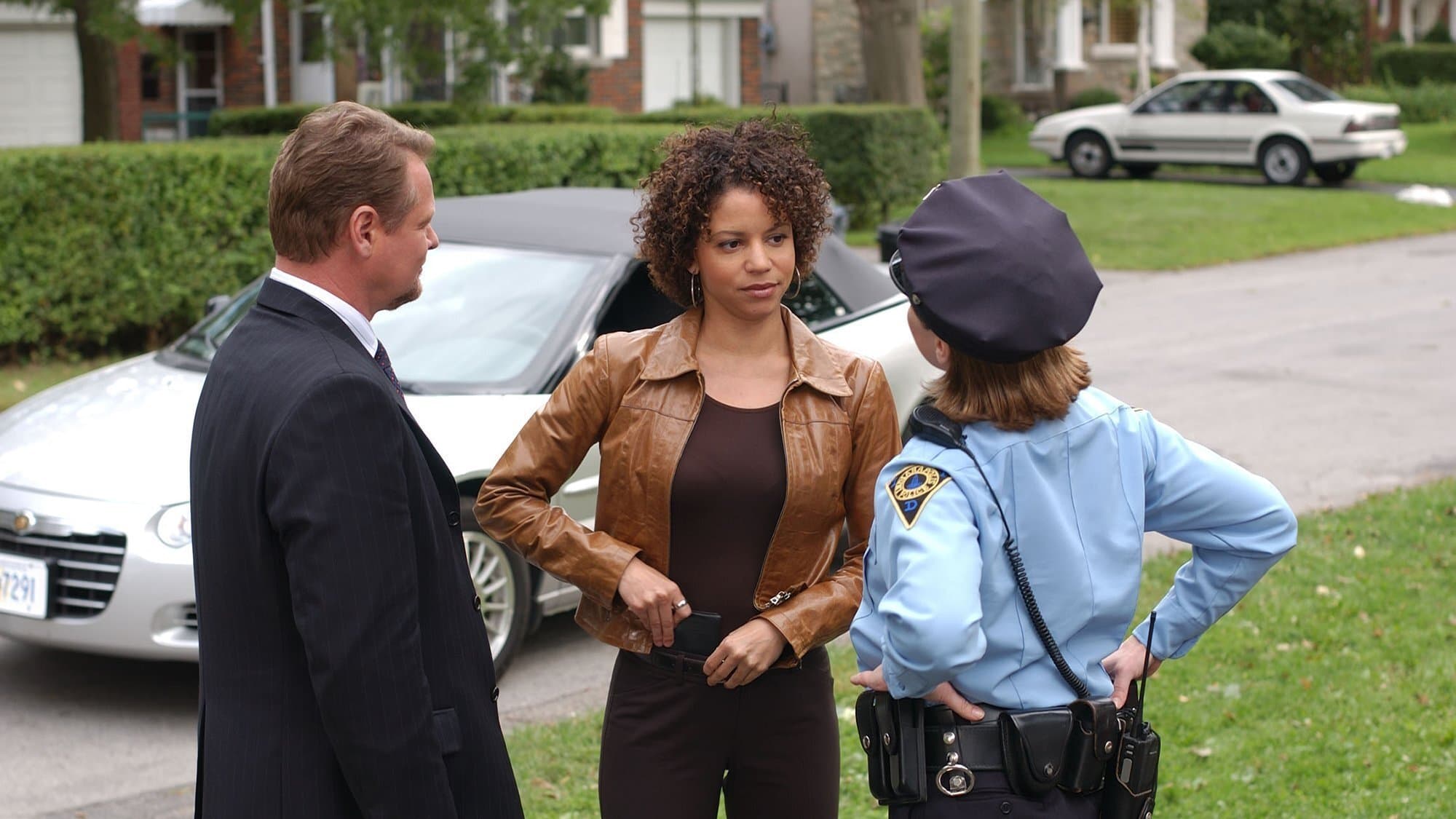
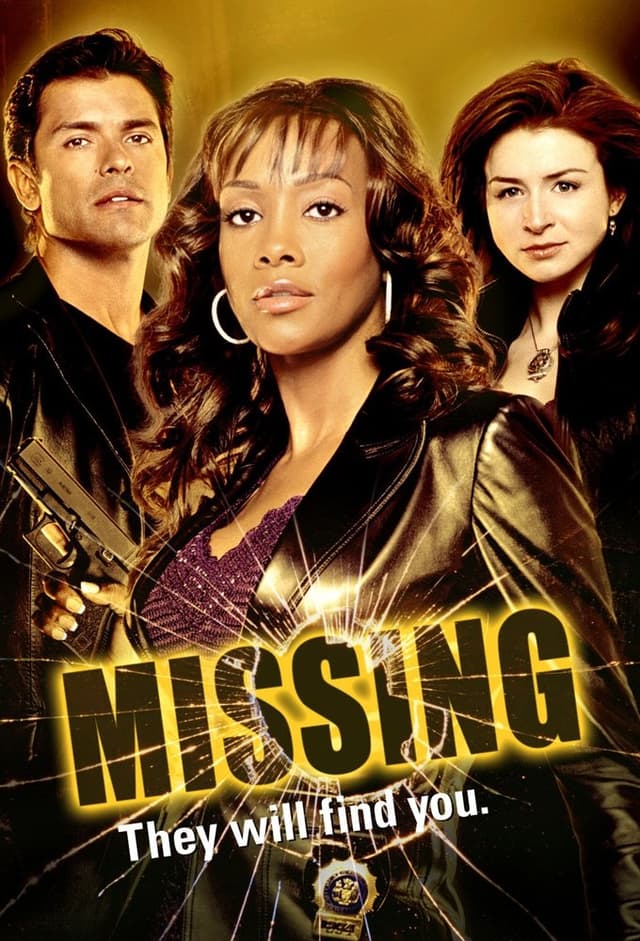
Missing (2003), originally titled 1-800-Missing in its first season, is an American and Canadian co-production drama television series that aired on Lifetime Television in the United States and W Network and Citytv in Canada from August 2, 2003 to March 12, 2006. The series ran 53 episodes across three seasons and starred Caterina Scorsone (and subsequently Gloria Reuben replacing her storyline) as Jess Mastriani opposite Vivica A. Fox as FBI Special Agent Nicole Scott. The exact production budget for the series has not been publicly disclosed in trade reporting. Lifetime and Canadian co-production primetime drama at the major-broadcaster commissioning tier in 2003-2006 typically operated in the $1,000,000 to $2,000,000 per-episode range, which would suggest a total production investment in the $53,000,000 to $106,000,000 range across the 53-episode three-season run.
Financing came through a Canadian and American co-production structure involving Lifetime Television (the United States cable broadcaster), W Network and Citytv (Canadian broadcasters), Insight Productions and SMG Productions (the Canadian production companies handling the day-to-day production), and ABC Family / Disney-ABC Television (later distribution rights holder). The Canadian co-production status anchored substantial production tax credits through the Canadian Film or Video Production Tax Credit and the Ontario Production Services Tax Credit, with shooting based in Toronto.
Key Budget Allocation Categories
The estimated $1,000,000 to $2,000,000 per-episode budget across 53 episodes was distributed across the following areas characteristic of major-cable primetime drama production in the mid-2000s:
- Above-the-Line Talent: Caterina Scorsone (later of Grey's Anatomy and Private Practice) played Jess Mastriani in Season 1 before her storyline was replaced with Gloria Reuben as Brooke Haslett in subsequent seasons. Vivica A. Fox (Kill Bill, Independence Day) co-starred as FBI Special Agent Nicole Scott across the run, with her established feature-film visibility providing the primary above-the-line marquee. Supporting cast included Mark Consuelos, Justin Louis, Dean McDermott, and rotating guest stars.
- Creator and Writer Fees: The series was created by Gary R. Lennon, with rotating writing teams across the three-season run. Series development drew on the Meg Cabot young-adult novel series 1-800-WHERE-R-YOU for source material, with Cabot receiving source-material credit. Writer fees were modest by major-network broadcast-television standards but consistent with cable-tier primetime drama.
- Toronto Production: Principal photography ran across multiple production seasons in Toronto, Ontario, Canada, utilizing the Canadian Film or Video Production Tax Credit and the Ontario Production Services Tax Credit. Toronto location work doubled for the United States settings called for in the script, with the Indiana and FBI federal settings staged through Toronto-area locations and Insight Productions soundstages.
- Production Design: The procedural-drama structure required FBI office settings, multiple regional location settings standing in for the United States kidnap-and-rescue locations across the United States, and the psychic-vision sequences that required specialty visual effects. Production design budget was modest by major-network standards but consistent with cable-tier procedural drama.
- Visual Effects: The psychic-vision sequences required modest visual-effects work across each episode, with vision-flash inserts, environmental enhancements, and lightning-strike flashback sequences. The visual-effects budget was the meaningful genre-specific budget line in the production.
- Score and Music: Original score by James Gelfand provided the procedural-drama orchestral textures. Music budget was modest by major-broadcaster standards but consistent with the cable primetime drama tier.
How Does Missing's Budget Compare to Similar Productions?
At an estimated $1,000,000 to $2,000,000 per-episode production budget across 53 episodes, Missing (2003) sat at the typical major-cable primetime drama tier for the mid-2000s. The comparison set:
- Medium (NBC 2005): Budget approximately $2,500,000 to $3,000,000 per episode. The NBC Patricia Arquette psychic-procedural drama operated at substantially higher per-episode budget, illustrating the major-network broadcast tier above the Lifetime cable tier where Missing operated.
- Ghost Whisperer (CBS 2005): Budget approximately $2,500,000 to $3,500,000 per episode. The CBS Jennifer Love Hewitt psychic-procedural drama from the same period operated at the major-network broadcast tier.
- The Dead Zone (USA Network 2002): Budget undisclosed. The USA Network psychic-procedural drama starring Anthony Michael Hall illustrates the closest comparable cable-tier production from the same psychic-procedural genre wave that Missing was part of.
- Touched by an Angel (CBS 1994): Budget approximately $2,000,000 per episode at its peak. The CBS Roma Downey supernatural drama from the prior decade illustrates the network-television supernatural-procedural genre that Missing extended into the cable tier.
- Beyond Reality (Family Channel 1991): Budget undisclosed. The CBC and Family Channel paranormal-investigation series from the prior decade illustrates the Canadian co-production lineage of paranormal-procedural drama that anchored the Missing production base.
Missing Broadcast Performance
Missing premiered on Lifetime Television on August 2, 2003 in the Saturday primetime slot under the original title 1-800-Missing. The series drew solid Lifetime cable ratings across the Season 1 run, with sustained primetime drama performance that anchored the network's mid-2000s programming slate. Season 2 (2004) and Season 3 (2005-2006) followed with the simplified title Missing, with the series ultimately running 53 episodes through the March 12, 2006 finale.
As a major-cable television commission rather than a theatrical release, Missing did not generate a meaningful box-office figure. The recoupment picture is framed against broadcaster license fees, advertising revenue across the three-season run, and downstream syndication and international distribution:
- Production Format: 53 episodes across three seasons, broadcast 2003-2006 on Lifetime (US), W Network and Citytv (Canada)
- Per-Episode Budget: estimated $1,000,000 to $2,000,000 (industry range for major-cable primetime drama in the mid-2000s)
- Total Estimated Production Investment: estimated $53,000,000 to $106,000,000 across the 53-episode three-season run
- Primary Broadcasters: Lifetime Television (United States), W Network and Citytv (Canada)
- International Distribution: broad European, Latin American, and additional international procedural-drama broadcaster licensing through Disney-ABC distribution
- Recoupment Status: recovered through Lifetime license fees, W Network and Citytv license fees, primetime advertising revenue, and downstream syndication and international territory licensing
Missing generated revenue across multiple downstream windows including Lifetime primetime advertising revenue, W Network and Citytv Canadian advertising revenue, downstream syndication licensing across the post-2006 broadcast cycle, international territory licensing across European and Latin American markets through Disney-ABC distribution, and home-entertainment DVD release across the post-2006 period. The series was not renewed for a fourth season after the March 12, 2006 finale, with Lifetime redirecting its mid-2000s primetime drama development toward newer commissions.
Missing Production History
Development of 1-800-Missing began at Lifetime Television and Insight Productions in 2002 as an adaptation of Meg Cabot's young-adult novel series 1-800-WHERE-R-YOU. Gary R. Lennon was hired as creator, with the Canadian co-production structure brought together across Lifetime (United States commissioning broadcaster), W Network and Citytv (Canadian co-broadcasters), Insight Productions and SMG Productions (Canadian production companies), and ABC Family / Disney-ABC Television (subsequent distribution rights holder). The Toronto-based production took advantage of Canadian production tax credits to anchor the broadcast-tier economics.
Casting Caterina Scorsone as Jess Mastriani in Season 1 brought a then-emerging Canadian-American actress to the lead role, with Vivica A. Fox's established feature-film visibility providing the primary above-the-line marquee. After Season 1, the production reset the central character storyline, replacing Caterina Scorsone's Jess Mastriani with Gloria Reuben's Brooke Haslett character across Seasons 2 and 3. The supporting cast was assembled across Toronto and Canadian and American casting, with rotating guest stars across the procedural-of-the-week structure.
Principal photography ran across three production seasons (2003, 2004, and 2005) in Toronto, Ontario, with the simplified title Missing replacing 1-800-Missing from Season 2 onward. The series ended with the March 12, 2006 finale and was not renewed for a fourth season. Caterina Scorsone subsequently joined the Grey's Anatomy and Private Practice ABC drama universe, where she has played Amelia Shepherd since 2010.
Awards and Recognition
Missing received targeted recognition in the Canadian Gemini Awards and the Saturn Awards genre-television categories. The series was nominated multiple times at the Gemini Awards across the three-season run, reflecting the Canadian co-production status and the broader recognition of Toronto-based major-cable drama production. The series did not register at the Primetime Emmy main drama categories, the Golden Globe television categories, or the Television Critics Association Awards.
Vivica A. Fox's lead performance received Black Reel Awards consideration across the run, consistent with her broader film-and-television career profile. The series' awards profile reflects the genre ceiling that affects most major-cable primetime procedural drama, with industry awards recognition concentrated in the Canadian-co-production and genre-television circuits rather than the mainstream United States industry awards.
Critical Reception
Missing received broadly mixed reviews from television trade press across the 2003-2006 broadcast run. The series holds a 6.4 user rating on IMDb based on viewer ratings collected since broadcast, with critical response divided between viewers who appreciated the psychic-procedural genre mechanics and viewers who found the central premise (lightning strike creating psychic visions) difficult to sustain across three seasons.
Variety's coverage of the August 2, 2003 Lifetime premiere positioned the series favorably as "a competent psychic-procedural that delivers exactly what the genre demands," with consistent critical praise for Caterina Scorsone's and subsequently Gloria Reuben's lead performances and Vivica A. Fox's sustained presence across the run. The consistent critical complaint focused on the procedural-of-the-week structure and the gradual repetition of the kidnap-and-rescue formula across the 53-episode run.
The series' legacy has been preserved through three subsequent developments: Caterina Scorsone's subsequent decade-plus run on the ABC Grey's Anatomy and Private Practice universe; Vivica A. Fox's sustained career across film and television; and the broader cable-tier psychic-procedural drama genre that Missing extended through the mid-2000s, paralleling the major-broadcast-network psychic-procedural wave including Medium (NBC 2005) and Ghost Whisperer (CBS 2005).
Frequently Asked Questions
What is Missing (2003)?
Missing (2003), originally titled 1-800-Missing in its first season, is an American and Canadian co-production drama television series that aired on Lifetime Television and on W Network and Citytv in Canada from August 2, 2003 to March 12, 2006. The series follows Jess Mastriani (later Brooke Haslett), a young woman who develops psychic visions of missing people after a lightning strike and who joins the FBI as a special consultant.
How much did Missing (2003) cost to make?
The exact production budget has not been publicly disclosed in trade reporting. Lifetime and Canadian co-production primetime drama at the major-broadcaster commissioning tier in 2003-2006 typically operated in the $1,000,000 to $2,000,000 per-episode range, which would suggest a total production investment in the $53,000,000 to $106,000,000 range across the 53-episode three-season run.
Is Missing (2003) the same as the 2012 Ashley Judd series Missing?
No. Missing (2003) is the Lifetime psychic-procedural drama starring Vivica A. Fox and Caterina Scorsone (later Gloria Reuben) about a woman with psychic visions of missing people. The 2012 Ashley Judd series Missing is a separate ABC thriller starring Ashley Judd as a former CIA agent searching for her abducted son. The two productions are unrelated despite the shared title.
Who stars in Missing (2003)?
Caterina Scorsone played Jess Mastriani in Season 1, with Gloria Reuben taking over the lead as the new character Brooke Haslett in Seasons 2 and 3. Vivica A. Fox played FBI Special Agent Nicole Scott across the entire run. Supporting cast included Mark Consuelos, Justin Louis, and Dean McDermott.
How many episodes of Missing (2003) are there?
The series ran 53 episodes across three seasons, broadcast on Lifetime Television from August 2, 2003 to March 12, 2006. Season 1 (2003-2004) ran under the original title 1-800-Missing, with the simplified title Missing replacing it from Season 2 onward.
Where was Missing (2003) filmed?
Principal photography took place in Toronto, Ontario, Canada across the three production seasons, utilizing the Canadian Film or Video Production Tax Credit and the Ontario Production Services Tax Credit. Toronto location work doubled for the United States settings called for in the script.
Was Missing (2003) based on a book?
Yes. The series was adapted from Meg Cabot's young-adult novel series 1-800-WHERE-R-YOU, which was published in five volumes between 2001 and 2005. The original Season 1 title 1-800-Missing was a direct reference to the source novels, with the simplified title Missing replacing it from Season 2 onward.
Why was the lead actress changed after Season 1?
After Season 1, the production reset the central character storyline, replacing Caterina Scorsone's Jess Mastriani with Gloria Reuben's Brooke Haslett character across Seasons 2 and 3. The production reasons for the lead change have not been publicly detailed, but the character reset allowed the procedural structure to continue while bringing a new lead actress to the show.
Was Missing (2003) renewed for a fourth season?
No. The series ended with the March 12, 2006 finale after three seasons and 53 episodes. Lifetime did not renew the series for a fourth season, redirecting its mid-2000s primetime drama development toward newer commissions.
What did critics think of Missing (2003)?
The series received broadly mixed reviews from television trade press across the broadcast run. It holds a 6.4 user rating on IMDb. Variety praised the central performances and the genre mechanics, while the consistent critical complaint focused on the procedural-of-the-week structure and the gradual repetition of the kidnap-and-rescue formula across the 53-episode run.
Filmmakers
Missing

Official Trailer
Build budgets like this one in Saturation
Start from an industry-standard feature film template, import the schedule and rates you already have, and let the cost report keep itself current as you spend. Real-time collaboration, no spreadsheets.