Mirror Budget
Updated
Synopsis
Tarkovsky mixes flash-backs, historical footage and original poetry to illustrate the reminiscences of a dying man about his childhood during World War II, adolescence, and a painful divorce in his family. The story interweaves reflections about Russian history and society
What is the budget of Mirror?
"Mirror," a drama released in 1975, was directed by Andrei Tarkovsky and stars Margarita Terekhova, Ignat Daniltsev. The production budget was $825,000, placing it in the micro-budget range for drama productions of the 1970s.
Key Budget Allocation Categories
While specific budget breakdowns are not publicly available, typical cost drivers for a drama production like this include:
- Above-the-Line Talent: Drama films live or die on the strength of their performances.
- Location Filming & Period Production Design: Authentic locations , whether contemporary or historical , require scouting, permits, travel, lodging, and often significant dressing to match the story's time period.
- Post-Production, Color Grading & Score: The editorial process for dramas is typically longer than genre films, with careful attention to pacing and tone.
- Casting: Initially, Tarkovsky considered Alla Demidova and Swedish actress Bibi Andersson for the role of the mother. In the end, he chose Margarita Terekhova.
What were the major cost factors in Mirror?
Several factors contributed to the overall production costs of "Mirror."
- Above-the-Line Talent: Above-the-Line Talent is one of the primary cost drivers in drama productions of this scale.
- Location Filming: Location Filming & Period Production Design is one of the primary cost drivers in drama productions of this scale.
- Post-Production: Post-Production, Color Grading & Score is one of the primary cost drivers in drama productions of this scale.
How Does Mirror's Budget Compare to Similar Films?
At $825,000, Mirror sits in the micro-budget range. Here is how it compares to productions with a similar budget:
- Touch of Evil (1958): Budget $829,000, Worldwide Gross $2,247,500
- Woman of the Hour (2024): Budget $836,057
- Dumbo (1941): Budget $812,000, Worldwide Gross $1,600,000
- Citizen Kane (1941): Budget $839,727, Worldwide Gross $23,218,000
- The Battle of Algiers (1966): Budget $800,000, Worldwide Gross $964,028
The median budget for wide-release drama films in the era ranges from $30 to 80M for mid-budget to $150M+ for tentpoles.
Mirror Box Office Performance
"Mirror" earned $22,168 domestically and $124,367 worldwide at the box office. Against a production budget of $825,000, the film faced challenges in theatrical release. Home video, streaming, and ancillary revenue may have contributed to its overall performance.
A film typically needs to earn approximately twice its production budget to cover marketing and distribution costs. For "Mirror," that break-even threshold was roughly $1,650,000. With worldwide earnings of $124,367, the film did not reach break-even in theatrical release.
Box Office Breakdown
Mirror

At -84.9%, "Mirror" did not recoup its production budget through theatrical release alone.
Mirror Production History
Initially, Tarkovsky considered Alla Demidova and Swedish actress Bibi Andersson for the role of the mother. In the end, he chose Margarita Terekhova.
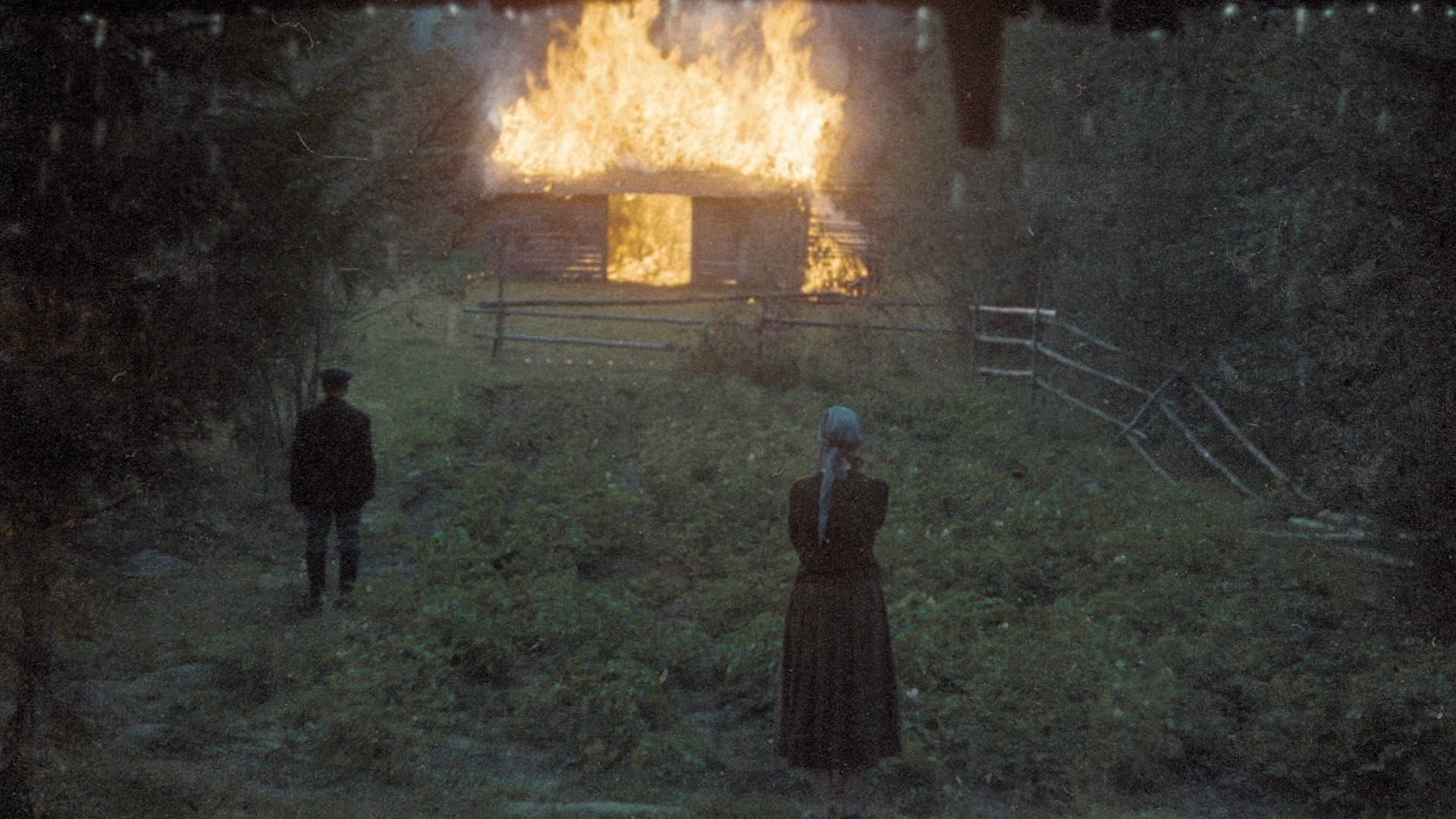
Principal photography began in July 1973 and ended in March 1974. Outdoor scenes were shot in Tutshkovo, near Moscow, and indoor scenes were shot at the Mosfilm studio. The country house in the film was based on photographs of the house where Tarkovsky grew up.
Awards and Recognition
1 nomination total
Critical Reception
Metacritic assigned the film a weighted average score of 82 out of 100, based on 14 critics, indicating "universal acclaim".
Frequently Asked Questions
How much did it cost to make Mirror (1975)?
The production budget was $825,000, covering principal photography, cast and crew salaries, locations, sets, post-production, and music. Marketing and distribution (P&A) costs are estimated at an additional $412,500 - $660,000, bringing the total studio investment to approximately $1,237,500 - $1,485,000.
How much did Mirror (1975) earn at the box office?
Mirror grossed $22,168 domestic, $102,199 international, totaling $124,367 worldwide.
Was Mirror (1975) profitable?
The film did not break even theatrically, earning $124,367 against an estimated $2,062,500 needed. Ancillary revenue may have improved the picture.
What were the biggest costs in producing Mirror?
The primary cost drivers were above-the-line talent (Margarita Terekhova, Ignat Daniltsev, Larisa Tarkovskaya); talent compensation, authentic period production design, and meticulous post-production.
How does Mirror's budget compare to similar drama films?
At $825,000, Mirror is classified as a ultra-low-budget production. The median budget for wide-release drama films in the era ranges from $30 - 80M for mid-budget to $150M+ for tentpoles. Comparable budgets: Touch of Evil (1958, $829,000); Woman of the Hour (2024, $836,057); Dumbo (1941, $812,000).
Did Mirror (1975) go over budget?
There are no widely reported accounts of significant budget overruns for this production. However, studios rarely disclose precise budget overrun figures publicly. The reported production budget reflects the final estimated cost.
What was the return on investment (ROI) for Mirror?
The theatrical ROI was -84.9%, calculated as ($124,367 − $825,000) ÷ $825,000 × 100. This measures gross revenue against production budget only - it does not account for P&A or exhibitor shares.
What awards did Mirror (1975) win?
1 nomination total.
Who directed Mirror and who were the key crew members?
Directed by Andrei Tarkovsky, written by Aleksandr Misharin, Andrei Tarkovsky, shot by Georgi Rerberg, with music by Eduard Artemyev, edited by Lyudmila Feiginova.
Where was Mirror filmed?
Mirror was filmed in Soviet Union. Principal photography began in July 1973 and ended in March 1974. Outdoor scenes were shot in Tutshkovo, near Moscow, and indoor scenes were shot at the Mosfilm studio.
Filmmakers
Mirror

Official Trailer
Build budgets like this one in Saturation
Start from an industry-standard feature film template, import the schedule and rates you already have, and let the cost report keep itself current as you spend. Real-time collaboration, no spreadsheets.