Mayday Budget
Updated
Synopsis
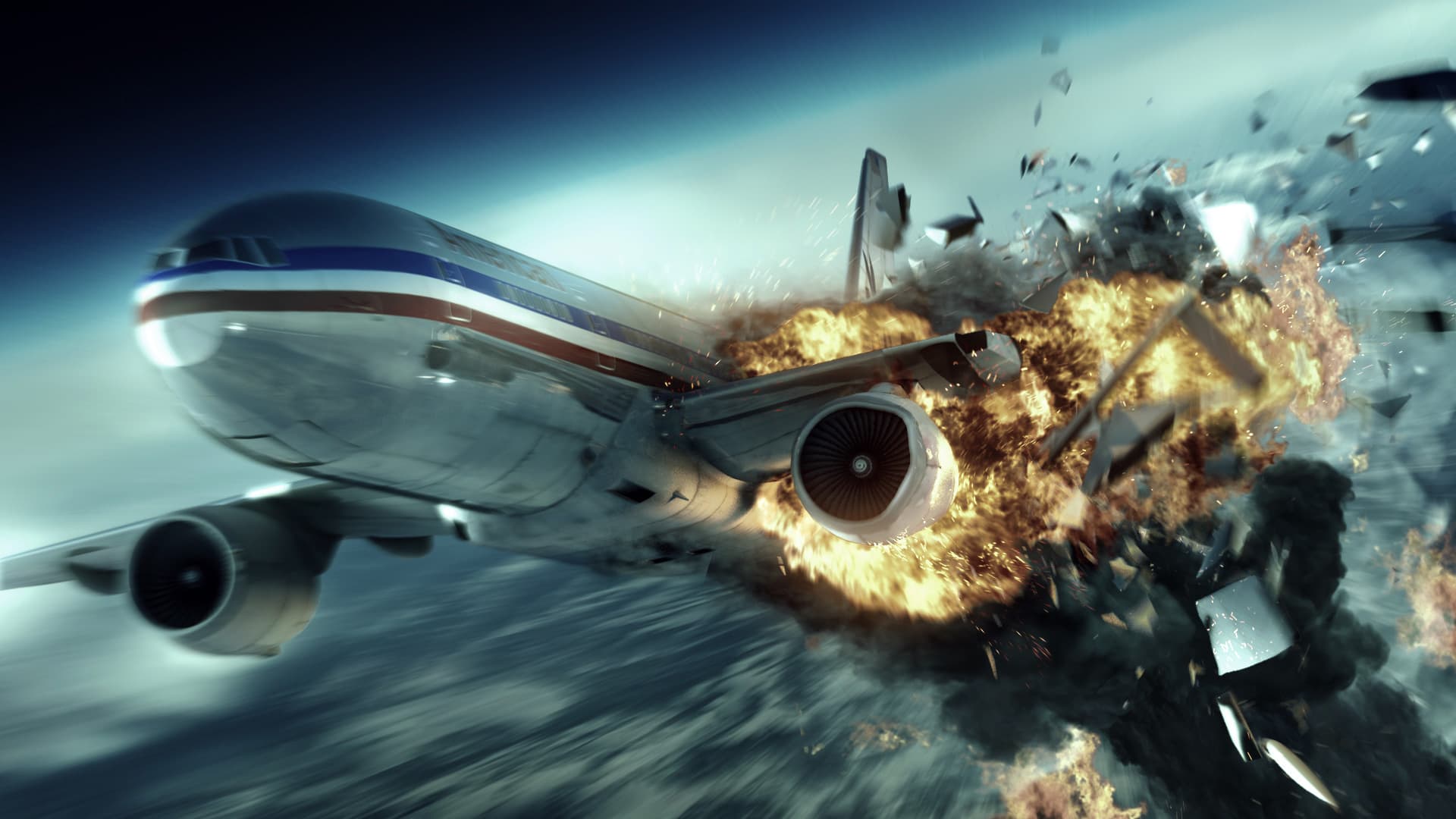
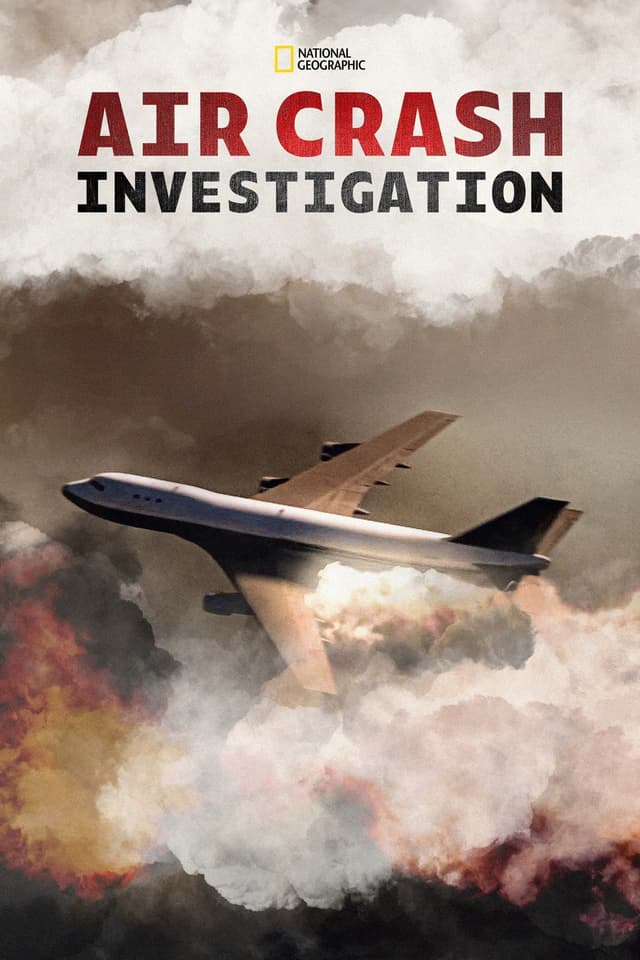
Mayday (2003), also known internationally as Air Crash Investigation, Air Disasters, and Air Emergency, is the long-running Cineflix Productions Canadian aviation-disaster documentary series. Each episode uses dramatic reconstruction, expert interviews, archival footage, and CGI flight simulation to investigate the causes and aftermath of a real-world aviation accident. The series has run for more than 24 seasons and 250-plus episodes since its September 2003 premiere on Discovery Channel Canada, with international broadcast on National Geographic Channel, Smithsonian Channel, and partners in over 100 territories.
What Is the Budget of Mayday (2003)?
Mayday (2003), the long-running Cineflix Productions Canadian aviation-disaster documentary series, also known as Air Crash Investigation, Air Disasters, and Air Emergency depending on broadcast territory, has been produced on an estimated per-episode budget of approximately $750,000 to $1,200,000 CAD across more than 24 seasons since its September 2003 premiere on Discovery Channel Canada. Specific Cineflix budgets are not publicly disclosed, but the figures align with the standard premium factual-recreation documentary tariff during the production window. Across more than 250 broadcast episodes through to the present, the cumulative production spend exceeds an estimated $200,000,000 CAD in period dollars.
Cineflix Productions, the Toronto and Montreal-based independent factual producer, has anchored the show across its full run, with successive seasons commissioned by National Geographic Channel internationally, Smithsonian Channel in the United States (rebranded Smithsonian Channel's Air Disasters), and Discovery Channel and broadcast partners in Canada, the United Kingdom, Australia, and dozens of additional international territories. The series uses dramatic reconstruction, expert interviews, archival footage, and CGI flight simulation to investigate the causes and aftermath of real-world aviation accidents.
Key Budget Allocation Categories
Mayday's per-episode spend breaks down across the cost centres typical of a premium recreation-driven documentary series, with several show-specific items reflecting the technical demands of aviation accident reconstruction:
- Aviation CGI and Flight Simulation: The recurring CGI flight simulation sequences, which depict the seconds and minutes leading up to each accident, represent the single largest above-the-line technical cost. The series's long-standing partnership with specialist aviation-animation studios has been a defining production feature.
- Dramatic Reconstruction Filming: Each episode requires extensive dramatic reconstruction of flight deck scenes, passenger cabin sequences, and ground-control room interactions, typically filmed on dedicated studio sets in Toronto and Montreal. Casting non-name actors as flight crew, passengers, and investigators across the series' 250-plus episodes has been a steady weekly cost.
- Expert Interview and Investigator Access: The show routinely secures interviews with NTSB, TSB, AAIB, BEA, and other national air-accident investigation agency representatives, as well as with surviving crew, passengers, and family members. The interview production budget supports international travel to subject locations.
- Archival Footage Licensing: News footage, ATC audio, cockpit voice recordings, and accident-site documentation are licensed from rights-holding broadcasters and aviation authorities for each episode. Recurring licensing fees represent a steady weekly cost.
- International Production Crews: While core production is anchored in Toronto and Montreal, location production for each episode typically requires international crew deployment to accident sites, airline headquarters, or investigation-agency offices.
- Ontario and Quebec Tax Credit Support: The series qualifies for Canadian Film or Video Production Tax Credit, Ontario Production Services Tax Credit, and Quebec Film and Television Tax Credit benefits, reducing net production cost to Cineflix and its broadcast partners.
- Music and Sound Design: Original score and elaborate sound design (engine failures, structural collapse, ATC tension cues) form a defining audio signature of the series. The sound budget is higher than a standard documentary series given the technical detail required for aviation-accident reconstruction.
- Post-Production and International Delivery: Multi-version delivery for international territories, with different episode titles (Air Crash Investigation in the UK and Australia, Air Disasters in the US, Mayday in Canada) and language dubs, requires incremental post-production workflow above single-market documentary delivery.
How Does Mayday's Budget Compare to Similar Series?
At an estimated $750,000 to $1,200,000 CAD per episode, Mayday sits firmly in the premium recreation-driven documentary tier, well above standard talking-head documentary economics and at the upper end of the National Geographic / Discovery / Smithsonian factual budget scale. The comparison set illustrates how it priced against contemporaneous premium documentary:
- Forensic Files (1996): Estimated per-episode budget approximately $300,000 to $500,000. The MEDSTAR Television true-crime forensic-investigation series ran on a meaningfully lower tariff than Mayday, with much less elaborate CGI and reconstruction work. Forensic Files' 400-plus-episode catalogue exceeded Mayday's episode count but at significantly lower per-episode spend.
- Seconds from Disaster (2004): Estimated per-episode budget approximately $750,000 to $1,000,000. The National Geographic Channel disaster-reconstruction series, a direct format peer to Mayday, ran at a comparable tariff with similar CGI and reconstruction overhead. Both shows occupied the same premium factual documentary lane.
- Why Planes Crash (2009): Estimated per-episode budget approximately $500,000 to $700,000. The Weather Channel aviation-disaster documentary ran at a lower tariff than Mayday with simpler reconstruction work, illustrating Mayday's premium positioning within the aviation-disaster genre.
- Modern Marvels (1995): Estimated per-episode budget approximately $400,000 to $600,000. The History Channel engineering-and-industrial-process documentary ran at meaningfully lower per-episode cost than Mayday across its 600-plus-episode catalogue, with reduced reconstruction and CGI requirements.
- Cosmos: A Spacetime Odyssey (2014): Estimated per-episode budget approximately $3,000,000 to $4,000,000. National Geographic and Fox's Neil deGrasse Tyson science documentary cost roughly three to four times Mayday per episode, illustrating the very top of the premium science-and-engineering documentary tier against which Mayday's sustained mid-premium-tier budget is best measured.
- Air Crash Investigation Special Reports (2010): Estimated per-episode budget approximately $1,200,000 to $1,500,000 CAD. Cineflix's own Mayday spinoff special reports ran modestly above the main series tariff, reflecting additional research, location, and reconstruction work for specific high-profile accident retrospectives.
Mayday Season Performance and Syndication
Mayday premiered on Discovery Channel Canada on 3 September 2003 and has run continuously across multiple international territories since, with more than 24 seasons commissioned to date. The economic framework breaks down as follows:
- Per-Episode Budget: approximately $750,000 to $1,200,000 CAD across the run
- Total Series Investment: in excess of $200,000,000 CAD across 250-plus episodes through to the present
- Network: Discovery Channel Canada; National Geographic Channel internationally; Smithsonian Channel (Air Disasters) in the US; Channel 4 and Channel 5 (Air Crash Investigation) in the UK; Seven Network and Foxtel in Australia; broadcast partners in 100-plus additional territories
- Audience/Ratings: consistently a top-rated factual programming title on National Geographic Channel and Smithsonian Channel; ratings figures vary by territory and are not consolidated globally
- International Distribution: distributed internationally by Cineflix Rights to broadcasters in 100-plus territories with multiple title variations including Air Crash Investigation, Air Disasters, and Air Emergency
- Library/Syndication Value: one of the most successful recreation-driven factual catalogues in international television; available on Paramount+, Netflix, Discovery+, and Apple TV in various territories
Mayday's commercial logic is exemplary of premium recreation-driven documentary economics: a Discovery Channel Canada commissioning licence plus National Geographic Channel and Smithsonian Channel international broadcast partnerships have funded production across a 20-plus-year run, with Cineflix Rights' international distribution generating ongoing secondary licensing revenue. The catalogue's 250-plus episodes form one of the most extensively distributed factual television libraries of the 21st century.
The series' ability to sustain consistent per-episode quality across two decades has been a key driver of its longevity, with successive air-accident investigations continuing to provide source material for new episodes. Cineflix continues to commission and produce new seasons, with the most recent additions covering major contemporary accidents including the Boeing 737 MAX (Lion Air Flight 610 and Ethiopian Airlines Flight 302) and Air France Flight 447 events.
Mayday Production History
Cineflix Productions developed Mayday for Discovery Channel Canada in the early 2000s, with the premise built around dramatic reconstruction of major commercial aviation accidents combined with expert interviews and CGI flight simulation. The format drew directly on the success of earlier aviation-disaster reconstruction documentaries on PBS Nova and the Discovery Channel, but Cineflix's episodic series structure, combined with Discovery Canada's long-form commitment, allowed Mayday to develop into one of the most extensively documented aviation-disaster catalogues in television.
The series' first season (2003) covered eight major accidents including Air Canada Flight 797, American Airlines Flight 191, and Air Ontario Flight 1363. Cineflix's production model centred on dramatic reconstruction filmed at dedicated studio sets in Toronto and Montreal, combined with expert interview production at the offices of national air-accident investigation agencies including the NTSB, TSB, AAIB, and BEA. The CGI flight simulation work, contracted out to specialist aviation-animation studios, became a defining production feature.
Principal photography across the run has been anchored in Ontario and Quebec, with the series qualifying for Canadian Film or Video Production Tax Credit, Ontario Production Services Tax Credit, and Quebec Film and Television Tax Credit benefits. International location production for accident sites, airline headquarters, and investigation-agency offices supplements the core Toronto and Montreal studio production. The series has filmed on location in dozens of international territories across its run, reflecting the global reach of commercial aviation accidents.
Successive seasons have been commissioned annually with rolling international broadcast partner support. National Geographic Channel acquired global broadcast rights early in the run and rebranded the series as Air Crash Investigation in the UK and Australia, while Smithsonian Channel rebranded it as Air Disasters in the US. The multi-title international distribution model has made Mayday one of the most internationally recognised Canadian factual series of the 21st century, despite the limited brand recognition of the Mayday title in non-Canadian territories.
Cineflix has continued to produce new seasons through to the present, with the most recent additions covering contemporary high-profile accidents including the Boeing 737 MAX events (Lion Air Flight 610 in 2018 and Ethiopian Airlines Flight 302 in 2019), Air France Flight 447 (2009), Malaysia Airlines Flight 370 (2014, in a special-report format given the absent wreckage), and Asiana Airlines Flight 214 (2013). The series' aviation industry impact has been substantial, with multiple safety improvements directly cited by industry as having been accelerated by Mayday's reconstruction work.
Awards and Recognition
Mayday has received multiple Canadian Screen Awards (and predecessor Gemini Awards) for Best Direction in a Documentary Series, Best Editing in a Documentary Series, and Best Documentary Series across its 20-plus-year run. The series has also received recognition at the Banff World Media Festival, the Hot Docs Canadian International Documentary Festival, and the Sheffield Doc/Fest for its sustained reconstruction-driven format.
Cineflix Productions has received the Canadian Media Producers Association's Indie Producer of the Year recognition multiple times, with Mayday cited as a flagship example of sustained Canadian factual production with global broadcast reach. The series has also been recognised by aviation industry organisations including the Flight Safety Foundation for its contribution to public understanding of aviation safety.
Internationally, the National Geographic Channel Air Crash Investigation branding has received Emmy, BAFTA, and Royal Television Society nominations across various national broadcasters' Air Crash Investigation broadcast windows. The series' aviation-industry impact has been documented in multiple academic and industry publications as a benchmark example of recreation-driven safety education programming.
Critical Reception
Mayday has received consistently positive critical reception across its 20-plus-year run. The Globe and Mail's 2003 launch review called the series "the most ambitious reconstruction-driven documentary undertaken by Canadian factual television to date," and Variety has noted in multiple long-run profile pieces that the series' "balance of dramatic recreation, technical analysis, and human-cost reporting sets a benchmark for the aviation-disaster documentary genre."
Aviation-industry commentary on Mayday has been substantial. The Flight Safety Foundation, the International Federation of Air Line Pilots' Associations, and multiple national air-accident investigation agencies have publicly credited Mayday with sustained contribution to public understanding of aviation safety. Several episodes have been used as training material in commercial aviation programs, although Cineflix has not formally licensed the catalogue for training use.
Retrospective coverage in long-running factual television reviews has consistently placed Mayday among the most influential international factual catalogues of the 21st century. The series' ability to sustain consistent per-episode quality across 250-plus episodes and 24-plus seasons is regularly cited as a structural achievement within the recreation-driven documentary genre, and Cineflix's production model has been studied as a benchmark example of sustained Canadian premium factual production with global broadcast reach.
Frequently Asked Questions
How much does each episode of Mayday (Air Crash Investigation) cost to produce?
Estimated per-episode budgets range from approximately $750,000 to $1,200,000 CAD across the 20-plus-year run since 2003. Specific Cineflix Productions budgets are not publicly disclosed, but the figures align with the standard premium recreation-driven documentary tariff during the production window.
How many seasons and episodes of Mayday have been made?
Mayday has run for more than 24 seasons spanning over 250 broadcast episodes since its premiere on Discovery Channel Canada on 3 September 2003. The series continues in production, with successive seasons commissioned annually and rolling international broadcast partner support. The catalogue is one of the most extensively documented aviation-disaster libraries in television.
Why is Mayday called Air Crash Investigation in the UK?
Mayday has different broadcast titles in different international territories. It airs as Mayday in Canada, as Air Crash Investigation on Channel 4 / Channel 5 in the UK and Seven Network / Foxtel in Australia, as Air Disasters on Smithsonian Channel in the US, and as Air Emergency in selected additional territories. The title variations reflect international broadcaster preferences rather than format differences.
Who produces Mayday?
Cineflix Productions, the Toronto and Montreal-based independent factual producer, produces Mayday. The series is commissioned by Discovery Channel Canada with international broadcast partnerships with National Geographic Channel (international), Smithsonian Channel (US), Channel 4 / Channel 5 (UK), and Seven Network / Foxtel (Australia). Cineflix Rights handles international distribution to 100-plus additional territories.
Where is Mayday filmed?
Principal production is anchored in Ontario and Quebec, Canada, with dedicated studio sets in Toronto and Montreal used for the dramatic reconstruction filming. The series qualifies for Canadian Film or Video Production Tax Credit, Ontario Production Services Tax Credit, and Quebec Film and Television Tax Credit benefits. International location production for accident sites, airline headquarters, and investigation-agency offices supplements the core Canadian studio production.
How accurate is Mayday?
Mayday relies on official air-accident investigation reports from agencies including the NTSB, TSB, AAIB, BEA, and equivalent national bodies, supplemented by expert interviews with investigators, surviving crew, and family members. The dramatic reconstruction sequences are typically rated as high-fidelity within the documentary-reconstruction genre. The Flight Safety Foundation and multiple aviation industry organisations have publicly credited Mayday with sustained contribution to public understanding of aviation safety.
What is the most-watched episode of Mayday?
Specific viewership figures for individual Mayday episodes are not consolidated globally, but high-profile episode subjects have included Air France Flight 447 (2009 accident), Malaysia Airlines Flight 370 (2014, covered in a special-report format), the Boeing 737 MAX events (Lion Air Flight 610 in 2018 and Ethiopian Airlines Flight 302 in 2019), and US Airways Flight 1549 (the 2009 Hudson River landing). These contemporary high-profile accidents have typically drawn the strongest international audience response.
Is Mayday available on streaming?
Yes. Mayday is available on Paramount+, Netflix, Discovery+, Apple TV, and additional streaming platforms in various international territories, distributed under its multiple regional titles (Mayday, Air Crash Investigation, Air Disasters, Air Emergency). Streaming availability varies by territory and rights window.
Who narrates Mayday?
Stephen Bogaert narrates the US Air Disasters edit of the series, and Mark Christy has narrated significant portions of the UK Air Crash Investigation edit. Different international territories have used different narrators across the run, reflecting the multi-title international distribution model. The Canadian Mayday edit has used various narrators across successive seasons.
How does Mayday compare to Seconds from Disaster?
National Geographic Channel's Seconds from Disaster (2004) is the closest direct format peer to Mayday, with comparable per-episode budgets of approximately $750,000 to $1,000,000 and similar CGI and reconstruction overhead. Seconds from Disaster covered a broader range of disaster types including industrial accidents and natural disasters, while Mayday has specialised exclusively in commercial aviation accidents. Both shows occupied the same premium recreation-driven documentary lane during the mid-2000s.
Filmmakers
Mayday

Official Trailer
Build budgets like this one in Saturation
Start from an industry-standard feature film template, import the schedule and rates you already have, and let the cost report keep itself current as you spend. Real-time collaboration, no spreadsheets.