Maria Budget
 HistoryDramaMusic2h 3m
Updated
Synopsis
Maria Callas, the world's greatest opera singer, lives the last days of her life in 1970s Paris as she confronts her identity, her artistic legacy, and the relationships that defined her: with the stage, with her devoted butler and maid, and with Aristotle Onassis. As her voice falters and her memories crowd in, Maria reckons with what it means to step away from the only life she has known.
What Is the Budget of Maria (2024)?
Maria (2024), directed by Pablo Larraín and released by Netflix in partnership with theatrical distributors in select territories, was produced on an estimated budget of approximately $20,000,000. The figure has not been officially disclosed by Fremantle or the international financing consortium, but the production scale across Paris, Budapest, Milan, and Athens, the period reconstruction of 1970s Paris and Maria Callas' archival recital sequences, and the lead casting of Angelina Jolie all support a budget in the mid-tier prestige-biopic range typical of Larraín's recent international productions.
Maria completed Larraín's informal trilogy of portraits of iconic 20th-century women, following Jackie (2016) starring Natalie Portman as Jacqueline Kennedy and Spencer (2021) starring Kristen Stewart as Princess Diana. The film premiered in competition at the 81st Venice International Film Festival on August 29, 2024 and was released in select theatrical markets in November 2024 before launching on Netflix worldwide on December 11, 2024.
Key Budget Allocation Categories
The estimated $20,000,000 budget covered a multi-city European production, period reconstruction, and the demanding opera-performance staging at the core of the film:
- Above-the-Line Talent: Angelina Jolie, returning to a leading dramatic role after a multi-year hiatus, anchored the film with a fee reflecting her established prestige-cinema profile. Pablo Larraín, coming off Jackie, Spencer, and El Conde, commanded an established auteur-director rate, and Steven Knight (Spencer, Peaky Blinders) wrote the screenplay. Supporting roles for Pierfrancesco Favino as Callas' butler Ferruccio, Alba Rohrwacher as her maid Bruna, and Haluk Bilginer as Aristotle Onassis contributed substantial European-cast costs.
- Opera Performance and Vocal Work: Jolie undertook seven months of opera training to perform on-camera with credibility, with vocal sessions and the film's blended use of Callas' historical recordings layered with Jolie's own voice requiring extensive musical preparation, recording, and post-production work. The opera sequences staged across the film's flashback structure each required period orchestral arrangement, soloist preparation, and on-set conducting.
- Multi-City European Location Production: Principal photography took place across Paris for the 1970s contemporary timeline, Budapest for stage and interior reconstructions, Milan for La Scala-set sequences, and Athens for the Greek childhood and Onassis-era flashbacks. The multi-territory shoot consumed substantial travel, logistics, local-crew, and permitting costs across four production blocks.
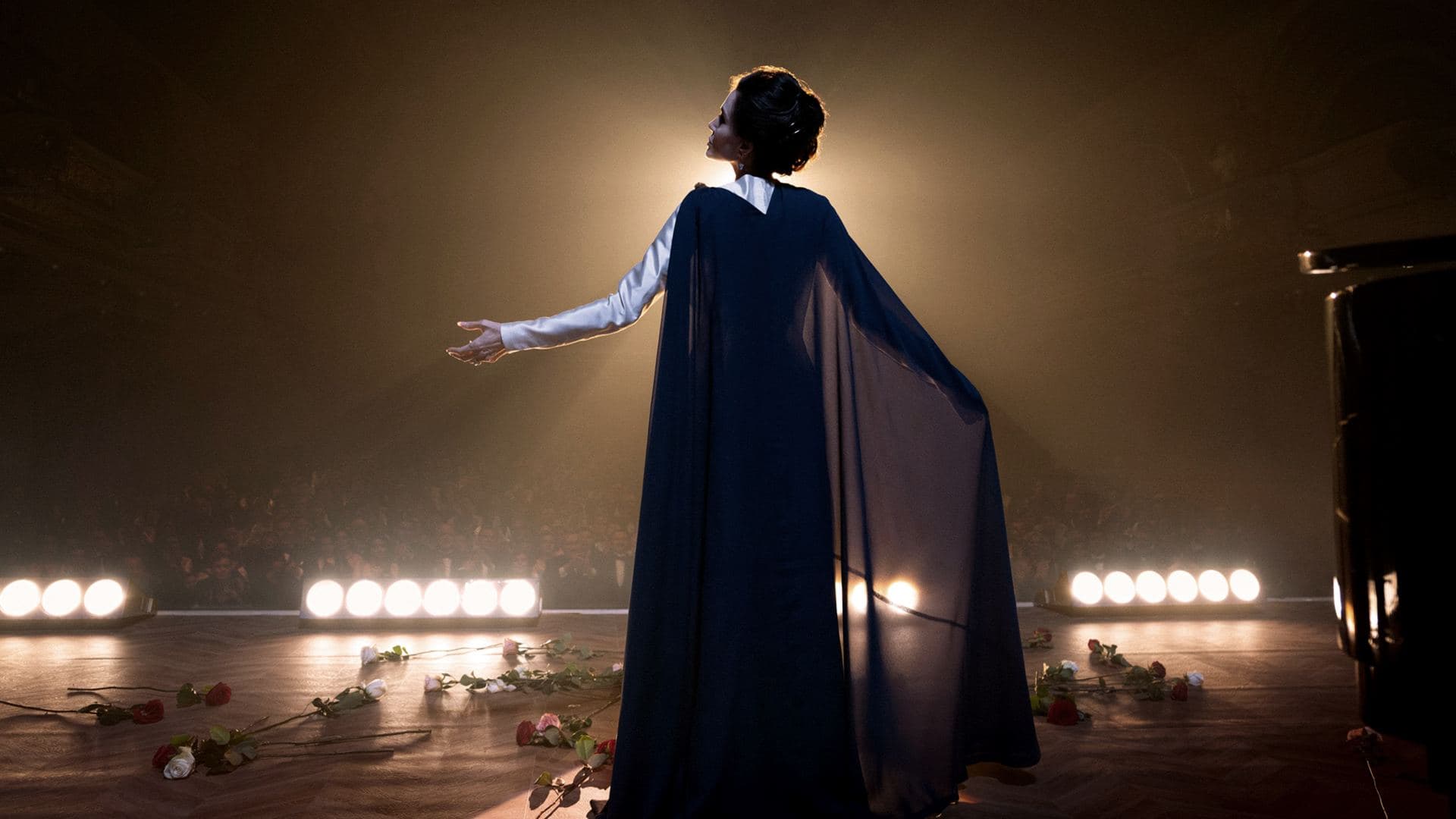
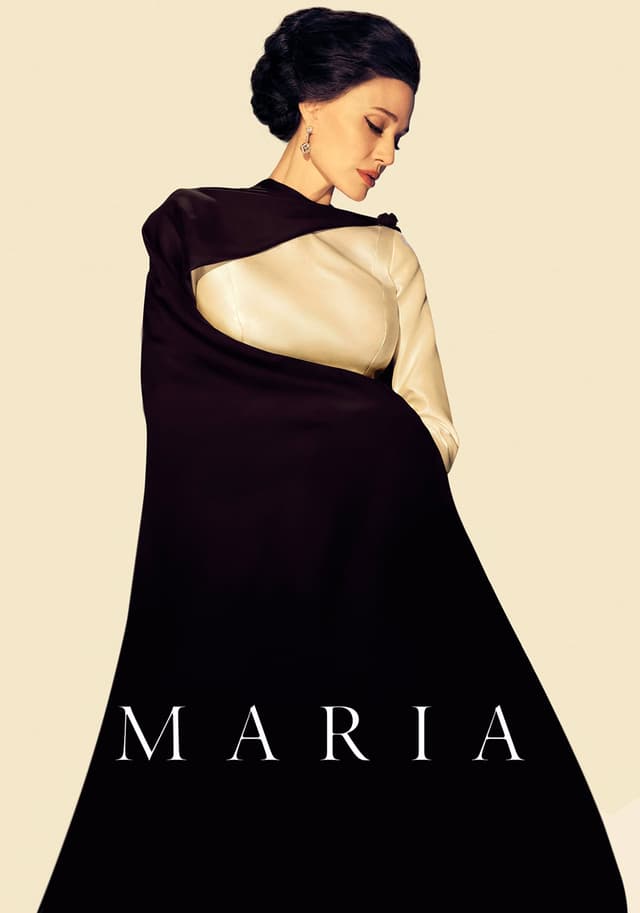
- Period Costume, Makeup, and Hair: The film traces Callas across multiple decades and required full period costume across 1950s opera houses, 1960s Onassis-era social settings, and 1970s Paris interiors. Costume designer Massimo Cantini Parrini, an Oscar nominee for Pinocchio, designed Callas' iconic on-stage and off-stage looks. Hair and makeup carried Jolie's physical transformation across the decades.
- Cinematography and Period Photography: Edward Lachman, an Oscar nominee for Carol and Far From Heaven, shot the film in a mix of 16mm and 35mm to differentiate timeline registers. The format choices, camera packages, and lighting designs across the multiple period settings represented a significant line item appropriate to the prestige-cinema register.
- Visual Effects and Period Reconstruction: While the film leans on practical period reconstruction, visual effects vendors handled environment extensions for 1970s Paris exteriors, digital crowd augmentation for the opera-house sequences, and the integration of archival recital footage with newly staged material.
- Music Licensing and Score: The film's soundtrack draws heavily on Callas' historical recordings, requiring rights clearances across multiple record labels and estates. Original underscore composition and the on-camera recital arrangements added incremental cost above the licensing budget.
How Does Maria's Budget Compare to Similar Films?
Maria sits within the prestige-biopic mid-tier and compares directly with Larraín's previous portrait films and contemporary classical-music biopics:
- Spencer (2021): Budget approximately $18,000,000 | Worldwide $21,420,797. Pablo Larraín's Princess Diana portrait, the immediate predecessor in his women's-portrait trilogy, sits at almost identical budget to Maria and provides the closest creative and economic peer.
- Jackie (2016): Budget approximately $9,000,000 | Worldwide $26,883,067. Larraín's Jacqueline Kennedy portrait, the first entry in his trilogy, cost less than half of Maria but achieved stronger theatrical breakthrough, with Natalie Portman receiving a Best Actress Oscar nomination.
- Maestro (2023): Budget approximately $80,000,000 | Worldwide not separately reported. Bradley Cooper's Netflix Leonard Bernstein biopic, the closest contemporary classical-music portrait, cost four times Maria and reflects the upper limit of Netflix's prestige-biopic spend that the platform stepped back from after the 2024 strategy reset.
- Tár (2022): Budget approximately $35,000,000 | Worldwide $29,103,725. Todd Field's fictional classical-music drama at a higher budget tier than Maria offers a contemporary genre peer in the classical-music drama space, with comparable critical attention and an Academy Awards nominations profile.
Maria Box Office Performance
Maria premiered in competition at the 81st Venice International Film Festival on August 29, 2024, then opened in select theatrical markets in November 2024 across an Oscar-qualifying limited release window before its December 11, 2024 global Netflix launch. The film grossed approximately $504,938 across its theatrical window, the vast majority from awards-qualifying engagements in North America and select European territories.
Because the film was primarily a Netflix release with a limited theatrical Oscar-qualifying window, the standard six-bullet box office breakdown applies in a hybrid form:
Box Office Breakdown
Maria

Maria reached the Netflix global Top 10 in dozens of countries in its launch week and remained on platform Top 10 charts through December 2024 and into January 2025. Angelina Jolie's lead performance earned Golden Globe and Screen Actors Guild Best Actress nominations, validating the Netflix awards-campaign strategy even as the Academy Awards Best Actress shortlist ultimately did not include her.
Maria Production History
Maria developed at Fremantle and The Apartment Pictures with Lorenzo Mieli, Juan de Dios Larraín, Jonas Dornbach, Maren Ade, Simone Gattoni, and Janine Jackowski producing across an international financing consortium that included Komplizen Film and Fabula. Netflix acquired worldwide rights as part of its push into prestige international production. Steven Knight (Spencer, Peaky Blinders) wrote the screenplay, structuring the film around Callas' last days in 1970s Paris with flashbacks across her career. Principal photography took place across multiple European cities, with Budapest, Hungary anchoring the largest production block on the strength of its 30% tax rebate and its established stage-and-interior production infrastructure. Additional shooting took place in Paris for contemporary scenes, Milan for the La Scala sequences, and Athens for the Greek childhood and Onassis-era flashbacks.
Angelina Jolie undertook seven months of opera training in preparation for the role, working with vocal coaches to perform on-camera with credibility. The film's final musical track blends Jolie's own voice with Maria Callas' historical recordings in proportions Larraín calibrated scene by scene. The seven-month preparation period reflected the production's investment in Jolie's vocal performance as a central element of the film's claim to dramatic authenticity.
Maria premiered in competition at the 81st Venice International Film Festival on August 29, 2024, drawing a long standing ovation and strong notices for Jolie's lead performance. The film moved into select theatrical engagements in November 2024 across Oscar-qualifying territories before launching globally on Netflix on December 11, 2024. Netflix campaigned aggressively for Jolie through the awards season, securing Golden Globe and Screen Actors Guild Best Actress nominations.
Awards and Recognition
Maria received substantial awards attention. The film premiered in competition at the 81st Venice International Film Festival, with Angelina Jolie receiving the Volpi Cup for Best Actress consideration and the film drawing an eight-minute standing ovation. Jolie was nominated for Best Actress in a Motion Picture Drama at the 82nd Golden Globe Awards and for Outstanding Performance by a Female Actor in a Leading Role at the 31st Screen Actors Guild Awards. The Academy Awards Best Actress shortlist ultimately did not include her, despite the strong industry campaign. Cinematographer Edward Lachman was nominated for an American Society of Cinematographers Award, and costume designer Massimo Cantini Parrini was nominated for a Costume Designers Guild Award.
Critical Reception
Maria received broadly positive reviews. The film holds a 73% approval rating on Rotten Tomatoes based on 252 critic reviews, with a critical consensus that called it a sumptuous but emotionally restrained portrait elevated by Jolie's commanding lead performance. Metacritic recorded a score of 60 out of 100, indicating mixed or generally favorable reviews. The film did not receive a CinemaScore poll given its limited theatrical release.
Critics broadly praised Angelina Jolie's commitment to the role, the cinematography of Edward Lachman, and the period reconstruction across the multi-city European shoot. The Hollywood Reporter wrote that Jolie "delivers a performance of considerable craft and emotional reserve, anchoring a film that risks dissolving into reverence without her presence at the center," and Variety praised the structural choice to set the film in Callas' final week as "a smart corrective to the standard cradle-to-grave biopic." Common reservations cited a screenplay that critics felt held the audience at one remove from Callas' interior life, and a pace that some reviewers argued became hypnotic to the point of inertia. The film closed Larraín's women's-portrait trilogy on a critical reception comparable to but not exceeding Jackie (2016) and Spencer (2021).
Frequently Asked Questions
How much did it cost to make Maria (2024)?
The production budget is estimated at approximately $20,000,000. The figure has not been formally disclosed by Fremantle or the international financing consortium, but the production scale across Paris, Budapest, Milan, and Athens, the period reconstruction, and Angelina Jolie's above-the-line fee all support a figure in the mid-tier prestige-biopic range.
Where did Maria release?
Maria premiered in competition at the 81st Venice International Film Festival on August 29, 2024, then opened in select theatrical markets in November 2024 across an Oscar-qualifying limited release window before launching globally on Netflix on December 11, 2024.
Who directed Maria?
Pablo Larraín directed the film, completing his informal trilogy of portraits of iconic 20th-century women following Jackie (2016) starring Natalie Portman and Spencer (2021) starring Kristen Stewart. Steven Knight wrote the screenplay.
Who plays Maria Callas in the 2024 film?
Angelina Jolie plays Maria Callas, undertaking seven months of opera training in preparation for the role. The film's final musical track blends Jolie's own voice with Maria Callas' historical recordings in proportions Larraín calibrated scene by scene.
Where was Maria filmed?
Principal photography took place across multiple European cities. Budapest anchored the largest production block on the strength of Hungary's 30% tax rebate, with additional shooting in Paris for contemporary scenes, Milan for the La Scala sequences, and Athens for the Greek childhood and Onassis-era flashbacks.
Did Angelina Jolie actually sing in Maria?
Partially. The film's soundtrack blends Jolie's own voice, trained over seven months of opera preparation, with Maria Callas' historical recordings. Pablo Larraín calibrated the blend scene by scene, with Jolie's vocal work most prominent in the contemporary 1970s timeline and the archival recordings dominant in the on-stage flashback sequences.
How does Maria fit with Larraín's other films?
Maria completes Pablo Larraín's informal trilogy of portraits of iconic 20th-century women, following Jackie (2016) starring Natalie Portman as Jacqueline Kennedy and Spencer (2021) starring Kristen Stewart as Princess Diana. All three films focus on a compressed time frame in the subject's life rather than a cradle-to-grave biographical arc.
Did Maria win any awards?
Maria received substantial awards attention. Angelina Jolie was nominated for Best Actress in a Motion Picture Drama at the 82nd Golden Globe Awards and for Outstanding Performance by a Female Actor in a Leading Role at the 31st Screen Actors Guild Awards. The Academy Awards Best Actress shortlist did not include her despite the strong industry campaign. Cinematographer Edward Lachman and costume designer Massimo Cantini Parrini received American Society of Cinematographers and Costume Designers Guild nominations respectively.
How did Maria perform at the box office?
Maria grossed approximately $504,938 across its limited theatrical window, the vast majority from awards-qualifying engagements in North America and select European territories. As a primarily Netflix release, the theatrical window functioned as an awards-positioning expense rather than a revenue line, with global streaming engagement after the December 11, 2024 launch serving as the platform-side success metric.
What did critics think of Maria?
Reviews were broadly positive. The film holds a 73% Rotten Tomatoes approval rating across 252 critic reviews and a 60 Metacritic score. Critics praised Angelina Jolie's commitment to the role, Edward Lachman's cinematography, and the period reconstruction, while noting reservations about a screenplay that held the audience at one remove from Callas' interior life.
Filmmakers
Maria

Official Trailer
Build budgets like this one in Saturation
Start from an industry-standard feature film template, import the schedule and rates you already have, and let the cost report keep itself current as you spend. Real-time collaboration, no spreadsheets.