Mao's Last Dancer Budget
 DramaRomance1h 57m
Updated
Synopsis
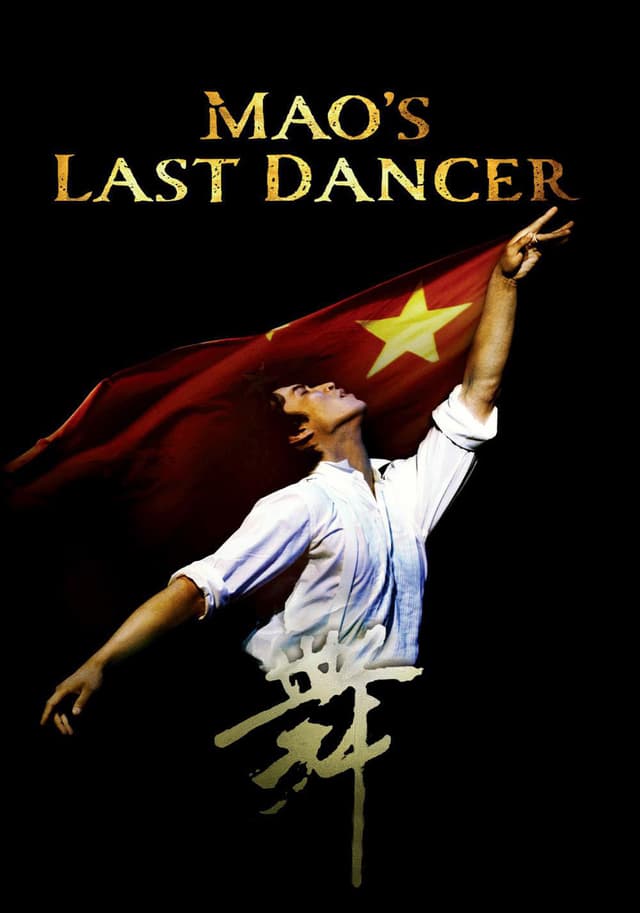
Mao's Last Dancer is the inspiring true story of Li Cunxin and his extraordinary journey from a poor upbringing in rural China to international stardom as a world-class ballet dancer. Based on the bestselling autobiography, Mao's Last Dancer weaves a moving tale about the quest for freedom and the courage it takes to live your own life. The film compellingly captures the struggles, sacrifices and triumphs, as well as the intoxicating effects of first love and celebrity amid the pain of exile.
What is the budget of Mao's Last Dancer?
"Mao's Last Dancer," a drama released in 2010, was directed by Bruce Beresford and stars Amanda Schull, Chi Cao. The production budget was $25,000,000, placing it in the mid-budget range for drama productions of its era.
Key Budget Allocation Categories
While specific budget breakdowns are not publicly available, typical cost drivers for a drama production like this include:
- Above-the-Line Talent: Drama films live or die on the strength of their performances.
- Location Filming & Period Production Design: Authentic locations , whether contemporary or historical , require scouting, permits, travel, lodging, and often significant dressing to match the story's time period.
- Post-Production, Color Grading & Score: The editorial process for dramas is typically longer than genre films, with careful attention to pacing and tone.
What were the major cost factors in Mao's Last Dancer?
Several factors contributed to the overall production costs of "Mao's Last Dancer."
- Above-the-Line Talent: Above-the-Line Talent is one of the primary cost drivers in drama productions of this scale.
- Location Filming: Location Filming & Period Production Design is one of the primary cost drivers in drama productions of this scale.
- Post-Production: Post-Production, Color Grading & Score is one of the primary cost drivers in drama productions of this scale.
How Does Mao's Last Dancer's Budget Compare to Similar Films?
At $25,000,000, Mao's Last Dancer sits in the mid-budget range. Here is how it compares to productions with a similar budget:
- 1408 (2007): Budget $25,000,000, Worldwide Gross $133,000,000
- A Journal for Jordan (2021): Budget $25,000,000, Worldwide Gross $6,700,000
- Abandon (2002): Budget $25,000,000, Worldwide Gross $10,719,357
- All My Life (2020): Budget $25,000,000, Worldwide Gross $2,000,000
- August Rush (2007): Budget $25,000,000, Worldwide Gross $66,122,026
The median budget for wide-release drama films in the 2000s ranges from $30 to 80M for mid-budget to $150M+ for tentpoles.
Mao's Last Dancer Box Office Performance
"Mao's Last Dancer" earned $4,817,770 domestically and $23,914,731 worldwide at the box office. Against a production budget of $25,000,000, the film faced challenges in theatrical release. Home video, streaming, and ancillary revenue may have contributed to its overall performance.
A film typically needs to earn approximately twice its production budget to cover marketing and distribution costs. For "Mao's Last Dancer," that break-even threshold was roughly $50,000,000. With worldwide earnings of $23,914,731, the film did not reach break-even in theatrical release.
Box Office Breakdown
Mao's Last Dancer

At -4.3%, "Mao's Last Dancer" did not recoup its production budget through theatrical release alone.
Awards and Recognition
7 wins & 20 nominations total
- AACTA Award for Best Original Music Score: Christopher Gordon
Official Trailer
Build budgets like this one in Saturation
Start from an industry-standard feature film template, import the schedule and rates you already have, and let the cost report keep itself current as you spend. Real-time collaboration, no spreadsheets.