Lights Out Budget
Updated
Synopsis
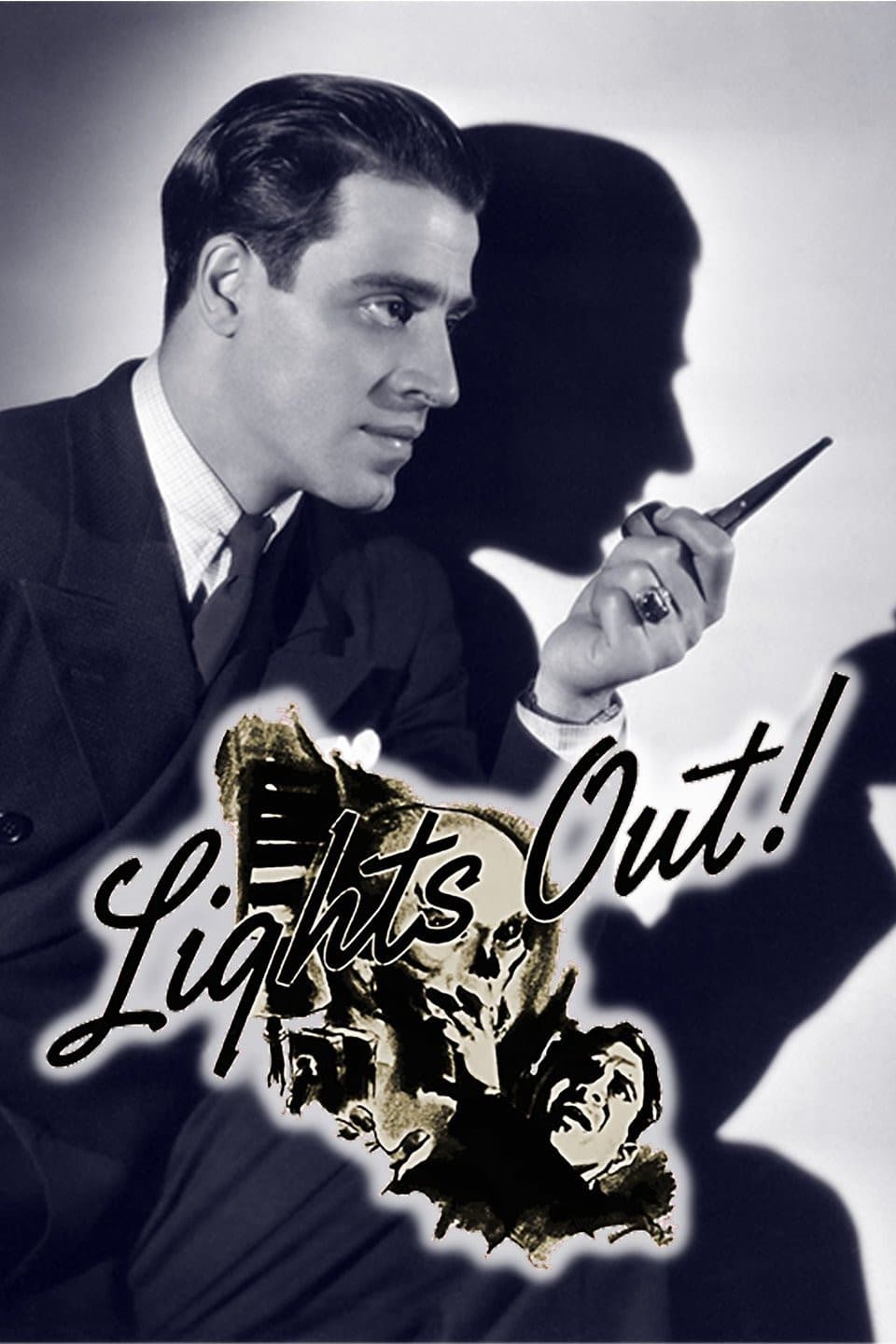
Lights Out (1949 to 1952) was the NBC television horror-and-suspense anthology series adapted from the long-running Wyllis Cooper and Arch Oboler NBC radio program of the same name (1934 to 1947). Hosted across its four-season run by Jack La Rue and Frank Gallop, the live-broadcast anthology presented stand-alone weekly horror-and-suspense stories drawn from the radio-era back-catalogue and original commissions, with guest actors including Eddie Albert, Burgess Meredith, Boris Karloff, Basil Rathbone, and Yvonne De Carlo across approximately 160 to 175 episodes from July 1949 through August 1952.
What Is the Budget of Lights Out (1949)?
Lights Out (1949 to 1952), the NBC television horror-and-suspense anthology series adapted from the long-running Wyllis Cooper and Arch Oboler NBC radio program of the same name (1934 to 1947), was produced on an estimated per-episode budget of approximately $4,000 to $8,000 across its four-season network television run. Specific NBC budgets for late-1940s and early-1950s live-broadcast horror anthology programming are not publicly documented, but the figures align with the broader live-broadcast-anthology tariff of the period, which ran substantially below contemporaneous filmed-series and prestige-anthology production costs.
The micro-budget per-episode figure reflected the show's live-broadcast production model: each episode was performed and broadcast live from NBC's New York City studios, with single-camera or three-camera live-broadcast direction, limited set construction, and a small ensemble cast assembled per episode. NBC produced the series in-house through its programming department, with sponsor underwriting (initially Admiral Television, later other rotating sponsors) covering the bulk of the production cost across the four-season run.
Key Budget Allocation Categories
Lights Out's per-episode budget of approximately $4,000 to $8,000 broke down across the cost centres typical of a late-1940s and early-1950s live-broadcast network television anthology series:
- Above-the-Line Cast: Each episode featured a small per-episode ensemble of guest actors recruited from the broader New York theatrical and live-broadcast television talent pool. Casting included emerging actors who would go on to film and television prominence, including Eddie Albert, Burgess Meredith, Boris Karloff, and many others. Per-episode cast fees ran at standard New York live-broadcast television rates of the period, substantially below contemporary feature-and-filmed-series compensation.
- Host Compensation: The series was hosted across its four-season run by Jack La Rue (1949 to 1950), Frank Gallop (1950 to 1951), and Frank Gallop again (1951 to 1952), with the host's on-camera introduction-and-outro performance providing the show's recurring anthology framework. Host compensation was a recurring line item, although modest by feature-and-prestige-series standards.
- Live-Broadcast Production: Live broadcasts from NBC's New York studios required only minimal set construction, with multi-camera live-broadcast direction, a small technical-and-effects crew, and minimal lighting-and-set-dressing budgets compared with filmed-series production. Live-broadcast production was the dominant network-television production model of the period and substantially reduced per-episode cost relative to filmed-series alternatives.
- Practical Effects and Atmosphere: The horror-and-suspense anthology format required modest practical-effects and atmospheric work including sound effects, lighting changes, and limited prosthetic-and-makeup work for the recurring horror premises. Effects work ran above a standard live-broadcast comedy-or-drama tariff but well below feature-film or filmed-horror-series costs.
- Original Music and Sound: Original orchestral cues, sound-effects design, and the recurring horror-anthology musical signature (drawing on the radio-era sonic identity of the original Lights Out program) formed a recurring weekly cost. Music and sound work ran above standard live-broadcast drama by the period's norms.
- Script Acquisition: Scripts drew on the radio-era Arch Oboler back-catalogue, original commissions from contemporary writers including Reginald Rose and others, and free-standing horror-and-suspense submissions. Per-script acquisition costs ran at standard live-broadcast network rates of the period.
How Does Lights Out's Budget Compare to Similar Series?
At an estimated $4,000 to $8,000 per episode, Lights Out (1949 to 1952) sat in the standard live-broadcast network-anthology tier of the late-1940s and early-1950s television era. The comparison set illustrates how its production scale stacked up against contemporaneous and successor horror-anthology programming:
- Suspense (1949 to 1954): Estimated per-episode budget approximately $4,000 to $7,000. CBS's contemporaneous suspense-anthology series, adapted from the long-running CBS radio program of the same name, ran at a comparable live-broadcast tariff and competed with Lights Out across the same network-anthology slot.
- The Twilight Zone (1959 to 1964): Estimated per-episode budget approximately $65,000 to $85,000. CBS's Rod Serling-created filmed anthology, premiering nearly a decade after Lights Out, cost approximately ten to twenty times as much per episode on a filmed-series production model versus the live-broadcast model of Lights Out, illustrating the cost gap between the live-broadcast and filmed-series anthology eras.
- Tales from the Crypt (1989 to 1996): Estimated per-episode budget approximately $1,000,000 to $1,500,000 in the late-1980s and early-1990s. HBO's premium-cable filmed horror anthology, premiering forty years after Lights Out, cost approximately 200 to 300 times as much per episode in nominal dollars, illustrating the multi-decade compounding effect of the inflation, technical, and cast-fee inflation across television-anthology production.
- Alfred Hitchcock Presents (1955 to 1965): Estimated per-episode budget approximately $35,000 to $60,000. CBS's filmed suspense anthology, premiering six years after Lights Out, cost approximately five to ten times as much per episode on a filmed-series model that quickly displaced the live-broadcast anthology framework that Lights Out had occupied.
- Lights Out (1972, BBC): Estimated per-episode budget approximately £8,000 to £12,000 in 1972 currency. The BBC's unrelated mid-1970s British horror anthology series of the same name ran at a comparable basic-broadcast tariff in its own market.
Lights Out Season Performance and Syndication
Lights Out premiered on NBC on July 19, 1946 as a four-episode summer experiment hosted by horror writer Arch Oboler. The series returned in a regular weekly format on July 25, 1949 and ran for four seasons through August 11, 1952, comprising approximately 160 to 175 episodes across the regular run depending on counting methodology. The economic framework across the run breaks down as follows:
- Per-Episode Budget: approximately $4,000 to $8,000 across the four-season, approximately 160-to-175-episode regular run (1949 to 1952)
- Total Series Investment: approximately $640,000 to $1,400,000 in 1949-to-1952 dollars across the regular run (approximately $8,300,000 to $18,200,000 in 2025-equivalent dollars)
- Network: NBC in the United States; the series did not appear in significant international syndication during its initial broadcast run
- Audience/Ratings: reliable rating figures for the late-1940s and early-1950s television era are limited; the show was a recurring network-anthology fixture across its four-season run
- Sponsor Underwriting: Admiral Television (initial sponsor), with rotating sponsors across the later seasons including Energine, Wildroot Cream-Oil, and others typical of the early-1950s network-anthology sponsor model
- Library/Syndication Value: limited surviving kinescope recordings (live-broadcast preservation was inconsistent across the period); selected episodes survive in public-domain and Library of Congress archives
NBC discontinued Lights Out in 1952 as the live-broadcast anthology model was being displaced by filmed-series anthologies (Alfred Hitchcock Presents, The Twilight Zone) that offered greater preservation, syndication, and post-broadcast catalogue value. The show's catalogue value across the subsequent decades has been limited to the surviving kinescope-and-public-domain holdings, with selected episodes available through public-domain streaming and through the Library of Congress National Film Registry-and-archive holdings.
Lights Out is now most often cited in academic and critical surveys of late-1940s and early-1950s live-broadcast network-anthology programming, as a structural predecessor to The Twilight Zone (1959), Alfred Hitchcock Presents (1955), and Tales from the Crypt (1989), and as a defining radio-to-television transition program for the Wyllis Cooper-and-Arch Oboler horror-anthology legacy that originated on NBC Radio in 1934.
Lights Out Production History
Lights Out originated as an NBC Radio horror-and-suspense anthology created by Wyllis Cooper in 1934, with Arch Oboler succeeding Cooper as head writer and showrunner in 1936. The radio program ran intermittently from 1934 through 1947 across multiple network and sponsor configurations and became a defining American radio-horror property, with episodes including "Cat Wife" (1938) and "Chicken Heart" (1937) entering broader American pop-cultural memory as iconic radio-horror set pieces.
NBC mounted the first television Lights Out experiment in summer 1946 as a four-episode pilot hosted by Arch Oboler, drawing on the radio-era source material to test the property's television viability. The pilot was successful enough that NBC committed to a regular weekly series in 1949, with Jack La Rue serving as initial on-camera host across the 1949 to 1950 season and Frank Gallop succeeding him in subsequent seasons.
Production took place across NBC's New York City live-broadcast studios from 1949 through 1952, using the standard live-broadcast network-anthology production model of the period: each episode was performed and broadcast live, with single-camera or three-camera live-broadcast direction, limited set construction, and a small ensemble cast recruited from the broader New York theatrical and live-broadcast television talent pool. Surviving kinescope recordings (16mm films of the live broadcast captured by pointing a film camera at a television monitor during the broadcast) preserved a partial record of the four-season run.
Notable guest actors across the four-season run included Eddie Albert, Burgess Meredith, Boris Karloff, William Prince, Basil Rathbone, Yvonne De Carlo, and many other emerging and established stage-and-screen actors of the period. Episodes drew on Arch Oboler's radio-era back-catalogue, original commissions from contemporary writers including Reginald Rose (later of 12 Angry Men), and free-standing horror-and-suspense scripts submitted to the NBC writers' room.
NBC discontinued the series in 1952 as the broader American television industry transitioned from live-broadcast to filmed-series production. The filmed-anthology successor formats including Alfred Hitchcock Presents (1955), The Twilight Zone (1959), and Thriller (1960) absorbed the horror-and-suspense anthology audience that Lights Out had cultivated across the radio-and-television-era transition.
Awards and Recognition
Lights Out received minimal awards recognition during its 1949 to 1952 broadcast run, reflecting the early-1950s state of American television awards ceremonies (the Primetime Emmy Awards were established in 1949 but did not include a dedicated horror-anthology or limited-series category through the early 1950s) and the broader marginal cultural status of horror-anthology programming in the immediate post-war television era.
Selected guest actors and writers across the four-season run received period-specific recognition for their broader live-broadcast television work, with Lights Out figuring as a recurring credit in the broader 1950s live-broadcast television industry. Arch Oboler's radio-and-television legacy across Lights Out, Arch Oboler's Plays (1939 to 1940), and the broader Oboler-Cooper horror-anthology tradition has been recognized in academic and archival surveys of the late-radio and early-television horror-anthology era.
Retrospective recognition has centered on the surviving kinescope-and-public-domain holdings, on academic-history-of-television curricula focusing on the live-broadcast-to-filmed-series transition, and on the structural-predecessor framing of Lights Out as a foundation for the later filmed-anthology programs (The Twilight Zone, Alfred Hitchcock Presents, Tales from the Crypt). The Paley Center for Media and the Library of Congress hold selected surviving episodes in their network-television archive collections.
Critical Reception
Lights Out received generally positive contemporary reviews across its 1949 to 1952 broadcast run. Period television critics including Jack Gould of The New York Times and broader trade-press critics regularly highlighted the show's atmospheric live-broadcast horror work, the strength of its guest-casting choices, and the continuity of the Wyllis Cooper-and-Arch Oboler radio-era horror-anthology tradition.
Critics broadly praised the show's atmospheric production design within the constraints of live-broadcast television, the recurring strong performances from guest actors recruited from the broader New York theatrical pool, and the strength of selected adapted Arch Oboler radio-era scripts including "Cat Wife" and "Chicken Heart." Some critics flagged the live-broadcast constraints on the horror-and-suspense format, noting that filmed-anthology programs could have rendered the visual horror with greater technical resource.
Retrospective reappraisal has centered on the show's structural position as a foundation for the later filmed-anthology programs, on the radio-to-television transition framework that Lights Out embodied, and on selected surviving episodes of the four-season run as historical artifacts of the late-1940s and early-1950s American live-broadcast television era. Lights Out is now most often cited in academic-history-of-television surveys alongside Suspense (1949 to 1954), the Kraft Television Theatre (1947 to 1958), and the broader live-broadcast-network-anthology tradition of the period.
Frequently Asked Questions
How much did each episode of Lights Out (1949) cost to produce?
Estimated per-episode budgets ranged from approximately $4,000 to $8,000 across the four-season, approximately 160-to-175-episode network television run from 1949 through 1952. Specific NBC budgets for late-1940s and early-1950s live-broadcast horror anthology programming are not publicly documented, but the figures align with the broader live-broadcast-anthology tariff of the period.
Is Lights Out (1949) based on a radio show?
Yes. The television series adapts the long-running Wyllis Cooper and Arch Oboler NBC Radio horror-and-suspense anthology of the same name, which ran intermittently from 1934 through 1947 across multiple network and sponsor configurations. The radio program became a defining American radio-horror property with episodes including "Cat Wife" (1938) and "Chicken Heart" (1937) entering broader American pop-cultural memory.
How many seasons and episodes of Lights Out are there?
Lights Out ran for four television seasons comprising approximately 160 to 175 episodes from July 25, 1949 through August 11, 1952 on NBC, depending on counting methodology. An earlier four-episode summer experiment in 1946 hosted by Arch Oboler preceded the regular weekly series, which premiered in 1949 with Jack La Rue as initial on-camera host.
Who hosted Lights Out?
Jack La Rue hosted the show across the 1949 to 1950 season, with Frank Gallop succeeding him as on-camera host from 1950 through the 1952 series conclusion. The host's on-camera introduction-and-outro performance provided the show's recurring anthology framework, drawing on the radio-era horror-anthology host tradition established by the original NBC Radio program.
Where was Lights Out filmed?
Lights Out was a live-broadcast television program produced and performed live from NBC's New York City studios across its 1949 to 1952 broadcast run. The live-broadcast production model meant each episode was performed in real time and broadcast simultaneously to NBC affiliate stations across the country, with surviving kinescope recordings (16mm films of the live broadcast captured by pointing a film camera at a television monitor) preserving a partial record of the four-season run.
Who appeared as guest actors in Lights Out?
Notable guest actors across the four-season run included Eddie Albert, Burgess Meredith, Boris Karloff, Basil Rathbone, Yvonne De Carlo, William Prince, Leslie Nielsen, John Carradine, Raymond Massey, and Henry Hull. Many of the show's guest actors went on to broader film and television careers across the 1950s and 1960s, with Lights Out figuring as a recurring credit in the broader live-broadcast television industry of the period.
Why did Lights Out end in 1952?
NBC discontinued Lights Out in 1952 as the broader American television industry transitioned from live-broadcast to filmed-series production. The filmed-anthology successor formats including Alfred Hitchcock Presents (1955), The Twilight Zone (1959), and Thriller (1960) absorbed the horror-and-suspense anthology audience that Lights Out had cultivated across the radio-and-television-era transition.
How does Lights Out compare to The Twilight Zone?
Lights Out cost approximately $4,000 to $8,000 per episode against The Twilight Zone's $65,000 to $85,000 per episode in the late-1950s. The cost gap of approximately ten to twenty times reflects the live-broadcast-to-filmed-series production model transition that occurred across the 1950s, with Lights Out (live-broadcast, 1949 to 1952) serving as a structural predecessor to The Twilight Zone (filmed, 1959 to 1964).
Can you watch Lights Out (1949) today?
Selected surviving kinescope episodes of Lights Out are available through public-domain streaming platforms and through the Library of Congress and Paley Center for Media archive collections. Live-broadcast preservation was inconsistent across the late-1940s and early-1950s television era, with only a partial record of the four-season run surviving in any form. Comprehensive home-video or streaming distribution does not exist for the series.
Did Lights Out win any awards?
Lights Out received minimal awards recognition during its 1949 to 1952 broadcast run, reflecting the early-1950s state of American television awards ceremonies (the Primetime Emmy Awards were established in 1949 but did not include a dedicated horror-anthology or limited-series category through the early 1950s) and the broader marginal cultural status of horror-anthology programming in the immediate post-war television era.
Filmmakers
Lights Out

Official Trailer
Build budgets like this one in Saturation
Start from an industry-standard feature film template, import the schedule and rates you already have, and let the cost report keep itself current as you spend. Real-time collaboration, no spreadsheets.