Le Trou Budget
Updated
Synopsis
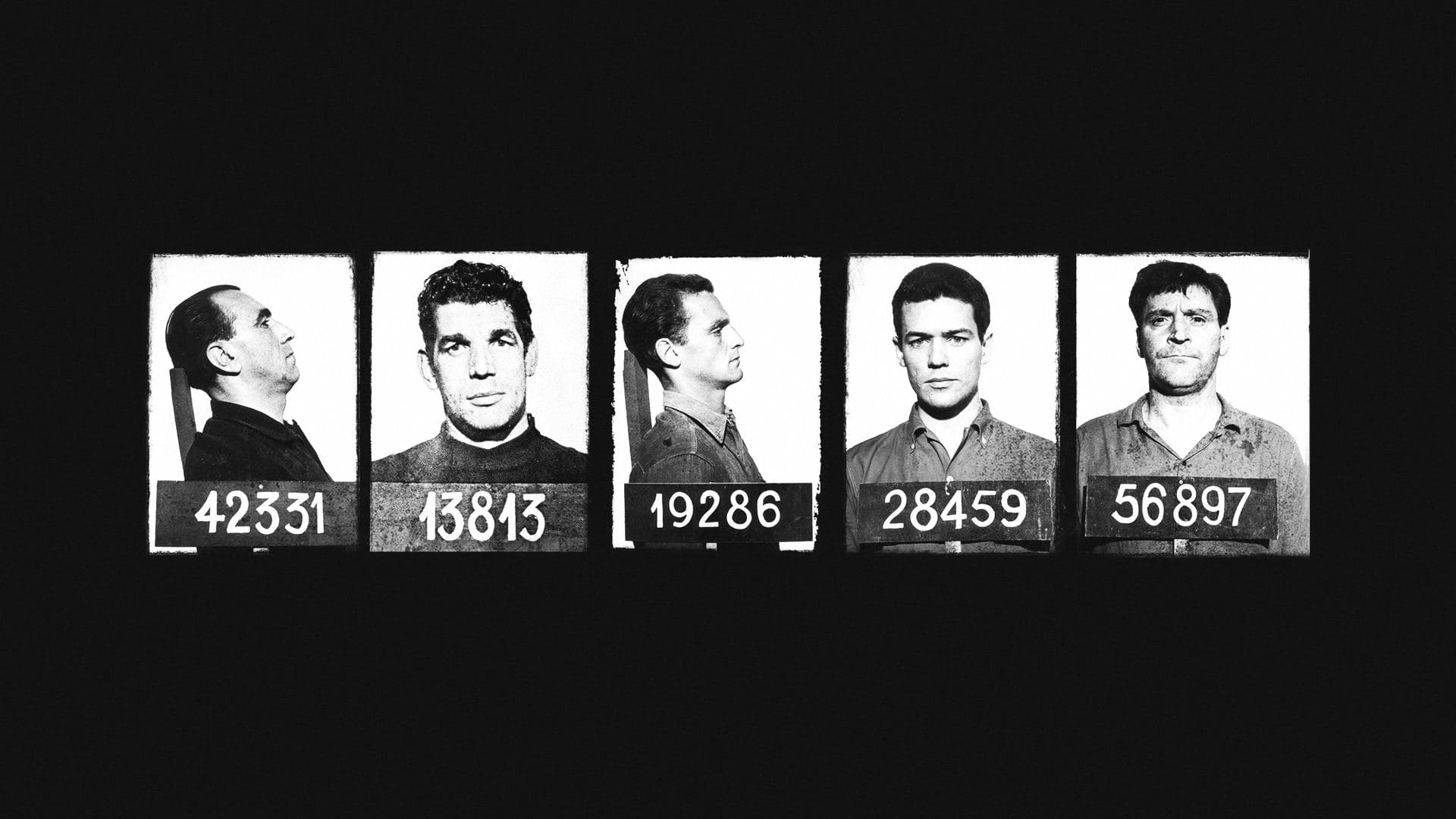
In a Paris prison cell in 1947, four hardened inmates planning a meticulous escape are joined by a young new prisoner facing a long sentence. Over weeks of patient labor, they tunnel through stone floors and navigate the prison's subterranean passages, with the new arrival's loyalty becoming the variable that will decide every life in the cell.
What is known about the production of Le Trou?
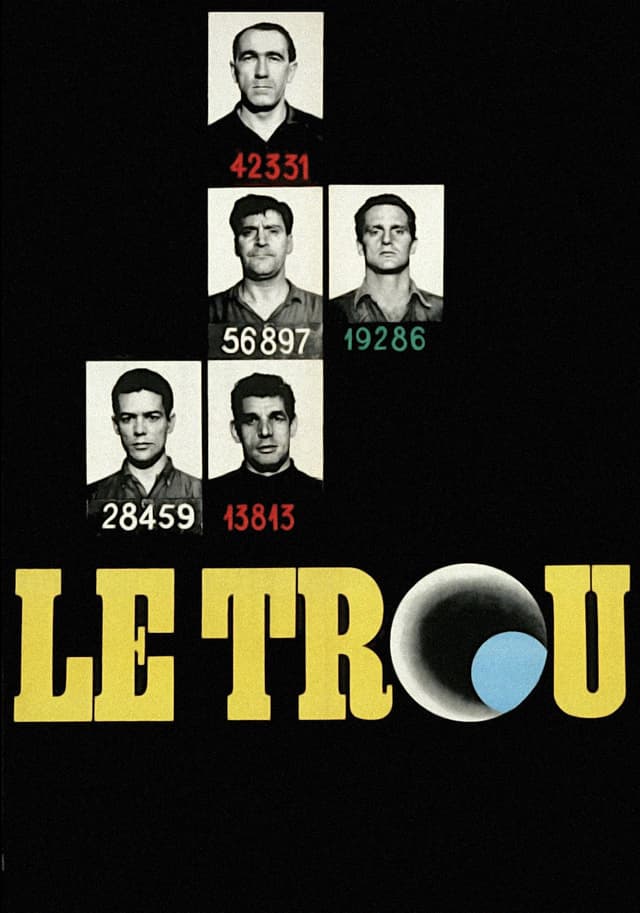
"Le Trou," a drama released in 1960, was directed by Jacques Becker and stars Michel Constantin, Jean Keraudy. The production budget has not been publicly disclosed, though Filmsonor, Play Art, Titanus produced the film, making it a notable entry in the drama landscape whose financial details remain private.
Key Budget Allocation Categories
While specific budget breakdowns are not publicly available, typical cost drivers for a drama production like this include:
- Production: According to the 1964 press materials that are included in The Criterion Collection DVD, Jacques Becker first read of the 1947 La Santé Prison escape attempt in a newspaper.
Le Trou Box Office Performance
"Le Trou" earned $34,588 domestically and $33,187 worldwide at the box office.
Awards and Recognition
Nominated for 2 BAFTA 2 wins & 4 nominations total
Critical Reception
The Hole has a Rotten Tomatoes score of 94% based on 18 reviews, with an average score of 8.59/10.
How Does Le Trou's Budget Compare to Similar Prison Films?
- A Man Escaped (1956): Budget Not disclosed | Worldwide Limited. Robert Bresson's WWII French prison escape film and the most direct stylistic precedent for Becker's rigor.
- The Great Escape (1963): Budget $4,000,000 | Worldwide $11,744,471. A Hollywood prison escape film released three years later at a vastly larger budget and global scale.
- Escape from Alcatraz (1979): Budget $8,000,000 | Worldwide $43,000,000. Don Siegel's American prison escape drama showing how the genre evolved into mainstream studio territory.
- A Prophet (2009): Budget $14,800,000 | Worldwide $20,000,000. Jacques Audiard's contemporary French prison drama, cited as a spiritual successor to Becker's patient observational style.
Le Trou Production History
Le Trou is based on the novel Le Trou by Jose Giovanni, who drew on his own experience attempting to escape from La Sante prison in Paris in 1947. Giovanni co-wrote the screenplay with director Jacques Becker, the veteran of French Poetic Realism whose previous work included Casque d'Or (1952) and Touchez Pas au Grisbi (1954).
Becker cast the film primarily with non-professional actors. Jean Keraudy, who played the character of Roland, was the actual escape artist from Giovanni's real-life 1947 attempt and appears as himself, opening the film with a direct address to the camera.
Principal photography took place in Paris in 1959 on a single, carefully constructed set representing the prison cell and its surrounding corridors. Becker shot many of the manual tunneling sequences in extended takes with minimal coverage, emphasizing the physical labor of the escape.
The picture was Becker's final film. He died of hemochromatosis in February 1960 during post-production, with the editing completed by his collaborators ahead of the March 1960 theatrical release. The film is widely regarded as one of the great achievements of late French Poetic Realism and a foundational influence on the modern prison film.
Frequently Asked Questions
What was the production budget of Le Trou (1960)?
The production budget for Le Trou was not publicly disclosed. The film was financed by French producer Serge Silberman through Filmsonor and was a modest production by 1960 standards.
How much did Le Trou gross at the box office?
Reported worldwide gross figures, primarily from later restoration releases, total approximately $33,187. The original 1960 French theatrical performance was modest but respected.
Is Le Trou based on a true story?
Yes. Le Trou adapts Jose Giovanni's autobiographical novel about his own attempted escape from La Sante prison in Paris in 1947.
Was Jacques Becker alive when Le Trou was released?
No. Jacques Becker died of hemochromatosis in February 1960 during post-production. His collaborators completed the editing ahead of the March 1960 theatrical release.
Who is Jean Keraudy in Le Trou?
Jean Keraudy plays Roland in the film. Keraudy was the actual escape artist from Jose Giovanni's real 1947 escape attempt and appears in Le Trou as himself, opening the film with a direct address to the camera.
Where was Le Trou filmed?
Le Trou was shot in Paris in 1959 on a carefully constructed studio set representing the prison cell and surrounding corridors.
How long is Le Trou?
Le Trou runs 132 minutes in its complete theatrical cut.
Did Le Trou win any awards?
Le Trou was nominated for the Palme d'Or at the 1960 Cannes Film Festival. The film has since been the subject of multiple restoration releases and is regularly cited on critic polls of the greatest French films.
Who has cited Le Trou as an influence?
Filmmakers including Jean-Pierre Melville, Jacques Audiard, and Michael Mann have cited Le Trou as a foundational influence on the modern prison film and procedural drama.
Is Le Trou available on home video?
Yes. The Criterion Collection released Le Trou on Blu-ray and DVD in restored editions, and the film is available on streaming through the Criterion Channel and similar arthouse platforms.
Filmmakers
Le Trou

Official Trailer
Build budgets like this one in Saturation
Start from an industry-standard feature film template, import the schedule and rates you already have, and let the cost report keep itself current as you spend. Real-time collaboration, no spreadsheets.