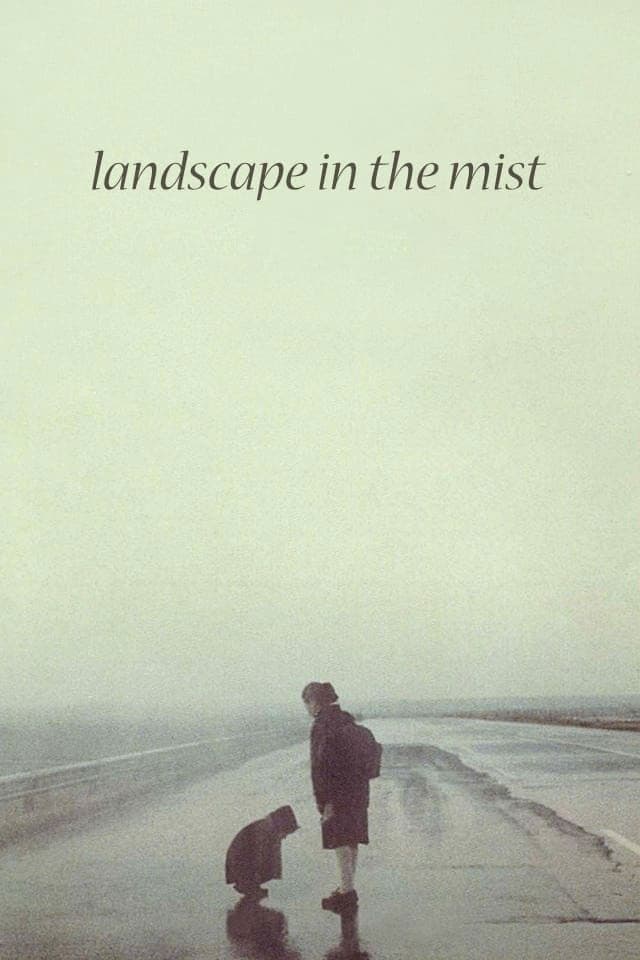
Landscape in the Mist Budget
Updated
Synopsis
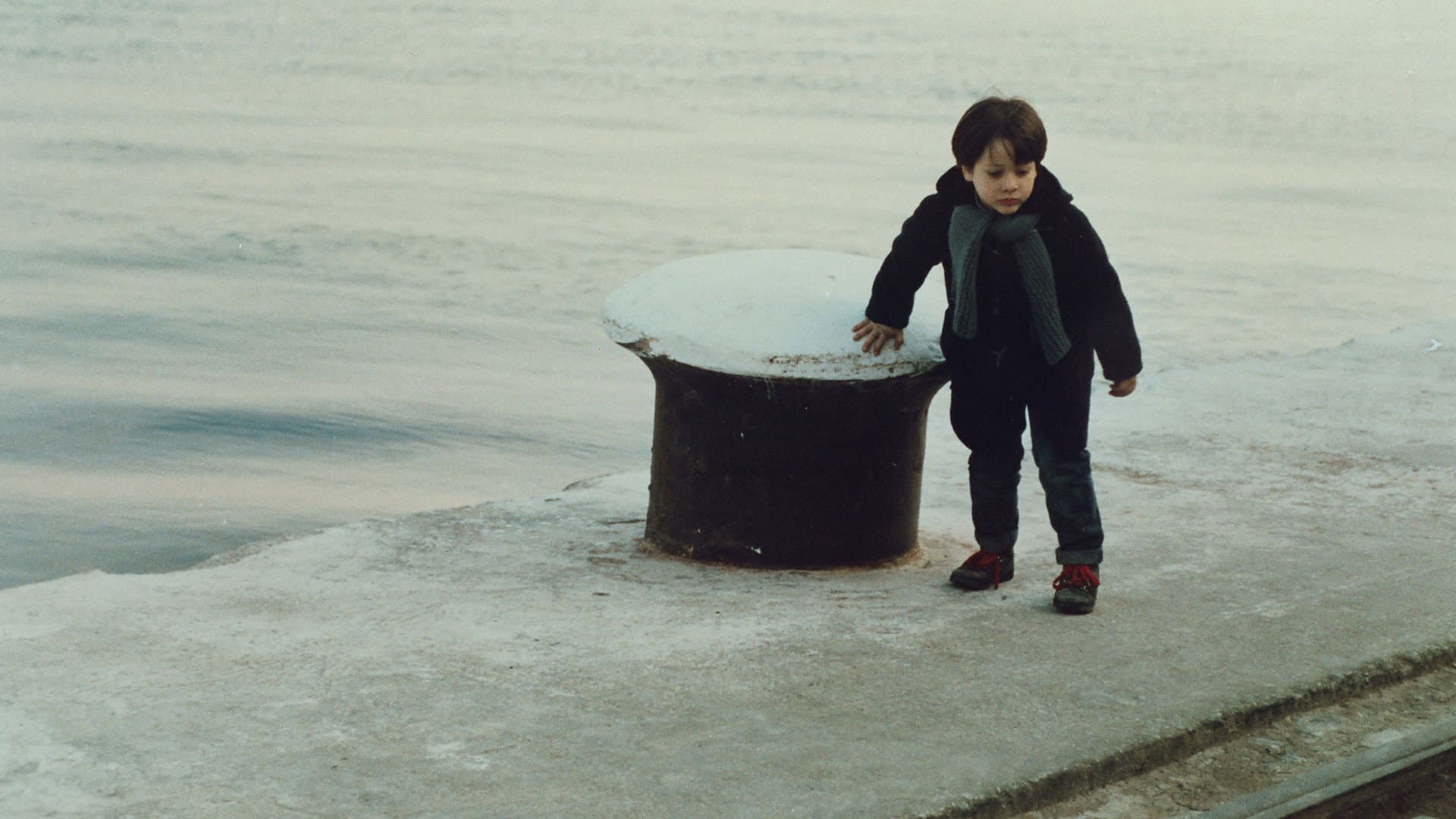
Eleven-year-old Voula and her five-year-old brother Alexander escape their mother's home in Athens to search for the father they have been told lives in Germany, embarking on a wintry journey across Greece by train, on foot, and by car with strangers. As the children move through a series of dreamlike encounters, including a tender connection with a young actor named Orestes, Theo Angelopoulos's contemplative third entry in his Trilogy of Silence reaches toward an ambiguous, mythic finale in the mist.
What Is the Budget of Landscape in the Mist (1988)?
Landscape in the Mist (Topio stin Omichli, 1988), directed by Theo Angelopoulos, was produced as a Greek-French-Italian arthouse co-production through Greek Film Center, Paradis Films, and Basicinematografica with additional support from Channel 4 and Italian state television RAI. The exact production budget has not been publicly disclosed, with industry estimates placing the figure in the $1,500,000 to $2,500,000 USD range based on comparable late-1980s European art-cinema co-productions. The picture was the third and final entry in Angelopoulos's Trilogy of Silence, following Voyage to Cythera (1984) and The Beekeeper (1986).
The investment reflected Theo Angelopoulos's signature deliberate aesthetic: a multi-country location shoot across Greece, painterly long-take Steadicam cinematography requiring extensive rehearsal and complex blocking, a small ensemble centered on the two young leads Tania Palaiologou (as Voula) and Michalis Zeke (as Alexander), and a Eleni Karaindrou orchestral score that became one of the most recognizable elements of late-1980s Greek arthouse cinema. Producer Eric Heumann (Paradis Films) coordinated the multi-country financing structure that allowed Angelopoulos to maintain his deliberate production pace.
Key Budget Allocation Categories
Landscape in the Mist's contained European co-production budget was distributed across several major areas:
- Above-the-Line Talent Theo Angelopoulos directed at his post-Voyage to Cythera arthouse scale. Lead child actors Tania Palaiologou and Michalis Zeke, both non-professional first-time performers, worked at modest child-actor rates. Stratos Tzortzoglou played the young actor Orestes. The deliberately small ensemble materially contained above-the-line cost.
- Multi-Country Greek Location Shoot Principal photography took place across Greece over an extended winter shooting schedule, with locations including Florina (near the Yugoslav border), Thessaloniki, Athens, and the Macedonian border region. The multi-location shoot required substantial location-management logistics across the country's diverse winter terrain.
- Long-Take Cinematography Cinematographer Giorgos Arvanitis, Angelopoulos's longtime collaborator, delivered the picture's signature painterly long-take Steadicam approach, with individual shots running several minutes in duration. The technique required extensive rehearsal and complex blocking, with the picture's most famous sequence (the giant hand sculpture rising from the sea) requiring substantial mechanical engineering.
- Production Design Production designer Mikes Karapiperis rendered the picture's wintry Greek-border landscapes with documentary specificity, using practical locations rather than constructed sets throughout. The contained production-design budget reflected the picture's location-driven aesthetic.
- Costume Costume designer Anastasia Arseni dressed the cast in plainspoken winter wear that supported the picture's documentary-realist look, with the two child leads in a small number of layered outfits that aged across the picture's journey timeline.
- Score by Eleni Karaindrou Composer Eleni Karaindrou delivered an orchestral score with prominent oboe and string melodic lines that became one of the picture's most-discussed elements. The Karaindrou score has been released as a standalone album and has been cited as one of the defining film scores of late-1980s European arthouse.
- Post-Production Post-production through Greek and French laboratories prepared the picture for its September 1988 Venice Film Festival competition premiere, where it won the Silver Lion for Best Director.
How Does Landscape in the Mist's Budget Compare to Similar Films?
At an estimated $1,500,000 to $2,500,000 USD, Landscape in the Mist sits in the typical budget range for late-1980s European arthouse co-productions. The comparison set illustrates how its scale tracked against peer productions:
- The Sacrifice (1986): Budget undisclosed (estimated $3,000,000) | limited international arthouse release. Andrei Tarkovsky's Cannes Grand Prix-winning Swedish-French co-production cost slightly more than Landscape in the Mist and provided the late-1980s European arthouse-prestige template.
- Wings of Desire (1987): Budget approximately $2,500,000 | Worldwide approximately $3,200,000. Wim Wenders's Cannes Best Director-winning German-French co-production cost similar to Landscape in the Mist and earned a stronger international arthouse theatrical release.
- Voyage to Cythera (1984): Budget undisclosed (estimated $1,500,000) | limited international arthouse release. Theo Angelopoulos's first entry in the Trilogy of Silence operated on a similar scale to Landscape in the Mist and established the budget envelope the trilogy maintained.
- Au Revoir Les Enfants (1987): Budget undisclosed (estimated $3,500,000) | Worldwide approximately $5,800,000. Louis Malle's autobiographical drama from the year before Landscape in the Mist cost more and earned a stronger international arthouse theatrical release, providing the prestige-tier French arthouse template.
- The Decalogue (1989): Budget undisclosed (estimated $2,000,000 across the series) | television and limited theatrical. Krzysztof Kieslowski's Polish television series, contemporaneous with Landscape in the Mist, operated on a similar scale and provided the late-1980s Eastern European arthouse-prestige template.
Landscape in the Mist Box Office Performance
Landscape in the Mist premiered in competition at the 45th Venice International Film Festival in September 1988, where it won the Silver Lion for Best Director, the FIPRESCI Prize, and the OCIC Award. The picture opened in Greek theatrical release in late 1988 and screened across European arthouse circuits through 1989 and 1990. The United States limited theatrical release was handled by New Yorker Films starting in 1990, with subsequent screenings at the New York Film Festival and the Telluride Film Festival.
The picture's full historical theatrical gross is not consistently reported across territories. Estimates and partial figures from the financial breakdown:
Box Office Breakdown
Landscape in the Mist

The picture's commercial performance is best understood in late-1980s European arthouse terms rather than contemporary commercial metrics. The European arthouse theatrical run earned strong critical reception and prestigious festival recognition, the U.S. limited theatrical release through New Yorker Films earned distinguished critical reviews, and the picture's Venice Silver Lion substantially extended its commercial life through revival screenings and home video.
The Greek Film Center's prestige investment in the picture as the third entry in Theo Angelopoulos's Trilogy of Silence was widely judged successful in artistic and reputational terms. The picture has been repeatedly restored and reissued through the Greek Film Archive, the Criterion Collection (which included it in their Trilogy of Silence box set), and various international restoration partnerships through the 2000s and 2010s.
Landscape in the Mist Production History
Theo Angelopoulos developed Landscape in the Mist as the third and final entry in his Trilogy of Silence, following Voyage to Cythera (1984) and The Beekeeper (1986). Angelopoulos co-wrote the screenplay with Tonino Guerra (Antonioni's longtime collaborator) and Thanassis Valtinos, with the picture's central premise of two children searching for an absent father drawing on Greek mythology, the diaspora-loss themes of post-war Greek cinema, and Angelopoulos's signature long-take aesthetic.
The picture's Greek-French-Italian co-production financing was assembled through Greek Film Center, Paradis Films (Eric Heumann), and Basicinematografica with additional support from Channel 4 and Italian state television RAI. The multi-country financing structure allowed Angelopoulos to maintain his deliberate production pace across an extended winter shooting schedule.
Principal photography took place across Greece over the winter of 1987 to 1988, with locations including Florina (near the Yugoslav border), Thessaloniki, Athens, and the Macedonian border region. The multi-location shoot required substantial location-management logistics across the country's diverse winter terrain, with cinematographer Giorgos Arvanitis (Angelopoulos's longtime collaborator) delivering the picture's signature painterly long-take Steadicam approach.
The picture's most famous sequence, the giant hand sculpture rising from the sea and being airlifted away by helicopter, required substantial mechanical engineering and on-location coordination. Composer Eleni Karaindrou delivered the orchestral score in 1988, with the prominent oboe and string melodic lines becoming one of the picture's most-discussed elements. Post-production was completed in summer 1988 for the September 1988 Venice Film Festival competition premiere.
Awards and Recognition
Landscape in the Mist received substantial international awards recognition. At the 45th Venice International Film Festival 1988, the picture won the Silver Lion for Best Director, the FIPRESCI Prize, and the OCIC Award. At the European Film Awards 1989 (the inaugural ceremony), the picture won the Best European Film Award (the European equivalent of Best Picture in its first ceremony year).
At the Thessaloniki International Film Festival, the picture won multiple categories including Best Picture, Best Director, and Best Cinematography for Giorgos Arvanitis. Eleni Karaindrou's score has been frequently cited in retrospective surveys as one of the defining film scores of late-1980s European arthouse cinema. The picture is widely cited in retrospective critical surveys of Greek cinema, including the Greek Film Critics' decennial polls, as one of the major works of Theo Angelopoulos's career and one of the defining works of late-1980s Greek arthouse cinema.
Critical Reception
Landscape in the Mist received strong critical reviews. The film holds a 88% approval rating on Rotten Tomatoes based on 18 critic reviews, with the critical consensus calling it 'a haunting, contemplative journey rendered with Theo Angelopoulos's signature painterly long-take aesthetic.' On Metacritic, the film does not have an aggregated score from the original 1988 release period, but contemporary critical retrospective coverage has consistently placed the picture in the upper tier of late-1980s European arthouse cinema.
Vincent Canby of the New York Times called the picture 'a remarkable, mythic journey rendered with extraordinary cinematographic intelligence,' and J. Hoberman of the Village Voice praised the picture's 'painterly austerity.' Roger Ebert later cited the picture in his coverage of Angelopoulos's filmography, writing that 'Landscape in the Mist is the work of a filmmaker entirely confident in his deliberate pace and his uncompromising aesthetic.'
Comparative critical analyses across Angelopoulos's filmography consistently cite Landscape in the Mist as one of the director's finest works, alongside The Travelling Players (1975), Eternity and a Day (1998, which would win the Cannes Palme d'Or a decade later), and Ulysses' Gaze (1995). The picture's critical reputation has continued to grow across the decades since release, with retrospective coverage placing it alongside Wings of Desire (1987) and The Sacrifice (1986) as defining examples of the late-1980s European arthouse achievement. The Criterion Collection restoration and reissue further extended the picture's contemporary critical standing.
Frequently Asked Questions
How much did Landscape in the Mist (1988) cost to make?
The official production budget has not been publicly disclosed. Industry estimates place the budget in the $1,500,000 to $2,500,000 USD range based on comparable late-1980s European art-cinema co-productions. The picture was financed as a Greek-French-Italian co-production through Greek Film Center, Paradis Films, and Basicinematografica.
How much did Landscape in the Mist earn at the box office?
A consolidated international theatrical gross is not consistently reported. The picture had a successful European arthouse theatrical run starting in late 1988, with a U.S. limited theatrical release through New Yorker Films starting in 1990. The picture's Venice Silver Lion substantially extended its commercial life through revival screenings and home video.
Who directed Landscape in the Mist?
Theo Angelopoulos directed the picture as the third and final entry in his Trilogy of Silence, following Voyage to Cythera (1984) and The Beekeeper (1986). Angelopoulos co-wrote the screenplay with Tonino Guerra (Antonioni's longtime collaborator) and Thanassis Valtinos.
Where was Landscape in the Mist filmed?
Principal photography took place across Greece over the winter of 1987 to 1988, with locations including Florina (near the Yugoslav border), Thessaloniki, Athens, and the Macedonian border region. The multi-location shoot required substantial location-management logistics across the country's diverse winter terrain.
Who stars in Landscape in the Mist?
Tania Palaiologou stars as eleven-year-old Voula and Michalis Zeke stars as her five-year-old brother Alexander, both non-professional first-time performers. Stratos Tzortzoglou plays the young actor Orestes who befriends the children during their journey.
What awards did Landscape in the Mist win?
At the 45th Venice International Film Festival 1988, the picture won the Silver Lion for Best Director, the FIPRESCI Prize, and the OCIC Award. At the inaugural European Film Awards 1989, the picture won Best European Film. The picture also won multiple categories at the Thessaloniki International Film Festival including Best Picture and Best Director.
What is the Trilogy of Silence?
The Trilogy of Silence is Theo Angelopoulos's three-film cycle exploring themes of exile, return, and unresolved Greek post-war identity. The cycle includes Voyage to Cythera (1984), The Beekeeper (1986), and Landscape in the Mist (1988). Each picture features Angelopoulos's signature long-take cinematography and contemplative pacing.
Who composed the music for Landscape in the Mist?
Eleni Karaindrou delivered the orchestral score, with prominent oboe and string melodic lines that became one of the picture's most-discussed elements. The Karaindrou score has been released as a standalone album and has been cited as one of the defining film scores of late-1980s European arthouse cinema.
What is the giant hand sculpture sequence?
The picture's most famous sequence, in which a giant disembodied hand sculpture rises from the sea and is airlifted away by helicopter, required substantial mechanical engineering and on-location coordination. The image has become one of the most cited moments in Theo Angelopoulos's filmography and one of the defining visual motifs of late-1980s European arthouse cinema.
What did critics think of Landscape in the Mist?
Landscape in the Mist received strong critical reviews. It holds an 88% approval rating on Rotten Tomatoes from 18 critic reviews. Vincent Canby of the New York Times called it 'a remarkable, mythic journey rendered with extraordinary cinematographic intelligence,' and J. Hoberman of the Village Voice praised its 'painterly austerity.'
Filmmakers
Landscape in the Mist

Official Trailer
Build budgets like this one in Saturation
Start from an industry-standard feature film template, import the schedule and rates you already have, and let the cost report keep itself current as you spend. Real-time collaboration, no spreadsheets.