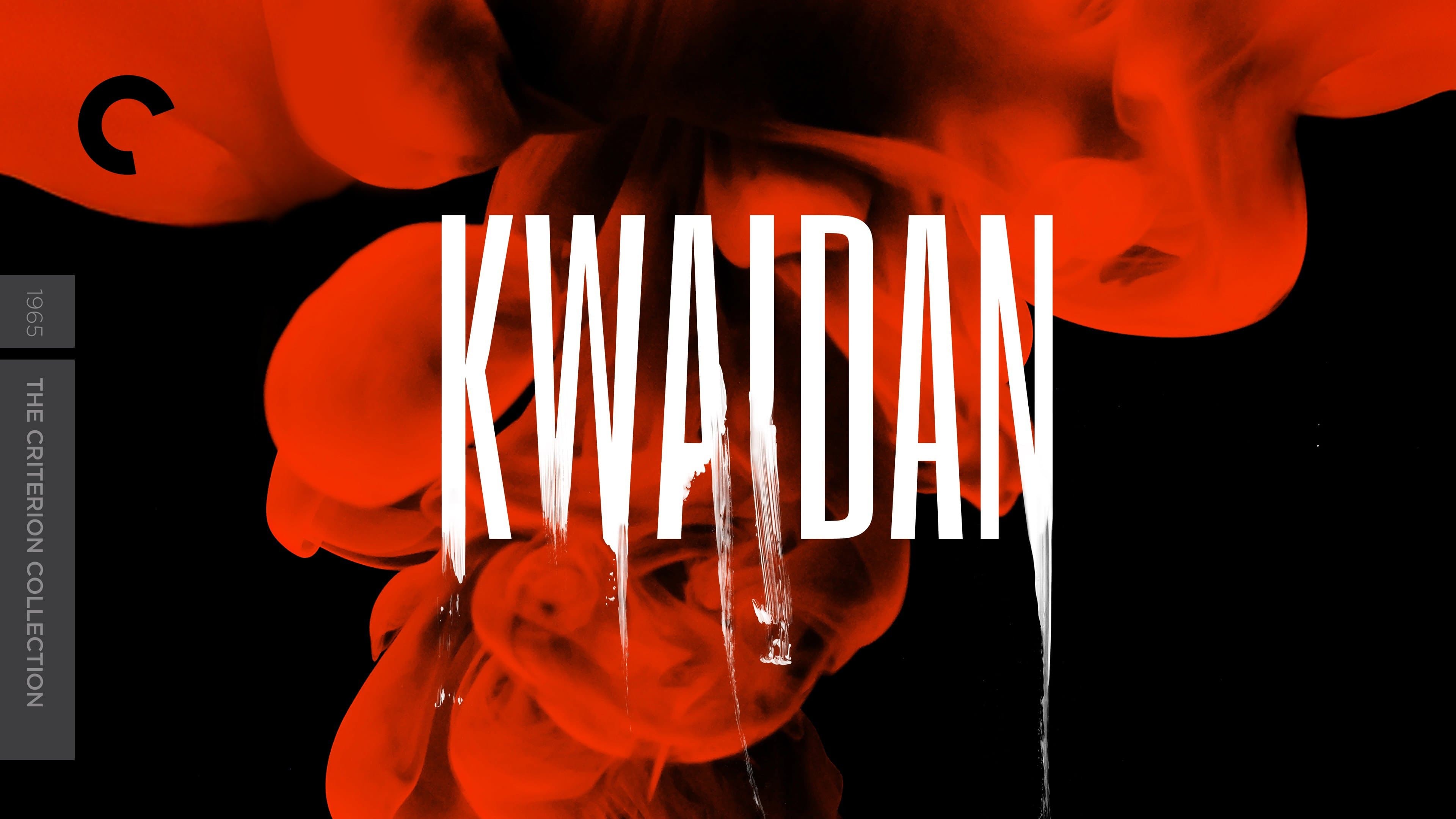
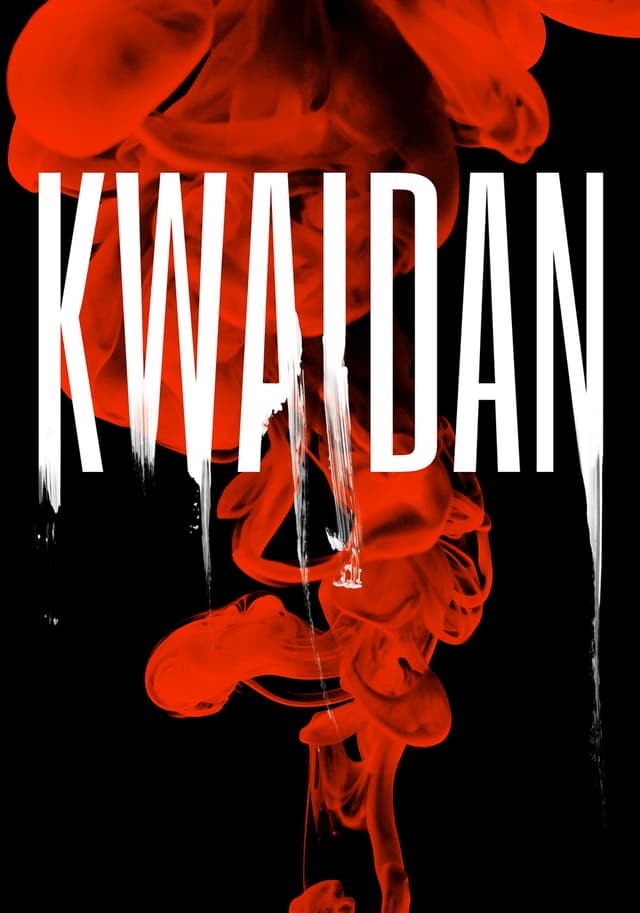
Kwaidan Budget
 HorrorFantasyDrama3h 3m
Updated
Synopsis
This film contains four distinct, separate stories. "Black Hair": A poor samurai who divorces his true love to marry for money, but finds the marriage disastrous and returns to his old wife, only to discover something eerie about her. "The Woman in the Snow": Stranded in a snowstorm, a woodcutter meets an icy spirit in the form of a woman spares his life on the condition that he never tell anyone about her. A decade later he forgets his promise. "Hoichi the Earless": Hoichi is a blind musician, living in a monastery who sings so well that a ghostly imperial court commands him to perform the epic ballad of their death battle for them. But the ghosts are draining away his life, and the monks set out to protect him by writing a holy mantra over his body to make him invisible to the ghosts. But they've forgotten something. "In a Cup of Tea": a writer tells the story of a man who keep seeing a mysterious face reflected in his cup of tea.
What is known about the production of Kwaidan?
"Kwaidan," a horror released in 1965, was directed by Masaki Kobayashi and stars Michiyo Aratama, Rentaro Mikuni. The production budget has not been publicly disclosed, though Ninjin Club, TOHO produced the film, making it a notable entry in the horror landscape whose financial details remain private.
Key Budget Allocation Categories
While specific budget breakdowns are not publicly available, typical cost drivers for a horror production like this include:
- Filming & Locations: Filming began on March 22, 1964.
- Music & Score: Tōru Takemitsu composed the film's score and co-created its sound effects, both of which are considered revolutionary.
What were the major cost factors in Kwaidan?
Several factors contributed to the overall production costs of "Kwaidan."
- Filming: Filming & Locations is one of the primary cost drivers in horror productions of this scale.
- Music: Music & Score is one of the primary cost drivers in horror productions of this scale.
Kwaidan Production History
Filming began on March 22, 1964. Nearly all scenes were shot on vast indoor soundstages converted from a former military barracks,ironic given Kobayashi's pacifism and wartime trauma (drafted 1941, Kwantung Army near Unit 731, brief POW detention). This enabled stylized, uncanny landscapes.
Tōru Takemitsu composed the film's score and co-created its sound effects, both of which are considered revolutionary. This marked his third of ten collaborations with Kobayashi. Kobayashi said his films had "too much music" until Takemitsu, who parsed to essentials.
Awards and Recognition
Nominated for 1 Oscar. 5 wins & 3 nominations total
Critical Reception
Japanese critics considered Kwaidan one of the best Japanese films of 1964 or 1965, but the latter year was mostly disregarded, as the film premiered in 1964 and was thus considered a 1964 film; only a few votes in a 1965 survey of Japanese film critics mentioned it as such. Kinema Junpo ranked it the second best Japanese film of 1964, after Woman in the Dunes, and The Japan Times placed it sixth. Yoko Mizuki also won the Kinema Junpo award for Best Screenplay.
Frequently Asked Questions
How much did it cost to make Kwaidan (1965)?
The production budget has not been publicly disclosed.
How much did Kwaidan (1965) earn at the box office?
Box office figures are not publicly available.
Was Kwaidan (1965) profitable?
Insufficient data for a profitability assessment.
What were the biggest costs in producing Kwaidan?
Specific cost breakdowns are not publicly available.
How does Kwaidan's budget compare to similar horror films?
Without a confirmed budget, comparison is not possible.
Did Kwaidan (1965) go over budget?
There are no widely reported accounts of significant budget overruns for this production. However, studios rarely disclose precise budget overrun figures publicly. The reported production budget reflects the final estimated cost.
What awards did Kwaidan (1965) win?
Nominated for 1 Oscar. 5 wins & 3 nominations total.
Who directed Kwaidan and who were the key crew members?
Directed by Masaki Kobayashi, written by Yōko Mizuki, shot by Yoshio Miyajima, with music by Toru Takemitsu, edited by Hisashi Sagara.
Where was Kwaidan filmed?
Kwaidan was filmed in Japan. Filming began on March 22, 1964. Nearly all scenes were shot on vast indoor soundstages converted from a former military barracks - ironic given Kobayashi's pacifism and wartime trauma (drafted 1941, Kwantung Army near Unit 731, brief POW detention).
Filmmakers
Kwaidan

Official Trailer
Build budgets like this one in Saturation
Start from an industry-standard feature film template, import the schedule and rates you already have, and let the cost report keep itself current as you spend. Real-time collaboration, no spreadsheets.