Kick-Ass Budget
 ActionCrime1h 58m
Updated
Synopsis
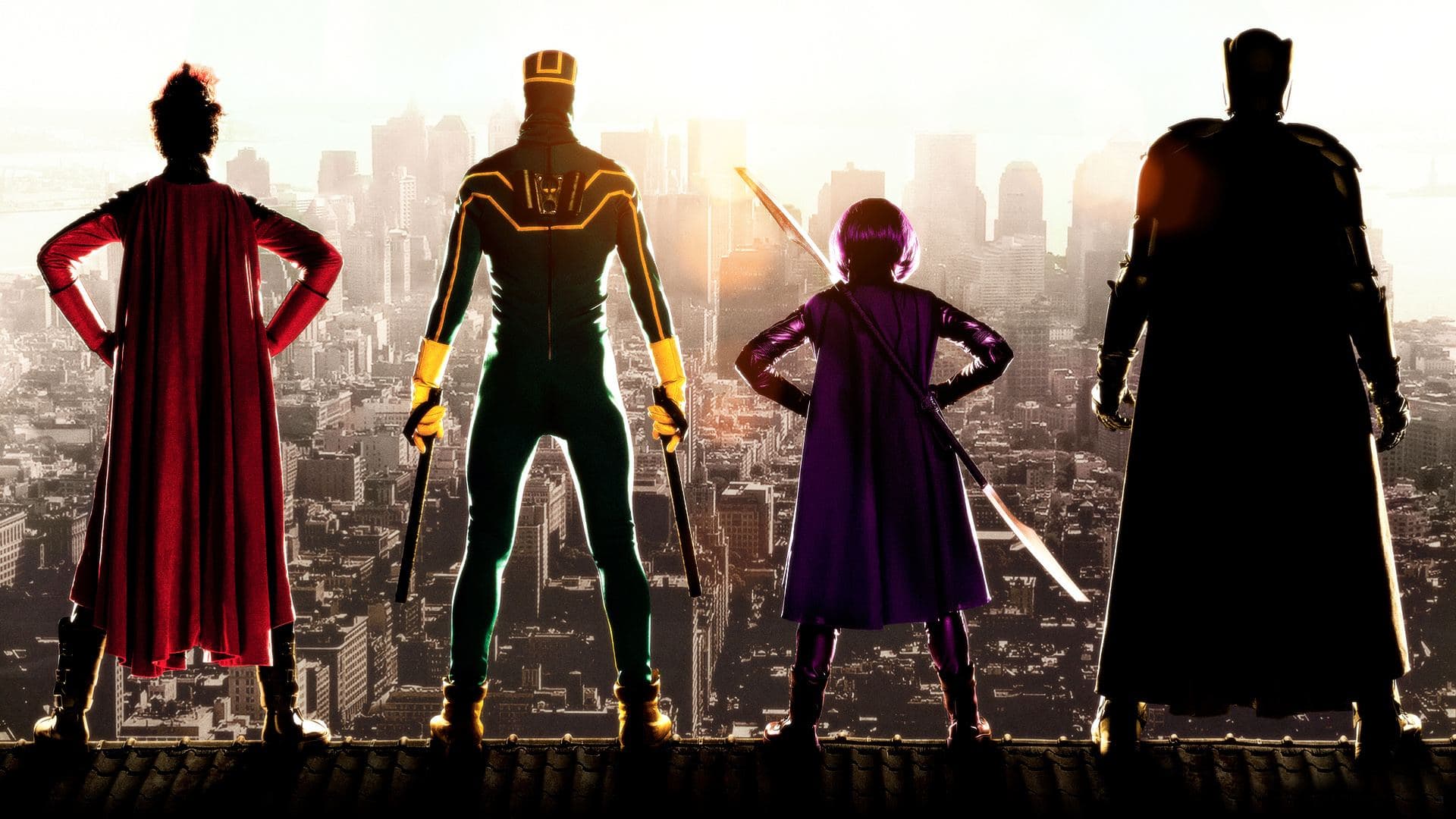
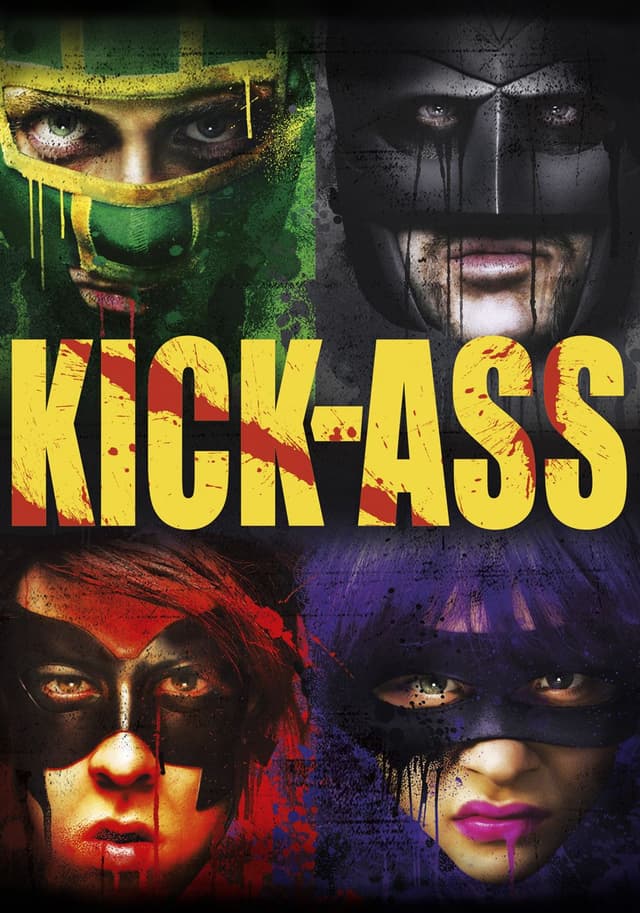
Bullied New York teenager Dave Lizewski orders a wetsuit, gives himself the alter ego Kick-Ass, and tries to become a real-world superhero. His first attempt nearly kills him. His second leads him into the orbit of Big Daddy and his eleven-year-old daughter Hit-Girl, vigilantes with a far older score to settle against the Italian crime boss Frank D'Amico.
What Is the Budget of Kick-Ass (2010)?
The production budget of Kick-Ass was approximately $30,000,000, financed independently by Matthew Vaughn through his Marv Films company alongside Plan B Entertainment, after every major Hollywood studio passed on the project. The figure represented an unusually disciplined spend for an R-rated comic-book adaptation in the late 2000s and reflected the producers' decision to retain control and final cut by avoiding studio financing.
Director Matthew Vaughn shot Kick-Ass primarily in London and across the United Kingdom, with additional second-unit work in Toronto. Principal photography ran approximately 70 days. The picture's practical stunt work, the elaborate Hit-Girl fight choreography by Brad Allan, and a roughly $5 million visual effects spend accounted for the bulk of the practical production budget.
Key Budget Allocation Categories
- Cast Compensation: Aaron Johnson as Dave Lizewski/Kick-Ass, Chloë Grace Moretz as Mindy Macready/Hit-Girl in her breakout role, Nicolas Cage as Damon Macready/Big Daddy, Mark Strong as Frank D'Amico, Christopher Mintz-Plasse, and Lyndsy Fonseca.
- Stunt Choreography: Extensive practical stunt work including the Hit-Girl corridor and apartment fight sequences, choreographed by Brad Allan, formerly of Jackie Chan's stunt team.
- Visual Effects: Approximately $5 million in effects work covering the jetpack rocket-launcher sequence, the warehouse climax, and the picture's comic-stylized graphic inserts.
- Production Design: New York City stand-in locations, the D'Amico headquarters, the Big Daddy apartment, and the picture's comic-book-inflected world design supervised by Russell De Rozario.
- Music and Soundtrack: A licensed soundtrack including The Prodigy's Stand Up, Joan Jett, Elvis, Sparks, and the original score by Henry Jackman, John Murphy, and Marius De Vries.
- Distribution: Lionsgate's US theatrical campaign and Universal Pictures' UK and international rollouts.
How Does Kick-Ass's Budget Compare to Similar Films?
- Watchmen (2009): Budget $130,000,000 | Worldwide $185,258,983. A comparable R-rated comic-book adaptation released a year earlier, made for more than four times the Kick-Ass spend.
- Scott Pilgrim vs. the World (2010): Budget $60,000,000 | Worldwide $47,664,599. A comparable comic-book adaptation released the same year at a higher budget with weaker commercial reception.
- Super (2010): Budget $2,500,000 | Worldwide $1,144,068. James Gunn's independent R-rated superhero picture released the same year at a fraction of the budget.
- Kick-Ass 2 (2013): Budget $28,000,000 | Worldwide $60,808,635. The Jeff Wadlow-directed sequel three years later on a slightly smaller budget with weaker commercial reception.
Kick-Ass Box Office Performance
Kick-Ass opened to $19,828,687 across its domestic debut on April 16, 2010, finishing first at the box office and well above pre-release tracking for an R-rated comic-book adaptation. The picture played strongly across the first two weeks.
Box Office Breakdown
Kick-Ass

For every $1 invested, Vaughn's Marv Films and its distribution partners recouped roughly $1.07 after the exhibitor split, with strong home video and cable performance widening the margin considerably over the following year.
Domestic accounted for 50 percent of the worldwide total. The picture's commercial success drove home video sales that pushed the total return meaningfully above the theatrical-only figure, and Vaughn's decision to retain ownership ensured that Marv Films captured an unusually large share of the picture's long tail.
Kick-Ass Production History
Matthew Vaughn and Jane Goldman adapted Mark Millar and John Romita Jr.'s Kick-Ass comic-book series, which began publication in early 2008, with Vaughn making a deliberate choice to develop the picture in parallel with the comic so the film could release shortly after the comic series's first arc concluded.
Every major Hollywood studio passed on the project, citing the picture's R-rated violence and particularly the eleven-year-old Hit-Girl character. Vaughn self-financed the picture through his Marv Films company alongside Plan B Entertainment to retain creative control and final cut.
Principal photography took place across the United Kingdom and Canada from September through December 2008. The Hit-Girl character's corridor and apartment fight sequences, choreographed by Brad Allan, became the picture's most discussed action material. Chloë Grace Moretz, then eleven years old, trained extensively for the role and performed many of her own stunts under close supervision.
Awards and Recognition
Kick-Ass received an Empire Award for Best Newcomer (Chloë Grace Moretz) and was nominated for Best British Film, Best Director, and Best Sci-Fi/Fantasy. Chloë Grace Moretz won the Saturn Award for Best Performance by a Younger Actor and received numerous critics' circle awards. The picture won the MTV Movie Award for Best Fight (Hit-Girl vs. Frank D'Amico's thugs) and was nominated for several BAFTA Awards. The picture has subsequently appeared on numerous decade-defining best-of lists for action and comic-book cinema.
Critical Reception
Kick-Ass holds a 76 percent rating on Rotten Tomatoes and a Metacritic score of 66. CinemaScore audiences gave the film a B+. Roger Ebert gave it one star, writing that "the movie is morally reprehensible" specifically because of the Hit-Girl character. A.O. Scott of The New York Times was more positive, calling it "exhilarating, even when it's nasty." Manohla Dargis wrote that Moretz "is the picture's revelation." Owen Gleiberman of Entertainment Weekly gave it an A-. The picture sparked significant cultural debate around the Hit-Girl character's violence and on-screen language, with critics divided on whether the picture's self-aware framing justified or excused the material.
Frequently Asked Questions
What was the production budget of Kick-Ass (2010)?
The production budget of Kick-Ass was approximately $30 million, financed independently by Matthew Vaughn through his Marv Films company alongside Plan B Entertainment after every major Hollywood studio passed on the project.
How much did Kick-Ass gross worldwide?
Kick-Ass grossed $96,188,903 worldwide, including $48,071,303 domestically and $48,117,600 internationally.
Was Kick-Ass profitable?
Yes. Kick-Ass returned a positive theatrical margin and was further bolstered by strong home video and cable performance. Vaughn's decision to retain ownership through Marv Films ensured the production captured an unusually large share of the long-tail revenue.
Why did studios pass on Kick-Ass?
Every major Hollywood studio passed on financing Kick-Ass, citing the picture's R-rated violence and particularly the eleven-year-old Hit-Girl character's on-screen actions. Matthew Vaughn self-financed to retain creative control and final cut.
How old was Chloë Grace Moretz when filming Kick-Ass?
Chloë Grace Moretz was eleven years old when filming Kick-Ass. She trained extensively for the role and performed many of her own stunts under close supervision and with stunt-coordinated choreography by Brad Allan.
Is Kick-Ass based on a comic book?
Yes. Kick-Ass is based on the Mark Millar and John Romita Jr. comic-book series of the same name, which began publication in early 2008. Vaughn developed the picture in parallel with the comic so the film could release shortly after the first comic arc concluded.
Where was Kick-Ass filmed?
Kick-Ass was shot primarily in London and across the United Kingdom, doubling for New York City, with additional second-unit work in Toronto.
How long is Kick-Ass?
Kick-Ass runs 117 minutes.
Was a Kick-Ass sequel made?
Yes. Kick-Ass 2 (2013), directed by Jeff Wadlow rather than Matthew Vaughn, followed three years later. The sequel underperformed both critically and commercially relative to the original.
Did Kick-Ass receive any awards?
Chloë Grace Moretz won the Saturn Award for Best Performance by a Younger Actor and the Empire Award for Best Newcomer. The picture also won the MTV Movie Award for Best Fight and received several BAFTA nominations including Best British Film.
Filmmakers
Kick-Ass

Official Trailer
Build budgets like this one in Saturation
Start from an industry-standard feature film template, import the schedule and rates you already have, and let the cost report keep itself current as you spend. Real-time collaboration, no spreadsheets.