Kansas City Budget
Updated
Synopsis
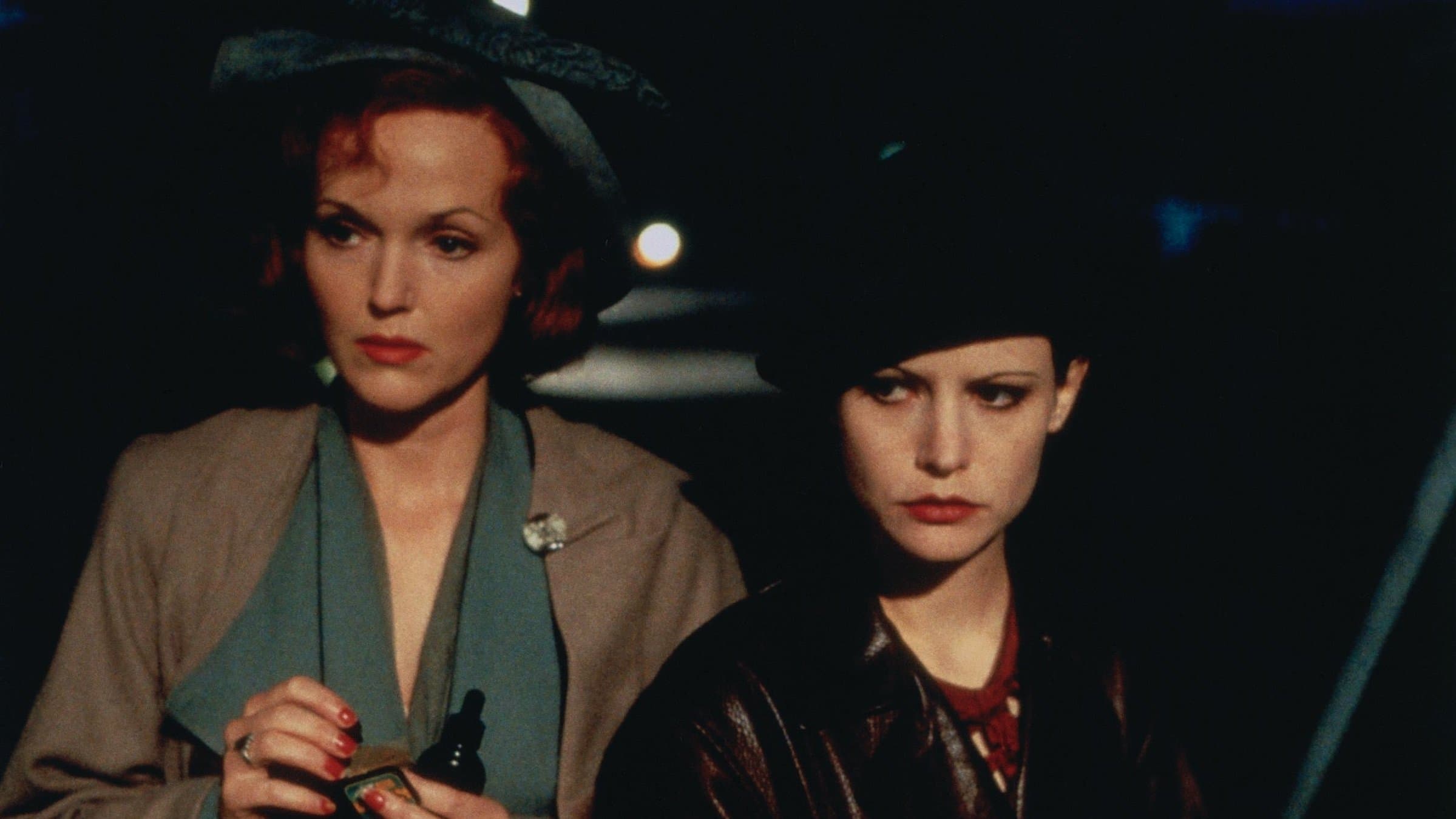
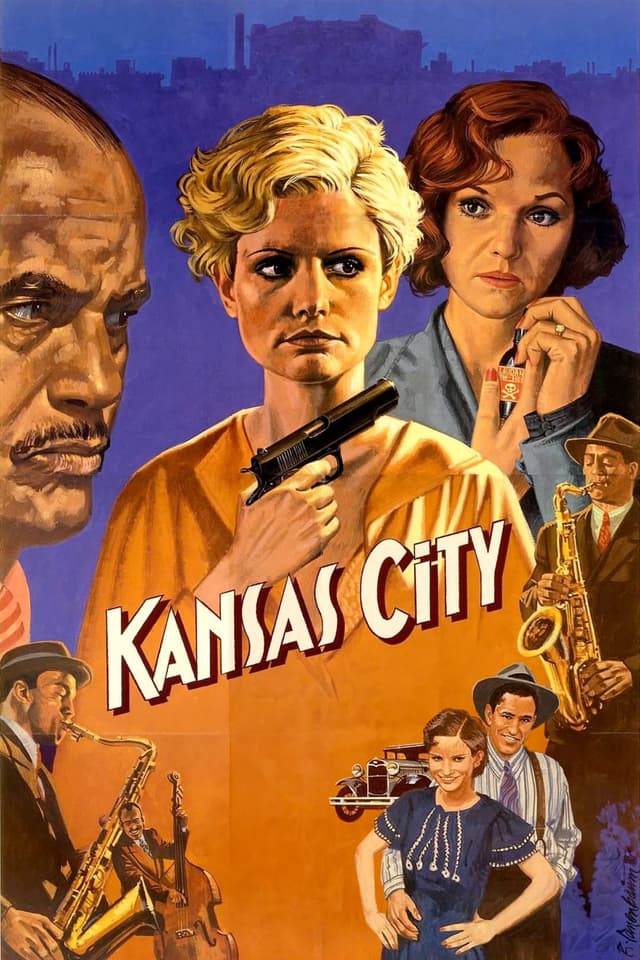
Returning to the city of his birth for inspiration, legendary maverick director Robert Altman helms an evocative, bullet-riddled tribute to the music and movies of his youth in Kansas City, a Depression-era gangster flick as only he could make one. Blondie O’Hara resorts to desperate measures when her low-level hood husband Johnny gets caught trying to steal from Seldom Seen, a local crime boss operating out of jazz haunt The Hey-Hey Club. Out on a limb, Blondie kidnaps laudanum-addled socialite Carolyn, hoping her influential politician husband can pull the right strings and get Johnny out of Seldom Seen’s clutches.
What is the budget of Kansas City?
"Kansas City," a drama released in 1996, was directed by Robert Altman and stars Jennifer Jason Leigh, Miranda Richardson. The production budget was $18,000,000, placing it in the low-budget range for drama productions of the 1990s.
Key Budget Allocation Categories
While specific budget breakdowns are not publicly available, typical cost drivers for a drama production like this include:
- Above-the-Line Talent: Drama films live or die on the strength of their performances.
- Location Filming & Period Production Design: Authentic locations , whether contemporary or historical , require scouting, permits, travel, lodging, and often significant dressing to match the story's time period.
- Post-Production, Color Grading & Score: The editorial process for dramas is typically longer than genre films, with careful attention to pacing and tone.
What were the major cost factors in Kansas City?
Several factors contributed to the overall production costs of "Kansas City."
- Above-the-Line Talent: Above-the-Line Talent is one of the primary cost drivers in drama productions of this scale.
- Location Filming: Location Filming & Period Production Design is one of the primary cost drivers in drama productions of this scale.
- Post-Production: Post-Production, Color Grading & Score is one of the primary cost drivers in drama productions of this scale.
How Does Kansas City's Budget Compare to Similar Films?
At $18,000,000, Kansas City sits in the low-budget range. Here is how it compares to productions with a similar budget:
- 127 Hours (2010): Budget $18,000,000, Worldwide Gross $35,700,000
- A Dog's Way Home (2019): Budget $18,000,000, Worldwide Gross $17,643,857
- Amadeus (1984): Budget $18,000,000, Worldwide Gross $90,007,557
- And So It Goes (2014): Budget $18,000,000, Worldwide Gross $25,312,387
- Barbershop 2: Back in Business (2004): Budget $18,000,000 , Gross $65,070,412
The median budget for wide-release drama films in the era ranges from $30 to 80M for mid-budget to $150M+ for tentpoles.
Kansas City Box Office Performance
"Kansas City" earned $1,356,329 domestically. Against a production budget of $18,000,000, the film faced challenges in theatrical release. Home video, streaming, and ancillary revenue may have contributed to its overall performance.
A film typically needs to earn approximately twice its production budget to cover marketing and distribution costs. For "Kansas City," that break-even threshold was roughly $36,000,000. With worldwide earnings of $1,356,329, the film did not reach break-even in theatrical release.
Box Office Breakdown
Kansas City

At -92.5%, "Kansas City" did not recoup its production budget through theatrical release alone.
Awards and Recognition
3 wins & 1 nomination total
Frequently Asked Questions
How much did it cost to make Kansas City (1996)?
The production budget was $18,000,000, covering principal photography, cast and crew salaries, locations, sets, post-production, and music. Marketing and distribution (P&A) costs are estimated at an additional $9,000,000 - $14,400,000, bringing the total studio investment to approximately $27,000,000 - $32,400,000.
How much did Kansas City (1996) earn at the box office?
Box office figures are not publicly available.
Was Kansas City (1996) profitable?
Insufficient data for a profitability assessment.
What were the biggest costs in producing Kansas City?
The primary cost drivers were above-the-line talent (Jennifer Jason Leigh, Miranda Richardson, Harry Belafonte); talent compensation, authentic period production design, and meticulous post-production; international production across United States of America, France.
How does Kansas City's budget compare to similar drama films?
At $18,000,000, Kansas City is classified as a low-budget production. The median budget for wide-release drama films in the era ranges from $30 - 80M for mid-budget to $150M+ for tentpoles. Comparable budgets: 127 Hours (2010, $18,000,000); A Dog's Way Home (2019, $18,000,000); Amadeus (1984, $18,000,000).
Did Kansas City (1996) go over budget?
There are no widely reported accounts of significant budget overruns for this production. However, studios rarely disclose precise budget overrun figures publicly. The reported production budget reflects the final estimated cost.
What awards did Kansas City (1996) win?
3 wins & 1 nomination total.
Who directed Kansas City and who were the key crew members?
Directed by Robert Altman, written by Robert Altman, Frank Barhydt, shot by Oliver Stapleton, edited by Geraldine Peroni.
Where was Kansas City filmed?
Kansas City was filmed in United States of America, France.
Filmmakers
Kansas City

Official Trailer
Build budgets like this one in Saturation
Start from an industry-standard feature film template, import the schedule and rates you already have, and let the cost report keep itself current as you spend. Real-time collaboration, no spreadsheets.