Jerusalem Budget
Updated
Synopsis
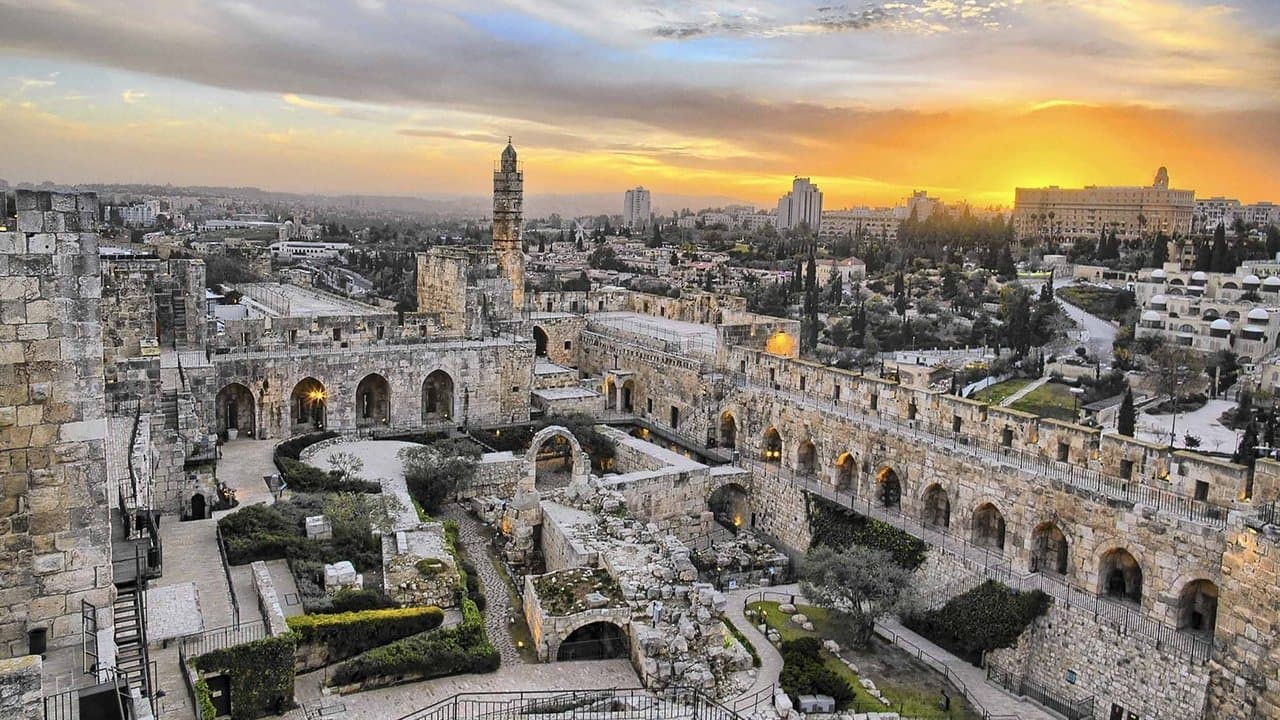
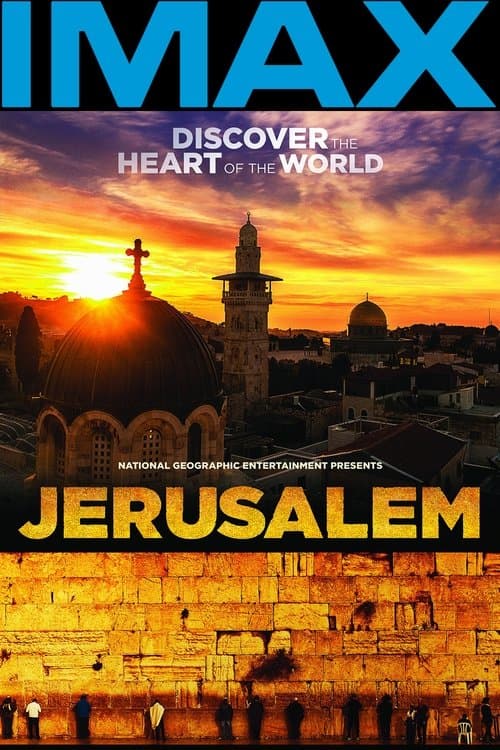
Filmed in 3D for IMAX and Giant Screen cinemas, JERUSALEM is an immersive experience about one of the world's most beloved cities. Discover why this tiny piece of land is sacred to billions of people and how archaeology is uncovering secrets of Jerusalem's past.
What Is the Budget of Jerusalem?
Jerusalem was produced on a budget of approximately $8 million, financed by National Geographic Entertainment and MacGillivray Freeman Films. The IMAX documentary was directed by Daniel Ferguson and narrated by Benedict Cumberbatch, examining the ancient city of Jerusalem as the spiritual center of three major world religions: Judaism, Christianity, and Islam.
The $8 million budget reflects the specialized requirements of IMAX documentary production, where camera systems alone cost several times more than standard digital cinema equipment and specialized rigging is required to film in historically sensitive and politically complex environments. The film was shot over three years in Jerusalem's Old City, an area that presented unique logistical, permitting, and security challenges at every stage of production.
Key Budget Allocation Categories
- IMAX Camera Systems and Rigging: IMAX film cameras used in the early 2010s required significantly more infrastructure than digital cinema cameras, including specialized magazines, heavy support rigs, and limited shooting time per magazine. Filming in Jerusalem's narrow Old City alleys, on the Temple Mount, and inside sites like the Church of the Holy Sepulchre required custom rigging solutions and extensive negotiation with religious and civil authorities for each location.
- Three-Year Production in Jerusalem's Old City: The film followed three young women across three years of their lives: Revital, a Jewish teenager; Farah, a Muslim teenager; and Nadia, a Christian teenager, all of whom grew up within the walls of the Old City. Sustaining a film crew in Jerusalem for this duration required ongoing security coordination, location permits across multiple religious jurisdictions, and the logistical costs of operating in one of the most heavily monitored cities on Earth.
- Director Daniel Ferguson and MacGillivray Freeman Films: MacGillivray Freeman Films is one of the world's leading IMAX documentary production companies, with a catalog including To Fly!, Everest, and Grand Canyon Adventure. Ferguson developed Jerusalem in collaboration with the company's established IMAX production infrastructure and its relationships with National Geographic Entertainment, which provided co-financing and distribution through its IMAX network.
- Benedict Cumberbatch Narration: Cumberbatch, whose profile had risen significantly following the success of Sherlock and his casting as Khan in Star Trek Into Darkness, brought international recognition to the film. Recording narration for IMAX films requires professional sound facilities and attention to the specific acoustic requirements of large-format theatrical presentation.
- Post-Production for IMAX Exhibition: IMAX post-production, including color grading, sound mixing for large-format theaters, and quality control for the proprietary IMAX projection specification, is substantially more expensive than standard digital cinema post-production. The film's sound design, which needed to carry across screens as large as eight stories tall, required dedicated mixing sessions and technical review by IMAX Corporation.
How Does Jerusalem's Budget Compare to Similar Films?
Jerusalem sits in the mid-range of IMAX documentary production budgets. Its closest comparisons are other National Geographic and MacGillivray Freeman IMAX releases, where $8 million is a standard production investment for a film targeting the museum and science center IMAX network rather than commercial multiplexes.
- Everest (1998): Budget ~$6M | Worldwide $85M. MacGillivray Freeman's IMAX documentary about a 1996 Mount Everest expedition, filmed partly during the season of the Into Thin Air disaster, became one of the highest-grossing IMAX documentaries ever made. Jerusalem spent more and earned dramatically less, reflecting how competitive the IMAX documentary market had become by 2013.
- Born to Be Wild 3D (2011): Budget ~$10M | Worldwide $25M. Warner Bros.' IMAX 3D documentary about elephant and orangutan orphan rescue programs, narrated by Morgan Freeman, spent slightly more than Jerusalem and found a significantly larger audience. The wildlife subject and 3D presentation drove better IMAX attendance than Jerusalem's cultural and religious subject matter.
- African Safari 3D (2013): Budget ~$8M | Worldwide $7M. Another IMAX documentary from the same production year that found a comparable worldwide gross. Wildlife documentaries in the IMAX format were underperforming relative to their 2000s peak by 2013, a trend Jerusalem shared.
- Free Solo (2018): Budget ~$5M | Worldwide $29.7M. National Geographic's Oscar-winning documentary spent less than Jerusalem and earned more than three times as much worldwide. The comparison illustrates how much more efficient standard digital cinema documentary production had become relative to IMAX by the late 2010s, and how a strong theatrical narrative could significantly outperform the IMAX format premium.
Jerusalem Box Office Performance
Jerusalem opened September 20, 2013, distributed by National Geographic Entertainment through the IMAX institutional network, which includes science centers, natural history museums, and dedicated IMAX theaters rather than standard multiplex venues. The film played exclusively in IMAX format, limiting its screen count to venues with large-format projection capability. The domestic gross reached $8.2 million across a release that extended through 2014 as the film cycled through the institutional IMAX network. International markets added approximately $800,000 for a worldwide total of approximately $9 million.
Against a production budget of approximately $8 million and an estimated $2 million in prints and advertising for the IMAX institutional network, the total investment was approximately $10 million. With theaters retaining roughly 50 percent of gross, the studio's share of the worldwide theatrical gross was approximately $4.5 million, falling short of the total investment. The film's long-tail distribution through the institutional IMAX network, where films can play for years in museum settings, supplemented the initial theatrical window.
Box Office Breakdown
Jerusalem

For every dollar invested in production, Jerusalem returned approximately $1.13 at the worldwide box office. Accounting for P&A, the film returned approximately $0.45 for every dollar of total investment in theatrical. The institutional IMAX distribution model, where films continue to play in museum settings for years after their initial release, means Jerusalem's cumulative gross extended beyond the theatrical window figures. National Geographic Education licensing also contributed to the film's long-term return.
Jerusalem Production History
Development of Jerusalem began at MacGillivray Freeman Films in collaboration with National Geographic Entertainment, with both organizations recognizing that the city's significance to three major world religions offered an IMAX subject with broad institutional audience appeal. The film was designed to present Jerusalem's history and contemporary reality in a way accessible to visitors at science centers and natural history museums, who represented the primary IMAX institutional audience.
Director Daniel Ferguson developed the narrative approach of following three young women from different religious communities who all call Jerusalem home. Revital represents the Jewish community; Farah, whose family lives near the Via Dolorosa, represents the Muslim community; and Nadia represents the Christian community. The three-subject structure was chosen to give the film a personal human frame that could carry audiences through the historical and religious complexity of the Old City.
Filming over three years required ongoing negotiation with religious authorities for access to sacred sites including the Western Wall, the Church of the Holy Sepulchre, and the Dome of the Rock. IMAX cameras, which in the early 2010s were still largely film-based rather than digital, required special permits and security coordination at each location. The political sensitivity of Jerusalem's Old City, administered across multiple religious and civil jurisdictions, made every shooting day a logistical achievement.
The film had its premiere at the AFI DOCS documentary festival in Washington, D.C., in June 2013, before opening to the general public through the IMAX network in September. AFI DOCS is held near the National Air and Space Museum's IMAX theater, one of the highest-grossing institutional IMAX venues in the United States, making it a natural premiere location for the film.
Awards and Recognition
Jerusalem was not nominated for the Academy Award for Best Documentary Feature, which typically favors films with theatrical distribution through standard cinemas rather than the institutional IMAX network. The film was recognized within the large-format exhibition industry, where it was cited as a technically accomplished example of using IMAX to document a culturally complex contemporary subject rather than the wildlife or adventure subjects that had historically dominated the format.
National Geographic's educational partnerships distributed Jerusalem to schools and universities as a teaching resource on world religions and the history of the Middle East. The film's focus on three young women from different religious communities made it suitable for comparative religion curricula, and National Geographic Education developed classroom guides to accompany the film. This educational distribution extended the film's reach well beyond its theatrical IMAX footprint.
Critical Reception
Jerusalem holds a 93% approval rating on Rotten Tomatoes, with critics praising the film's visual grandeur and its accessible approach to a subject of enormous complexity. The film's IMDb rating of 7.3 out of 10 reflects a general audience that found the documentary informative and visually impressive within the constraints of the IMAX documentary format. Critics consistently noted Benedict Cumberbatch's narration as authoritative and well-suited to the material.
The consensus among critics was that Jerusalem succeeds as an introduction to the city's layered history and religious significance, particularly for audiences encountering the subject through a museum or science center experience. Critics who found the film limited noted that the 45-minute IMAX documentary format imposed structural constraints that prevented deeper engagement with the political complexity of the Israeli-Palestinian conflict, which the film approaches carefully to maintain broad institutional appeal across the geographically and politically diverse IMAX network.
Within the IMAX documentary genre, Jerusalem was regarded as a thoughtful and technically accomplished entry that used the format's visual scale to communicate the grandeur of the Old City's architecture and landscape in a way that standard cinema could not replicate. The Dome of the Rock at dawn and the Church of the Holy Sepulchre's interior were cited by multiple critics as sequences that demonstrated what IMAX photography brings to documentary filmmaking.
Frequently Asked Questions
What is Jerusalem (2013) about?
Jerusalem is an IMAX documentary that explores the religious and historical significance of Jerusalem from the perspectives of Jewish, Christian, and Muslim residents, with extensive aerial cinematography of the Old City, the Western Wall, the Dome of the Rock, and the Church of the Holy Sepulchre.
Who directed Jerusalem (2013)?
Daniel Ferguson directed the film, his feature debut after a career producing scientific and historical documentary content for IMAX and museum theaters. Ferguson spent over five years researching and filming the project, including securing unprecedented access for IMAX cameras at the most sensitive holy sites.
How much did Jerusalem cost to make?
The production budget was approximately $10,000,000. National Geographic Entertainment financed the IMAX documentary through its partnership with Cosmic Picture, with the high cost driven by the operational complexity of IMAX camera deployment at multiple religious sites and extensive helicopter aerial work.
How much did Jerusalem earn at the box office?
The film grossed approximately $46,800,000 worldwide across its multi-year IMAX release. The film continued to play in IMAX-equipped science museums and giant-screen theaters internationally for more than a decade after its 2013 release, with cumulative revenue building gradually over time.
Who narrated Jerusalem?
Benedict Cumberbatch narrated the documentary. Cumberbatch recorded the narration in London during a production window between Sherlock series filming and other commitments, bringing significant marquee value to the museum-theater release pattern.
How was Jerusalem filmed?
The production used 70mm IMAX cameras for ground-based sequences and a Cineflex stabilized aerial system for helicopter footage. Filming took place over multiple years with permissions secured through diplomatic and religious channels, including unprecedented IMAX access to the rooftop of the Church of the Holy Sepulchre.
How long is Jerusalem?
The documentary runs 43 minutes, slightly shorter than the standard IMAX 45-minute museum format. The duration was selected to allow for multiple daily screenings while delivering an immersive overview of the city's religious, historical, and contemporary significance.
What did critics think of Jerusalem?
Reviews were generally positive, with critics praising the unprecedented aerial photography and the diplomatic balance of the three monotheistic perspectives. Some critics objected to the limited time available for deeper political-historical analysis given the format constraints.
Where can I watch Jerusalem (2013)?
The film continues to screen at IMAX-equipped science museums and planetariums worldwide. A 2D home video release is available on Blu-ray through National Geographic, although the immersive aerial experience is significantly reduced outside of dedicated giant-screen IMAX theaters.
How does Jerusalem compare to other IMAX documentaries?
Jerusalem sits alongside National Geographic's strongest IMAX titles including Hubble 3D (2010, approximately $52,800,000 worldwide) and A Beautiful Planet (2016, approximately $14,000,000 worldwide). The cumulative gross places it among the top-performing giant-screen documentaries of the 2010s.
Official Trailer
Build budgets like this one in Saturation
Start from an industry-standard feature film template, import the schedule and rates you already have, and let the cost report keep itself current as you spend. Real-time collaboration, no spreadsheets.