It's Such a Beautiful Day Budget
Updated
Synopsis
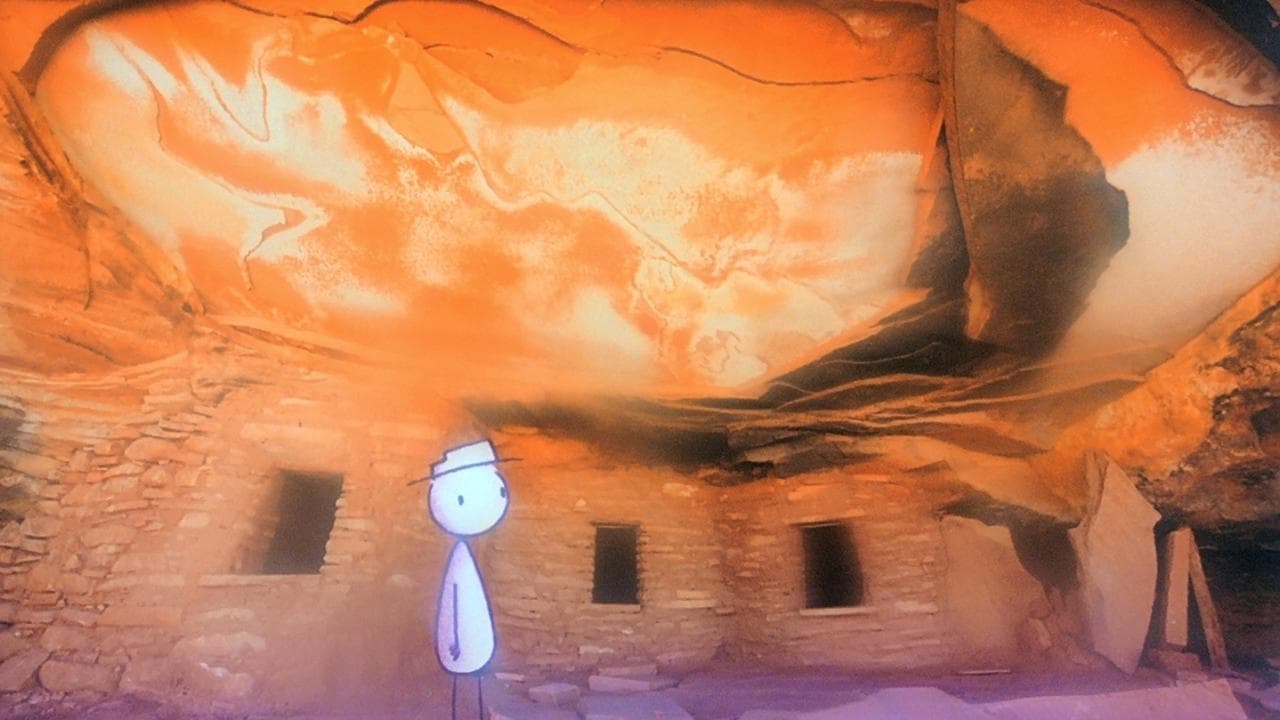
Bill, a stick-figure everyman, navigates a series of mundane and increasingly disorienting daily encounters while suffering from an undiagnosed neurological disorder. As his memory disintegrates and his perception of reality collapses, the narrator chronicles a life caught between the trivial and the cosmic, ending in a fantastical contemplation of mortality and continuity.
What Is the Budget of It's Such a Beautiful Day (2012)?
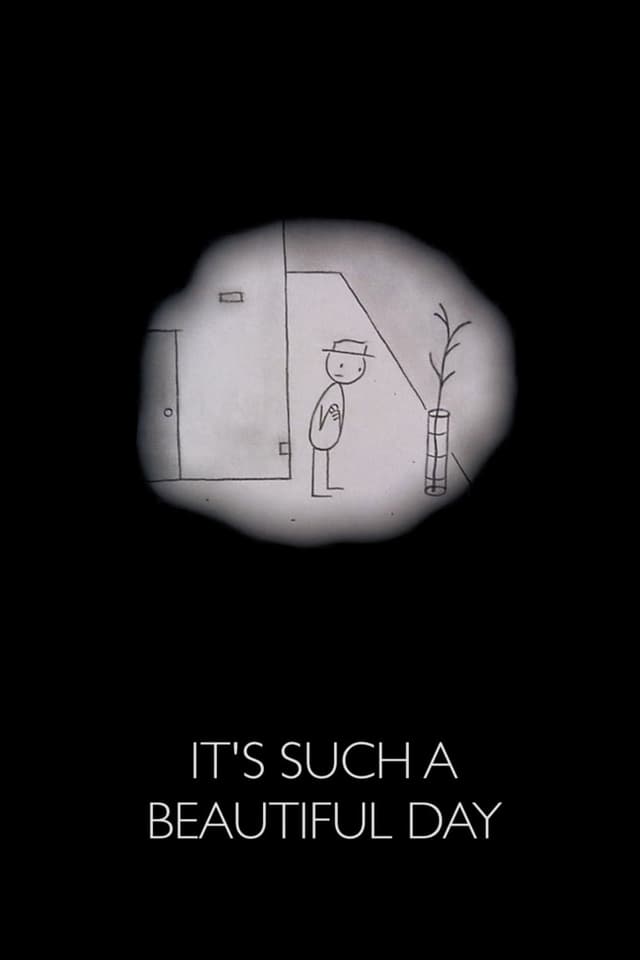
It's Such a Beautiful Day is a 2012 American adult animated experimental drama written, directed, animated, produced, photographed, and self-financed by Don Hertzfeldt through his independent production company Bitter Films. The 62-minute feature compiles three shorts produced sequentially over six years: Everything Will Be OK (2006), I Am So Proud of You (2008), and It's Such a Beautiful Day (2011), reassembled into a feature-length presentation in 2012. No formal aggregate production budget figure has been publicly disclosed.
Comparable single-artist hand-drawn animated features produced outside a studio system typically operate on budgets of $50,000 to $250,000 USD across multi-year production windows. Hertzfeldt has spoken openly about supporting Bitter Films through merchandise sales, festival prize money, and direct theatrical bookings rather than through equity financing, making the production an unusually clean example of artist-financed animated cinema.
Key Budget Allocation Categories
It's Such a Beautiful Day's production budget was distributed across several core cost categories:
- Single-Artist Animation Labor: Don Hertzfeldt drew, animated, and photographed every frame of the film himself across roughly six years. The labor cost, as a single-artist project, was largely opportunity cost rather than crew salary. Each of the three constituent shorts took approximately two years to complete.
- Optical Printer Photography: Hertzfeldt shot the film on 35mm using a custom-modified optical printer he built himself at Bitter Films, allowing for in-camera multiple exposures, color filters, and image compositing without relying on digital compositing. The optical printer represented Bitter Films' single largest capital investment.
- Hand-Drawn Cel Animation: All animation was created on paper, with Hertzfeldt drawing every frame by hand and photographing them sequentially. The materials cost across the six-year production was modest in absolute dollars but accumulated meaningfully over the duration.
- Original Score and Sound Design: The film uses public domain classical music and original sound design produced by Hertzfeldt himself with collaborator Bryan Day. The music budget was effectively zero, a deliberate aesthetic choice tied to the film's mix of mundane imagery and grand orchestral pieces.
- 35mm Film Stock and Lab Processing: Shooting on 35mm film required ongoing purchase of film stock, processing at a film lab, and eventual digital scanning for distribution. The 35mm photographic approach is the largest single material cost of any independent animated feature of this kind.
- Festival Submission, Touring, and Distribution: Hertzfeldt self-distributed the film through direct theatrical bookings, a Bitter Films online storefront, and a meticulously curated home video release. Festival submission and travel across the international animation festival circuit absorbed a portion of the production budget over the multi-year window.
How Does It's Such a Beautiful Day's Budget Compare to Similar Films?
It's Such a Beautiful Day operates within a small tradition of single-artist, self-financed feature animation. Useful reference points include:
- Anomalisa (2015): Budget $8,000,000 | Worldwide $5,716,275. Charlie Kaufman and Duke Johnson's stop-motion adult animation sets the higher-end reference point for festival-favored adult animated features.
- World of Tomorrow (2015): Budget undisclosed (Hertzfeldt-produced) | Festival circuit. Hertzfeldt's subsequent short-film success illustrates the continuation of the Bitter Films self-financed model into the digital era.
- Waltz with Bashir (2008): Budget $1,500,000 | Worldwide $11,166,140. Ari Folman's animated documentary at a higher budget tier provides the international comparison for adult-themed festival animation.
- The Triplets of Belleville (2003): Budget $9,800,000 | Worldwide $20,144,114. Sylvain Chomet's largely hand-drawn feature at a substantially higher budget tier offers the studio-supported animation reference.
- Mary and Max (2009): Budget $8,200,000 | Worldwide $4,007,001. Adam Elliot's stop-motion adult drama provides a peer reference for festival-favored adult animated features.
It's Such a Beautiful Day Box Office Performance
It's Such a Beautiful Day was released theatrically and on home video through Bitter Films directly, with limited four-walled engagements in cities including New York, Los Angeles, Austin, Chicago, and select North American and European arthouse circuits beginning in 2012. The film never received a wide theatrical release and has not been audited by Box Office Mojo or The Numbers. Bitter Films sells home video, merchandise, and digital downloads directly through bitterfilms.com.
Against an undisclosed self-financed production budget in the low hundreds of thousands of dollars or below, the financial breakdown is as follows:
Box Office Breakdown
It's Such a Beautiful Day

The economic case rests on the cumulative theatrical, home video, merchandise, and digital download revenue Hertzfeldt has built through Bitter Films across the past decade plus. The Bitter Films model treats It's Such a Beautiful Day not as a one-time release but as a long-life catalog title with sustained year-over-year demand among animation, adult-drama, and experimental cinema audiences.
It's Such a Beautiful Day Production History
Don Hertzfeldt began the project that became It's Such a Beautiful Day in the mid-2000s following the success of his Academy Award-nominated short Rejected (2000). The first installment, Everything Will Be OK, premiered at the 2006 Sundance Film Festival, where it won the Short Film Grand Jury Prize. Hertzfeldt then produced the second installment, I Am So Proud of You, releasing it in 2008, and completed the third, It's Such a Beautiful Day, in 2011.
All three shorts were animated by hand on paper at Hertzfeldt's Bitter Films studio in Austin, Texas, and later in Vermont, with Hertzfeldt photographing every frame on 35mm film using a custom-modified optical printer he built himself. The optical printer enabled in-camera multiple exposures and image compositing without digital intervention, a deliberately analogue approach that became central to the project's visual identity.
Hertzfeldt assembled the three shorts into the 62-minute feature It's Such a Beautiful Day in 2012, presenting them at festivals as a single continuous work. The film toured the international festival circuit and was distributed directly by Bitter Films through theatrical four-walling, home video, and the Bitter Films online storefront. The DVD and Blu-ray editions sold out multiple printings and remain among the most prized objects in collector animation.
Awards and Recognition
It's Such a Beautiful Day has been the subject of substantial post-release awards and best-of recognition rather than first-cycle industry awards traction. The three constituent shorts collectively won more than 90 festival prizes across their original release runs, with Everything Will Be OK winning the 2006 Sundance Short Film Grand Jury Prize as the centerpiece achievement.
The compiled feature was named Best Animated Film of 2012 by Slate Magazine and has appeared on numerous best-animated-films-of-all-time lists. It ranks as the 20th highest-rated animated film on Letterboxd's 21st Century list and has been the subject of major retrospective screenings at the Museum of Modern Art, the British Film Institute, and the Ottawa International Animation Festival.
Critical Reception
It's Such a Beautiful Day is among the most critically acclaimed animated features of the twenty-first century. The film holds a perfect 100 percent approval rating on Rotten Tomatoes based on 33 critic reviews with an average rating of 8.4 out of 10. The critical consensus describes the film as "an impossibly dense and affecting piece of animated art." Metacritic scored the film 90 out of 100, indicating universal acclaim. CinemaScore does not survey limited-release independent animated features.
Critics across The New York Times, IndieWire, The A.V. Club, and Variety praised Hertzfeldt's command of the medium, the film's emotional weight, and the ambition of its mortality-and-memory narrative. The New York Times called the film "absurd, terrifying, and lyrical in equal measure," and The A.V. Club wrote that "Hertzfeldt's stick figures contain more humanity than most live-action ensembles."
The film has developed a substantial cultural footprint well beyond its initial release. Long-form essays in The Dissolve, Polygon, and Animation World Network have positioned it as a foundational work of twenty-first-century adult animation, and the film has retained a passionate following on Letterboxd and Reddit's animation communities. Hertzfeldt has subsequently expanded his Bitter Films catalog with World of Tomorrow and its sequels, all of which continue the model demonstrated by this feature.
Frequently Asked Questions
How much did it cost to make It's Such a Beautiful Day (2012)?
The production budget has not been publicly disclosed. The film was self-financed by Don Hertzfeldt through his Bitter Films company. Single-artist hand-drawn animated features produced outside a studio system typically operate on budgets of $50,000 to $250,000 USD across multi-year production windows.
How much did It's Such a Beautiful Day earn at the box office?
The film has not been audited by Box Office Mojo or The Numbers. Bitter Films distributed the film directly through limited four-walled theatrical engagements, home video, merchandise, and digital downloads. Estimated cumulative theatrical, festival, and home video receipts are in the high six figures across the past decade plus.
Who directed It's Such a Beautiful Day?
Don Hertzfeldt wrote, directed, animated, produced, and photographed the film himself. Hertzfeldt is an American animator whose earlier short Rejected (2000) was nominated for the Academy Award for Best Animated Short Film and whose subsequent World of Tomorrow series has won and been nominated for multiple Oscars.
Is It's Such a Beautiful Day a feature film?
Yes. It's Such a Beautiful Day is a 62-minute feature assembled in 2012 from three previously released shorts: Everything Will Be OK (2006), I Am So Proud of You (2008), and It's Such a Beautiful Day (2011). Hertzfeldt presents the three together as a single continuous work.
What is It's Such a Beautiful Day about?
The film follows Bill, a stick-figure everyman, as he navigates daily life while suffering from an undiagnosed neurological disorder. As his memory disintegrates, the narrator chronicles his family history, childhood trauma, and eventual acceptance of mortality, culminating in a fantastical imagining where Bill becomes immortal and outlives the universe itself.
How was It's Such a Beautiful Day animated?
Hertzfeldt drew every frame of the film by hand on paper at Bitter Films and photographed each frame on 35mm film using a custom-modified optical printer he built himself. The optical printer enabled in-camera multiple exposures, color filters, and image compositing without digital intervention.
How long did It's Such a Beautiful Day take to make?
Hertzfeldt produced the three constituent shorts sequentially from approximately 2004 through 2011, with each short taking approximately two years to complete. The compiled 2012 feature represents roughly six to seven years of production work in total.
Where can I watch It's Such a Beautiful Day?
The film is available for digital download and home video purchase directly from Bitter Films at bitterfilms.com. Streaming availability has varied over the years and has at times included Vimeo and Netflix licenses.
Did It's Such a Beautiful Day win any awards?
The three constituent shorts collectively won more than 90 festival prizes, with Everything Will Be OK winning the 2006 Sundance Short Film Grand Jury Prize as the centerpiece. The compiled feature was named Best Animated Film of 2012 by Slate Magazine and ranks as the 20th highest-rated animated film on Letterboxd's 21st Century list.
What did critics think of It's Such a Beautiful Day?
The film holds a perfect 100 percent approval rating on Rotten Tomatoes based on 33 reviews with an 8.4 average rating. Metacritic scored the film 90 out of 100, indicating universal acclaim. The critical consensus calls the film "an impossibly dense and affecting piece of animated art," and The New York Times described it as "absurd, terrifying, and lyrical in equal measure."
Filmmakers
It's Such a Beautiful Day

Build budgets like this one in Saturation
Start from an industry-standard feature film template, import the schedule and rates you already have, and let the cost report keep itself current as you spend. Real-time collaboration, no spreadsheets.