Injustice Budget
Updated
Synopsis
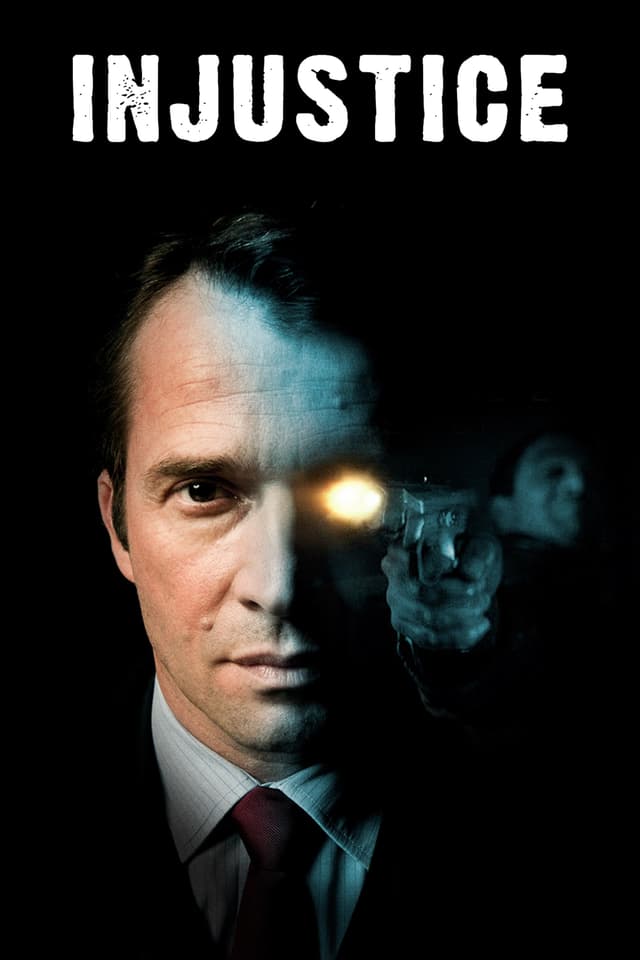
Injustice is a five-part ITV legal drama written by Anthony Horowitz. William Travers (James Purefoy), an accomplished criminal lawyer living happily with his wife (Dervla Kirwan) in rural Suffolk, is recovering from a traumatic series of events that have shaken his faith in the legal system when he is drawn into a case involving an old university friend accused of murder. The five-episode mini-series aired nightly on ITV between June 6 and June 10, 2011.
What Is the Budget of Injustice (2011)?
Injustice (2011) is not a theatrical film. It is a five-part ITV legal drama mini-series written by Anthony Horowitz and produced by ITV Studios. ITV and ITV Studios did not publicly disclose the production budget. Industry estimates for ITV premium hour-long drama from this period place the per-episode cost in the range of £750,000 to £1,200,000 (approximately $1,200,000 to $1,900,000 at the 2011 exchange rate), which would put the full five-episode mini-series budget at approximately $6,000,000 to $9,500,000.
The production sat within ITV's prestige-event-drama slate of the early 2010s, alongside Downton Abbey, Whitechapel, and Foyle's War. Anthony Horowitz, then deeply embedded with ITV through his Foyle's War franchise, developed the project as a contained five-part stripped-broadcast event in the manner of ITV's most successful event-drama format of the period.
Key Budget Allocation Categories
An ITV premium hour-long drama at this scale typically distributes spend across:
- Above-the-Line Talent: James Purefoy (Rome, John Carter) and Dervla Kirwan (Ballykissangel, Material Girl) headlined the cast at premium UK television rates. Supporting cast Charlie Creed-Miles, Nathaniel Parker, and Charles Dance worked at established UK premium-drama scale.
- Anthony Horowitz Writing Fee: Horowitz commanded above-scale rates for the five-script commission. As creator-writer of all five episodes, his fee occupied a meaningful share of the script-development budget.
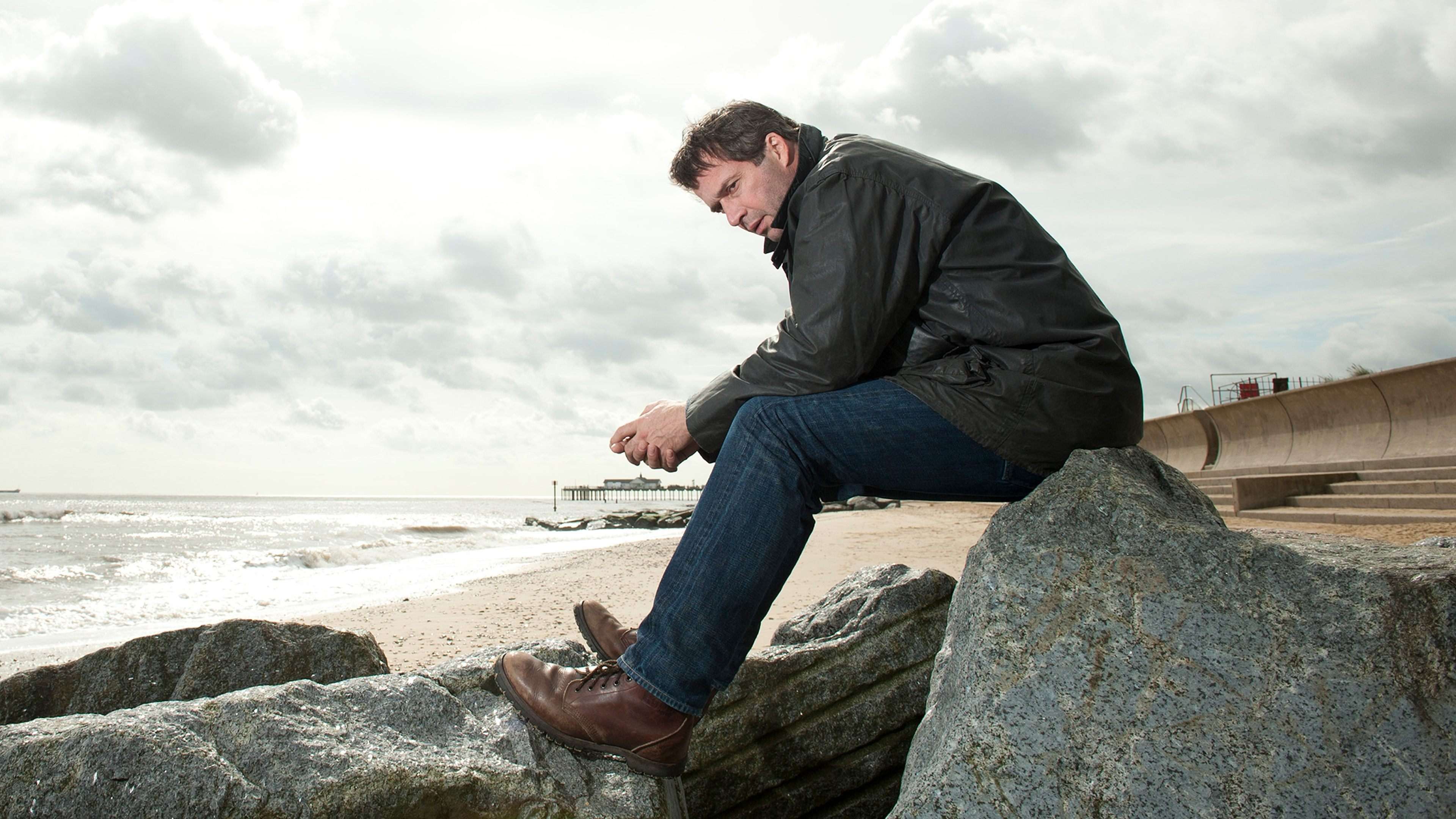
- Suffolk Location Production: The series was shot extensively on location across Suffolk, with the rural East Anglian setting integral to the show's identity. Location permits, local-crew rates, base-of-operations logistics, and the practical demands of a contained five-part shoot in a non-London region added meaningful production-management cost.
- Legal-Procedural Production Design: Authentic-feeling court chambers, barristers' chambers, judges' rooms, and police-station interiors required dedicated production design and wardrobe to meet British legal-drama audience expectations of accuracy.
- UK Tax Relief and Co-financing: UK High-End Television tax relief had not yet been introduced at the time of production, but standard ITV in-house production efficiencies and ITV Studios' international-distribution model spread the financial risk across pre-sale and post-broadcast windows.
- Post-Production and Score: Original score by Joby Talbot and standard ITV premium post-production sat within typical genre cost ranges.
How Does Injustice's Budget Compare to Other ITV Premium Dramas?
Injustice sat within the standard ITV premium hour-long drama budget tier of the early 2010s. Comparable series included:
- Downton Abbey (ITV, 2010-2015): Estimated £1,000,000 to £2,000,000 per episode | six-series run plus film franchise. The flagship ITV premium drama operated at a higher budget tier than Injustice.
- Foyle's War (ITV, 2002-2015): Estimated £1,500,000 per episode in later series. Anthony Horowitz's previous ITV franchise established the production scale that Injustice operated within.
- Whitechapel (ITV, 2009-2013): Estimated £800,000 to £1,000,000 per episode | four-series run. The contemporaneous ITV crime drama offered direct genre comparison.
- Sherlock (BBC, 2010-2017): Estimated £1,500,000 per episode | four-series run. The competing BBC premium contemporary-crime drama illustrates the upper tier of UK premium hour-long economics.
Injustice Performance and Single-Season Mini-Series Format
Injustice premiered on ITV on June 6, 2011 with the first of five consecutive nightly episodes through June 10. The stripped-broadcast event-television approach was a common ITV strategy for prestige mini-series of the period, designed to maximise audience accumulation and word-of-mouth across a single week. The series averaged approximately 5,000,000 viewers per episode in the overnight ratings, with seven-day timeshift bringing the cumulative figure closer to 6,500,000.
The mini-series format meant Injustice was produced as a single closed-ended five-part story, not as a returning series with renewal potential:
- Production Budget (estimated): £750,000 to £1,200,000 per episode (approximately $1,200,000 to $1,900,000)
- Series Order: 5-part closed-ended mini-series
- Total Estimated Investment: approximately $6,000,000 to $9,500,000 for the full mini-series
- Worldwide Gross: Not applicable (ITV license-fee broadcast model)
- Net Return: Recouped through ITV broadcast advertising, ITV Studios international distribution, and home-video release
- ROI: Internal to ITV Studios economics; not publicly disclosed
Following the original UK broadcast, ITV Studios sold the mini-series into approximately twenty international markets, with Acorn Media handling US distribution as a four-DVD set. The closed-ended format meant no returning-series renewal was on the table, but Anthony Horowitz subsequently produced additional ITV legal dramas, including New Blood, that built on the audience relationship established by Injustice.
Injustice Production History
Anthony Horowitz developed Injustice in 2009-2010 under his overall ITV writing arrangement, building on the success of Foyle's War and his developing reputation as a marquee UK television writer. ITV commissioned the five-part mini-series in 2010 with a target broadcast window in summer 2011. Principal photography took place across late 2010 in Suffolk and London, the United Kingdom, with the East Anglian rural settings carefully chosen to contrast with the central-London legal scenes.
James Purefoy was cast as the lead William Travers, with Dervla Kirwan as his wife Jane. Supporting cast included Charlie Creed-Miles, Nathaniel Parker, Charles Dance, and Donna Air. Director Colm McCarthy (Sherlock, Peaky Blinders) directed all five episodes, maintaining tonal consistency across the stripped-broadcast format.
Editing and post-production extended through spring 2011 to meet the June broadcast slot. ITV ran the five-episode arc as a Monday-to-Friday stripped event in the prime 9 p.m. slot, with each episode advancing the central mystery in a tightly serialised structure that was common to UK event-television drama of the period.
Awards and Recognition
Injustice received nominations at the BAFTA Television Craft Awards in writing and directing categories, recognising Anthony Horowitz's scripts and Colm McCarthy's direction. The Royal Television Society Programme Awards nominated the mini-series in the drama serial category.
James Purefoy received a nomination at the Crime Thriller Awards (an industry awards event sponsored by Specsavers and partnered with ITV) for Best Actor. The series did not break through to wider-market UK awards-circuit recognition, with the 2011 awards season dominated by Downton Abbey and Sherlock among ITV and BBC premium dramas respectively.
Critical Reception
Injustice received broadly positive reviews from UK critics. The series does not carry a Rotten Tomatoes tomatometer score due to insufficient professional reviews. IMDb users have given it a 7.5 average rating across approximately 2,300 reviews.
The Guardian's Sam Wollaston praised the stripped-broadcast event format and James Purefoy's performance, calling the mini-series "a confident, well-controlled legal drama that gives Anthony Horowitz room to develop a real central character." The Independent's Tom Sutcliffe noted the careful pacing across the five episodes and praised the East Anglian setting as "a welcome counterpoint to the standard London-set legal drama."
Some critics, including The Telegraph's Andrew Pettie, found the central mystery less compelling than the character work, and The Times' Andrew Billen suggested that the closed-ended five-part structure undersold the supporting cast. Overall reception placed Injustice within the upper tier of ITV summer-2011 event drama, supporting Anthony Horowitz's subsequent ITV commissions and contributing to his eventual elevation as one of British television's most reliably commissioned writers of the 2010s.
Frequently Asked Questions
Is Injustice (2011) a movie or a TV series?
Injustice (2011) is a five-part ITV legal drama mini-series, not a theatrical film. It aired nightly on ITV between June 6 and June 10, 2011 as a stripped-broadcast event-television series. It is unrelated to the 2021 DC animated film Injustice.
How much did Injustice cost to make?
ITV and ITV Studios did not publicly disclose the budget. Industry estimates for ITV premium hour-long drama from this period place the per-episode cost in the range of £750,000 to £1,200,000 (approximately $1,200,000 to $1,900,000 at the 2011 exchange rate), which would put the full five-episode mini-series budget at approximately $6,000,000 to $9,500,000.
Who wrote Injustice?
Anthony Horowitz, the Foyle's War creator and best-selling novelist, wrote all five episodes. Injustice was developed under his overall ITV writing arrangement during a period when he was one of the channel's most reliably commissioned premium-drama writers.
Who stars in Injustice?
James Purefoy stars as William Travers, with Dervla Kirwan as his wife Jane. Supporting cast includes Charlie Creed-Miles, Nathaniel Parker, Charles Dance, and Donna Air. Colm McCarthy directed all five episodes.
How many episodes of Injustice are there?
The mini-series consists of five closed-ended episodes, all broadcast nightly on ITV between June 6 and June 10, 2011. The format was intentionally a one-off event-television commission rather than a returning series.
Where was Injustice filmed?
Principal photography took place across late 2010 in Suffolk and London. The East Anglian rural settings were chosen to contrast with the central-London legal scenes, with extensive location work at country houses, village settings, and Suffolk coastal locations.
Was Injustice renewed for a second series?
No. The mini-series was designed as a closed-ended five-part event, not as a returning series with renewal potential. Anthony Horowitz subsequently produced additional ITV legal and detective dramas, including New Blood (2016), but these were separate projects rather than continuations of the Injustice premise.
Is Injustice (2011) related to the DC Injustice video game or animated film?
No. The DC Injustice franchise is a separate property based on the Injustice: Gods Among Us video game series, including the 2021 Warner Bros. Animation film Injustice. The 2011 ITV mini-series is an unrelated UK legal drama written by Anthony Horowitz.
Did Injustice win any awards?
The series received BAFTA Television Craft Award nominations for Anthony Horowitz's writing and Colm McCarthy's directing, and a Royal Television Society Programme Award nomination in the drama serial category. James Purefoy received a Crime Thriller Awards nomination for Best Actor.
What did critics think of Injustice?
The series received broadly positive reviews. The Guardian and The Independent both praised the stripped-broadcast event format and James Purefoy's performance. IMDb users have given it a 7.5 average rating across approximately 2,300 reviews. The Telegraph and The Times found the central mystery less compelling than the character work but acknowledged the strength of the production.
Filmmakers
Injustice

Official Trailer
Build budgets like this one in Saturation
Start from an industry-standard feature film template, import the schedule and rates you already have, and let the cost report keep itself current as you spend. Real-time collaboration, no spreadsheets.