In the Mood for Love Budget
 DramaRomance1h 39m
Updated
Synopsis
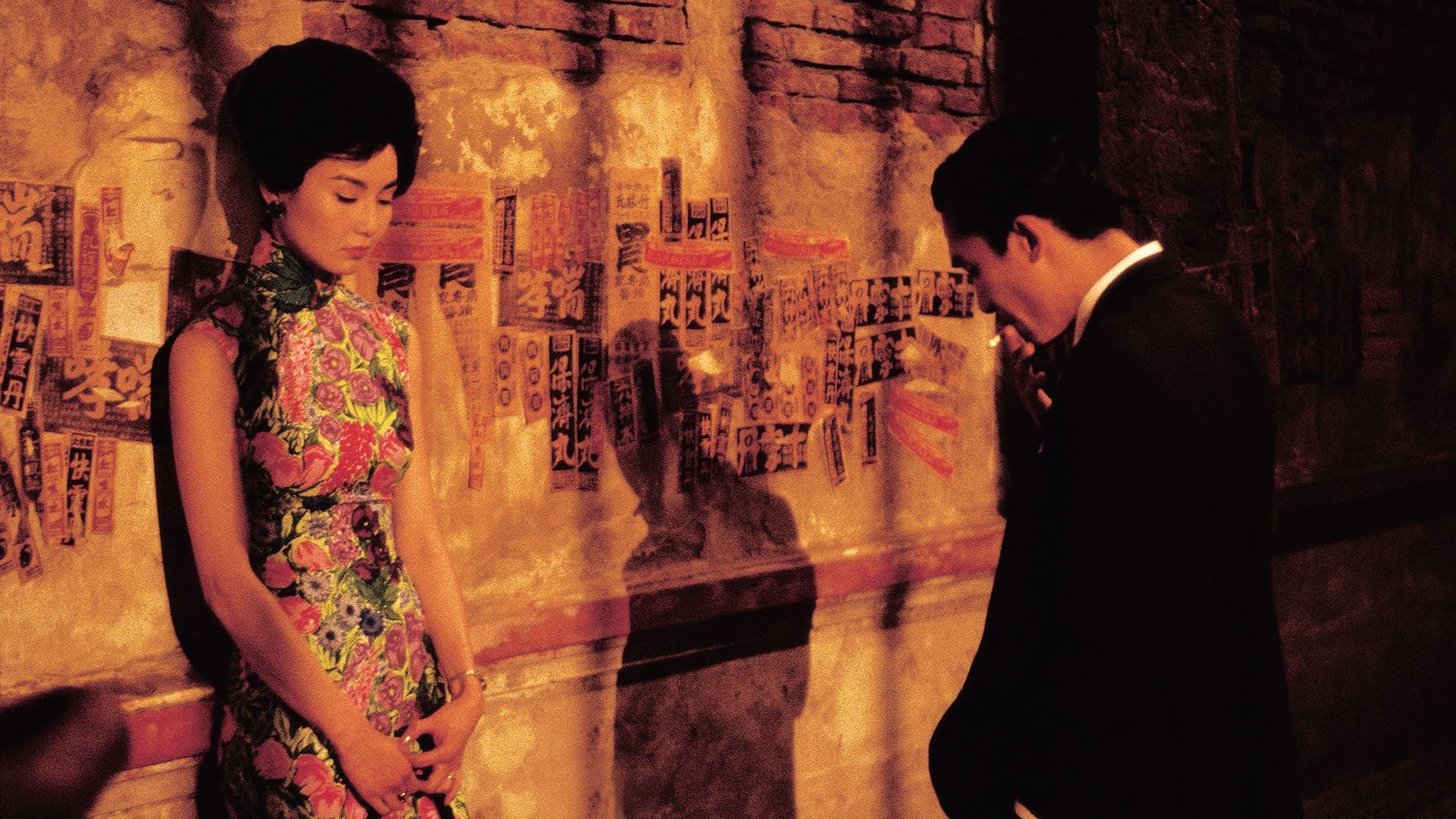
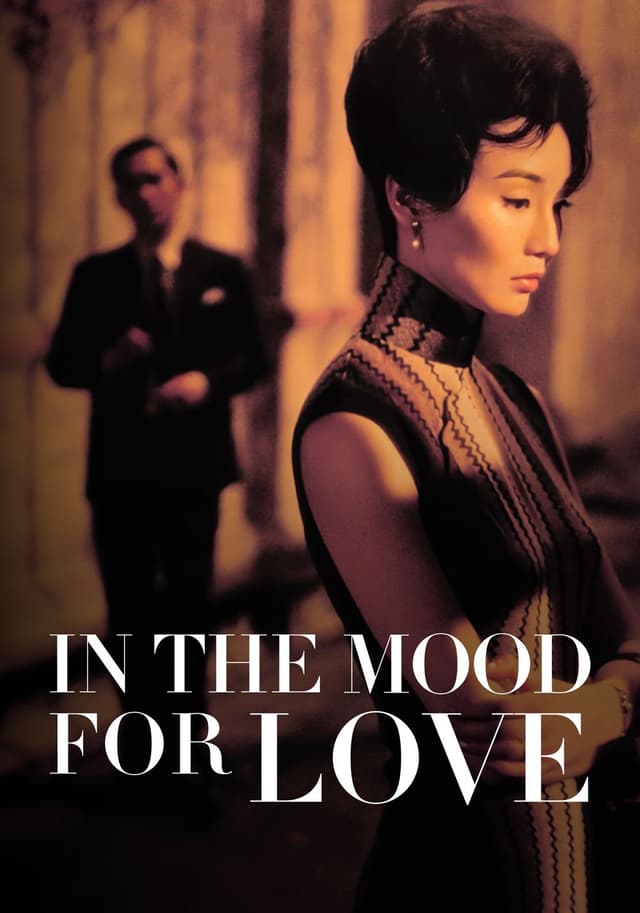
Set in Hong Kong, 1962, Chow Mo-Wan is a newspaper editor who moves into a new building with his wife. At the same time, Su Li-zhen, a beautiful secretary and her executive husband also move in to the crowded building. With their spouses often away, Chow and Li-zhen spend most of their time together as friends. They have everything in common from noodle shops to martial arts. Soon, they are shocked to discover that their spouses are having an affair. Hurt and angry, they find comfort in their growing friendship even as they resolve not to be like their unfaithful mates.
What is the budget of In the Mood for Love?
"In the Mood for Love," a drama released in 2000, was directed by Wong Kar-Wai and stars Maggie Cheung, Tony Leung Chiu-wai. The production budget was $3,000,000, placing it in the micro-budget range for drama productions of its era.
Key Budget Allocation Categories
While specific budget breakdowns are not publicly available, typical cost drivers for a drama production like this include:
- Above-the-Line Talent: Drama films live or die on the strength of their performances.
- Location Filming & Period Production Design: Authentic locations , whether contemporary or historical , require scouting, permits, travel, lodging, and often significant dressing to match the story's time period.
- Post-Production, Color Grading & Score: The editorial process for dramas is typically longer than genre films, with careful attention to pacing and tone.
- Development: In the Mood for Love went through a long gestation period.
What were the major cost factors in In the Mood for Love?
Several factors contributed to the overall production costs of "In the Mood for Love."
- Above-the-Line Talent: Above-the-Line Talent is one of the primary cost drivers in drama productions of this scale.
- Location Filming: Location Filming & Period Production Design is one of the primary cost drivers in drama productions of this scale.
- Post-Production: Post-Production, Color Grading & Score is one of the primary cost drivers in drama productions of this scale.
How Does In the Mood for Love's Budget Compare to Similar Films?
At $3,000,000, In the Mood for Love sits in the micro-budget range. Here is how it compares to productions with a similar budget:
- Ghost in the Shell (1995): Budget $3,000,000, Worldwide Gross $10,000,000
- Witness for the Prosecution (1957): Budget $3,000,000, Worldwide Gross $9,000,000
- Perfect Blue (1998): Budget $3,000,000, Worldwide Gross $683,666
- One Flew Over the Cuckoo's Nest (1975): Budget $3,000,000, Worldwide Gross $108,981,275
- Oldboy (2003): Budget $3,000,000, Worldwide Gross $17,500,000
The median budget for wide-release drama films in the 2000s ranges from $30 to 80M for mid-budget to $150M+ for tentpoles.
In the Mood for Love Box Office Performance
"In the Mood for Love" earned $2,738,980 domestically and $15,867,968 worldwide at the box office. Against a production budget of $3,000,000, the film performed strongly at the box office.
A film typically needs to earn approximately twice its production budget to cover marketing and distribution costs. For "In the Mood for Love," that break-even threshold was roughly $6,000,000. With worldwide earnings of $15,867,968, the film cleared that threshold comfortably.
Box Office Breakdown
In the Mood for Love

At 428.9%, "In the Mood for Love" earned roughly $5.29 for every $1 invested in production.
In the Mood for Love Production History
In the Mood for Love went through a long gestation period. In the 1990s, Wong Kar-wai found some commercial success, much critical acclaim, and wide influence on other filmmakers throughout Asia and the world with films such as Chungking Express and Fallen Angels, both set in present-day Hong Kong. His 1997 film Happy Together was also successful internationally, winning him Best Director at the Cannes Film Festival and surprising many.
Wong's plan to make a film set primarily in Hong Kong did not simplify matters when it came to the shoot. The city's appearance was much changed since the 1960s, and Wong's personal nostalgia for the time added to his desire for historical accuracy. Wong had little taste for working in studio settings, let alone using special effects to imitate the look of past times.
* Shigeru Umebayashi: "Yumeji's Theme" (originally from the soundtrack of Seijun Suzuki's Yumeji) * Michael Galasso: "Angkor Wat Theme", "ITMFL", "Casanova/Flute" * Nat King Cole: "Aquellos Ojos Verdes", "Te Quiero Dijiste", "Quizás, Quizás, Quizás" * Bryan Ferry: "I'm in the Mood for Love" (the inspiration for the English title, found on, e.g., the French two-CD soundtrack, not in the film) * Zhou Xuan:《花樣的年華》 "Hua Yang De Nian Hua" (the inspiration for the original Chinese title) * Rebecca Pan: "Bengawan Solo" * All of the traditional pingtan, Cantonese, Beijing and Yue operas are historic recordings.
Awards and Recognition
Nominated for 1 BAFTA Award45 wins & 50 nominations total
- César Award for Best Foreign Film: Wong Kar-wai
- Cannes Film Festival Award for Best Actor: Tony Leung
- National Society of Film Critics Award for Best Foreign Language Film
- European Film Award for Best Non-European Film: Wong Kar-wai (13th European Film Awards)
- Hong Kong Film Award for Best Actor: Tony Leung
- Hong Kong Film Award for Best Actress: Maggie Cheung
- German Film Award for Best No-German Film: Wong Kar-wai
- National Society of Film Critics Award for Best Cinematography: Christopher Doyle
Critical Reception
On Rotten Tomatoes, the film holds an approval rating of 92% based on 191 reviews. The website's critical consensus reads: "An exquisitely shot showcase for Maggie Cheung and Tony Leung that marks a somber evolution of Wong Kar-wai's chic style, In the Mood for Love is a tantric tease that's liable to break your heart." On Metacritic, the film has a weighted average score of 87 out of 100 based on 28 critic reviews, indicating "universal acclaim".
Frequently Asked Questions
How much did it cost to make In the Mood for Love (2000)?
The production budget was $3,000,000, covering principal photography, cast and crew salaries, locations, sets, post-production, and music. Marketing and distribution (P&A) costs are estimated at an additional $1,500,000 - $2,400,000, bringing the total studio investment to approximately $4,500,000 - $5,400,000.
How much did In the Mood for Love (2000) earn at the box office?
In the Mood for Love grossed $2,738,980 domestic, $13,128,988 international, totaling $15,867,968 worldwide.
Was In the Mood for Love (2000) profitable?
Yes. Against a production budget of $3,000,000 and estimated total costs of ~$7,500,000, the film earned $15,867,968 theatrically - a 429% ROI on production costs alone.
What were the biggest costs in producing In the Mood for Love?
The primary cost drivers were above-the-line talent (Maggie Cheung, Tony Leung Chiu-wai, Siu Ping-Lam); talent compensation, authentic period production design, and meticulous post-production; international production across Hong Kong, France.
How does In the Mood for Love's budget compare to similar drama films?
At $3,000,000, In the Mood for Love is classified as a micro-budget production. The median budget for wide-release drama films in the 2000s ranges from $30 - 80M for mid-budget to $150M+ for tentpoles. Comparable budgets: Ghost in the Shell (1995, $3,000,000); Witness for the Prosecution (1957, $3,000,000); Perfect Blue (1998, $3,000,000).
Did In the Mood for Love (2000) go over budget?
There are no widely reported accounts of significant budget overruns for this production. However, studios rarely disclose precise budget overrun figures publicly. The reported production budget reflects the final estimated cost.
What was the return on investment (ROI) for In the Mood for Love?
The theatrical ROI was 428.9%, calculated as ($15,867,968 − $3,000,000) ÷ $3,000,000 × 100. This measures gross revenue against production budget only - it does not account for P&A or exhibitor shares.
What awards did In the Mood for Love (2000) win?
Nominated for 1 BAFTA Award45 wins & 50 nominations total.
Who directed In the Mood for Love and who were the key crew members?
Directed by Wong Kar-Wai, written by Wong Kar-Wai, Liu Yichang, shot by Christopher Doyle, Mark Lee Ping-Bing, with music by Shigeru Umebayashi, Michael Galasso, edited by William Chang Suk-Ping, Chan Ki-Hop.
Where was In the Mood for Love filmed?
In the Mood for Love was filmed in Hong Kong, France. Wong's plan to make a film set primarily in Hong Kong did not simplify matters when it came to the shoot. The city's appearance was much changed since the 1960s, and Wong's personal nostalgia for the time added to his desire for historical accuracy.
Filmmakers
In the Mood for Love

Official Trailer
Build budgets like this one in Saturation
Start from an industry-standard feature film template, import the schedule and rates you already have, and let the cost report keep itself current as you spend. Real-time collaboration, no spreadsheets.