Ghost Budget
 ThrillerDramaRomanceFantasy2h 7m
Updated
Synopsis
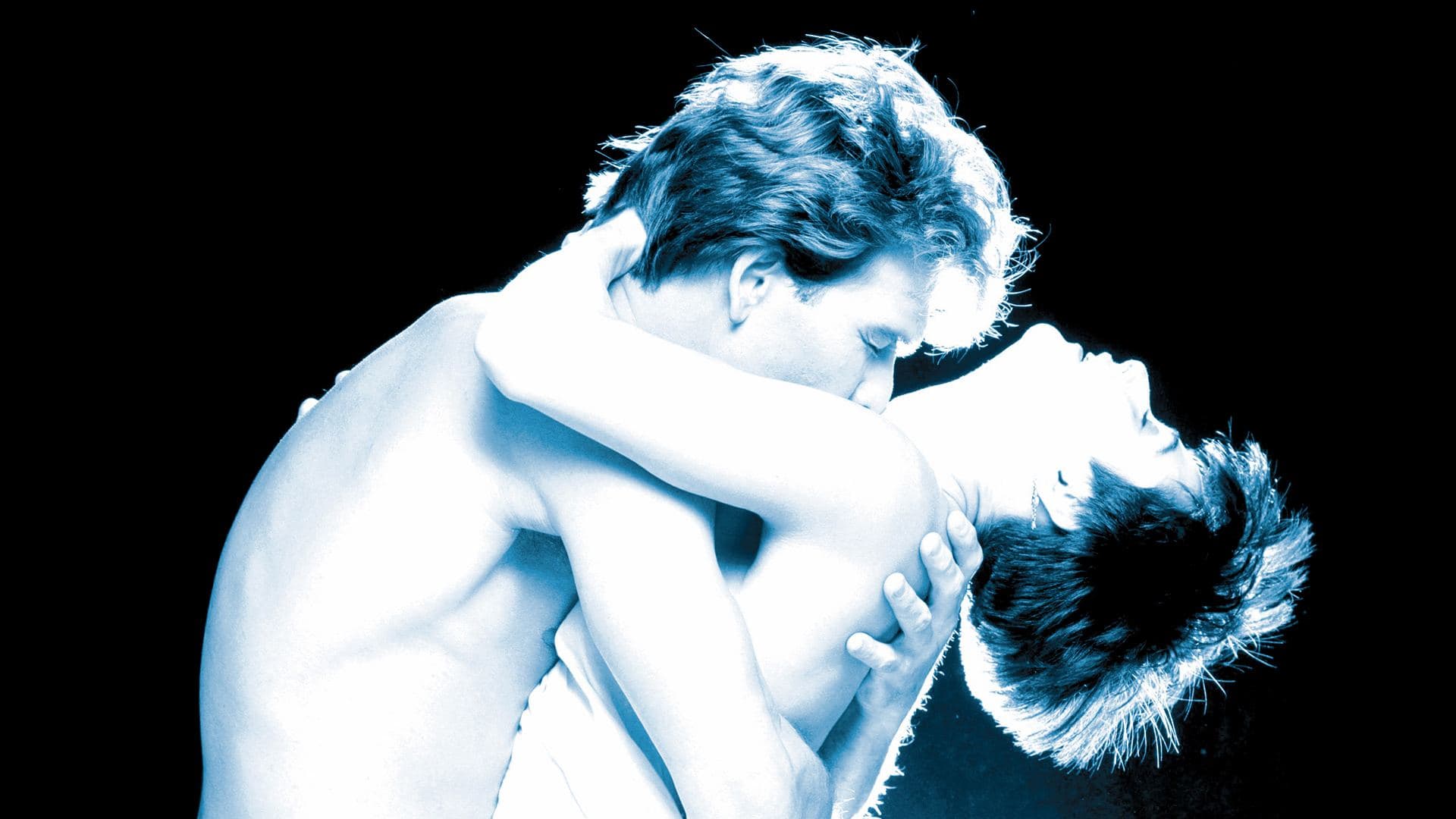
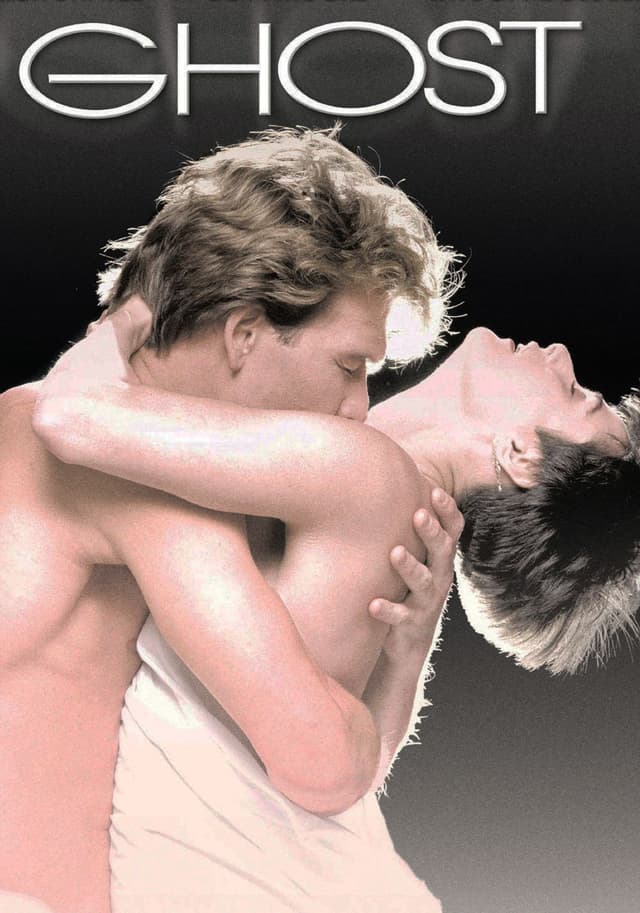
"Ghost" (1990) is a romantic fantasy thriller that intertwines love, loss, and the supernatural. The story follows Sam Wheat, portrayed by Patrick Swayze, a successful banker who is tragically murdered during a botched mugging. After his death, Sam finds himself trapped as a ghost, unable to move on. Desperate to protect his girlfriend, Molly Jensen (Demi Moore), from the dangers that threaten her, he seeks the help of a quirky psychic, Oda Mae Brown (Whoopi Goldberg). As Sam communicates with Oda Mae, he uncovers a sinister plot involving his murder and must find a way to warn Molly before it's too late. The film beautifully blends elements of romance and suspense, ultimately exploring themes of love that transcends even death.
What Is the Budget of Ghost (1990)?
Ghost (1990) was produced on a budget of approximately $22 million, a figure that made it a mid-range studio production by Paramount Pictures standards of the early 1990s. The film was financed by Paramount in partnership with Howard W. Koch Productions, with producer Lisa Weinstein overseeing day-to-day production costs. For context, that $22 million budget equates to roughly $52 million in 2024 dollars, adjusted for inflation.
What makes the Ghost budget story remarkable is not the number itself but the return it generated. The film opened to a modest $12.2 million domestic weekend in July 1990, prompting some observers to dismiss it as an underperformer. Word of mouth proved them spectacularly wrong. Ghost went on to gross $217.6 million domestically and $288.1 million internationally, for a worldwide total of $505.7 million, making it the highest-grossing film of 1990 and one of the most profitable romantic dramas ever made.
Director Jerry Zucker, best known at the time for the comedy Airplane! (1980), was making his solo dramatic feature debut. Paramount gave him a tight budget and a tight schedule, which forced disciplined spending decisions and helped keep costs from ballooning during the extensive special effects work required for the supernatural sequences.
Key Budget Allocation Categories
- Above-the-Line Talent: Patrick Swayze, Demi Moore, and Whoopi Goldberg were the three principal stars. Swayze was a rising action star coming off Dirty Dancing (1987), and both he and Moore commanded mid-tier fees appropriate for a $22 million picture. Goldberg, a well-established comedic presence, was cast against type as Oda Mae Brown, the reluctant psychic medium. Their combined above-the-line salaries likely consumed $6 to $8 million of the budget.
- Special Effects and Post-Production: Ghost relied on approximately 100 special effects shots to portray the supernatural elements, including the "death ripple" effect when Sam Wheat passes through objects, the shadow demons, and the luminous finale sequence. Visual effects supervisor Richard Greenberg and his team at R/Greenberg Associates handled much of this work. The final scene used Quantel's "Harry" compositing system, a pioneering digital video effects tool that was cutting-edge for 1990. Post-production effects work likely represented $3 to $4 million of the total spend.
- New York City Production: The film shot on location across New York City for approximately five weeks, including Bedford-Stuyvesant, SoHo, and Wall Street. The iconic loft apartment where Sam and Molly live was reconstructed on a studio set based on the real loft of artist Michele Oka Doner at 102 Prince Street in Lower Manhattan. Location shooting in New York carries premium crew and permit costs, and the logistical complexity of staging scenes on Wall Street added to that expense. Interior sequences were filmed at Paramount's Los Angeles facilities to keep costs manageable.
- Cinematography and Camera: Adam Greenberg, the Israeli-born cinematographer who had shot The Terminator (1984) and Near Dark (1987), brought a distinctive visual approach to Ghost. His use of warm, golden lighting for the romance sequences contrasted sharply with the colder, harder look of the supernatural and danger scenes. The pottery wheel sequence, shot in a single extended take with specific practical lighting, became one of the most recognizable images in cinema history.
- Score and Music Licensing: Maurice Jarre composed the original score, his work earning an Academy Award nomination for Best Original Score. The film's defining musical moment, however, was the licensed use of "Unchained Melody" by the Righteous Brothers, which became synonymous with the film after its use during the pottery scene. That licensing cost, along with Jarre's score recording sessions at a London studio, likely totaled $500,000 to $1 million combined.
How Does Ghost's Budget Compare to Similar Films?
Ghost sits at a fascinating budget crossroads: modest by blockbuster standards, but generous enough to execute its ambitious blend of romance, supernatural thriller, and comedy. Comparing it to contemporaries and successors reveals how efficiently Paramount spent its $22 million.
- Pretty Woman (1990): Budget $14M | Worldwide $463.4M: Released the same year by Disney via Touchstone Pictures, Pretty Woman ran on a significantly tighter budget and featured two relatively affordable leads in Richard Gere and Julia Roberts (then pre-megastar). Ghost spent more, largely due to its special effects workload, but both films demonstrate how the romantic genre can generate outsized returns from modest investments.
- Always (1989): Budget $30M | Worldwide $77.2M: Steven Spielberg's romantic fantasy starring Richard Dreyfuss and Holly Hunter cost $8 million more than Ghost and earned less than one-sixth of Ghost's worldwide gross. Ghost's combination of a contemporary setting, a pop-culture-defining song, and Whoopi Goldberg's comedic relief gave it a mass-appeal formula that Always, despite its prestige pedigree, lacked.
- Flatliners (1990): Budget $26M | Worldwide $61.5M: This supernatural thriller from Joel Schumacher featured a young ensemble cast including Kiefer Sutherland, Julia Roberts, and Kevin Bacon. Budgeted higher than Ghost and released the same year, Flatliners performed adequately but could not match the cultural resonance that the Zucker film achieved.
- The Bodyguard (1992): Budget $25M | Worldwide $411.8M: Warner Bros.' romantic thriller with Kevin Costner and Whitney Houston is the closest analog to Ghost in terms of genre crossover potential. Both films relied on a defining pop song ("I Will Always Love You" versus "Unchained Melody"), both cast a music superstar in a key role, and both vastly outperformed expectations at the box office on similar budgets.
Ghost Box Office Performance
Ghost opened domestically on July 13, 1990, earning $12.2 million over its opening weekend from 1,722 theaters. That figure ranked it third for the weekend, behind Dick Tracy and Days of Thunder, and suggested a solid but unremarkable commercial performer. The film's trajectory over the following weeks proved the studio's conventional wisdom wrong. Audiences returned repeatedly, driven by word of mouth from the pottery wheel scene and the film's emotionally cathartic finale. By the time Ghost ended its domestic run, it had accumulated $217.6 million domestically.
International markets added another $288.1 million, with particularly strong returns in Japan, the United Kingdom, France, and Germany, where the film's combination of romance and the supernatural resonated deeply with audiences. The worldwide total of $505.7 million made Ghost the highest-grossing film of 1990 globally, surpassing Home Alone (released in November) in international markets and Total Recall domestically for the annual crown.
The break-even calculation for Ghost requires accounting for both production and marketing costs. With a $22 million production budget and estimated prints-and-advertising spend of approximately $20 to $25 million (typical for a wide Paramount release of this era), total investment reached roughly $45 million. Theaters retained approximately 50% of the gross, meaning Paramount's share of the worldwide box office was approximately $252.9 million against a $45 million total investment, a net of roughly $207 million before home video, soundtrack, and merchandise revenue.
Box Office Breakdown
Ghost

On its $22 million production budget alone, Ghost earned roughly $23 for every $1 invested in production. Even factoring in the estimated $23 million marketing spend, Paramount recovered its full total investment more than five times over from theatrical gross alone, before a single VHS tape, laserdisc, or soundtrack album was sold.
Ghost Production History
Ghost began as an original screenplay by Bruce Joel Rubin, who conceived the story of a murdered man navigating the afterlife to protect his grieving partner. Before Jerry Zucker was attached, the project circulated through Paramount with other directors considered, including Frank Oz, who departed over budget disagreements, and Miloš Forman, who was rejected when studio executives and Rubin could not align on the film's tone. Zucker, whose directorial resume consisted primarily of comedy work including co-directing Airplane! (1980), was seen as a surprising choice for a supernatural romantic drama. His instinct for emotional honesty within heightened scenarios would prove perfect for the material.
Casting the lead roles proved equally unconventional. Paramount and Rubin considered Harrison Ford, Tom Hanks, Tom Cruise, Bruce Willis, and Michael J. Fox for the role of Sam Wheat before Patrick Swayze won the part. Swayze, riding the success of Dirty Dancing (1987), was initially resistant to Zucker, who himself had doubts about the casting. Rubin personally pitched Swayze's emotional range to Zucker and broke the deadlock. For Molly Jensen, Michelle Pfeiffer, Meg Ryan, and Julia Roberts were evaluated before Demi Moore was selected, reportedly the filmmakers' preference from early in the process. Whoopi Goldberg, cast entirely against her comedic typecasting as the reluctant spiritual go-between Oda Mae Brown, would ultimately be the film's breakout performance.
Principal photography began in July 1989, with location work across New York City and soundstage interiors at Paramount's Hollywood facilities. The pottery wheel sequence, set to "Unchained Melody," was choreographed meticulously over several days with Swayze and Moore and Greenberg's intimate lighting design. The sequence became so powerful in test screenings that Paramount used it as the centerpiece of the theatrical marketing campaign. The ghost subway sequences featured real New York City subway cars and required extensive coordination with the transit authority.
Post-production was technically demanding for its era. Editor Walter Murch, who had won Academy Awards for Apocalypse Now (1979), shaped the film's pacing and the supernatural sequences. The visual effects pipeline, anchored by Quantel's Harry compositing system for the final transcendence scene, was considered state-of-the-art for 1990. Ghost was released by Paramount in the United States on July 13, 1990, and gradually expanded internationally through the autumn of 1990 and into 1991, with particularly strong legs in European markets.
Awards and Recognition
Ghost earned five Academy Award nominations at the 63rd Academy Awards in 1991, winning two. Whoopi Goldberg took home Best Supporting Actress for her portrayal of Oda Mae Brown, a performance widely credited as the most commercially significant of her career. Bruce Joel Rubin won Best Original Screenplay, a remarkable achievement for a genre film that blended romance, comedy, and the supernatural. The film was also nominated for Best Picture, Best Film Editing (Walter Murch), and Best Original Score (Maurice Jarre).
Goldberg's win was historic: she became only the second Black woman to win an acting Oscar, after Hattie McDaniel's Supporting Actress win for Gone With the Wind (1939). Her acceptance speech, during which she said "ever since I was a little kid I wanted this," became one of the ceremony's most celebrated moments. The film also won the Golden Globe Award for Best Supporting Actress for Goldberg and the BAFTA Award for Best Actress in a Supporting Role.
Beyond the Academy, Ghost was recognized by the People's Choice Awards, the MTV Movie Awards (winning Best Movie and Best Kiss in 1991), and numerous international critics' associations. The film has been preserved in the United States National Film Registry by the Library of Congress as "culturally, historically, or aesthetically significant." Over more than three decades, Ghost has remained a touchstone of 1990s popular culture, referenced in countless parodies, homages, and retrospectives on the era's defining films.
Critical Reception
Ghost received a mixed-to-positive critical response on release in 1990. The film holds a 76% approval rating on Rotten Tomatoes based on 78 professional reviews, with a 52/100 from Metacritic indicating a more divided critical establishment. Roger Ebert gave the film 2.5 out of 4 stars, calling it "a film that relies on its special effects more than on its human elements," though he acknowledged its entertainment value. Vincent Canby of The New York Times found it overlong and tonally uneven.
Audiences responded with far more enthusiasm. Ghost earned an A CinemaScore grade, reflecting the strong emotional connection viewers felt with the film's central love story and supernatural premise. The pottery wheel scene generated the kind of visceral audience response that only a handful of romantic films achieve in any decade. The film's ability to sustain comedy (through Goldberg), genuine scares (the shadow demons sequences), and romantic yearning simultaneously gave it a tonal range that few genre films have managed before or since.
Over time, critical reassessment has been kinder. Goldberg's performance is now widely considered a career-defining work that demonstrated the depth available to her beyond her comedic persona. Zucker's direction is praised for trusting the material's emotional weight without condescending to it. Swayze and Moore's chemistry, initially described by some critics as "wooden," has been revisited as appropriately restrained for a film about a love that transcends death. Ghost remains one of the defining commercial films of its era and a case study in how word-of-mouth can turn a modestly budgeted production into a global phenomenon.
Frequently Asked Questions
How much did it cost to make Ghost (1990)?
The production budget was $22,000,000, covering principal photography, cast and crew salaries, locations, sets, post-production, and music. Marketing and distribution (P&A) costs are estimated at an additional $11,000,000 - $17,600,000, bringing the total studio investment to approximately $33,000,000 - $39,600,000.
How much did Ghost (1990) earn at the box office?
Ghost grossed $217,631,306 domestic, $287,368,694 international, totaling $505,000,000 worldwide.
Was Ghost (1990) profitable?
Yes. Against a production budget of $22,000,000 and estimated total costs of ~$55,000,000, the film earned $505,000,000 theatrically - a 2195% ROI on production costs alone.
What were the biggest costs in producing Ghost?
The primary cost drivers were above-the-line talent (Patrick Swayze, Demi Moore, Whoopi Goldberg); talent compensation, location cinematography, and tension-driven editorial.
How does Ghost's budget compare to similar thriller films?
At $22,000,000, Ghost is classified as a low-budget production. The median budget for wide-release thriller films in the era ranges from $30 - 80M for mid-budget to $150M+ for tentpoles. Comparable budgets: 12 Rounds (2009, $22,000,000); Before I Go to Sleep (2014, $22,000,000); Dances with Wolves (1990, $22,000,000).
Did Ghost (1990) go over budget?
There are no widely reported accounts of significant budget overruns for this production. However, studios rarely disclose precise budget overrun figures publicly. The reported production budget reflects the final estimated cost.
What was the return on investment (ROI) for Ghost?
The theatrical ROI was 2195.5%, calculated as ($505,000,000 − $22,000,000) ÷ $22,000,000 × 100. This measures gross revenue against production budget only - it does not account for P&A or exhibitor shares.
What awards did Ghost (1990) win?
Won 2 Oscars. 18 wins & 24 nominations total.
Who directed Ghost and who were the key crew members?
Directed by Jerry Zucker, written by Bruce Joel Rubin, shot by Adam Greenberg, with music by Maurice Jarre, edited by Walter Murch.
Where was Ghost filmed?
Ghost was filmed in United States of America.
Filmmakers
Ghost

Official Trailer
Build budgets like this one in Saturation
Start from an industry-standard feature film template, import the schedule and rates you already have, and let the cost report keep itself current as you spend. Real-time collaboration, no spreadsheets.