Il Sorpasso Budget
Updated
Synopsis
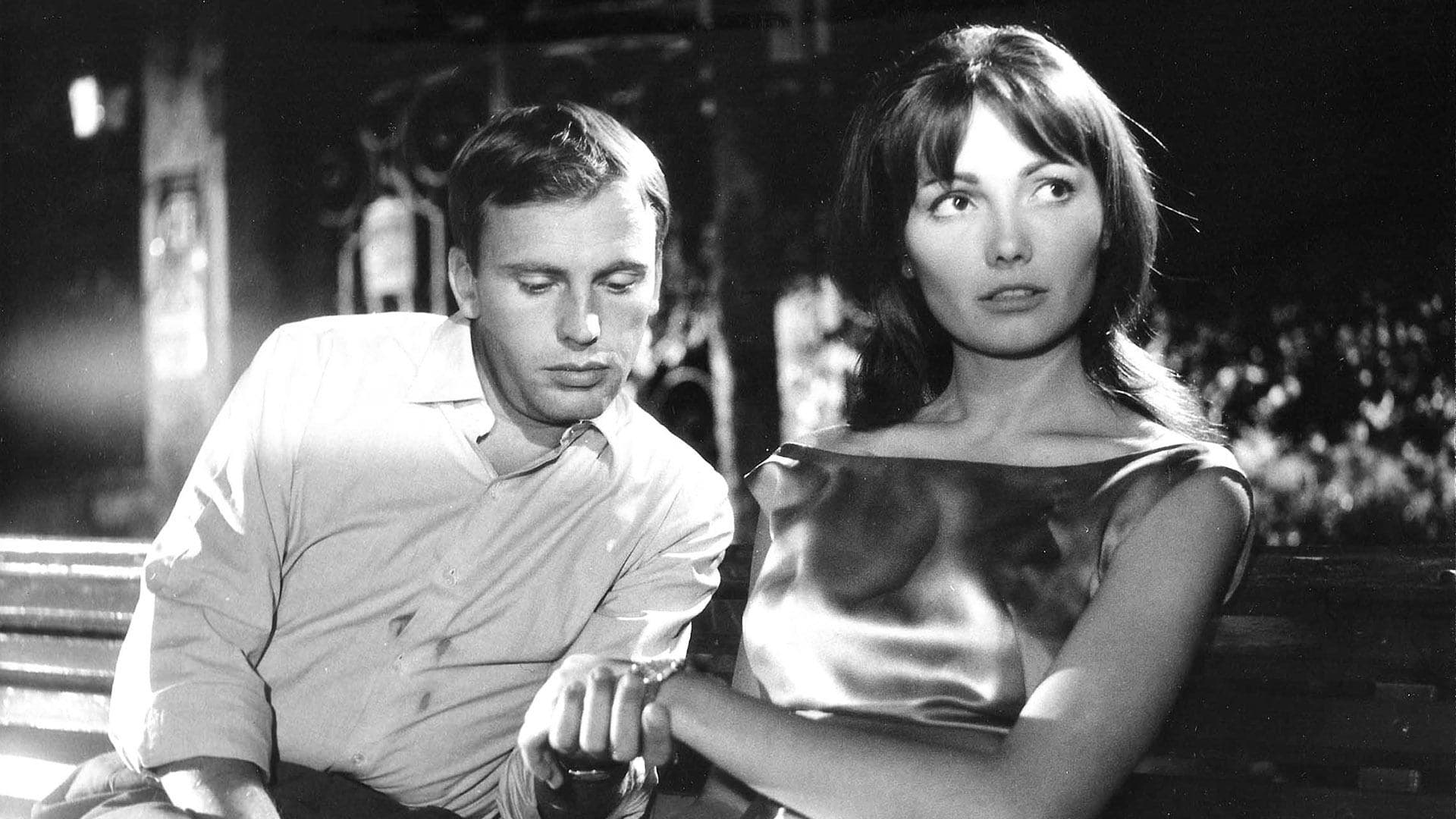
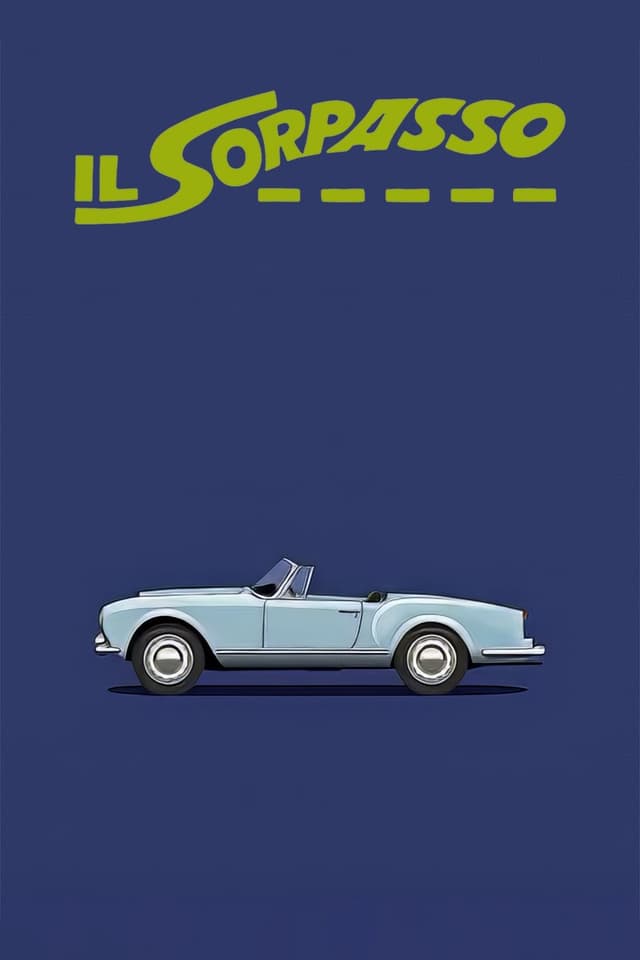
Bruno Cortona and Roberto Mariani meet by chance as Roberto helps Bruno one day while everything is closed in Rome for the holiday weekend. The two men could not be more different. Thirty-six year old Bruno is extroverted, a man who seizes opportunities as they arise, is an excitement seeker, has never really grown up, but is a person to whom many are drawn because of his exuberance and masculine good looks. Law student Roberto is introverted, controlled and so unsure of himself that he doesn't really know why he chose law as a career and is afraid not only to let the girl who lives across the way from him, Valeria, know that he likes her, but even to speak to her. He even has a photograph of her in his wallet that he took clandestinely. Roberto reluctantly gets caught up in the whirlwind of Bruno's last minute change in plans for the holidays as the two head off together in Bruno's Lancia Aurelia sports car, their joy ride which will be largely at Bruno's whim. That reluctance is because Roberto would rather stay at home to study for an exam a few weeks away. Roberto tries to ditch Bruno at every stop, he however afraid to tell Bruno the truth that he'd rather not be with him. But as their time together progresses, they each learn a little more about the other, with Roberto in particular beginning to understand how stultified his life has been. The question becomes whether Roberto and Bruno can find that good balance in their lives because of their time with the other.
What is known about the production of Il Sorpasso?
"Il Sorpasso," a drama released in 1962, was directed by Dino Risi and stars Vittorio Gassman, Jean-Louis Trintignant. The production budget has not been publicly disclosed, though Fair Film, Incei Film, Sancro Film produced the film, making it a notable entry in the drama landscape whose financial details remain private.
Key Budget Allocation Categories
While specific budget breakdowns are not publicly available, typical cost drivers for a drama production like this include:
- Music & Score: The soundtrack includes original themes by Riz Ortolani, and Italian 1960s hits such as "Saint Tropez Twist" by Peppino di Capri, "Quando, quando, quando" performed by Emilio Pericoli, "Guarda come dondolo" and "Pinne fucile ed occhiali" by Edoardo Vianello and "Vecchio frac" by Domenico Modugno.
What were the major cost factors in Il Sorpasso?
Several factors contributed to the overall production costs of "Il Sorpasso."
- Music: Music & Score is one of the primary cost drivers in drama productions of this scale.
Il Sorpasso Production History
The soundtrack includes original themes by Riz Ortolani, and Italian 1960s hits such as "Saint Tropez Twist" by Peppino di Capri, "Quando, quando, quando" performed by Emilio Pericoli, "Guarda come dondolo" and "Pinne fucile ed occhiali" by Edoardo Vianello and "Vecchio frac" by Domenico Modugno.
Awards and Recognition
4 wins & 2 nominations total
Critical Reception
According to Antonio Monda, the film was initially ignored by audiences and critics but became a word-of-mouth hit, as the film's road-trip structure appealed to "an emerging middle class craving travel ... in [a] period of economic boom".
Frequently Asked Questions
How much did it cost to make Il Sorpasso (1962)?
The production budget has not been publicly disclosed.
How much did Il Sorpasso (1962) earn at the box office?
Box office figures are not publicly available.
Was Il Sorpasso (1962) profitable?
Insufficient data for a profitability assessment.
What were the biggest costs in producing Il Sorpasso?
Specific cost breakdowns are not publicly available.
How does Il Sorpasso's budget compare to similar drama films?
Without a confirmed budget, comparison is not possible.
Did Il Sorpasso (1962) go over budget?
There are no widely reported accounts of significant budget overruns for this production. However, studios rarely disclose precise budget overrun figures publicly. The reported production budget reflects the final estimated cost.
What awards did Il Sorpasso (1962) win?
4 wins & 2 nominations total.
Who directed Il Sorpasso and who were the key crew members?
Directed by Dino Risi, written by Ruggero Maccari, Ettore Scola, Dino Risi, shot by Alfio Contini, with music by Riz Ortolani, edited by Maurizio Lucidi.
Where was Il Sorpasso filmed?
Il Sorpasso was filmed in Italy.
Filmmakers
Il Sorpasso

Official Trailer
Build budgets like this one in Saturation
Start from an industry-standard feature film template, import the schedule and rates you already have, and let the cost report keep itself current as you spend. Real-time collaboration, no spreadsheets.