I Am Cuba Budget
Updated
Synopsis
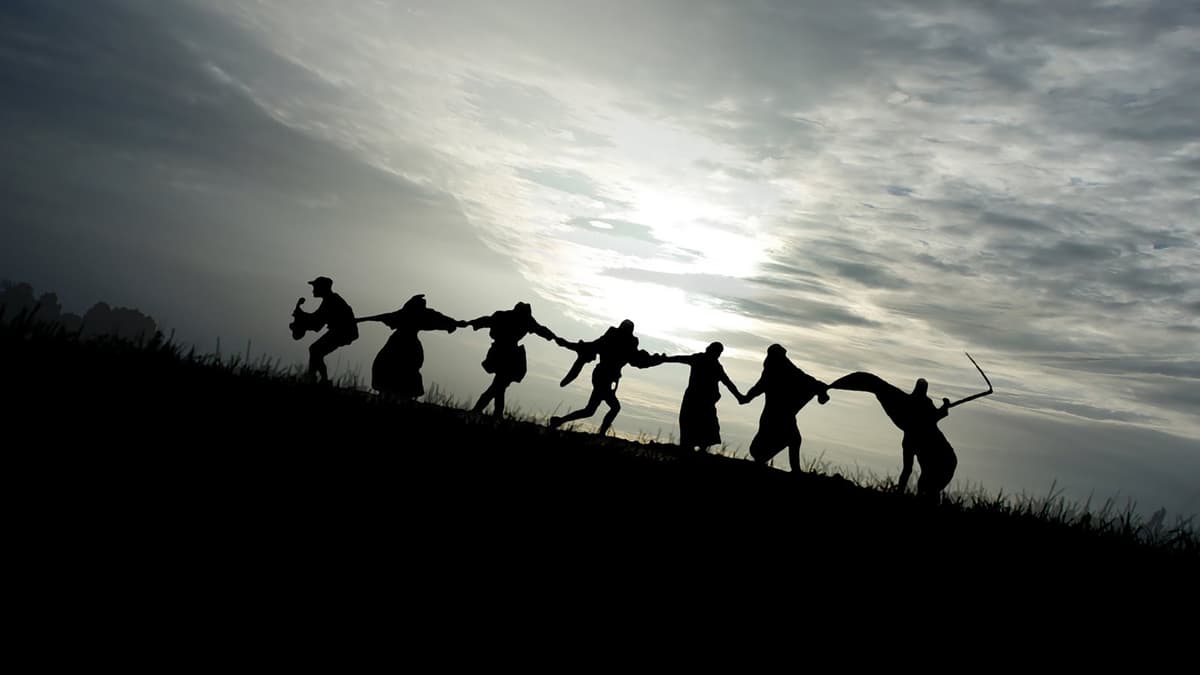
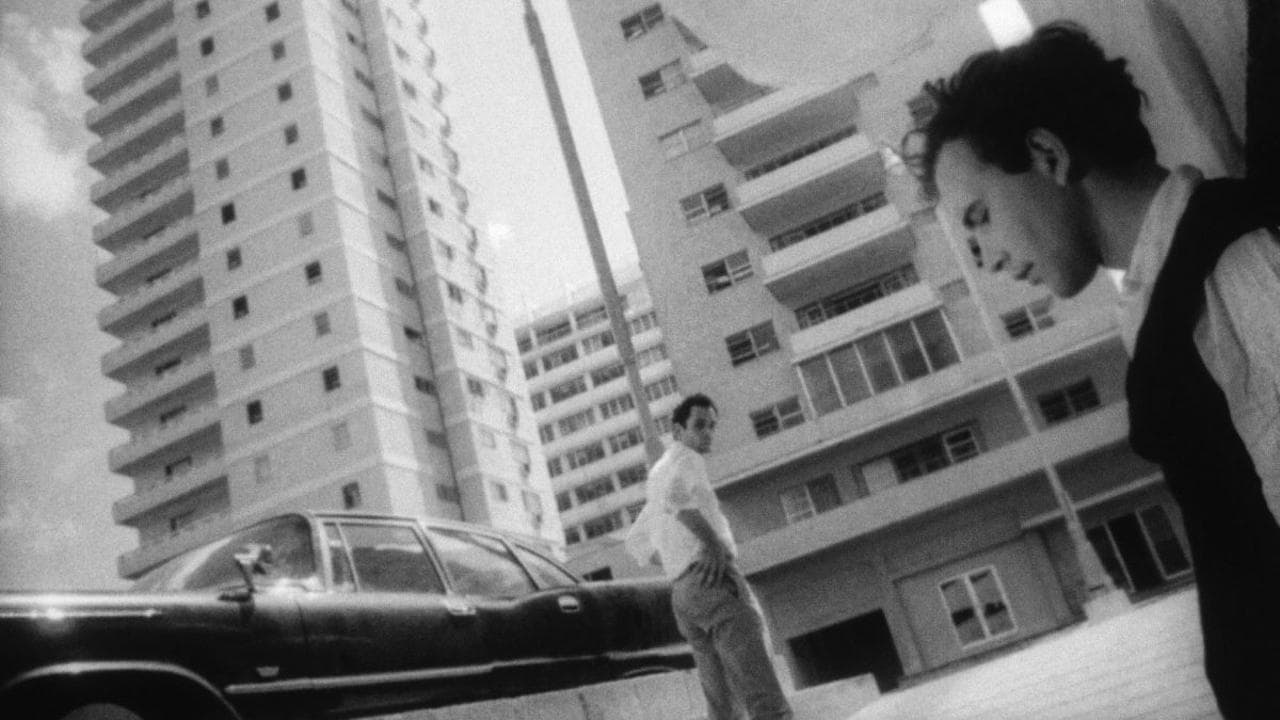
This study of Cuba--partially written by renowned poet Yevgeny Yevtushenko--captures the island just before it made the transition to a post-revolutionary society. Moving from city to country and back again, I AM CUBA examines the various problems caused by political oppression as well as by great discrepancies in wealth and power. Beginning in Havana in the pre-Castro era, we see how foreigners contributed to the city's prostitution and poverty; this sequence features dreamy, hallucinogenic camera work that creates a feeling of unease and dislocation. Then, in glorious images of palm tress and fertile land, the film looks at the sugar cane fields in the countryside, and the difficulties faced by peasants working the land. Finally, back in the city again, leftist students battle the police and a corrupt government--and pay a high price for their rebellion.
What is known about the production of I Am Cuba?
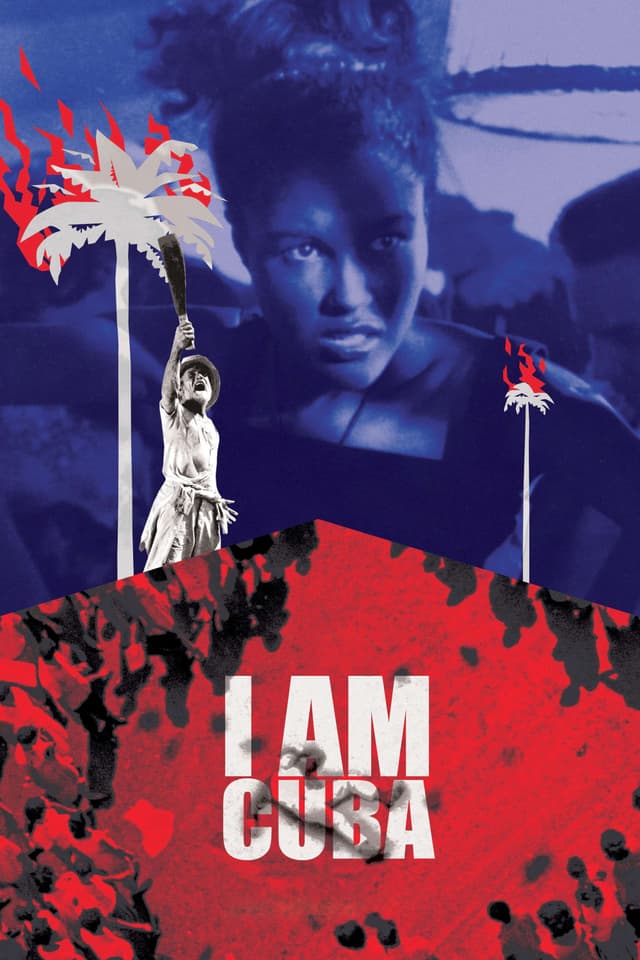
"I Am Cuba," a drama released in 1964, was directed by Mikhail Kalatozov and stars Sergio Corrieri, Salvador Wood. The production budget has not been publicly disclosed, though ICAIC, Mosfilm produced the film, making it a notable entry in the drama landscape whose financial details remain private.
Key Budget Allocation Categories
While specific budget breakdowns are not publicly available, typical cost drivers for a drama production like this include:
- Production: Shortly after the 1959 Cuban Revolution overthrew the United States-backed dictatorship of Fulgencio Batista, the socialist Castro government, isolated by the United States after the latter broke diplomatic and trade relations in 1961, turned to the USSR in many areas, including for film partnerships.
What were the major cost factors in I Am Cuba?
Several factors contributed to the overall production costs of "I Am Cuba."
- Production: Production is one of the primary cost drivers in drama productions of this scale.
I Am Cuba Box Office Performance
"I Am Cuba" earned $168,100 domestically.
Awards and Recognition
2 wins & 1 nomination total
Critical Reception
Despite its dazzling technical and formal achievements receiving excellent support, and the participation of the renowned team of Soviet cinematographers Mikhail Kalatozov and Sergei Urusevsky (winners of the 1958 Cannes Film Festival Palme d'Or for The Cranes are Flying, another virtuosistic art film, and also in the midst of the Cold War), the movie was given a rather cold reaction by audiences.
Frequently Asked Questions
How much did it cost to make I Am Cuba (1964)?
The production budget has not been publicly disclosed.
How much did I Am Cuba (1964) earn at the box office?
Box office figures are not publicly available.
Was I Am Cuba (1964) profitable?
Insufficient data for a profitability assessment.
What were the biggest costs in producing I Am Cuba?
Specific cost breakdowns are not publicly available.
How does I Am Cuba's budget compare to similar drama films?
Without a confirmed budget, comparison is not possible.
Did I Am Cuba (1964) go over budget?
There are no widely reported accounts of significant budget overruns for this production. However, studios rarely disclose precise budget overrun figures publicly. The reported production budget reflects the final estimated cost.
What awards did I Am Cuba (1964) win?
2 wins & 1 nomination total.
Who directed I Am Cuba and who were the key crew members?
Directed by Mikhail Kalatozov, written by Enrique Pineda Barnet, Yevgeny Yevtushenko, shot by Sergei Urusevsky, with music by Carlos Fariñas.
Where was I Am Cuba filmed?
I Am Cuba was filmed in Cuba, Soviet Union.
Filmmakers
I Am Cuba

Official Trailer
Build budgets like this one in Saturation
Start from an industry-standard feature film template, import the schedule and rates you already have, and let the cost report keep itself current as you spend. Real-time collaboration, no spreadsheets.