Ghost Ship Budget
 HorrorMysteryThriller1h 31m
Updated
Synopsis
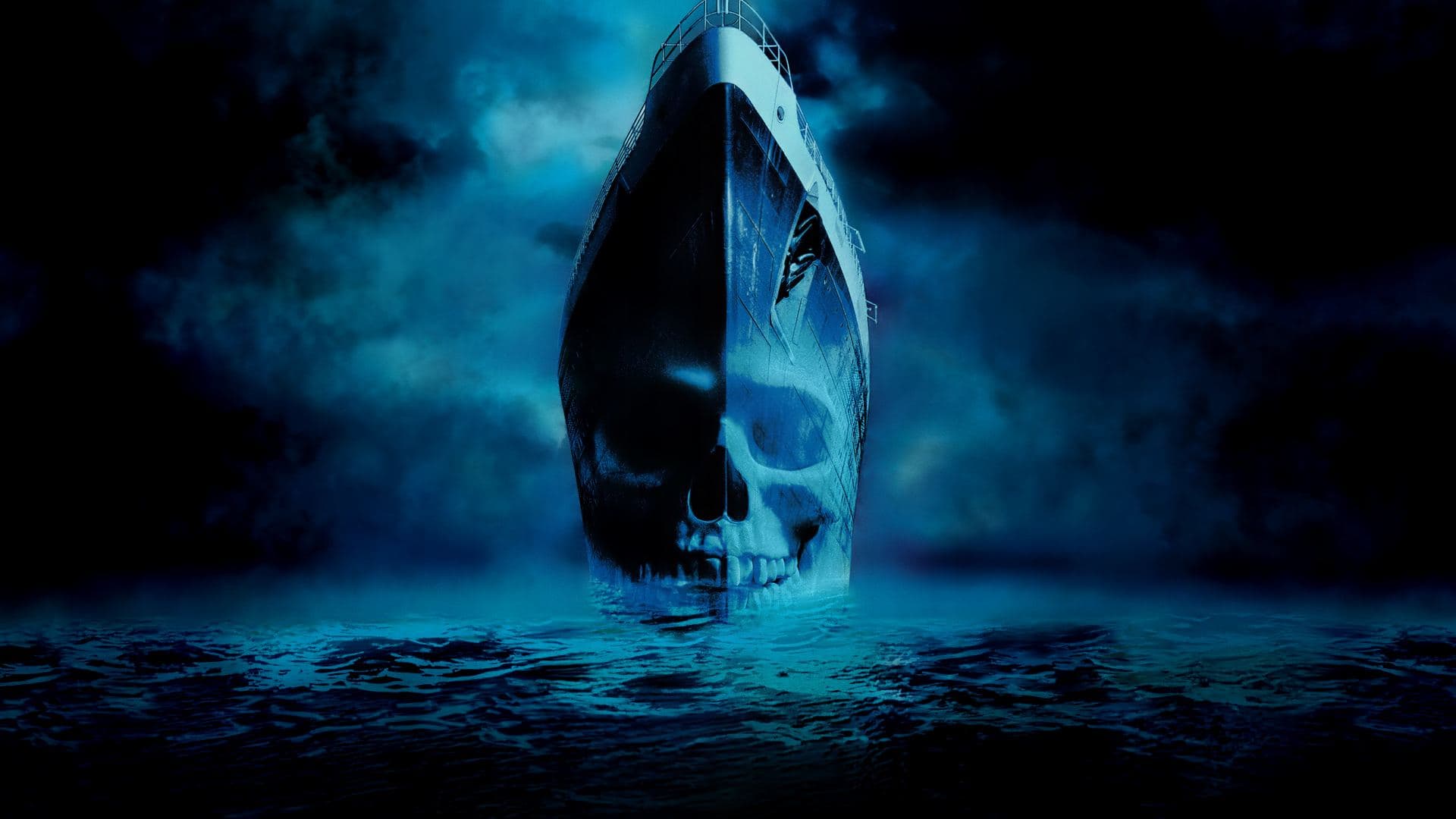
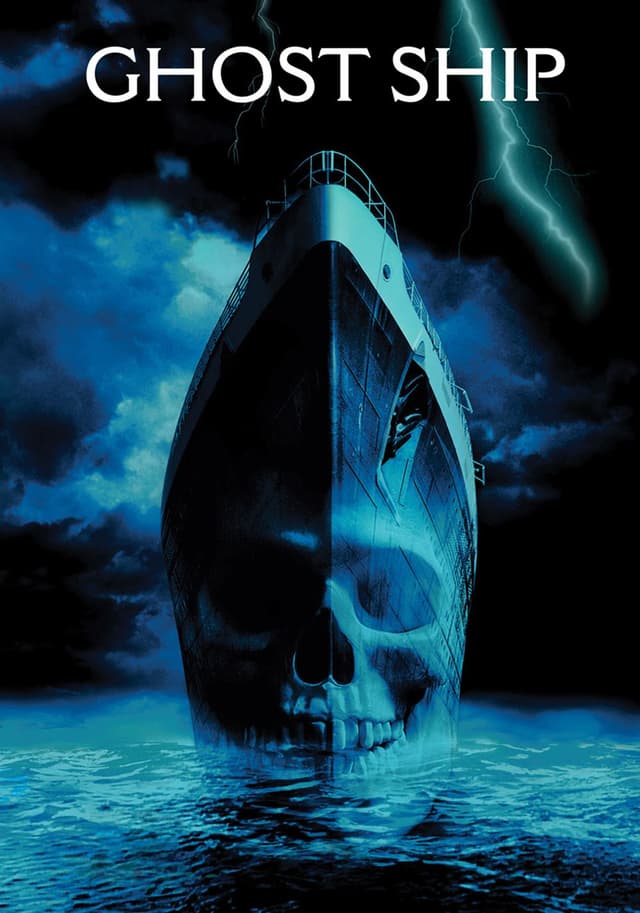
In a remote region of the Bering Sea, a boat salvage crew discovers the eerie remains of a grand passenger liner thought lost for more than 40 years. But once onboard the eerie, cavernous ship, the crew of the Arctic Warrior discovers that the decaying vessel is anything but deserted. It’s home to something more deadly and horrific than anything they’ve encountered in all their years at sea.
What is the budget of Ghost Ship?
"Ghost Ship," a horror released in 2002, was directed by Steve Beck and stars Gabriel Byrne, Julianna Margulies. The production budget was $35,000,000, placing it in the mid-budget range for horror productions of its era.
Key Budget Allocation Categories
While specific budget breakdowns are not publicly available, typical cost drivers for a horror production like this include:
- Practical Effects, Prosthetics & Makeup: Horror productions invest disproportionately in practical effects , prosthetic applications, animatronics, blood and gore effects, and creature suits. A single hero creature suit can cost $50,000 to 200,000.
- Atmospheric Production Design & Cinematography: Creating dread through environment is essential. Abandoned locations must be secured and dressed, lighting rigs designed for shadow and tension, and sets built to enable specific camera movements and reveals.
- Sound Design & Score: Horror is arguably the most sound-dependent genre. Foley work, ambient textures, frequency manipulation, and jump-scare stingers require specialized sound designers working with unconventional techniques.
What were the major cost factors in Ghost Ship?
Several factors contributed to the overall production costs of "Ghost Ship."
- Practical Effects: Practical Effects, Prosthetics & Makeup is one of the primary cost drivers in horror productions of this scale.
- Atmospheric Production Design: Atmospheric Production Design & Cinematography is one of the primary cost drivers in horror productions of this scale.
- Sound Design: Sound Design & Score is one of the primary cost drivers in horror productions of this scale.
How Does Ghost Ship's Budget Compare to Similar Films?
At $35,000,000, Ghost Ship sits in the mid-budget range. Here is how it compares to productions with a similar budget:
- 1941 (1979): Budget $35,000,000, Worldwide Gross $94,900,000
- Two for the Money (2005): Budget $35,000,000, Worldwide Gross $30,526,509
- Baby Driver (2017): Budget $34,000,000, Worldwide Gross $226,945,087
- Chill Factor (1999): Budget $34,000,000, Worldwide Gross $11,263,966
- Cradle Will Rock (1999): Budget $36,000,000, Worldwide Gross $2,900,000
The median budget for wide-release horror films in the 2000s ranges from $30 to 80M for mid-budget to $150M+ for tentpoles.
Ghost Ship Box Office Performance
"Ghost Ship" earned $30,113,491 domestically and $71,142,361 worldwide at the box office. Against a production budget of $35,000,000, the film showed modest profitability in theatrical release.
A film typically needs to earn approximately twice its production budget to cover marketing and distribution costs. For "Ghost Ship," that break-even threshold was roughly $70,000,000. With worldwide earnings of $71,142,361, the film cleared that threshold comfortably.
Box Office Breakdown
Ghost Ship

At 103.3%, "Ghost Ship" earned roughly $2.03 for every $1 invested in production.
Awards and Recognition
1 nomination total
Frequently Asked Questions
How much did it cost to make Ghost Ship (2002)?
The production budget was $35,000,000, covering principal photography, cast and crew salaries, locations, sets, post-production, and music. Marketing and distribution (P&A) costs are estimated at an additional $17,500,000 - $28,000,000, bringing the total studio investment to approximately $52,500,000 - $63,000,000.
How much did Ghost Ship (2002) earn at the box office?
Ghost Ship grossed $30,113,491 domestic, $41,028,870 international, totaling $71,142,361 worldwide.
Was Ghost Ship (2002) profitable?
The film did not break even theatrically, earning $71,142,361 against an estimated $87,500,000 needed. Ancillary revenue may have improved the picture.
What were the biggest costs in producing Ghost Ship?
The primary cost drivers were above-the-line talent (Gabriel Byrne, Julianna Margulies, Desmond Harrington); practical creature effects, atmospheric cinematography, and psychologically engineered sound design; international production across Australia, United States of America.
How does Ghost Ship's budget compare to similar horror films?
At $35,000,000, Ghost Ship is classified as a low-budget production. The median budget for wide-release horror films in the 2000s ranges from $30 - 80M for mid-budget to $150M+ for tentpoles. Comparable budgets: 1941 (1979, $35,000,000); Two for the Money (2005, $35,000,000); Baby Driver (2017, $34,000,000).
Did Ghost Ship (2002) go over budget?
There are no widely reported accounts of significant budget overruns for this production. However, studios rarely disclose precise budget overrun figures publicly. The reported production budget reflects the final estimated cost.
What was the return on investment (ROI) for Ghost Ship?
The theatrical ROI was 103.3%, calculated as ($71,142,361 − $35,000,000) ÷ $35,000,000 × 100. This measures gross revenue against production budget only - it does not account for P&A or exhibitor shares.
What awards did Ghost Ship (2002) win?
1 nomination total.
Who directed Ghost Ship and who were the key crew members?
Directed by Steve Beck, written by Mark Hanlon, John Pogue, shot by Gale Tattersall, with music by John Frizzell, edited by Roger Barton, Rebecca Weigold.
Where was Ghost Ship filmed?
Ghost Ship was filmed in Australia, United States of America.
Filmmakers
Ghost Ship

Official Trailer
Build budgets like this one in Saturation
Start from an industry-standard feature film template, import the schedule and rates you already have, and let the cost report keep itself current as you spend. Real-time collaboration, no spreadsheets.