Flee Budget
Updated
Synopsis
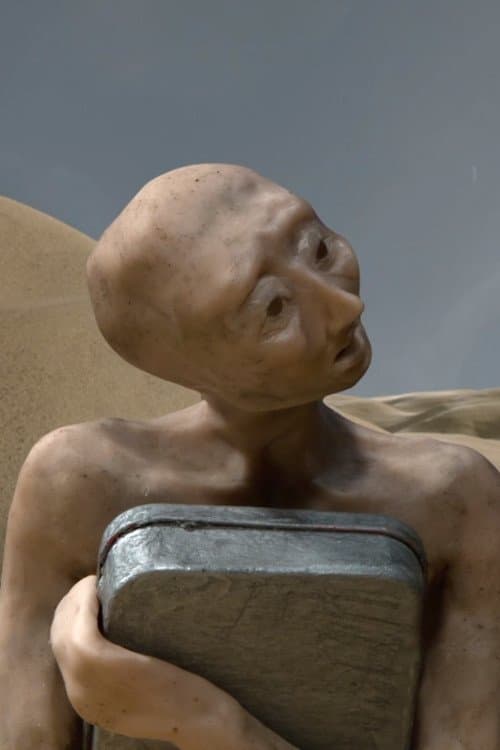
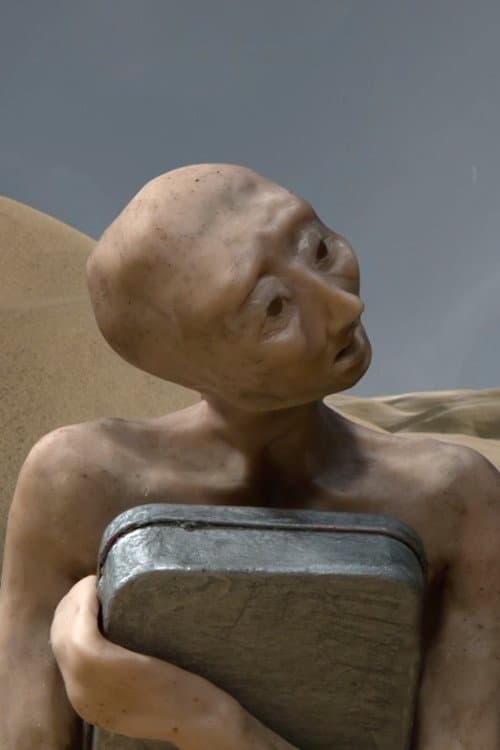
Flee (2012) is an experimental science-fiction short by Canadian artist Rosa Aiello in which a man wakes in a sea of sand dunes clutching a metal suitcase, with a distorted and inhuman city visible on the horizon. The film is a meditation on displacement and unfamiliar landscape that played small experimental festivals and circulated through gallery contexts.
What Is the Budget of Flee (2012)?
Flee (2012), written and directed by Canadian artist and filmmaker Rosa Aiello, was produced as a self-financed experimental short film with no publicly reported budget. Industry estimates for comparable independent art-cinema shorts of similar runtime and scope place the production cost in the $5,000 to $25,000 range, typical for self-financed festival shorts that draw on borrowed equipment, locations, and donated post-production resources. The film should not be confused with the better-known Jonas Poher Rasmussen animated documentary Flee (2021), which was a fully financed international co-production.
Aiello's Flee is an experimental science-fiction mystery in which a man wakes in a sea of sand dunes clutching a metal suitcase, with a distorted and inhuman city visible on the horizon. The short played a small handful of experimental and short-film festivals on the international circuit before circulating primarily through Aiello's gallery practice as a video work rather than a commercial theatrical release.
Key Budget Allocation Categories
The likely cost areas for an experimental short of this scope include:
- Director-Writer Fee: Self-financed by Rosa Aiello as part of her contemporary-art practice, with no commercial director fee paid. Aiello typically funds her own shorts through gallery sales, residency stipends, and arts grants rather than through commissioned production.
- Location and Production Design: The desert and dune environments visible in the film were either shot on practical location or composited from natural-landscape footage, with the distorted city horizon achieved through low-cost visual effects rather than fully built sets.
- Cast and Crew: A minimal cast and skeleton crew typical of festival-circuit experimental shorts, drawing on contemporary-art collaborators and short-film veterans willing to work at deferred or reduced rates.
- Camera and Equipment: Likely a digital cinema or prosumer camera package, with sound and lighting handled on a stripped-down setup.
- Post-Production: Editor Jason Lee assembled the short with color and visual-effects passes calibrated to the experimental aesthetic, with audio post likely completed at a friendly facility on deferred rates.
- Festival Submission Fees and Travel: Small but non-trivial line items covering submissions to art-house and experimental shorts festivals, plus filmmaker travel to attend selected screenings.
How Does Flee's Budget Compare to Similar Films?
At an estimated $5,000 to $25,000, Flee (2012) sits at the low end of the festival-circuit experimental short:
- Flee (2021): Budget approximately $3,400,000 | Worldwide $712,229. Jonas Poher Rasmussen's animated documentary, a fully financed Danish-French-Norwegian-Swedish co-production, is the better-known Flee and an entirely separate film from Aiello's 2012 short.
- Lights Out (2013): Budget approximately $3,000 | Worldwide undisclosed. David F. Sandberg's viral short later became a $4,900,000 New Line feature in 2016, demonstrating how a tightly budgeted short can pivot into commercial theatrical success.
- Bao (2018): Budget approximately $1,000,000 | Worldwide reported as a Pixar theatrical short attached to Incredibles 2. Studio-financed shorts represent the upper bound of the format.
- Stutterer (2015): Budget approximately $7,000 | Worldwide undisclosed. Benjamin Cleary's Academy Award-winning live action short established a microbudget benchmark for festival-prize-winning works.
Flee Box Office Performance
Flee (2012) did not receive a theatrical release. The film circulated through small experimental shorts festivals and Aiello's gallery practice without ticketed public exhibition. No box office figures were reported.
Box Office Breakdown
Flee

Standard ROI metrics do not apply to gallery-based experimental shorts, where success is measured in festival selections, museum acquisitions, and the filmmaker's career trajectory rather than ticket sales. For Aiello, whose subsequent work has been shown at international biennials and arts institutions, Flee functioned as an early-career calling card.
Flee Production History
Rosa Aiello, a Canadian artist born in Hamilton, Ontario, made Flee in 2012 as part of an early-career body of work that combined moving image, text, and installation. The film was produced during a period when Aiello was based between North America and Europe, and the science-fiction setup reflects the broader interest in landscape, displacement, and futurity that characterizes her practice.
The shoot drew on natural desert and dune environments rather than studio construction, with the distorted city horizon visible in the film achieved through compositing rather than physical production design. The minute-long runtime reported by some databases reflects how the short was distributed in some online and gallery contexts; festival cuts varied in length.
Following Flee, Aiello continued to develop a film and video practice that has been screened at venues including the Rotterdam International Film Festival and various contemporary art biennials. Her later work moved further into installation and gallery contexts, with Flee remaining one of her most-cited early single-channel shorts.
Awards and Recognition
Flee (2012) screened at experimental and short-film festivals on the international circuit, including programming at small art-house venues and curated gallery contexts. No major festival awards were reported. The film is most often cited in surveys of early-career Canadian experimental filmmaking rather than in mainstream awards databases.
The short does not have an entry in major industry awards databases, reflecting its festival-and-gallery-first distribution path. Its primary recognition came through inclusion in curated experimental-shorts programs and as part of the broader critical engagement with Aiello's emerging body of work.
Critical Reception
Flee (2012) did not receive significant mainstream critical coverage. The film does not have a Rotten Tomatoes or Metacritic page, both of which exclude experimental shorts that lack commercial theatrical distribution. It has no CinemaScore grade because the survey company only polls audiences at studio wide releases.
What critical engagement exists comes through gallery and arts criticism, where Aiello's practice has been discussed in publications covering contemporary Canadian art and the international experimental moving-image circuit. The short is most often read as a science-fiction-inflected meditation on displacement and unfamiliar landscape, themes that recur across her later work.
Frequently Asked Questions
How much did Flee (2012) cost to make?
Flee was self-financed by director Rosa Aiello and no formal budget was reported. Industry estimates for comparable festival-circuit experimental shorts place the cost in the $5,000 to $25,000 range, drawing on borrowed equipment, donated post-production, and deferred or unpaid contributions from a small crew.
Is this the same Flee that won the Academy Award nomination?
No. This Flee (2012) is an experimental science-fiction short directed by Canadian artist Rosa Aiello. The widely acclaimed animated documentary Flee, directed by Jonas Poher Rasmussen and nominated for three Academy Awards, was released in 2021 and is an entirely separate film.
How much did Flee (2012) earn at the box office?
Flee (2012) did not receive a theatrical release and earned no box office. The short circulated through small experimental and short-film festivals and through Rosa Aiello's gallery practice rather than ticketed public exhibition.
Who directed Flee (2012)?
Rosa Aiello, a Canadian artist and filmmaker born in Hamilton, Ontario, wrote and directed the short. Aiello also self-produced the film as part of an early-career body of work that combined moving image, text, and installation across North American and European contexts.
Where was Flee (2012) filmed?
The short was shot in natural desert and dune environments rather than on a studio soundstage, with the distorted city horizon visible on screen achieved through compositing in post-production rather than through physical production design.
How long is Flee (2012)?
The reported runtime varies by distribution context. Some databases list the film as approximately one minute, reflecting the version that circulated online and in gallery contexts; festival-screening cuts have varied in length.
Did Flee (2012) win any awards?
No major festival or industry awards have been publicly reported for the short. Its recognition has come through inclusion in curated experimental-shorts programs and as part of the broader critical engagement with Aiello's emerging body of work in contemporary art contexts.
What did critics think of Flee (2012)?
The short did not receive mainstream critical coverage and has no Rotten Tomatoes or Metacritic page. What critical engagement exists has come through gallery and contemporary-art criticism, where the film is most often read as a science-fiction-inflected meditation on displacement and unfamiliar landscape.
Is Flee (2012) available to stream?
The short is not available on major commercial streaming services. It has been shown through gallery contexts, curated experimental-shorts programs, and the filmmaker's own distribution channels rather than through subscription video on demand platforms.
What other films has Rosa Aiello made?
Aiello has developed an ongoing film and video practice that has been screened at venues including the Rotterdam International Film Festival and various contemporary art biennials. Her work has moved further into installation and gallery contexts since Flee, with this 2012 short remaining one of her most-cited early single-channel works.
Filmmakers
Flee

Official Trailer
Build budgets like this one in Saturation
Start from an industry-standard feature film template, import the schedule and rates you already have, and let the cost report keep itself current as you spend. Real-time collaboration, no spreadsheets.