Fitzcarraldo Budget
 DramaAdventure2h 37m
Updated
Synopsis
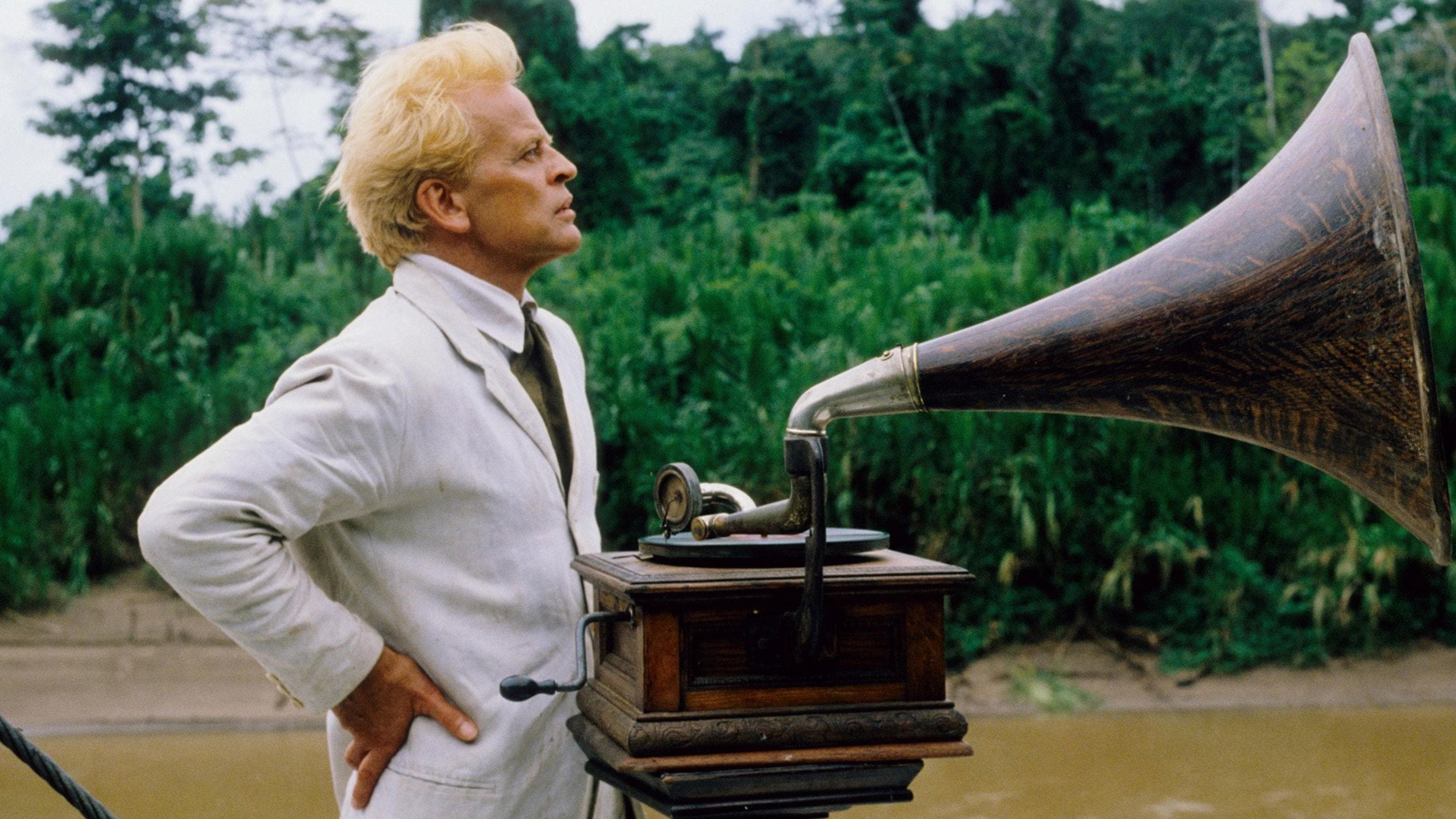
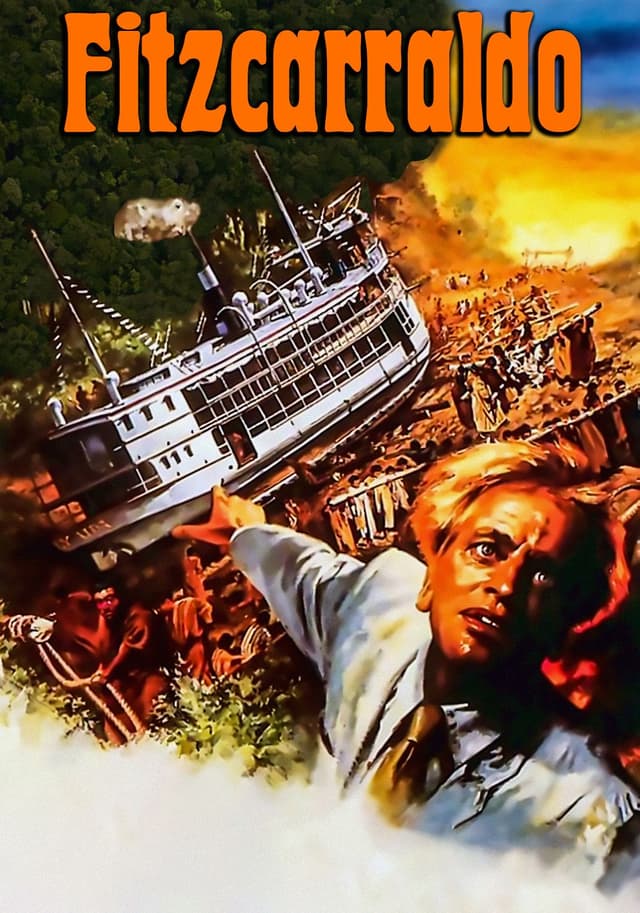
Fitzcarraldo is an obsessed opera lover who wants to build an opera in the jungle. To accomplish this he first has to make a fortune in the rubber business, and his cunning plan involves hauling an enormous river boat across a small mountain with aid from the local Indians.
What is the budget of Fitzcarraldo?
"Fitzcarraldo," a drama released in 1982, was directed by Werner Herzog and stars Klaus Kinski, Claudia Cardinale. The production budget was $7,362,000, placing it in the low-budget range for drama productions of the 1980s.
Key Budget Allocation Categories
While specific budget breakdowns are not publicly available, typical cost drivers for a drama production like this include:
- Above-the-Line Talent: Drama films live or die on the strength of their performances.
- Location Filming & Period Production Design: Authentic locations , whether contemporary or historical , require scouting, permits, travel, lodging, and often significant dressing to match the story's time period.
- Post-Production, Color Grading & Score: The editorial process for dramas is typically longer than genre films, with careful attention to pacing and tone.
- Production: Fitzcarraldo is considered one of the most difficult productions in the history of cinema.
What were the major cost factors in Fitzcarraldo?
Several factors contributed to the overall production costs of "Fitzcarraldo."
- Above-the-Line Talent: Above-the-Line Talent is one of the primary cost drivers in drama productions of this scale.
- Location Filming: Location Filming & Period Production Design is one of the primary cost drivers in drama productions of this scale.
- Post-Production: Post-Production, Color Grading & Score is one of the primary cost drivers in drama productions of this scale.
How Does Fitzcarraldo's Budget Compare to Similar Films?
At $7,362,000, Fitzcarraldo sits in the low-budget range. Here is how it compares to productions with a similar budget:
- The Bye Bye Man (2017): Budget $7,400,000, Worldwide Gross $26,700,000
- Persepolis (2007): Budget $7,300,000
- Who's Afraid of Virginia Woolf? (1966): Budget $7,500,000, Worldwide Gross $33,736,689
- Your Name. (2016): Budget $7,500,000, Worldwide Gross $405,320,132
- Breaking the Waves (1996): Budget $7,500,000, Worldwide Gross $23,000,000
The median budget for wide-release drama films in the era ranges from $30 to 80M for mid-budget to $150M+ for tentpoles.
Fitzcarraldo Production History
The soundtrack album (released in 1982) contains music by Popol Vuh, taken from the albums Die Nacht der Seele (1979) and Sei still, wisse ich bin (1981), as well as performances by Enrico Caruso and others. The film uses excerpts from Verdi's Ernani, Leoncavallo's Pagliacci ("Ridi, Pagliaccio"), Puccini's La bohème, Bellini's I puritani, and Strauss' Death and Transfiguration.
Awards and Recognition
Nominated for 1 BAFTA Award4 wins & 4 nominations total
Critical Reception
Film critic Roger Ebert gave the film four (out of four) stars in his original 1982 review, and he added it to his Great Movies collection in 2005. Ebert compared Fitzcarraldo to films like Apocalypse Now (1979) and 2001: A Space Odyssey (1968), noting that "we are always aware both of the film, and of the making of the film", and concluding that "[t]he movie is imperfect, but transcendent".
Frequently Asked Questions
How much did it cost to make Fitzcarraldo (1982)?
The production budget was $7,362,000, covering principal photography, cast and crew salaries, locations, sets, post-production, and music. Marketing and distribution (P&A) costs are estimated at an additional $3,681,000 - $5,889,600, bringing the total studio investment to approximately $11,043,000 - $13,251,600.
How much did Fitzcarraldo (1982) earn at the box office?
Box office figures are not publicly available.
Was Fitzcarraldo (1982) profitable?
Insufficient data for a profitability assessment.
What were the biggest costs in producing Fitzcarraldo?
The primary cost drivers were above-the-line talent (Klaus Kinski, Claudia Cardinale, José Lewgoy); talent compensation, authentic period production design, and meticulous post-production; international production across Germany, Peru.
How does Fitzcarraldo's budget compare to similar drama films?
At $7,362,000, Fitzcarraldo is classified as a micro-budget production. The median budget for wide-release drama films in the era ranges from $30 - 80M for mid-budget to $150M+ for tentpoles. Comparable budgets: The Bye Bye Man (2017, $7,400,000); Persepolis (2007, $7,300,000); Who's Afraid of Virginia Woolf? (1966, $7,500,000).
Did Fitzcarraldo (1982) go over budget?
There are no widely reported accounts of significant budget overruns for this production. However, studios rarely disclose precise budget overrun figures publicly. The reported production budget reflects the final estimated cost.
What awards did Fitzcarraldo (1982) win?
Nominated for 1 BAFTA Award4 wins & 4 nominations total.
Who directed Fitzcarraldo and who were the key crew members?
Directed by Werner Herzog, written by Werner Herzog, shot by Thomas Mauch, with music by Popol Vuh, edited by Beate Mainka-Jellinghaus.
Where was Fitzcarraldo filmed?
Fitzcarraldo was filmed in Germany, Peru.
Filmmakers
Fitzcarraldo

Official Trailer
Build budgets like this one in Saturation
Start from an industry-standard feature film template, import the schedule and rates you already have, and let the cost report keep itself current as you spend. Real-time collaboration, no spreadsheets.