Fear Street 1994 Budget
 HorrorMystery1h 48m
Updated
Synopsis
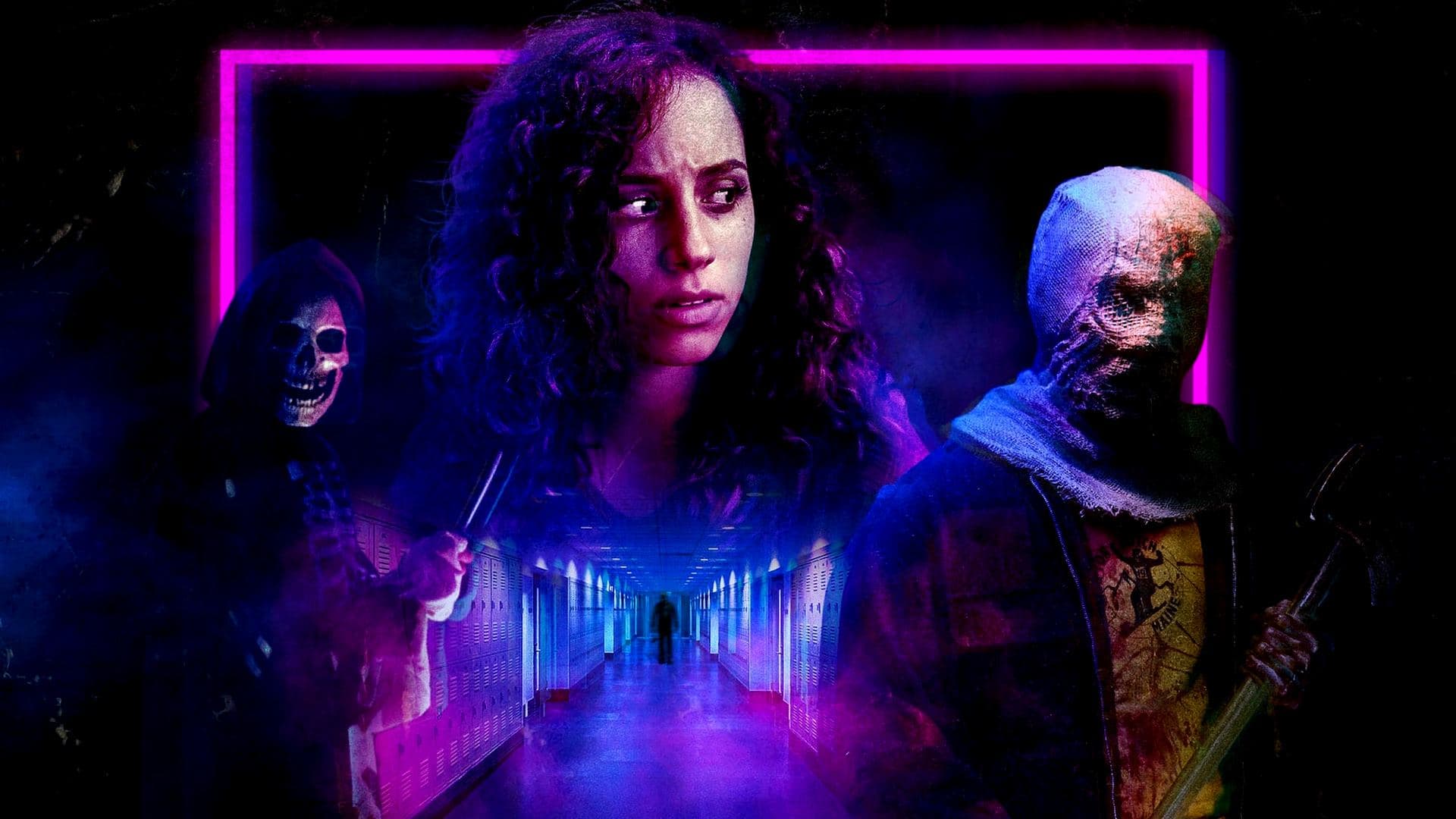
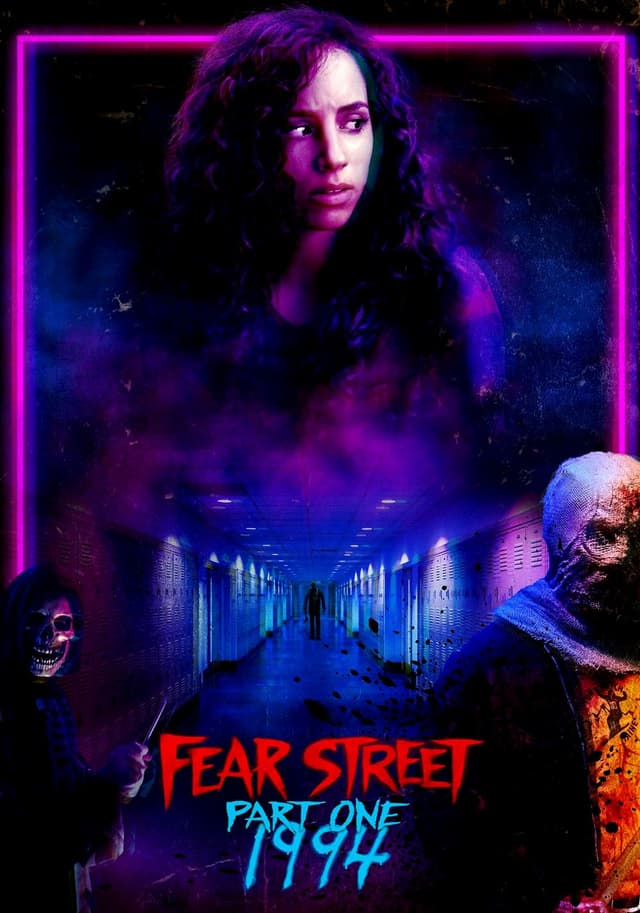
In 1994, a series of brutal murders shake the cursed town of Shadyside, Ohio, leading Deena (Kiana Madeira) and her friends to uncover a centuries-old supernatural force that has driven Shadyside teenagers to homicide for more than three hundred years. Director Leigh Janiak's Netflix slasher, the first installment of a weekly-release back-to-back trilogy adapted from R.L. Stine's Fear Street young-adult book series, blends 1990s teen-slasher iconography with a longer interconnected mythology.
What Is the Budget of Fear Street: 1994 (2021)?
Fear Street: 1994 (2021), directed by Leigh Janiak and distributed by Netflix, was produced on a reported budget of approximately $10,000,000 as the first installment of a back-to-back trilogy that totaled roughly $30,000,000 across all three films. The figure represents a mid-tier R-rated horror budget, with Chernin Entertainment financing the trilogy through a deal with Disney that was subsequently transferred to Netflix after the 20th Century Fox-Disney merger.
The trilogy budget covered an unusual back-to-back shoot in 2019 in and around Atlanta, Georgia, with director Leigh Janiak directing all three installments consecutively across a single production schedule. Adapting R.L. Stine's Fear Street young-adult horror series, the three films are set in 1994, 1978, and 1666 respectively and feature a partially shared cast across timelines. The trilogy was originally developed for theatrical release before the COVID-19 pandemic and the Disney-Fox merger reassignment moved it to Netflix in 2020.
Key Budget Allocation Categories
The estimated $10,000,000 1994 installment budget was distributed across:
- Cast: Kiana Madeira, Olivia Scott Welch, Benjamin Flores Jr., Julia Rehwald, Fred Hechinger, and Maya Hawke (in a memorable opening sequence) anchored the 1994 installment, with cast members reprising or transitioning across the trilogy. The young-adult lead cast worked at standard rates with limited above-the-line concentration.
- Atlanta Production: Production based at studio facilities outside Atlanta with practical location work across the Atlanta metropolitan area. Georgia's film tax incentive program, which offers a transferable 30% tax credit on qualified production spend, made the back-to-back trilogy schedule financially viable.
- Director Fee and Producing: Leigh Janiak, coming off Honeymoon (2014) and television work, directed all three trilogy installments under a single back-to-back commitment. Producer Peter Chernin and Chernin Entertainment packaged the project through their first-look deal that originated at 20th Century Fox.
- Practical Slasher Effects: Practical kills, slasher-mask designs, and gore effects designed and executed under standard genre rates, with the production embracing 1990s-era slasher conventions in deliberate homage to Wes Craven Scream-era horror.
- Music: Composer Marco Beltrami, with additional 1990s licensed needle-drops including Garbage, Nine Inch Nails, Pixies, Radiohead, and Cypress Hill. Music licensing for the 1990s soundtrack consumed a significant fraction of the music budget and was deliberately aggressive in establishing period mood.
- Visual Effects and Period Design: Modest visual effects supporting the practical slasher choreography. Production design by Scott Kuzio and costume design captured 1990s mall, suburb, and high-school detail without lapsing into kitsch.
How Does Fear Street: 1994's Budget Compare to Similar Films?
At approximately $10,000,000 per installment, Fear Street: 1994 sits in the middle range of streaming-exclusive horror:
- Scream (1996): Budget approximately $14,000,000 | Worldwide $173,000,000. Wes Craven's genre-foundational meta-slasher, which Fear Street openly references, cost roughly Fear Street's per-installment level for a 1990s theatrical release.
- Halloween (2018): Budget approximately $10,000,000 | Worldwide $255,500,000. David Gordon Green's Blumhouse Halloween revival ran at exactly Fear Street's budget for a Universal theatrical release.
- A Nightmare on Elm Street (2010): Budget approximately $35,000,000 | Worldwide $115,700,000. Samuel Bayer's Platinum Dunes remake cost more than three times Fear Street: 1994.
- Hush (2016): Budget approximately $1,000,000 | Worldwide streaming-exclusive. Mike Flanagan's Netflix-acquired indie slasher cost a tenth of Fear Street as a single-location chamber piece.
Fear Street: 1994 Box Office Performance
Fear Street: 1994 debuted globally on Netflix on July 2, 2021, with no traditional theatrical release. Fear Street: 1978 followed on July 9, and Fear Street: 1666 on July 16, giving the trilogy a weekly-release rollout designed to maximize binge engagement and word-of-mouth momentum. Netflix reported that the trilogy films collectively accumulated 284,000,000 hours watched across the launch window and stayed in the platform's global Top 10 list for multiple consecutive weeks.
Box Office Breakdown
Fear Street 1994

The Reuters report cited Netflix internal figures showing that Fear Street: 1994 alone reached an audience of more than 28,000,000 households in its first 28 days, with the trilogy's weekly release strategy generating cumulative engagement that comfortably exceeded the platform's internal benchmarks for genre originals. The trilogy became the most successful horror franchise in Netflix's commissioned-originals history at the time.
The weekly-release rollout, unusual for Netflix at the time when full-season binge releases dominated the platform, was specifically engineered to capitalize on the trilogy's interconnected mythology. Audience word-of-mouth between weekly releases drove sustained social-media engagement, with Twitter and TikTok engagement metrics tracking new peaks across each weekly drop.
Fear Street: 1994 Production History
Chernin Entertainment optioned R.L. Stine's Fear Street young-adult horror book series in 2015, initially developing the project as a theatrical trilogy at 20th Century Fox. Leigh Janiak, coming off her 2014 indie horror Honeymoon and her work directing the MTV Scream television series, was attached to direct all three installments. Development continued through 2017 and 2018 with screenplay work by Janiak, Phil Graziadei, and Kate Trefry.
Principal photography began in March 2019 in Atlanta, Georgia, with the unusual back-to-back trilogy structure that committed director Leigh Janiak to directing all three films across a single continuous production schedule. The shoot ran approximately five months through August 2019, with the production rotating between 1994, 1978, and 1666 storylines depending on cast availability and location requirements.
The 1994 installment used Atlanta-area shopping malls, high schools, and suburban locations to recreate the rural Ohio town of Shadyside, with the production design embracing 1990s detail without descending into camp. The opening shopping-mall sequence, featuring Maya Hawke being chased by a knife-wielding mascot character through after-hours mall corridors, was filmed at the Northlake Mall in Atlanta and has become the trilogy's most-cited single sequence.
The Disney-Fox merger completed in March 2019, just as principal photography was beginning. Disney's subsequent corporate review of the Fox theatrical slate identified Fear Street as a poor fit for Disney-branded theatrical distribution. In August 2020, Disney sold the trilogy to Netflix for theatrical-comparable financial terms, with the streamer committing to the weekly-release event structure that defined the July 2021 launch.
Post-production on all three films was completed simultaneously across 2020 and into spring 2021, with editor Rachel Goodlett Katz cutting all three installments. The shared aesthetic palette across the trilogy was maintained through coordinated cinematography by Caleb Heymann and consistent music collaboration with composer Marco Beltrami.
Awards and Recognition
The Fear Street trilogy was nominated for the Saturn Award for Best Streaming Horror Series at the 47th Saturn Awards, losing to Marvel Studios' Loki. Leigh Janiak won the Saturn Award for Best Direction for a Streaming Series. The trilogy was nominated for the GLAAD Media Award for Outstanding Film for its central queer romance between Deena (Kiana Madeira) and Sam (Olivia Scott Welch).
Industry recognition has primarily come through the streaming-performance metrics and the trilogy's status as a foundational benchmark for Netflix horror commissioning. The weekly-release strategy has been studied and partially imitated by competing streamers, and the trilogy is regularly cited in industry retrospectives as the moment Netflix proved that horror could function as a tentpole streaming event franchise.
Critical Reception
Fear Street: 1994 received broadly positive reviews. The film holds an 86% approval rating on Rotten Tomatoes based on 213 critic reviews with a critical consensus that 'A solid foundation for what stands to be a thrilling trilogy, Fear Street Part One: 1994 dishes out an impressive amount of late-1990s era splatter.' On Metacritic, the film scored 67 out of 100, indicating generally favorable reviews. The film does not carry a CinemaScore grade because it bypassed wide theatrical release.
Variety's Owen Gleiberman called the film 'a tossed salad of teen-slasher tropes, served with verve and just enough straight-faced sincerity.' The New York Times' Glenn Kenny described the trilogy as 'an ambitious experiment in interconnected genre storytelling.' Vulture's Bilge Ebiri praised director Leigh Janiak for 'expertly stitching 1990s teen-slasher iconography to a longer mythology.' Rolling Stone's K. Austin Collins highlighted the trilogy's queer romance as 'a quietly radical structural choice for mainstream horror.'
Frequently Asked Questions
How much did Fear Street: 1994 cost to make?
Fear Street: 1994 was produced for approximately $10,000,000 as the first installment of a back-to-back trilogy that totaled roughly $30,000,000 across all three films. Chernin Entertainment financed the trilogy through a deal that originated at 20th Century Fox and was subsequently transferred to Netflix in 2020.
Did Fear Street: 1994 have a theatrical release?
No. Fear Street: 1994 was a Netflix exclusive that bypassed traditional theatrical distribution and premiered globally on the streaming platform on July 2, 2021. The trilogy was originally developed for theatrical release at 20th Century Fox before the Disney-Fox merger reassigned it to Netflix.
How well did Fear Street perform on Netflix?
Netflix reported that the trilogy collectively accumulated 284,000,000 hours watched across the launch window, with Fear Street: 1994 alone reaching more than 28,000,000 households in its first 28 days. The trilogy became the most successful horror franchise in Netflix's commissioned-originals history at the time of release.
Who directed Fear Street: 1994?
Leigh Janiak directed all three Fear Street trilogy installments under a single back-to-back commitment. Janiak had previously made the 2014 indie horror Honeymoon and directed episodes of the MTV Scream television series before signing on to the trilogy in 2017.
Where was Fear Street filmed?
Principal photography for all three trilogy installments took place in and around Atlanta, Georgia between March and August 2019. Georgia's film tax incentive program made the back-to-back trilogy schedule financially viable. Locations included Atlanta-area shopping malls, high schools, and suburban locations standing in for the rural Ohio town of Shadyside.
Did Fear Street: 1994 win any awards?
Leigh Janiak won the Saturn Award for Best Direction for a Streaming Series for the trilogy. The trilogy was also nominated for the Saturn Award for Best Streaming Horror Series and the GLAAD Media Award for Outstanding Film for its central queer romance between Deena and Sam.
Why did Fear Street move from Fox theatrical to Netflix?
The Disney-Fox merger completed in March 2019, just as principal photography was beginning. Disney's subsequent corporate review of the Fox theatrical slate identified Fear Street as a poor fit for Disney-branded distribution. In August 2020, Disney sold the trilogy to Netflix for theatrical-comparable financial terms.
What did critics think of Fear Street: 1994?
Fear Street: 1994 received broadly positive reviews with an 86% approval rating on Rotten Tomatoes based on 213 critic reviews and a 67 out of 100 score on Metacritic. Variety called it 'a tossed salad of teen-slasher tropes, served with verve,' and Vulture praised director Leigh Janiak for 'expertly stitching 1990s teen-slasher iconography to a longer mythology.'
Are the three Fear Street films connected?
Yes. All three trilogy installments are set in the same fictional Ohio town of Shadyside but in different time periods (1994, 1978, and 1666), and follow an interconnected mythology built around a centuries-old supernatural curse. Several cast members appear across multiple timelines, and the resolution of the central mystery requires all three films.
Will there be more Fear Street films?
A standalone follow-up titled Fear Street: Prom Queen, directed by Matt Palmer rather than Leigh Janiak, was released by Netflix in 2025. Additional Fear Street installments remain in development as part of an extended Netflix horror universe drawing on R.L. Stine's broader Fear Street book series.
Filmmakers
Fear Street 1994

Official Trailer
Build budgets like this one in Saturation
Start from an industry-standard feature film template, import the schedule and rates you already have, and let the cost report keep itself current as you spend. Real-time collaboration, no spreadsheets.