Fantasy Island Budget
Updated
Synopsis
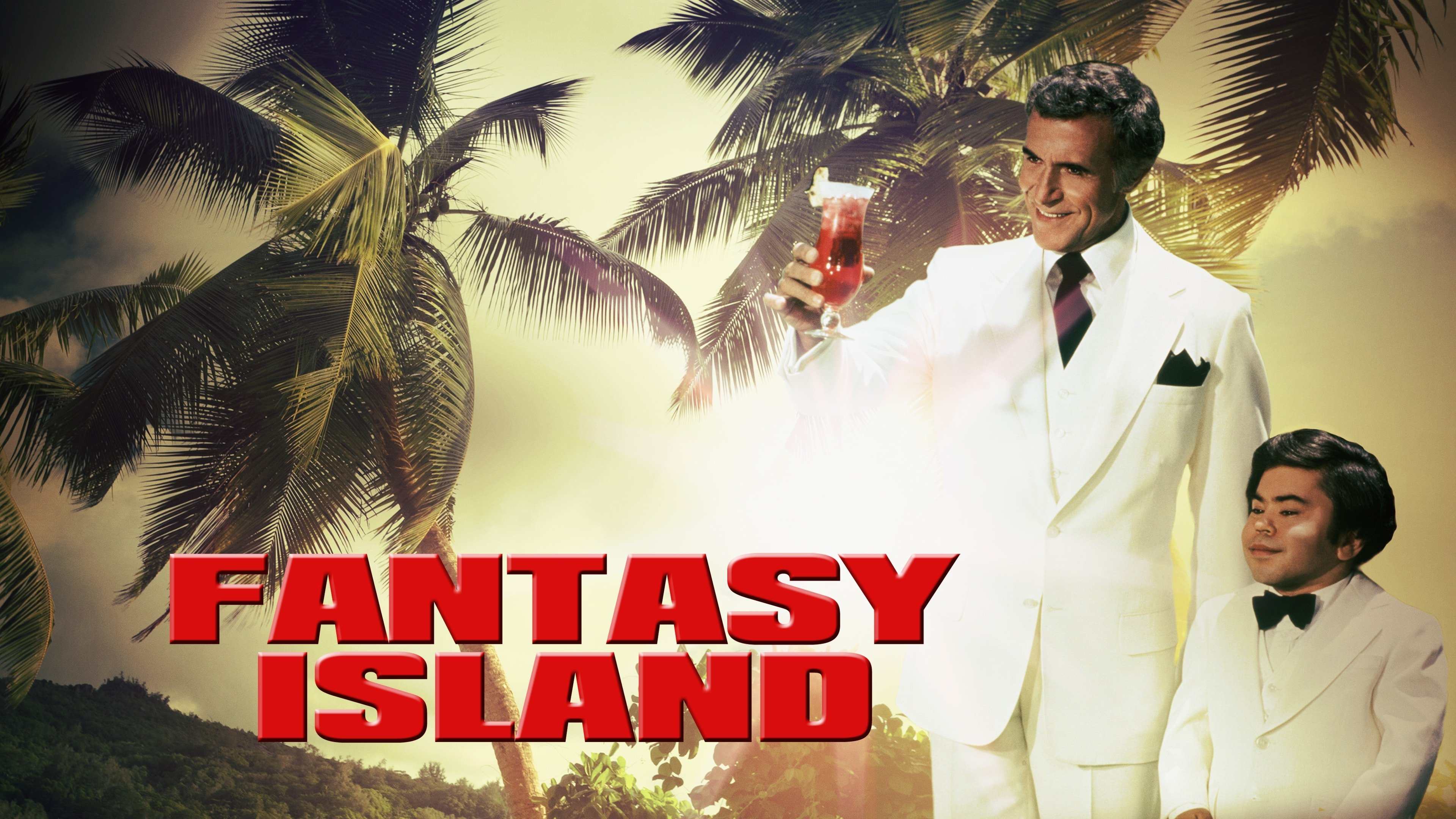
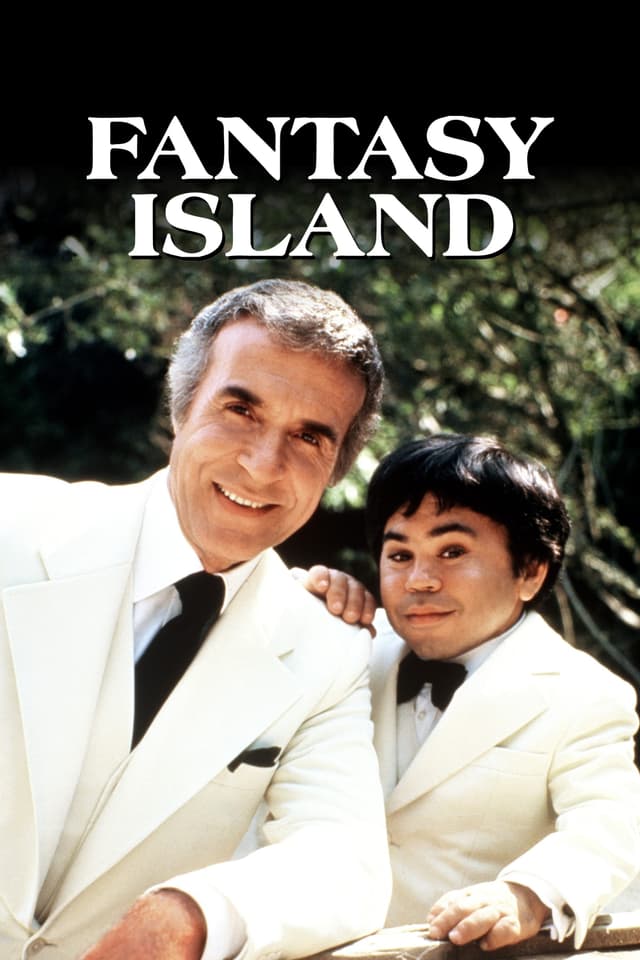
Fantasy Island (1978), created by Gene Levitt and produced by Spelling-Goldberg Productions and Columbia Pictures Television for ABC, follows enigmatic island host Mr. Roarke (Ricardo Montalban) and his assistant Tattoo (Hervé Villechaize) as they welcome arriving guests whose unique requested fantasies inevitably reveal moral lessons over the course of their stay. Across 152 episodes and 7 seasons between January 28, 1978 and May 19, 1984, the Aaron Spelling-produced drama anchored ABC's Saturday night schedule alongside The Love Boat in a paired Aaron Spelling lineup that defined late-1970s and early-1980s American family viewing.
What Is the Budget of Fantasy Island (1978)?
Fantasy Island (1978), the ABC drama created by Gene Levitt and produced by Spelling-Goldberg Productions and Columbia Pictures Television, was made on an estimated per-episode budget of approximately $700,000 to $900,000 in 1978 to 1984 dollars (roughly $3,300,000 to $4,200,000 in 2024 inflation-adjusted terms). Specific Spelling-Goldberg and Columbia Pictures Television budgets from the late-1970s and early-1980s ABC drama era are not consistently publicly disclosed, but the figures align with the upper tier of ABC prime-time hour drama tariff during the period, with Fantasy Island carrying a premium above standard hour drama because of the show's tropical-island standing-set commitment and substantial guest-star casting across the run.
Across 152 broadcast episodes (plus the 1977 pilot movie Fantasy Island and the 1978 follow-up pilot Return to Fantasy Island), cumulative production spend is estimated at approximately $110,000,000 to $140,000,000 in period dollars, equivalent to roughly $520,000,000 to $660,000,000 in 2024 inflation-adjusted terms. Aaron Spelling Productions (which absorbed Spelling-Goldberg in 1982 when Leonard Goldberg departed) and Columbia Pictures Television (later Sony Pictures Television) have monetised the library continuously since the 1984 wind-down.
Key Budget Allocation Categories
Fantasy Island's per-episode spend broke down across the cost centres typical of an Aaron Spelling Productions hour drama:
- Above-the-Line Cast: Ricardo Montalban's Mr. Roarke and Hervé Villechaize's Tattoo anchored the cast budget through seasons one to six. Montalban, an established film and television star with a long Columbia Pictures Television relationship, commanded a lead-actor rate appropriate to his post-Star Trek II: The Wrath of Khan (1982) profile. Villechaize's Tattoo (with the show's defining catchphrase "Boss, de plane! De plane!") was the second-billed regular through season 6. Christopher Hewett joined as Lawrence in season 7 after Villechaize's departure.
- Two-Story Guest-Cast Structure: Each episode typically featured two or three separate guest storylines, each with its own arriving guest, requested fantasy, and supporting cast. The weekly guest-cast budget supported a rotating roster of established American film and television talent including Bob Newhart, Don Knotts, Lynda Carter, Tom Bosley, Loretta Swit, Suzanne Somers, John Astin, Adrienne Barbeau, Ed McMahon, Sonny Bono, and dozens of other recurring Aaron Spelling Productions guests. Aaron Spelling's in-house guest-casting access kept the per-episode guest budget below comparable peer dramas without his roster.
- Tropical-Island Standing-Set Build: The show's defining production-design investment. Spelling-Goldberg built and maintained a recurring tropical-island compound at Burbank Studios and on-location California settings (including the Arboretum of Los Angeles County in Arcadia, which appeared in the opening credits and recurring exterior shots). The standing-set commitment to Mr. Roarke's house, the welcome plane landing area, and various recurring fantasy-setting interiors formed a substantial ongoing production-design overhead.
- Per-Episode Fantasy-Setting Production: Each episode's two-or-three fantasies required distinct location, costume, and prop production above the recurring island standing-set base. The weekly fantasy budget covered period-costume hire, prop-and-set dressing for the various fantasy settings (western towns, medieval castles, contemporary cities), and the supplemental crew time required to dress and shoot each fantasy episode unit.
- Laurence Rosenthal Score: Composer Laurence Rosenthal (Becket, The Miracle Worker) delivered the show's title theme and recurring orchestral score. The music budget covered original composition, orchestra recording, and the licensing of period and contemporary music cues for the various fantasy settings.
- Aaron Spelling Productions Synergy with The Love Boat: Fantasy Island shared the Saturday-night ABC schedule with Aaron Spelling Productions' The Love Boat (1977 to 1986), and the two shows often shared guest cast (a Love Boat guest appearance could be packaged with a Fantasy Island guest appearance the following week), production overhead, and ABC scheduling coordination. The shared Aaron Spelling-ABC-Saturday-night architecture was a meaningful production-economics input below the line.
- ABC Saturday-Night Delivery: Picture editing, sound, ADR, and ABC delivery ran through Columbia Pictures Television's in-house pipeline. The show was budgeted at standard 1978 to 1984 ABC hour-drama technical specifications and delivered on the standard seven-day per-episode production block.
- Columbia Pictures Television Library Investment: Columbia Pictures Television (which became Columbia Pictures Television, then Columbia TriStar Television, then Sony Pictures Television) retained the underlying library rights and has monetised the catalogue continuously since the 1984 wind-down through US and international syndication, home-video release, cable-network runs (Lifetime, Hallmark Channel, MeTV, Cozi TV), and contemporary streaming licences.
How Does Fantasy Island's Budget Compare to Similar Series?
At approximately $700,000 to $900,000 per episode, Fantasy Island sat in the upper tier of late-1970s and early-1980s ABC prime-time hour drama, comparable to the Aaron Spelling Productions sister-show The Love Boat and to the Stephen J. Cannell action-drama benchmarks of the era. The comparison set illustrates how its production scale stacked up:
- The Love Boat (1977): Estimated per-episode budget approximately $700,000 to $900,000 ($3,300,000 to $4,200,000 in 2024 dollars). Aaron Spelling Productions's ABC Saturday-night sister-show ran at a directly comparable per-episode budget and operated on the same Saturday-night ABC schedule with Fantasy Island for nine years (1977 to 1986). The two shows shared guest cast, production overhead, and ABC scheduling coordination.
- Charlie's Angels (1976): Estimated per-episode budget approximately $600,000 to $800,000 ($3,000,000 to $4,000,000 in 2024 dollars). Aaron Spelling Productions's earlier ABC hour drama hit a slightly lower per-episode tariff and provided the principal Spelling-template benchmark against which Fantasy Island's economics were built.
- Dallas (1978): Estimated per-episode budget approximately $700,000 to $1,000,000 ($3,300,000 to $4,700,000 in 2024 dollars). CBS and Lorimar Productions's Texas oil-family drama hit a comparable per-episode tariff to Fantasy Island and provided the direct competitor benchmark for late-1970s and early-1980s American prime-time hour drama.
- Magnum P.I. (1980): Estimated per-episode budget approximately $800,000 to $1,100,000 ($2,900,000 to $4,000,000 in 2024 dollars). CBS and Universal Television's Hawaii-shot Tom Selleck detective drama cost slightly more per episode than Fantasy Island because of the Hawaii location production. Magnum's tropical setting and detective procedural premise provided the closest in-class peer to Fantasy Island's tropical setting and fantasy-of-the-week structure.
- Dynasty (1981): Estimated per-episode budget approximately $1,000,000 to $1,500,000 ($3,400,000 to $5,100,000 in 2024 dollars). Aaron Spelling Productions's ABC prime-time soap, launched late in Fantasy Island's run, cost roughly 25% to 50% more per episode because of the Dynasty cast's premium compensation (Joan Collins, John Forsythe, Linda Evans) and the show's elaborate costume and production-design overhead.
- Hart to Hart (1979): Estimated per-episode budget approximately $600,000 to $800,000 ($2,800,000 to $3,700,000 in 2024 dollars). Aaron Spelling Productions's ABC Robert Wagner / Stefanie Powers detective drama hit a slightly lower per-episode tariff than Fantasy Island and provided another data point on standard late-1970s and early-1980s Aaron Spelling-ABC hour drama economics.
Fantasy Island Season Performance and Ratings
Fantasy Island premiered on ABC on 28 January 1978 (following two pilot movies in 1977) to strong opening ratings, becoming one of the highest-rated Saturday-night ABC dramas of the 1977 to 1978 season. The economic framework breaks down as follows:
- Per-Episode Budget: approximately $700,000 to $900,000 in 1978 to 1984 dollars (roughly $3,300,000 to $4,200,000 in 2024 dollars)
- Total Series Investment: approximately $110,000,000 to $140,000,000 across 152 episodes in period dollars
- Network: ABC Saturday night in the United States; subsequent syndication via Columbia Pictures Television (now Sony Pictures Television) on dozens of US affiliates and international markets
- Audience/Ratings: season 1 (1977-1978) averaged a top-15 Nielsen placement; the 1978-1979 season was the show's peak year with multiple top-10 placements; later seasons declined to top-30 placements before the 1984 wind-down
- Syndication: Columbia Pictures Television placed the show in domestic syndication immediately upon original broadcast; later runs on Lifetime, Hallmark Channel, MeTV, Cozi TV, and Decades
- Library/Spin-Off Value: Sony Pictures Television continues to monetise the catalogue; the property has spawned a 1998 ABC revival (with Malcolm McDowell as Roarke), a 2020 Blumhouse Productions theatrical horror film (Fantasy Island, with Michael Pena), and a 2021 to 2023 Fox sequel series (Fantasy Island, with Roselyn Sanchez)
Fantasy Island's seven-season longevity (1977 to 1984) reflects the show's consistent Saturday-night ABC audience and the Aaron Spelling Productions in-house casting and production-overhead synergies with The Love Boat. The principal cause of the 1984 wind-down was a combination of Hervé Villechaize's 1983 departure from the show (in part owing to salary disputes with Aaron Spelling) and the broader ABC Saturday-night audience reset that began in the mid-1980s.
The 1977 pilot film established that Mr. Roarke's guests paid approximately $50,000 per stay (about $201,000 in 2024 dollars). The show's narrative economics, with Mr. Roarke deliberately curating fantasies that revealed moral lessons over the course of each stay, became the structural engine that anchored the show's sustained ABC audience across seven seasons.
Fantasy Island Production History
Gene Levitt developed Fantasy Island for Aaron Spelling and Leonard Goldberg in 1976 to 1977, with two ABC pilot movies (Fantasy Island, 1977; Return to Fantasy Island, 1978) preceding the regular series's January 1978 launch. The pitch centred on the deceptively whimsical premise of an unnamed Pacific island where guests could fulfil their requested fantasies under the curating supervision of the enigmatic Mr. Roarke. The fantasies inevitably revealed moral lessons, often with an unexpected twist, providing the structural engine for the weekly two-or-three-fantasy episode format.
Casting Ricardo Montalban as Mr. Roarke was the project's defining creative decision. Montalban, an established film and television star with a long Columbia Pictures Television relationship (including the 1957 to 1959 ABC series Climax!), brought a literary-stage gravitas to the role. Hervé Villechaize's casting as Tattoo (the diminutive assistant who introduced each episode by ringing the welcome bell and announcing "Boss, de plane! De plane!") was the show's defining secondary creative-and-marketing choice, with Villechaize's catchphrase becoming one of the most recognised television lines of the late-1970s.
Production took place at Burbank Studios and at recurring California exterior locations including the Arboretum of Los Angeles County in Arcadia (which appeared in the opening credits and recurring outdoor shots), the Queen Anne Cottage at the Arboretum (Mr. Roarke's house), and various Hollywood backlot tropical-setting reuses. The show shot to a six-or-seven-day per-episode block under the standard 1978 to 1984 ABC hour-drama production cadence.
Hervé Villechaize departed the show at the end of season 6 (1983) following a salary dispute with Aaron Spelling, during which Villechaize had requested compensation comparable to Ricardo Montalban's lead-actor rate. Christopher Hewett joined the show as Lawrence in season 7 (1983-1984), but the departure of the Tattoo character significantly affected the show's structural and marketing identity, and ABC cancelled the show at the end of season 7 in May 1984.
Post-cancellation, Columbia Pictures Television placed the show in domestic syndication, where it found a substantial second-run audience across the 1980s and 1990s. Subsequent productions including the 1998 ABC revival (Malcolm McDowell as Roarke), the 2020 Blumhouse Productions theatrical horror film (Michael Pena as Roarke), and the 2021 to 2023 Fox sequel series (Roselyn Sanchez as the new Roarke) have kept the property in active development across four decades.
Awards and Recognition
Fantasy Island received steady but limited recognition during its original 1978 to 1984 ABC broadcast run. The show was nominated for Daytime Emmy Awards and Primetime Emmy Awards across multiple cycles, with particular recognition for Ricardo Montalban's lead performance and for the show's music and production design.
Ricardo Montalban received a Primetime Emmy nomination for Outstanding Lead Actor in a Drama Series for his work as Mr. Roarke in the 1978 to 1979 season, and won a Golden Globe Award nomination for Best Performance by an Actor in a TV Series Drama. The show's costume design and recurring guest-cast appearances received craft press attention across the run, although the show's Aaron Spelling Productions production-line positioning meant it did not feature at the BAFTA-level prestige-television recognition tier.
Retrospective recognition has been more substantial. The Television Critics Association, the Paley Center for Media, and TV Guide have all included Fantasy Island in their American television canon, and Ricardo Montalban's lead performance is widely cited in 1970s and 1980s American television histories as a defining gravitas-and-craft anchor of the era. Hervé Villechaize's Tattoo and the show's "De plane!" catchphrase remain one of the most quoted television lines of the late-1970s American prime-time landscape.
Critical Reception
Fantasy Island received mixed reviews on its 1978 ABC launch. Newspaper television critics treated the show as a Aaron Spelling Productions Saturday-night entertainment vehicle rather than a critical-attention drama, with The New York Times' John J. O'Connor describing the premiere as "a clever conceit that may or may not sustain itself across multiple seasons" and Variety praising Ricardo Montalban's lead performance and the show's tropical-island production design.
Audience and critical reception strengthened across the first two seasons as the show's two-or-three-fantasy format and the Montalban-Villechaize lead chemistry became established. The show's moral-lesson structure, with Mr. Roarke deliberately curating fantasies that revealed character truths over the course of each stay, became the structural joke that critics increasingly cited as the show's sustained appeal.
Retrospective reappraisal has placed Fantasy Island in the upper tier of late-1970s and early-1980s American prime-time hour drama, alongside its Aaron Spelling sister-show The Love Boat. The Television Critics Association and the Paley Center for Media have both included the show in their American television canon, and Ricardo Montalban's lead performance and the "De plane!" catchphrase remain widely-cited cultural references. The show's steady syndication and streaming presence across four decades, combined with its influence on subsequent fantasy-anthology television (from the 1985 to 1989 Twilight Zone revival through the 2020s reality-TV "experience" format), has cemented its status as a foundational American prime-time drama property well above the level its contemporaneous 1978 to 1984 reviews suggested.
Frequently Asked Questions
How much did each episode of Fantasy Island (1978) cost to produce?
The estimated per-episode budget was approximately $700,000 to $900,000 in 1978 to 1984 dollars (roughly $3,300,000 to $4,200,000 in 2024 inflation-adjusted terms). Specific Spelling-Goldberg and Columbia Pictures Television budgets from the period are not consistently publicly disclosed, but the figures align with the upper tier of ABC prime-time hour drama tariff, with Fantasy Island carrying a premium because of the tropical-island standing-set commitment and substantial guest-star casting.
How many episodes of Fantasy Island (1978) are there?
The series produced 152 episodes across 7 seasons between January 28, 1978 and May 19, 1984. Two pilot movies (Fantasy Island, 1977 and Return to Fantasy Island, 1978) preceded the regular series launch.
Who created Fantasy Island?
Gene Levitt developed Fantasy Island for Aaron Spelling and Leonard Goldberg in 1976 to 1977. Spelling-Goldberg Productions and Columbia Pictures Television co-produced the show for ABC, with Aaron Spelling Productions taking over after Leonard Goldberg departed in 1982.
Who played Mr. Roarke in Fantasy Island?
Ricardo Montalban played Mr. Roarke across all seven seasons (1978 to 1984). Montalban, an established film and television star with a long Columbia Pictures Television relationship and a parallel career in feature films including Star Trek II: The Wrath of Khan (1982), received a Primetime Emmy nomination for Outstanding Lead Actor in a Drama Series and a Golden Globe Award nomination for the role.
Who played Tattoo in Fantasy Island?
Hervé Villechaize played Tattoo across seasons 1 to 6 (1978 to 1983). Villechaize's catchphrase "Boss, de plane! De plane!" (delivered while pointing to the arriving guests' welcome plane) became one of the most recognised television lines of the late-1970s. Villechaize departed the show at the end of season 6 following a salary dispute with Aaron Spelling, and Christopher Hewett joined as Lawrence in season 7.
Why did Fantasy Island end?
ABC cancelled the show at the end of season 7 in May 1984. The principal cause was a combination of Hervé Villechaize's 1983 departure (which significantly affected the show's structural and marketing identity) and the broader ABC Saturday-night audience reset that began in the mid-1980s. Later season ratings had declined from the show's 1978 to 1979 peak.
Where was Fantasy Island filmed?
Production took place at Burbank Studios and at recurring California exterior locations, including the Arboretum of Los Angeles County in Arcadia (which appeared in the opening credits and recurring outdoor shots) and the Queen Anne Cottage at the Arboretum (which served as Mr. Roarke's house). The show used Hollywood backlot tropical-setting reuses rather than actual Pacific or Caribbean location production.
How does Fantasy Island compare to The Love Boat?
The Love Boat (ABC, 1977 to 1986) and Fantasy Island shared ABC Saturday-night scheduling, Aaron Spelling Productions producing, and a comparable per-episode budget of approximately $700,000 to $900,000. The two shows often shared guest cast (a Love Boat guest appearance could be packaged with a Fantasy Island appearance the following week), production overhead, and ABC scheduling coordination. The paired Aaron Spelling-ABC-Saturday-night architecture was a defining production-economics input.
What happened to the Fantasy Island property after 1984?
The property has spawned a 1998 ABC revival (with Malcolm McDowell as Roarke and Mädchen Amick as the new Tattoo), a 2020 Blumhouse Productions theatrical horror film (Fantasy Island, with Michael Pena as Roarke), and a 2021 to 2023 Fox sequel series (Fantasy Island, with Roselyn Sanchez as the new Roarke). Sony Pictures Television, the corporate successor to Columbia Pictures Television, retains the library rights.
Did Fantasy Island win any Emmys?
Ricardo Montalban received a Primetime Emmy nomination for Outstanding Lead Actor in a Drama Series for his work as Mr. Roarke in the 1978 to 1979 season, and won a Golden Globe Award nomination for Best Performance by an Actor in a TV Series Drama. The show received Daytime and Primetime Emmy nominations across multiple cycles in music and production-design categories, although it did not win major awards. Retrospective recognition has been more substantial, with the Television Critics Association and the Paley Center for Media including the show in their American television canon.
Filmmakers
Fantasy Island

Official Trailer
Build budgets like this one in Saturation
Start from an industry-standard feature film template, import the schedule and rates you already have, and let the cost report keep itself current as you spend. Real-time collaboration, no spreadsheets.