Empire of the Sun Budget
 DramaHistoryWar2h 33m
Updated
Synopsis
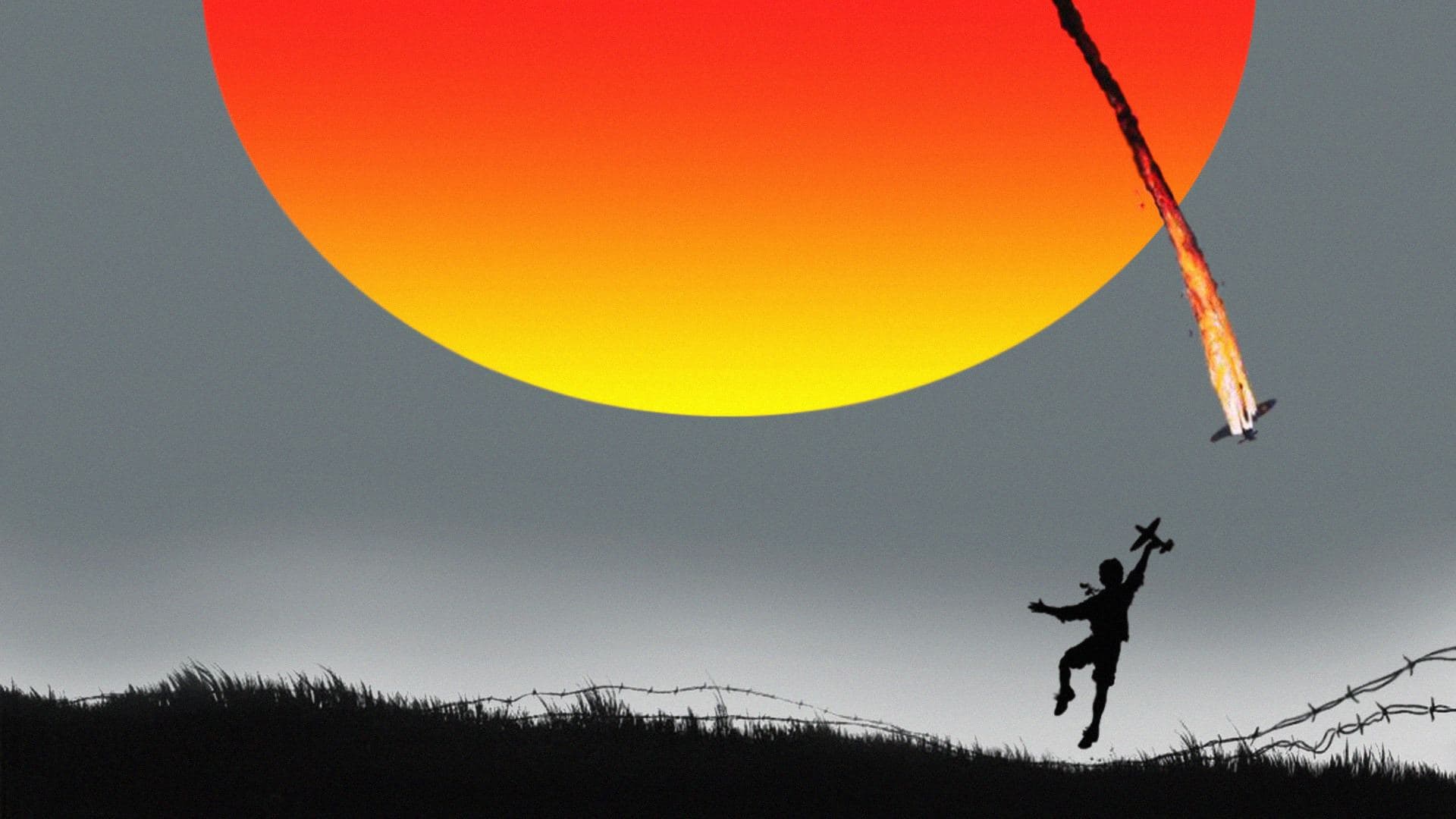
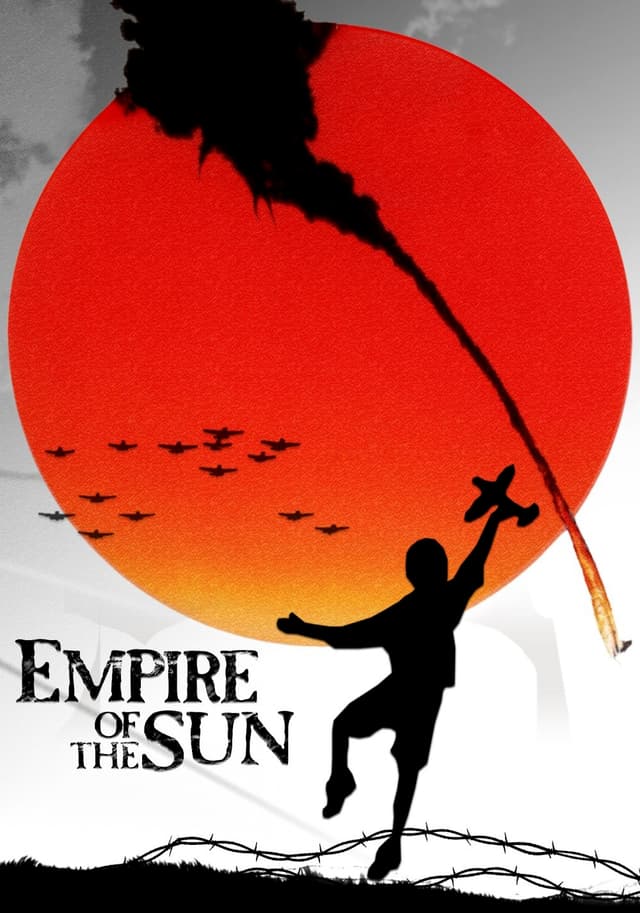
Jamie Graham, a privileged English boy, is living in Shanghai when the Japanese invade and force all foreigners into prison camps. Jamie is captured with an American sailor, who looks out for him while they are in the camp together. Even though he is separated from his parents and in a hostile environment, Jamie maintains his dignity and youthful spirit, providing a beacon of hope for the others held captive with him.
What is the budget of Empire of the Sun?
"Empire of the Sun," a drama released in 1987, was directed by Steven Spielberg and stars Christian Bale, John Malkovich. The production budget was $35,000,000, placing it in the mid-budget range for drama productions of the 1980s.
Key Budget Allocation Categories
While specific budget breakdowns are not publicly available, typical cost drivers for a drama production like this include:
- Above-the-Line Talent: Drama films live or die on the strength of their performances.
- Location Filming & Period Production Design: Authentic locations , whether contemporary or historical , require scouting, permits, travel, lodging, and often significant dressing to match the story's time period.
- Post-Production, Color Grading & Score: The editorial process for dramas is typically longer than genre films, with careful attention to pacing and tone.
- Casting: J.G.
What were the major cost factors in Empire of the Sun?
Several factors contributed to the overall production costs of "Empire of the Sun."
- Above-the-Line Talent: Above-the-Line Talent is one of the primary cost drivers in drama productions of this scale.
- Location Filming: Location Filming & Period Production Design is one of the primary cost drivers in drama productions of this scale.
- Post-Production: Post-Production, Color Grading & Score is one of the primary cost drivers in drama productions of this scale.
How Does Empire of the Sun's Budget Compare to Similar Films?
At $35,000,000, Empire of the Sun sits in the mid-budget range. Here is how it compares to productions with a similar budget:
- 1941 (1979): Budget $35,000,000, Worldwide Gross $94,900,000
- Two for the Money (2005): Budget $35,000,000, Worldwide Gross $30,526,509
- Ghost Ship (2002): Budget $35,000,000, Worldwide Gross $71,142,361
- Guillermo del Toro's Pinocchio (2022): Budget $35,000,000
- Lion of the Desert (1981): Budget $35,000,000, Worldwide Gross $1,502,136
The median budget for wide-release drama films in the era ranges from $30 to 80M for mid-budget to $150M+ for tentpoles.
Empire of the Sun Box Office Performance
"Empire of the Sun" earned $66,700,000 worldwide at the box office. Against a production budget of $35,000,000, the film showed modest profitability in theatrical release.
A film typically needs to earn approximately twice its production budget to cover marketing and distribution costs. For "Empire of the Sun," that break-even threshold was roughly $70,000,000. With worldwide earnings of $66,700,000, the film fell short of that threshold but recouped its production costs in theatrical release.
Box Office Breakdown
Empire of the Sun

At 90.6%, "Empire of the Sun" returned its production investment but margin was tight after marketing and distribution costs.
Empire of the Sun Production History
J.G. Ballard felt Bale had a physical resemblance to himself at the same age. The actor was 12 years old when he was cast. Amy Irving, Bale's co-star in the television movie Anastasia: The Mystery of Anna, recommended Bale to her then-husband, Steven Spielberg, for the role. More than 4,000 child actors auditioned. Jim's singing voice was provided by English performer James Rainbird.
Empire of the Sun was filmed at Elstree Studios in the United Kingdom, and on location in Shanghai and Spain. Principal photography began on 1 March 1987, and lasted for 16 weeks. The filmmakers searched across Asia in an attempt to find locations that resembled 1941 Shanghai.
Awards and Recognition
- National Board of Review: Top Ten Films
- National Board of Review Award for Best Film
Critical Reception
Review aggregation website Rotten Tomatoes gives the film an approval rating of 75% based on reviews from 67 critics. The site's critical consensus reads, "One of Steven Spielberg's most ambitious efforts of the 1980s, Empire of the Sun remains an under-rated gem in the director's distinguished filmography." Metacritic calculated an average score of 62 out of 100 based on 22 reviews, indicating "generally favorable" reviews. Audiences polled by CinemaScore gave the film an average grade of "B+" on an A+ to F scale.
Frequently Asked Questions
How much did it cost to make Empire of the Sun (1987)?
The production budget was $35,000,000, covering principal photography, cast and crew salaries, locations, sets, post-production, and music. Marketing and distribution (P&A) costs are estimated at an additional $17,500,000 - $28,000,000, bringing the total studio investment to approximately $52,500,000 - $63,000,000.
How much did Empire of the Sun (1987) earn at the box office?
Empire of the Sun grossed $66,700,000 worldwide.
Was Empire of the Sun (1987) profitable?
The film did not break even theatrically, earning $66,700,000 against an estimated $87,500,000 needed. Ancillary revenue may have improved the picture.
What were the biggest costs in producing Empire of the Sun?
The primary cost drivers were above-the-line talent (Christian Bale, John Malkovich, Miranda Richardson); talent compensation, authentic period production design, and meticulous post-production.
How does Empire of the Sun's budget compare to similar drama films?
At $35,000,000, Empire of the Sun is classified as a low-budget production. The median budget for wide-release drama films in the era ranges from $30 - 80M for mid-budget to $150M+ for tentpoles. Comparable budgets: 1941 (1979, $35,000,000); Two for the Money (2005, $35,000,000); Ghost Ship (2002, $35,000,000).
Did Empire of the Sun (1987) go over budget?
There are no widely reported accounts of significant budget overruns for this production. However, studios rarely disclose precise budget overrun figures publicly. The reported production budget reflects the final estimated cost.
What was the return on investment (ROI) for Empire of the Sun?
The theatrical ROI was 90.6%, calculated as ($66,700,000 − $35,000,000) ÷ $35,000,000 × 100. This measures gross revenue against production budget only - it does not account for P&A or exhibitor shares.
Who directed Empire of the Sun and who were the key crew members?
Directed by Steven Spielberg, written by Menno Meyjes, Tom Stoppard, shot by Allen Daviau, with music by John Williams, edited by Michael Kahn.
Where was Empire of the Sun filmed?
Empire of the Sun was filmed in United States of America. Empire of the Sun was filmed at Elstree Studios in the United Kingdom, and on location in Shanghai and Spain. Principal photography began on 1 March 1987, and lasted for 16 weeks.
Filmmakers
Empire of the Sun

Official Trailer
Build budgets like this one in Saturation
Start from an industry-standard feature film template, import the schedule and rates you already have, and let the cost report keep itself current as you spend. Real-time collaboration, no spreadsheets.