Downton Abbey Budget
Updated
Synopsis
Downton Abbey chronicles the lives of the aristocratic Crawley family and their household servants between 1912 and 1925, as the great events of the post-Edwardian and interwar period (Titanic, the Great War, the women's suffrage movement, the Spanish flu, the Irish War of Independence, and the broader collapse of the British class system) move through and reshape a single Yorkshire country estate. Created by Julian Fellowes, the series became the most successful British costume drama since Brideshead Revisited (1981) and a global cultural touchstone for the post-Edwardian period.
What Is the Budget of Downton Abbey (2010)?
Downton Abbey (2010) is a six-season British historical period drama created by Julian Fellowes for ITV in the United Kingdom and PBS Masterpiece in the United States, produced by Carnival Films in association with WGBH-TV Boston. ITV and Carnival did not publicly disclose specific per-episode budgets, but industry estimates for premium British period drama across the show's 2010 to 2015 production window typically ranged from approximately £1,000,000 to £1,600,000 per episode (covering the season finale and Christmas specials at the upper end), equivalent to roughly $1,500,000 to $2,400,000 in original-era exchange-rate terms. Across the 52-episode six-season run, total production cost is estimated at approximately $80,000,000 to $125,000,000.
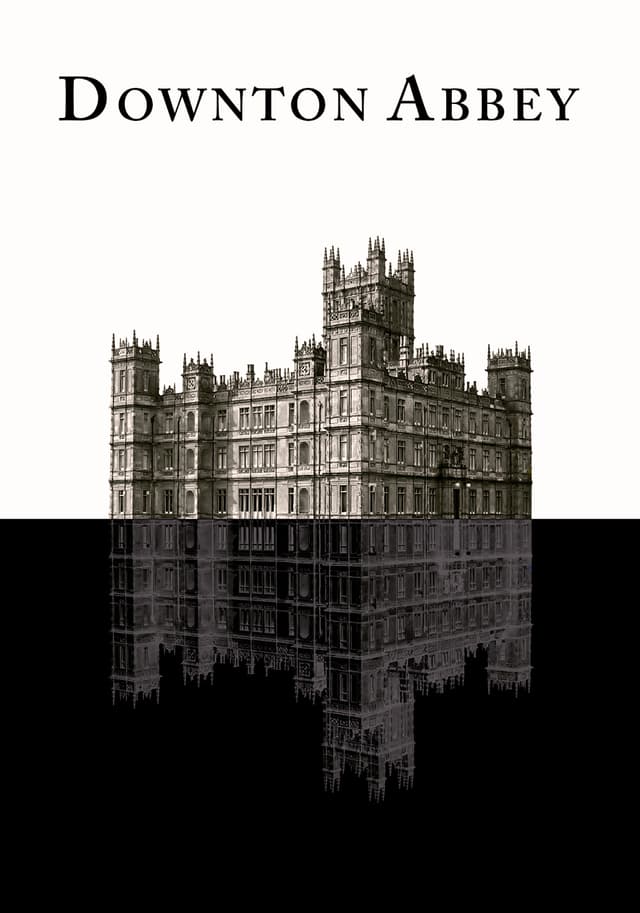
The series operated within ITV's standard premium drama commission model, with co-financing from PBS Masterpiece providing American distribution rights. The Highclere Castle exterior and interior partnership (the actual Hampshire estate of the 8th Earl of Carnarvon) was a unique production-design asset that defined the show's visual brand and made the production economic by eliminating the need for a stately-home set build.
Key Budget Allocation Categories
Downton Abbey's per-episode production cost was distributed across several core areas:
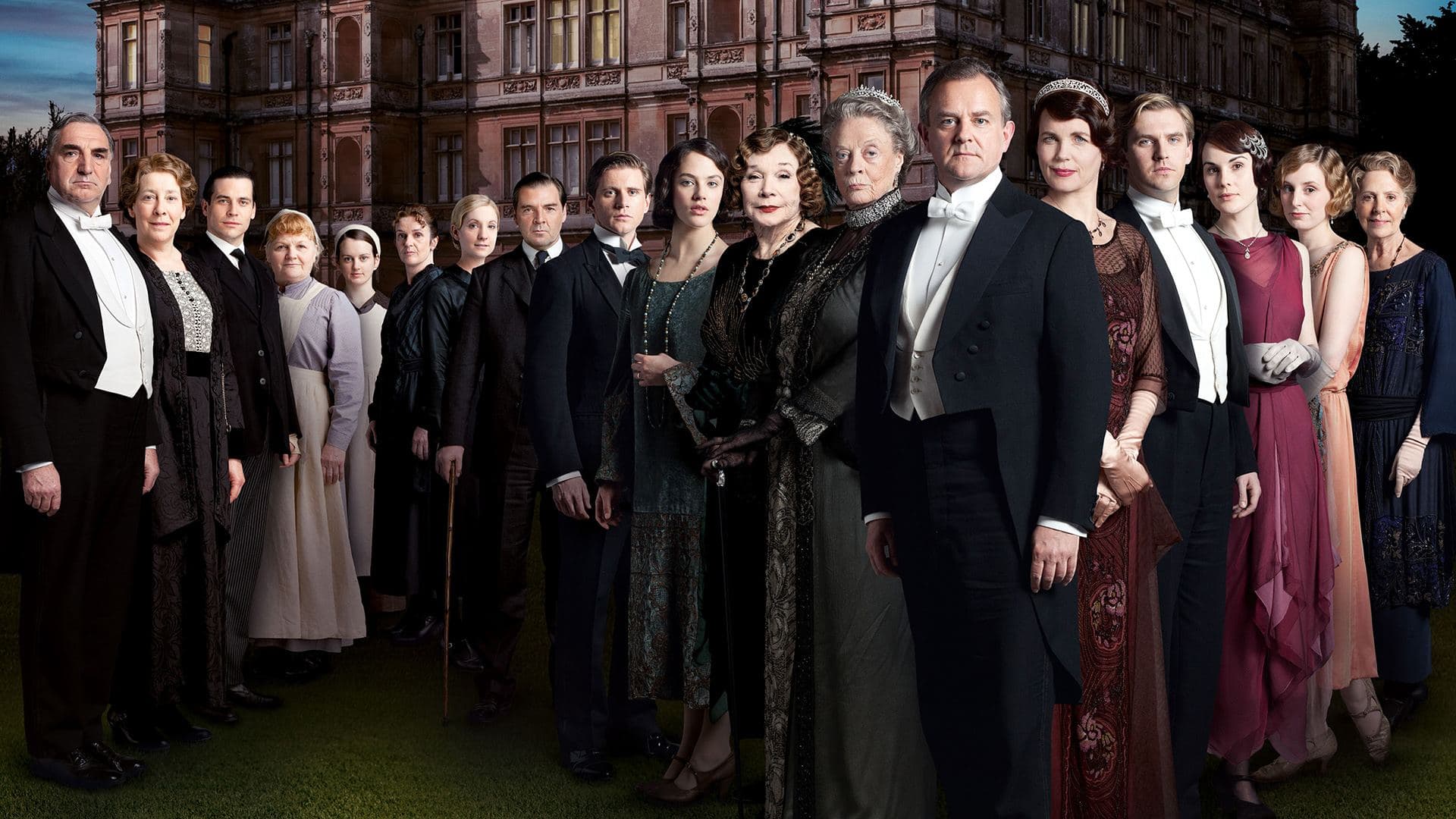
- Above-the-Line Cast: Hugh Bonneville, Maggie Smith, Elizabeth McGovern, Michelle Dockery, Dan Stevens, Jim Carter, Phyllis Logan, Brendan Coyle, and the wider ensemble represented the largest single line item. Maggie Smith's star profile commanded a premium veteran rate as the Dowager Countess Violet Crawley, and Hugh Bonneville and Elizabeth McGovern anchored the upstairs ensemble at top-tier UK drama rates.
- Highclere Castle Production: The shoot at Highclere Castle in Hampshire required ongoing rental fees to the Carnarvon estate, careful art-department coordination to preserve the historical property, and dedicated security and management of the heritage site across the production windows. The Highclere partnership was non-negotiable to the show's visual identity.
- Period Wardrobe and Production Design: Costume designer Susannah Buxton and her successors anchored the show's elaborate Edwardian-through-1925 wardrobe vocabulary, with bespoke gowns, period uniforms, and military dress required across the run. Production design covered the Yorkshire-and-London-set interiors at Ealing Studios and the recurring church, village, and London exteriors.
- Sequential Period Recreations: The series' multi-year timeline (1912 to 1925) required period-specific updates to wardrobe, set dressing, props, and even hair styling across each season jump. The 1916-1918 trench-warfare and military hospital sequences in season two carried distinctive incremental cost as well.
- Music and Score: Composer John Lunn's emotional, theme-driven score (particularly "Did I Make the Most of Loving You?" and the recurring main title) became inseparable from the show's brand. Music licensing, recording session costs, and royalties were a recurring weekly line item.
- London-Based Editorial and Post: Editorial, sound, color, and ITV broadcast delivery ran through Carnival Films's London-based post pipeline. The compressed PBS Masterpiece delivery schedule for the American market required parallel post-production tracks.
How Does Downton Abbey's Budget Compare to Similar Series?
At an estimated £1,000,000 to £1,600,000 ($1,500,000 to $2,400,000) per episode, Downton Abbey sat at the upper-middle tier of premium British period drama. Comparable productions illustrate the range:
- The Crown (2016-2023): Budget approximately $13,000,000 per episode on Netflix. The Peter Morgan royal drama operated at roughly five to seven times Downton Abbey's per-episode budget, demonstrating the Netflix-era escalation of premium British period drama.
- Mr. Selfridge (2013-2016): Budget approximately £1,200,000 per episode on ITV. The Andrew Davies department-store drama, contemporaneous with Downton Abbey, operated at roughly the same per-episode tier and demonstrates the standard ITV period drama commission.
- Wolf Hall (2015): Budget approximately £1,800,000 per episode on BBC Two. The Hilary Mantel adaptation operated slightly above Downton Abbey in per-episode spend, reflecting its more elaborate Tudor production design.
- Boardwalk Empire (2010-2014): Budget approximately $5,000,000 per episode on HBO. The Terence Winter Atlantic City-set drama, contemporaneous with Downton Abbey, ran at roughly three times the per-episode cost and demonstrates the standard HBO-versus-ITV period drama spread.
Downton Abbey Season Performance and Ratings
Downton Abbey premiered September 26, 2010, on ITV in the United Kingdom and on January 9, 2011 on PBS Masterpiece in the United States. The series ran six seasons through December 25, 2015, totaling 52 episodes (including Christmas specials). It became one of the most commercially and critically successful British period dramas of the 2010s:
- Per-Episode Budget: approximately $1,500,000 to $2,400,000 across the six-season, 52-episode run
- Total Series Investment: approximately $80,000,000 to $125,000,000 across 52 episodes
- Original Broadcast Window: September 26, 2010 to December 25, 2015 on ITV (UK) and PBS Masterpiece (US)
- UK Ratings: season one premiere drew approximately 9,200,000 UK overnight viewers; later seasons peaked above 11,000,000; the Christmas special routinely drew 8,000,000 to 12,000,000 viewers
- International Distribution: sold to broadcasters in more than 250 territories through Carnival Films and PBS Masterpiece international distribution arms
- Theatrical and Streaming Sequels: spawned two theatrical features (Downton Abbey, 2019; Downton Abbey: A New Era, 2022) and continued library performance on Peacock, PBS Passport, and selected international streaming partners
The series' record-setting UK overnight audience for the first-season premiere (approximately 9,200,000 viewers) and the global reach across 250-plus territories made it the most commercially successful British period drama of its decade. The franchise's 2019 and 2022 theatrical features extended the commercial run, and a third theatrical feature was in development by Carnival Films and Focus Features as of the most recent reporting.
Downton Abbey Production History
Julian Fellowes developed Downton Abbey for ITV in 2008 to 2010, drawing on his 2001 Robert Altman-directed feature Gosford Park (for which he won the Academy Award for Best Original Screenplay). Carnival Films greenlit the production with Gareth Neame as executive producer, and PBS Masterpiece came aboard as American co-financing partner. The 8th Earl of Carnarvon agreed to make Highclere Castle available as the principal location, an arrangement that defined the show's visual identity.
Principal photography for season one took place across spring and summer 2010 at Highclere Castle in Hampshire and at Ealing Studios in west London for the servants' downstairs interiors. The show launched September 26, 2010, on ITV and became an immediate UK ratings hit, with PBS Masterpiece following in January 2011 to similarly strong American reception. Subsequent seasons filmed in spring and summer of each year, with the Christmas special blocked separately to support the December 25 broadcast.
Dan Stevens' exit at the end of season three (his character Matthew Crawley was killed off in the 2012 Christmas special) was the show's highest-profile cast turnover, with subsequent seasons gradually folding new characters into the upstairs ensemble. The series concluded with the December 25, 2015 Christmas special, with Carnival Films announcing the first theatrical feature shortly thereafter.
Awards and Recognition
Downton Abbey received 27 Primetime Emmy Award nominations after its first two American Masterpiece broadcasts and went on to win three Emmys, including Outstanding Miniseries or Movie for season one in 2011. Maggie Smith won three consecutive Primetime Emmy Awards (2012 to 2014) for Outstanding Supporting Actress in a Drama Series for her role as the Dowager Countess Violet Crawley, the most decorated acting performance from the show.
The series also won the Golden Globe Award for Best Miniseries or Television Film (2012), multiple Screen Actors Guild ensemble awards, BAFTA Television Awards, National Television Awards, and Television Critics Association Awards. The first season holds a Guinness World Record for the most critically acclaimed UK premium drama, earning a Metacritic score of 91 for season one (the highest critical aggregate for any UK television series tracked by the platform).
Critical Reception
Downton Abbey received overwhelmingly positive critical reception across its run. Season one carries a 92% approval rating on Rotten Tomatoes with a Metacritic score of 91, the highest aggregate score for any UK television series tracked by the platform. The New York Times called the show "a stately, beautiful period drama that manages the impossible feat of being soapy and serious at once," and The Guardian's Sam Wollaston called the first season "one of the most absorbing pieces of television in years."
Critical reception softened modestly in seasons four and five before recovering strongly for the final season-six wrap, with most critics praising the show's commitment to a clean, dramatically satisfying conclusion. Critical objections occasionally clustered around perceived narrative repetition in the middle seasons and around the show's sometimes sympathetic portrayal of aristocratic privilege, but the broad consensus has placed Downton Abbey among the most critically and commercially successful British period dramas of the 2010s and the most decorated UK series export of its era.
Frequently Asked Questions
How much did Downton Abbey (2010) cost to produce?
ITV and Carnival did not publicly disclose specific per-episode budgets, but industry estimates for premium British period drama in the 2010 to 2015 production window typically ranged from approximately £1,000,000 to £1,600,000 per episode, equivalent to roughly $1,500,000 to $2,400,000. Across the 52-episode six-season run, total production cost is estimated at approximately $80,000,000 to $125,000,000.
When did Downton Abbey (2010) air?
The series premiered September 26, 2010, on ITV in the United Kingdom and January 9, 2011, on PBS Masterpiece in the United States. It ran six seasons through December 25, 2015, totaling 52 episodes including Christmas specials, before continuing as two theatrical features in 2019 and 2022.
Who created Downton Abbey?
Julian Fellowes created the series for ITV and PBS Masterpiece, drawing on his Academy Award-winning 2001 Robert Altman-directed feature Gosford Park. Fellowes wrote all 52 episodes as the sole credited writer, with Gareth Neame producing for Carnival Films.
Where was Downton Abbey filmed?
The exterior and most upstairs interior sequences were filmed at Highclere Castle in Hampshire, the actual home of the 8th Earl of Carnarvon. The downstairs servants' quarters interiors were filmed at Ealing Studios in west London. Selected exterior London and Yorkshire sequences used additional locations across the south of England.
Who stars in Downton Abbey?
The principal upstairs cast includes Hugh Bonneville as Robert Crawley (Earl of Grantham), Elizabeth McGovern as Cora Crawley, Michelle Dockery as Lady Mary, Maggie Smith as the Dowager Countess Violet, Dan Stevens as Matthew Crawley (seasons one to three), Laura Carmichael as Lady Edith, and Allen Leech as Tom Branson. The downstairs servant cast includes Jim Carter as Mr. Carson, Phyllis Logan as Mrs. Hughes, Brendan Coyle as Mr. Bates, and Joanne Froggatt as Anna.
Did Downton Abbey win any Emmy Awards?
Yes. The series received 27 Primetime Emmy Award nominations after its first two American Masterpiece broadcasts and won three Emmys, including Outstanding Miniseries or Movie for season one in 2011. Maggie Smith won three consecutive Primetime Emmy Awards (2012 to 2014) for Outstanding Supporting Actress in a Drama Series for her role as the Dowager Countess.
How does Downton Abbey compare to other British period dramas?
At an estimated $1,500,000 to $2,400,000 per episode, Downton Abbey occupied the standard ITV premium period drama tier, comparable to Mr. Selfridge (approximately £1,200,000 per episode) and below the BBC Two Wolf Hall (approximately £1,800,000). Netflix's subsequent The Crown ran at approximately $13,000,000 per episode, demonstrating the dramatic escalation of premium British period drama budgets in the streaming era.
Were there Downton Abbey movies?
Yes. Two theatrical features have been produced as direct continuations of the TV series: Downton Abbey (2019, directed by Michael Engler) and Downton Abbey: A New Era (2022, directed by Simon Curtis). Both were written by Julian Fellowes and produced by Carnival Films and Focus Features. A third theatrical feature was in development as of the most recent reporting.
Where can I watch Downton Abbey today?
Downton Abbey is currently available on Peacock in the United States, PBS Passport, and selected international streaming partners. The complete series and the theatrical features are also available through digital purchase platforms (Amazon Prime Video, Apple TV, Google Play) and on Blu-ray and DVD.
What did critics think of Downton Abbey?
The series received overwhelmingly positive critical reception across its run. Season one holds a 92% approval rating on Rotten Tomatoes and a Metacritic score of 91, the highest aggregate score for any UK television series tracked by the platform. The New York Times called it "a stately, beautiful period drama that manages the impossible feat of being soapy and serious at once."
Filmmakers
Downton Abbey

Official Trailer
Build budgets like this one in Saturation
Start from an industry-standard feature film template, import the schedule and rates you already have, and let the cost report keep itself current as you spend. Real-time collaboration, no spreadsheets.