Don't Listen Budget
Updated
Synopsis
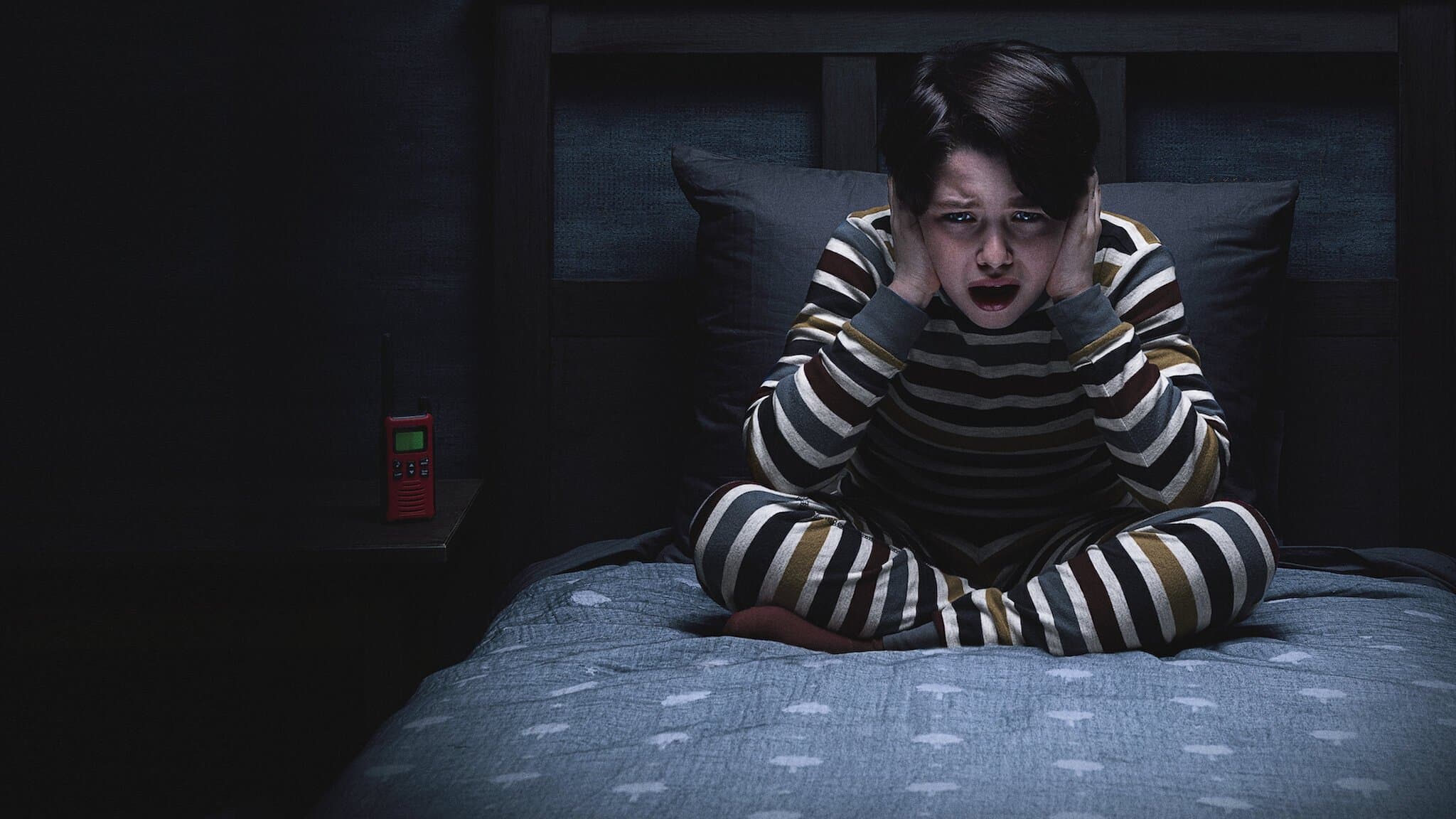
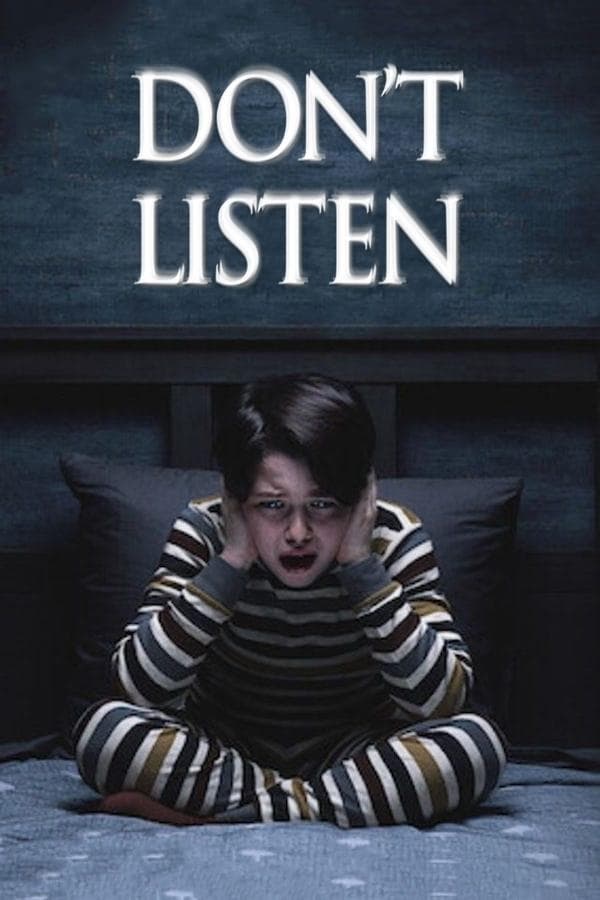
A family moves into a remote rural house in the Spanish countryside, where their young son begins hearing voices that no one else can. After the boy dies under unexplained circumstances, the father invites a paranormal expert to investigate what is haunting the house.
What Is the Budget of Don't Listen (2020)?
Don't Listen (Voces, 2020), directed by Ángel Gómez Hernández and distributed by Netflix worldwide and by Filmax in Spanish theatrical, was produced on an undisclosed budget that industry observers and Spanish film-funding sources place in the €3,000,000 to €5,000,000 range (approximately USD $3,300,000 to USD $5,500,000) typical of mid-tier Spanish horror features.
Apache Films and Audacia Films produced through Enrique López Lavigne (28 Weeks Later, The Impossible, Pan's Labyrinth co-producer) with financing from Movistar+, the Spanish public television channel TVE, the Instituto de la Cinematografía (ICAA), and various regional Spanish film funding bodies. Netflix acquired worldwide streaming rights and released the film globally on November 27, 2020.
Key Budget Allocation Categories
The estimated budget for Don't Listen was distributed across several core production areas:
- Above-the-Line Talent: Rodolfo Sancho (Mar de plástico, El ministerio del tiempo) led the cast as the father Daniel, supported by Ramón Barea as the paranormal expert German, Belén Fabra as the mother Sara, and Lucas Blas as the son Eric. Ángel Gómez Hernández directed in his feature debut after extensive short-film and television work.
- Spain Location Shoot: Principal photography took place across Madrid, Cuenca, and rural Castilla-La Mancha locations in central Spain, with the production leveraging the country's Spanish film tax credits and regional incentives. The remote-rural-house setting required extensive location work and night exterior photography.
- Production Design: Carlos Bodelón's production design built or dressed the central haunted-house location, including its basement, attic, and various oppressive interior spaces central to the horror. The film's sustained haunted-house aesthetic carried much of its visual identity.
- Visual Effects and Practical Horror: The film features mixed VFX and practical horror work, including paranormal apparitions, sound-design-driven jump scares, and a climactic basement-set-piece reveal. Practical effects, including a child's suspended levitation sequence, required dedicated rigging and stunt coordination.
- Cinematography and Sound Design: Daniel Sosa Segura shot the film with a sustained darkness-and-shadow palette typical of contemporary Spanish horror. Sound design (the film is in part about voices that only certain characters can hear) was an especially significant department, with Lukasz Smolinski (sound designer) handling the layered audio work.
- Score and Music: Vanessa Garde composed the score, supporting the film's sustained tonal dread with orchestral and electronic textures. The score commission was a meaningful line item.
How Does Don't Listen's Budget Compare to Similar Films?
Don't Listen sits within the cohort of mid-budget Spanish horror features acquired by Netflix for worldwide streaming distribution. The comparison set illustrates the budget context:
- The Orphanage (2007): Budget €4,400,000 (approximately $5,700,000) | Worldwide $78,600,000. J.A. Bayona's breakout Spanish horror set the genre template Don't Listen inherits.
- Mama (2013): Budget $15,000,000 | Worldwide $146,500,000. Andy Muschietti's English-language Spanish-Canadian co-production offered a higher-budget peer with a similar premise.
- Veronica (2017): Budget €3,000,000 (approximately $3,500,000) | Worldwide streaming only. Paco Plaza's Spanish horror became one of Netflix's most-discussed early-2018 acquisitions and offered the closest direct peer.
- The Platform (2019): Budget approximately €1,000,000 (approximately $1,100,000) | Worldwide streaming only. Galder Gaztelu-Urrutia's Spanish dystopian horror was a 2019 Netflix breakout that demonstrated the platform's appetite for Spanish-language genre.
Don't Listen Box Office Performance
Don't Listen released theatrically in Spain on October 30, 2020 amid pandemic restrictions and then premiered worldwide on Netflix on November 27, 2020. The film grossed approximately €283,000 (approximately USD $335,000) in Spanish theatrical release, a figure essentially designed to support festival eligibility and Spanish-market visibility rather than meaningful theatrical revenue. The financial breakdown below uses industry estimates rather than reported figures:
Box Office Breakdown
Don't Listen

Netflix-acquired Spanish horror features like Don't Listen are evaluated on internal Netflix engagement metrics. The film entered the platform's Top 10 in Spain, Argentina, Mexico, Chile, and other Spanish-speaking territories during its first two weeks on the platform, with strong supplemental engagement in non-Spanish markets through subtitle and dub distribution.
The film's strong engagement in Spanish-language Netflix territories supported the platform's ongoing investment in Spanish-language genre acquisitions, which has continued through projects like Veronica (2017), Verónica (2018), El hoyo (The Platform) (2019), and other Spanish horror originals.
Don't Listen Production History
The project was developed at Apache Films by Enrique López Lavigne (28 Weeks Later, The Impossible, Pan's Labyrinth co-producer) with director Ángel Gómez Hernández, who had previously made several Spanish short films including the BAFTA-shortlisted Behind. Santiago Díaz wrote the screenplay, with Carlos Vermut providing additional script work.
Casting was anchored by Rodolfo Sancho, a major Spanish television star whose work on Mar de plástico, El ministerio del tiempo, and Isabel had built his audience. Ramón Barea joined as the paranormal expert German. Lucas Blas, a young Spanish child actor, took the role of Eric.
Principal photography ran from 2018 across Madrid, Cuenca, and rural Castilla-La Mancha locations in central Spain, leveraging the country's film tax credits and regional Castilla-La Mancha incentives. The remote-rural-house setting required extensive night-exterior and isolated-location work. Netflix acquired worldwide streaming rights in 2020, with the platform release scheduled for November 27, 2020.
Awards and Recognition
Don't Listen received modest awards recognition. The film received Goya Award (Spanish national film awards) nominations and a 2021 Premios Feroz nomination for Best Genre Film, alongside recognition at the Sitges International Fantastic Film Festival in 2020. It did not register at major international festivals or end-of-year critics groups outside the genre-festival circuit.
Critical Reception
Don't Listen received mixed reviews. The film holds a 50% approval rating on Rotten Tomatoes based on a small sample of critic reviews. Spanish critics gave the film generally positive reviews, with FilmAffinity (the dominant Spanish-language film review aggregator) showing a 5.3 out of 10 average user rating from approximately 6,000 ratings. No major US critics aggregator score is widely circulated for the film due to the absence of a meaningful US theatrical release.
Critics broadly praised the production design, the sound design, and the central performances of Rodolfo Sancho and Ramón Barea, while objecting to a screenplay that several reviewers described as deriving too heavily from contemporary Spanish horror genre conventions (The Orphanage, Verónica, Insidious-style paranormal investigators). Spanish-language critics in particular noted the film's sustained tonal dread and its strong child-performance work as standout elements. Audience reception across Netflix's Spanish-language territories was substantially warmer than critical, with the film generating sustained social media engagement and word-of-mouth across Latin American markets.
Frequently Asked Questions
How much did Don't Listen cost?
Netflix has not publicly disclosed the production budget. Industry observers and Spanish film-funding sources estimate the film cost between €3,000,000 and €5,000,000 (approximately USD $3,300,000 to USD $5,500,000), consistent with mid-tier Spanish horror features. The film was financed by Movistar+, RTVE, the ICAA, and regional Spanish film funding bodies.
Who directed Don't Listen?
Ángel Gómez Hernández directed Don't Listen in his feature film debut. Gómez Hernández previously made several Spanish short films including the BAFTA-shortlisted Behind, which won the 2017 Méliès d'Argent at Sitges.
Where can I watch Don't Listen?
Don't Listen streams worldwide on Netflix. The film premiered on the platform on November 27, 2020, following a brief Spanish theatrical run that began on October 30, 2020.
Is Don't Listen in Spanish?
Yes. Don't Listen is a Spanish-language film (original title Voces). Netflix distributes it with subtitle and dub options including English-language dubs and subtitles for non-Spanish-speaking markets.
Where was Don't Listen filmed?
Principal photography ran from 2018 across Madrid, Cuenca, and rural Castilla-La Mancha locations in central Spain, leveraging the country's film tax credits and regional Castilla-La Mancha incentives. The remote-rural-house setting required extensive night-exterior and isolated-location work.
Is Don't Listen based on a true story?
No. Don't Listen is an original screenplay by Santiago Díaz, Ángel Gómez Hernández, Víctor Gado, and Juan Moreno. The premise of a family terrorized by voices in a rural Spanish house is fictional, though it draws on genre conventions of Spanish horror filmmaking established by The Orphanage and Verónica.
Who stars in Don't Listen?
Rodolfo Sancho stars as the father Daniel, with Ramón Barea as the paranormal expert German, Belén Fabra as the mother Sara, and Lucas Blas as the son Eric. Ana Fernández rounds out the supporting cast.
What did critics think of Don't Listen?
Don't Listen received mixed reviews internationally. Spanish critics gave the film generally positive reviews, with FilmAffinity (the dominant Spanish-language film review aggregator) showing a 5.3 out of 10 average user rating from approximately 6,000 ratings. Critics praised the production design, sound design, and lead performances while objecting to a screenplay that leans heavily on contemporary Spanish horror conventions.
Did Don't Listen do well on Netflix?
The film entered Netflix's Top 10 in Spain, Argentina, Mexico, Chile, and other Spanish-speaking territories during its first two weeks on the platform, with strong supplemental engagement in non-Spanish markets through subtitle and dub distribution. Specific viewership hours have not been disclosed by Netflix.
Did Don't Listen win any awards?
Don't Listen received modest awards recognition, including a 2021 Premios Feroz nomination for Best Genre Film and Goya Award nominations from the Spanish national film awards, alongside recognition at the Sitges International Fantastic Film Festival in 2020.
Filmmakers
Don't Listen

Build budgets like this one in Saturation
Start from an industry-standard feature film template, import the schedule and rates you already have, and let the cost report keep itself current as you spend. Real-time collaboration, no spreadsheets.