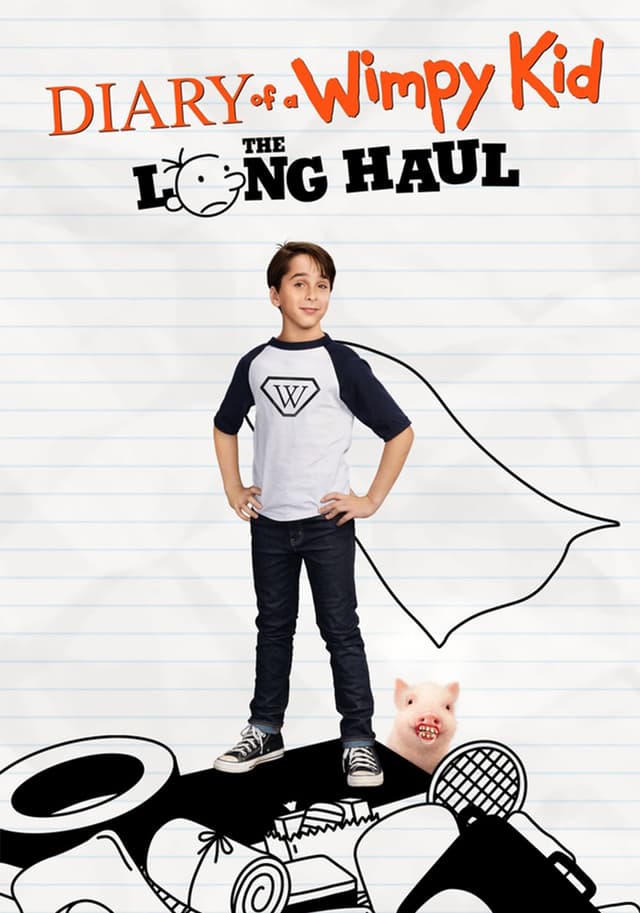
Diary of a Wimpy Kid: The Long Haul Budget
 ComedyFamilyAdventure1h 31m
Updated
Synopsis
A family road trip to attend Meemaw’s 90th birthday party goes off course—thanks to Greg’s newest scheme to get to a video gaming convention. This cross-country adventure turns into an experience the Heffleys will never forget.
What Is the Budget of Diary of a Wimpy Kid: The Long Haul?
Diary of a Wimpy Kid: The Long Haul (2017) was produced on a budget of approximately $22,000,000. That figure placed it roughly in line with the previous entries in the live-action franchise, yet the film returned less than any of them at the box office, earning just $20,738,724 domestically and $40,140,972 worldwide.
For a studio-backed family comedy distributed by 20th Century Fox, $22 million was a lean but workable budget. The production leaned on Georgia's generous film tax credits and a practical road trip structure to keep costs manageable. But the modest spend could not offset the damage done by the complete recasting of the franchise's main roles and the fan backlash that followed.
The Long Haul is a rare case where a franchise film failed to recoup its reported production budget from domestic box office alone, finishing roughly $1.3 million short in North America before international receipts brought the worldwide total above the production line. When factoring in prints and advertising costs estimated between $15 million and $20 million, the film needed a far stronger theatrical run to be considered profitable.
Key Budget Allocation Categories
- New Cast Salaries: Alicia Silverstone and Tom Everett Scott were brought in as Susan and Frank Heffley, providing recognizable names for the adult leads. Jason Drucker, Charlie Wright, and Owen Asztalos were relative newcomers, keeping their individual fees modest, but ensemble family comedies still carry meaningful total payroll.
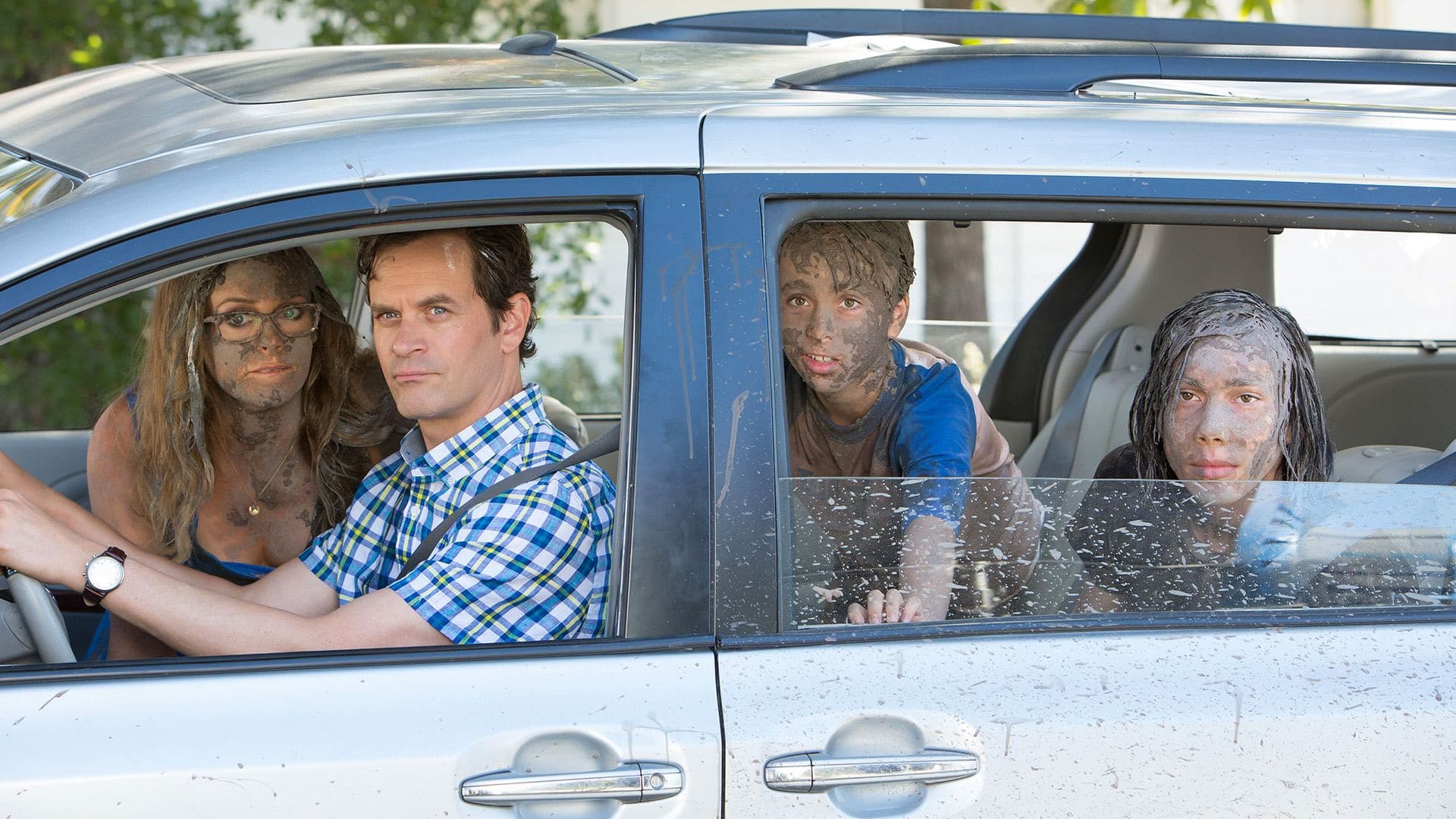
- Road Trip Location Shoot: The film follows the Heffley family on a cross-country drive, requiring extensive location work across Georgia. Production filmed at sites including the Kiwanis fairgrounds in Griffin, Stone Mountain, the Georgia International Convention Center, and a private farm in Waleska. Location shoots with practical travel sequences add transportation, lodging, and logistics costs beyond what a studio-based shoot incurs.
- Georgia Tax Incentive Savings: The production contributed over $14 million to the Georgia economy and employed nearly 2,000 local workers. Filming in Georgia allowed the studio to access the state's 30 percent transferable tax credit, helping offset below-the-line production costs significantly.
- Visual Effects and Practical Gags: The film relied on physical comedy and gross-out practical effects rather than heavy CG work, keeping VFX spending relatively low compared to effects-driven family films. The slapstick road trip format is budget-friendly by design.
- Family Film Production Infrastructure: Child cast members require on-set tutors, restricted working hours, and welfare workers per union rules, all of which add overhead. The film also required child-safe stunt coordination for its physical comedy sequences.
- Marketing and Distribution: Prints and advertising for a wide-release family comedy targeting opening weekend typically runs between $15 million and $20 million on top of the production budget. 20th Century Fox opened the film in 3,157 theaters on May 19, 2017.
How Does The Long Haul's Budget Compare to Similar Films?
The Long Haul's $22 million production budget was consistent with the rest of the live-action Wimpy Kid series, but the box office result represented a sharp reversal from the franchise's earlier performance. The comparison to its predecessors is especially stark.
- Diary of a Wimpy Kid (2010) - Budget $15M | Worldwide $76.2M: The original film proved the franchise had genuine audience appeal, earning five times its budget on a lower spend than any sequel.
- Diary of a Wimpy Kid: Rodrick Rules (2011) - Budget $18M | Worldwide $72.2M: The second film retained the original cast and delivered strong returns, cementing Zachary Gordon and Devon Bostick as audience favorites in their roles.
- Diary of a Wimpy Kid: Dog Days (2012) - Budget $22M | Worldwide $77.1M: The third entry matched The Long Haul's budget exactly but earned nearly double the worldwide gross with the familiar cast intact.
- Cheaper by the Dozen (2003) - Budget $40M | Worldwide $190M: A high-bar comparison for studio family comedies built around family chaos. The genre has a strong ceiling when audiences connect with the cast.
- The Pacifier (2005) - Budget $56M | Worldwide $198M: Another studio family comedy benchmark, illustrating how the genre rewards audience familiarity and cast chemistry.
The Long Haul's worldwide gross of $40.1 million was roughly half of what Dog Days earned on the same budget. The franchise's brand value clearly resided in its familiar cast, and removing that cast erased the goodwill built across three films.
Diary of a Wimpy Kid: The Long Haul Box Office Performance
The Long Haul opened on May 19, 2017 in 3,157 theaters and earned $7,126,084 in its opening weekend, a result that immediately signaled trouble. The previous three films had opened between $14 million and $24 million domestically; The Long Haul's debut was roughly half the franchise's worst prior opening. The film ran in theaters through August 17, 2017 before completing its theatrical run with a total domestic gross of $20,738,724.
Box Office Breakdown
Diary of a Wimpy Kid: The Long Haul

The film earned approximately $1.83 for every $1 of its stated production budget in worldwide theatrical revenue, but that figure does not account for the significant marketing spend required to open a studio family film in wide release. The true break-even threshold was closer to $55 million to $60 million worldwide, a target the film missed by roughly $15 million to $20 million.
Audiences polled by CinemaScore gave the film a B grade, a notable drop from the A- grades earned by the first three films, reflecting cooler audience response from the family demographic the franchise depended on. Two planned live-action sequels with the Long Haul cast were cancelled after the film's disappointing performance. The franchise was rebooted as a computer-animated feature released on Disney+ in December 2021.
Diary of a Wimpy Kid: The Long Haul Production History
The fourth Diary of a Wimpy Kid film was greenlit after the first three live-action installments, released in 2010, 2011, and 2012, collectively grossed over $220 million worldwide. Fox 2000 Pictures and producer Nina Jacobson of Color Force retained the franchise rights and began developing a fourth entry based on Jeff Kinney's 2014 book of the same name, which follows the Heffley family on a disastrous road trip to attend Meemaw's 90th birthday.
The central creative challenge was the original cast. Zachary Gordon, who played Greg Heffley across all three prior films, was 19 years old by the time production began in late 2016. Devon Bostick, who played Rodrick, was 24. Both had visibly aged out of their roles. Jeff Kinney acknowledged the situation publicly, stating that making a fourth film with the original cast was not possible because the actors had grown up and grown out of their parts. The decision was made to recast every major role for the new film.
Director David Bowers, who had directed both Rodrick Rules and Dog Days, returned to helm the fourth installment. Jason Drucker was cast as Greg, Charlie Wright as Rodrick, Owen Asztalos as Rowley, and Alicia Silverstone and Tom Everett Scott as the Heffley parents. The casting of Wright in the Rodrick role generated particular controversy among the franchise's fanbase, spawning the hashtag and meme NotMyRodrick. Many fans viewed the recasting as a betrayal of the character that Devon Bostick had defined.
Production began in the fall of 2016 in Georgia, taking advantage of the state's 30 percent transferable tax credit for film productions. The crew filmed across multiple Atlanta-area and regional locations, including the Kiwanis fairgrounds in Griffin, Stone Mountain, the Georgia International Convention Center, and a private farm in Waleska. The production contributed over $14 million to the Georgia economy and paid more than $7.3 million in wages to nearly 2,000 local workers.
Jeff Kinney co-wrote the screenplay alongside Bowers, giving the author direct involvement in adapting his own book. The road trip premise from the source novel was preserved, with the story centered on Greg's scheme to redirect the family vacation to a video gaming convention. Principal photography wrapped in early 2017 and the film was released on May 19, 2017.
The film's opening weekend of $7.1 million fell well short of studio expectations and signaled the end of the live-action franchise. Two planned sequels were cancelled in the months that followed. Fox 2000 Pictures was subsequently shut down by Disney in 2019 after Disney acquired 21st Century Fox. The franchise was later revived as a computer-animated feature distributed on Disney+ and released in December 2021 to generally positive reviews, rebooting the series from scratch.
Awards and Recognition
The Long Haul received no major awards recognition and was not submitted for consideration in categories typically associated with family films or comedy. The film's commercial and critical failure made it an unlikely awards contender in any category.
- Young Entertainer Awards (2018): Jason Drucker received a nomination for Best Leading Young Actor in a Feature Film, recognizing his performance as Greg Heffley despite the film's poor reception overall.
- Rotten Tomatoes Worst List: The film was included in Rotten Tomatoes' gallery of the worst children's book adaptations, an unwanted distinction that reflected its 19 percent critical approval rating.
No technical or craft nominations were received from the major guilds. The film appeared on several year-end worst-of lists for 2017, particularly in coverage focused on family and children's entertainment.
Critical Reception
Diary of a Wimpy Kid: The Long Haul received strongly negative reviews and was widely regarded as the low point of the live-action franchise. On Rotten Tomatoes, the film holds a 19 percent approval rating based on 69 reviews, with an audience score of 29 percent. The critics consensus reads: "With an all-new cast but the same juvenile humor, the franchise remains stuck in arrested and largely unfunny development." On Metacritic, the film scored 39 out of 100 based on 16 critics, categorized as generally unfavorable reviews.
Audiences polled by CinemaScore gave the film a B grade on opening weekend, a step down from the A- grades the first three films had received. The broader audience score on Rotten Tomatoes, however, was far harsher at 29 percent, suggesting that even the family audiences who did see the film in its opening days were largely disappointed.
Critics focused consistently on two points of failure: the recasting and the comedy. Jake Wilson of The Age noted that Alicia Silverstone "deserves better roles," a backhanded compliment that acknowledged her effort while underscoring the film's limitations. Kaitlyn Booth at Bleeding Cool called it "a road trip movie that trips over every terrible family movie cliche with pacing so bad it made 91 minutes feel like a lifetime." Leigh Monson at Substream Magazine concluded that "if you aren't twelve years old or twelve-year-old-adjacent, there just isn't likely much for you to enjoy."
The recast Rodrick was a particular flashpoint. Charlie Wright's portrayal was compared unfavorably to Devon Bostick's interpretation, with critics and fans noting that the chemistry between the Heffley siblings felt absent. The NotMyRodrick sentiment that had circulated online before the film's release was largely validated by the critical response.
The Long Haul marked the end of the live-action franchise. The 2021 animated reboot on Disney+, a fresh adaptation of the first book with voice actors, received a significantly more positive reception, suggesting that the franchise's appeal survived the 2017 stumble when the format was changed.
Frequently Asked Questions
What was the production budget for Diary of a Wimpy Kid: The Long Haul?
Diary of a Wimpy Kid: The Long Haul was produced on a budget of approximately $22,000,000. The production filmed primarily in Georgia, taking advantage of the state's film tax incentives to help offset costs.
How much did The Long Haul make at the box office?
Diary of a Wimpy Kid: The Long Haul earned $20,738,724 domestically and $40,140,972 worldwide. The film opened to $7,126,084 in its opening weekend across 3,157 theaters on May 19, 2017. The worldwide total fell well short of the first three films, which each grossed over $70 million worldwide.
Why was the cast completely changed for The Long Haul?
The original cast aged out of their roles between the third film in 2012 and this fourth installment in 2017. Zachary Gordon, who played Greg Heffley, was 19 years old by the time production began, and Devon Bostick, who played Rodrick, was 24. Author and screenwriter Jeff Kinney stated publicly that making the film with the original cast was simply not possible because the actors had grown up and grown out of their parts.
How did audiences react to the new cast?
The reaction was largely negative, particularly regarding the recast of Rodrick. Charlie Wright replaced Devon Bostick in the role, generating widespread fan backlash and the meme NotMyRodrick before the film even opened. CinemaScore audiences gave the film a B grade, down from the A- grades the first three films received. The Rotten Tomatoes audience score was 29 percent.
Is The Long Haul based on a Jeff Kinney book?
Yes. The film is based on Jeff Kinney's 2014 novel Diary of a Wimpy Kid: The Long Haul, the ninth book in the series. Kinney co-wrote the screenplay alongside director David Bowers, making this the first entry where Kinney had direct screenwriting credit.
Did Diary of a Wimpy Kid: The Long Haul get a sequel?
No. Two planned live-action sequels with the Long Haul cast were cancelled after the film underperformed at the box office. Fox 2000 Pictures, which produced the live-action films, was later shut down by Disney in 2019 following the acquisition of 21st Century Fox. The franchise was rebooted as a computer-animated feature released on Disney+ in December 2021, returning to the story of the first book with an entirely new cast.
Filmmakers
Diary of a Wimpy Kid: The Long Haul

Official Trailer
Build budgets like this one in Saturation
Start from an industry-standard feature film template, import the schedule and rates you already have, and let the cost report keep itself current as you spend. Real-time collaboration, no spreadsheets.