Dancer in the Dark Budget
 DramaCrime2h 20m
Updated
Synopsis
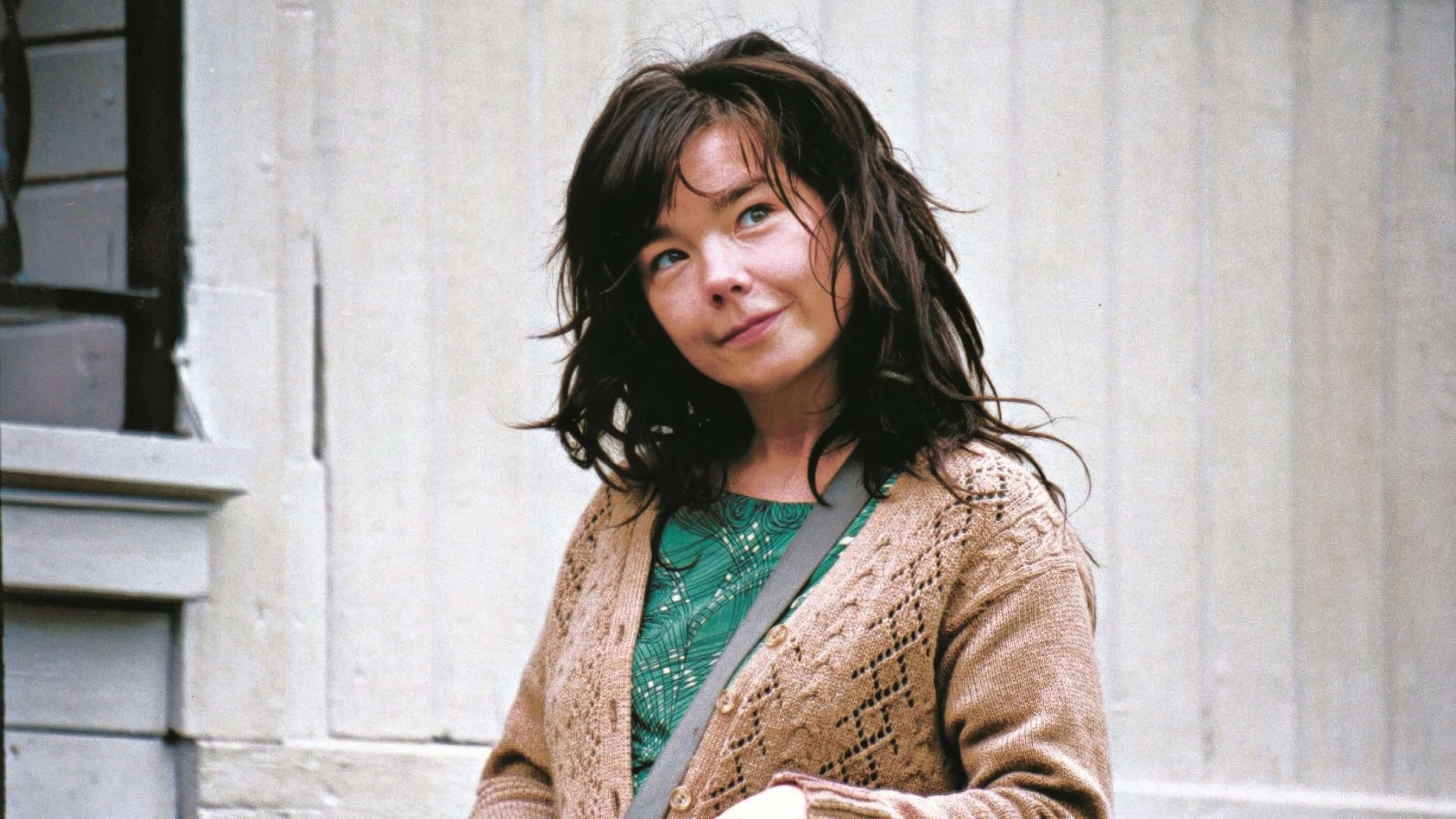
In small-town Washington state in 1964, Czechoslovakian immigrant Selma Jezková and her preteen son Gene live in a rented trailer owned by Bill and Linda Houston; Bill is the town sheriff. Selma also has a small group of friends, including her co-worker and primary confidante Kathy, and Jeff, who wants to be her boyfriend. Jeff regularly waits outside Selma's workplace to drive her home, although she always refuses, not wishing to lead him on. Her primary job is working on the Anderson Tool factory assembly line, but she does whatever else she can to earn money. What only Kathy knows among Selma's friends is that she is slowly going blind from a genetic medical condition. She can see just enough to be able to do her job. Her primary reason for moving to the USA and working all the time is to earn enough money for an operation for Gene when he turns 13; he knows nothing about his mother's or his own degenerative eyesight. Selma allows only one indulgence in her life: anything to do with musicals which she loves, because they're an escape from her bleak life. Kathy often takes her to the cinema to watch old musicals and must describe to her what's happening on the screen, to the other patrons' annoyance. Selma also has the role of Maria in a community-theatre production of "The Sound of Music." Close to having enough money for the operation, Selma races against time before she loses enough sight to lose her job and her role in the musical. What may also threaten Selma's goal of the operation for Gene is some financial problems facing Bill, who feels pressured to provide Linda with the comforts of life to which she's accustomed.
What is the budget of Dancer in the Dark?
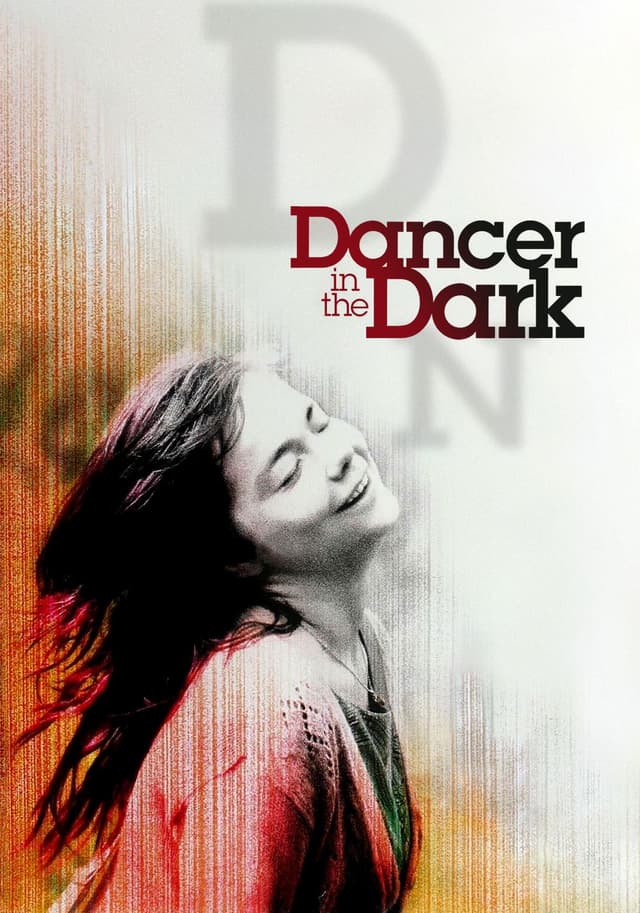
"Dancer in the Dark," a drama released in 2000, was directed by Lars von Trier and stars Björk, Catherine Deneuve. The production budget was $12,500,000, placing it in the low-budget range for drama productions of its era.
Key Budget Allocation Categories
While specific budget breakdowns are not publicly available, typical cost drivers for a drama production like this include:
- Above-the-Line Talent: Drama films live or die on the strength of their performances.
- Location Filming & Period Production Design: Authentic locations , whether contemporary or historical , require scouting, permits, travel, lodging, and often significant dressing to match the story's time period.
- Post-Production, Color Grading & Score: The editorial process for dramas is typically longer than genre films, with careful attention to pacing and tone.
- Production: The film's title suggests the Fred Astaire and Cyd Charisse duet "Dancing in the Dark" from the 1953 film The Band Wagon, which ties in with the film's musical theatre theme.
What were the major cost factors in Dancer in the Dark?
Several factors contributed to the overall production costs of "Dancer in the Dark."
- Above-the-Line Talent: Above-the-Line Talent is one of the primary cost drivers in drama productions of this scale.
- Location Filming: Location Filming & Period Production Design is one of the primary cost drivers in drama productions of this scale.
- Post-Production: Post-Production, Color Grading & Score is one of the primary cost drivers in drama productions of this scale.
How Does Dancer in the Dark's Budget Compare to Similar Films?
At $12,500,000, Dancer in the Dark sits in the low-budget range. Here is how it compares to productions with a similar budget:
- Joint Security Area (2000): Budget $12,500,000
- Ernest & Celestine (2012): Budget $12,500,000, Worldwide Gross $8,170,333
- The Boy in the Striped Pyjamas (2008): Budget $12,500,000, Worldwide Gross $20,416,563
- The Strangers: Prey at Night (2018): Budget $12,500,000 , Gross $32,144,262
- Wrong Turn (2003): Budget $12,600,000, Worldwide Gross $28,650,575
The median budget for wide-release drama films in the 2000s ranges from $30 to 80M for mid-budget to $150M+ for tentpoles.
Dancer in the Dark Box Office Performance
"Dancer in the Dark" earned $4,184,036 domestically and $40,061,153 worldwide at the box office. Against a production budget of $12,500,000, the film performed strongly at the box office.
A film typically needs to earn approximately twice its production budget to cover marketing and distribution costs. For "Dancer in the Dark," that break-even threshold was roughly $25,000,000. With worldwide earnings of $40,061,153, the film cleared that threshold comfortably.
Box Office Breakdown
Dancer in the Dark

At 220.5%, "Dancer in the Dark" earned roughly $3.2 for every $1 invested in production.
Dancer in the Dark Production History
* Original music: Björk * Singers: Björk, Catherine Deneuve, Siobhan Fallon, David Morse, Cara Seymour, Edward Ross (for Vladica Kostic), Joel Grey, Peter Stormare (In the soundtrack Selmasongs, Thom Yorke sings instead of Stormare) * Lyrics: Björk, Lars von Trier and Sjón * Non-original music: Richard Rodgers (from The Sound of Music) * Non-original lyrics: Oscar Hammerstein II (from The Sound of Music) * Choreographer: Vincent Paterson
Awards and Recognition
Nominated for 1 Oscar. 34 wins & 48 nominations total
- National Board of Review: Top Ten Films
- Independent Spirit Award for Best Foreign Film: Lars von Trier
- Goya Award for Best European Film: Lars von Trier
- European Film Award - People's Choice Award for Best Director: Lars von Trier (13th European Film Awards)
- Japan Academy Prize for Outstanding Foreign Language Film
- Cannes Film Festival Award for Best Actress: Björk
- Palme d'Or: Lars von Trier
- Jameson People's Choice Award for Best Actress: Björk (13th European Film Awards)
Frequently Asked Questions
How much did it cost to make Dancer in the Dark (2000)?
The production budget was $12,500,000, covering principal photography, cast and crew salaries, locations, sets, post-production, and music. Marketing and distribution (P&A) costs are estimated at an additional $6,250,000 - $10,000,000, bringing the total studio investment to approximately $18,750,000 - $22,500,000.
How much did Dancer in the Dark (2000) earn at the box office?
Dancer in the Dark grossed $4,184,036 domestic, $35,877,117 international, totaling $40,061,153 worldwide.
Was Dancer in the Dark (2000) profitable?
Yes. Against a production budget of $12,500,000 and estimated total costs of ~$31,250,000, the film earned $40,061,153 theatrically - a 220% ROI on production costs alone.
What were the biggest costs in producing Dancer in the Dark?
The primary cost drivers were above-the-line talent (Björk, Catherine Deneuve, David Morse); talent compensation, authentic period production design, and meticulous post-production; international production across Denmark, Finland, France, Germany, Iceland, Netherlands, Norway, Sweden.
How does Dancer in the Dark's budget compare to similar drama films?
At $12,500,000, Dancer in the Dark is classified as a low-budget production. The median budget for wide-release drama films in the 2000s ranges from $30 - 80M for mid-budget to $150M+ for tentpoles. Comparable budgets: Joint Security Area (2000, $12,500,000); Ernest & Celestine (2012, $12,500,000); The Boy in the Striped Pyjamas (2008, $12,500,000).
Did Dancer in the Dark (2000) go over budget?
There are no widely reported accounts of significant budget overruns for this production. However, studios rarely disclose precise budget overrun figures publicly. The reported production budget reflects the final estimated cost.
What was the return on investment (ROI) for Dancer in the Dark?
The theatrical ROI was 220.5%, calculated as ($40,061,153 − $12,500,000) ÷ $12,500,000 × 100. This measures gross revenue against production budget only - it does not account for P&A or exhibitor shares.
What awards did Dancer in the Dark (2000) win?
Nominated for 1 Oscar. 34 wins & 48 nominations total.
Who directed Dancer in the Dark and who were the key crew members?
Directed by Lars von Trier, written by Lars von Trier, shot by Robby Müller, with music by Björk, edited by François Gédigier, Molly Malene Stensgaard.
Where was Dancer in the Dark filmed?
Dancer in the Dark was filmed in Denmark, Finland, France, Germany, Iceland, Netherlands, Norway, Sweden.
Filmmakers
Dancer in the Dark

Official Trailer
Build budgets like this one in Saturation
Start from an industry-standard feature film template, import the schedule and rates you already have, and let the cost report keep itself current as you spend. Real-time collaboration, no spreadsheets.