Daddy Day Care Budget
 ComedyFamily1h 32m
Updated
Synopsis
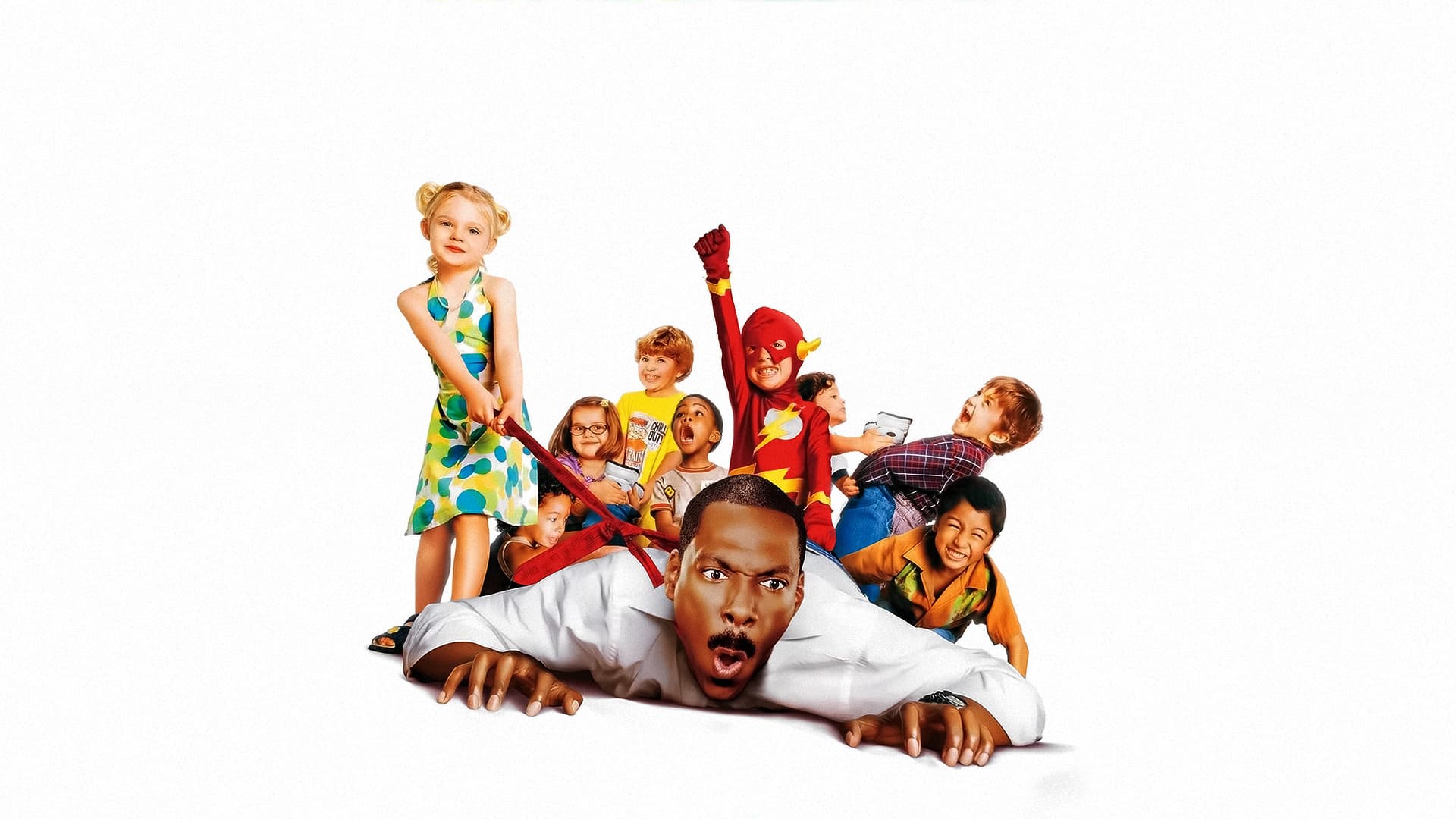
"Daddy Day Care" is a heartwarming family comedy that follows the misadventures of two recently unemployed fathers, Charlie and Phil. Faced with the challenge of caring for their young children while navigating the complexities of parenthood, they decide to open a daycare center. What starts as a chaotic endeavor quickly turns into a hilarious journey filled with unexpected challenges, quirky kids, and the struggle to balance work and family life. As they learn the ropes of childcare, the duo discovers the importance of friendship, creativity, and the joys of being a dad. With a blend of humor and heartfelt moments, "Daddy Day Care" showcases the ups and downs of parenting in a lighthearted and entertaining way.
What is the budget of Daddy Day Care?
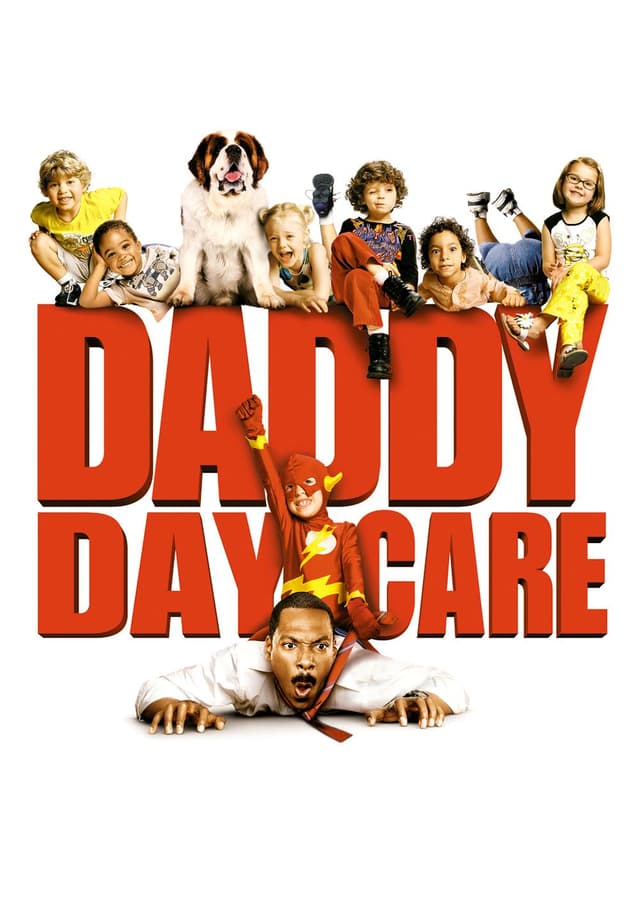
"Daddy Day Care," a comedy released in 2003, was directed by Steve Carr and stars Eddie Murphy, Jeff Garlin. The production budget was $60,000,000, placing it in the high-budget range for comedy productions of its era.
Key Budget Allocation Categories
While specific budget breakdowns are not publicly available, typical cost drivers for a comedy production like this include:
- Talent Salaries & Producing Deals: Established comedic talent can command $15 to 20 million per film, with top-tier stars earning even more through producing credits and backend deals.
- Production & Location Filming: While comedies generally avoid the VFX costs of action films, location shooting in recognizable cities or exotic locales adds meaningful production expense.
- Marketing & P&A (Prints & Advertising): Comedies rely heavily on marketing to build opening-weekend momentum.
- Production: The film was initially set up at 20th Century Fox, but Fox placed the film into turnaround due to budget concerns. It sold the film to Revolution Studios.
What were the major cost factors in Daddy Day Care?
Several factors contributed to the overall production costs of "Daddy Day Care."
- Talent Salaries: Talent Salaries & Producing Deals is one of the primary cost drivers in comedy productions of this scale.
- Production: Production & Location Filming is one of the primary cost drivers in comedy productions of this scale.
- Marketing: Marketing & P&A (Prints & Advertising) is one of the primary cost drivers in comedy productions of this scale.
How Does Daddy Day Care's Budget Compare to Similar Films?
At $60,000,000, Daddy Day Care sits in the high-budget range. Here is how it compares to productions with a similar budget:
- 15 Minutes (2001): Budget $60,000,000, Worldwide Gross $56,359,980
- Almost Famous (2000): Budget $60,000,000, Worldwide Gross $47,386,287
- Analyze That (2002): Budget $60,000,000, Worldwide Gross $55,003,135
- Antz (1998): Budget $60,000,000, Worldwide Gross $171,757,863
- Cats & Dogs (2001): Budget $60,000,000, Worldwide Gross $200,687,492
The median budget for wide-release comedy films in the 2000s ranges from $30 to 80M for mid-budget to $150M+ for tentpoles.
Daddy Day Care Box Office Performance
"Daddy Day Care" earned $104,297,061 domestically and $164,433,867 worldwide at the box office. Against a production budget of $60,000,000, the film performed strongly at the box office.
A film typically needs to earn approximately twice its production budget to cover marketing and distribution costs. For "Daddy Day Care," that break-even threshold was roughly $120,000,000. With worldwide earnings of $164,433,867, the film cleared that threshold comfortably.
Box Office Breakdown
Daddy Day Care

At 174.1%, "Daddy Day Care" earned roughly $2.74 for every $1 invested in production.
Awards and Recognition
1 win & 6 nominations total
Official Trailer
Build budgets like this one in Saturation
Start from an industry-standard feature film template, import the schedule and rates you already have, and let the cost report keep itself current as you spend. Real-time collaboration, no spreadsheets.