Come and See Budget
Updated
Synopsis
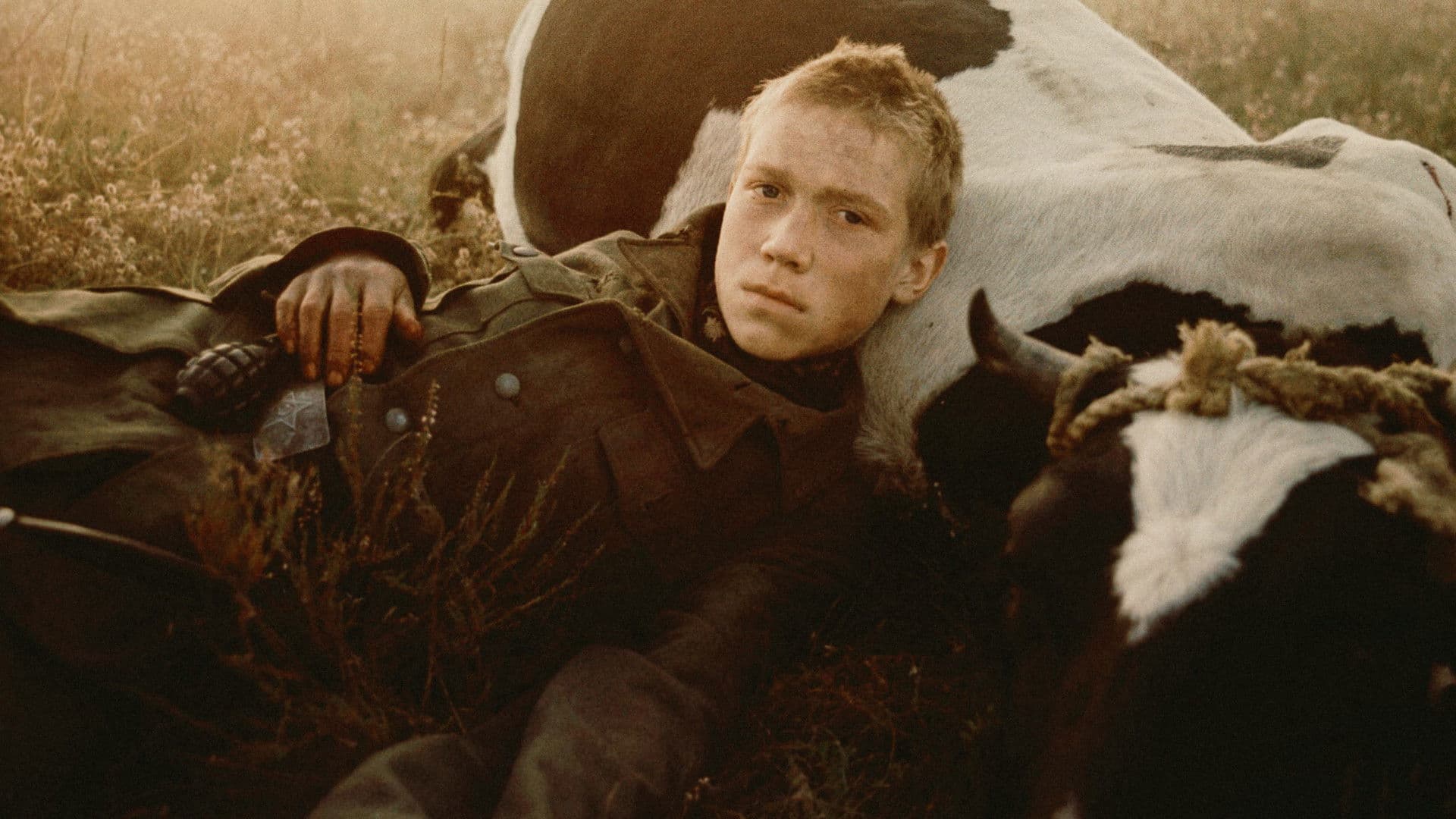
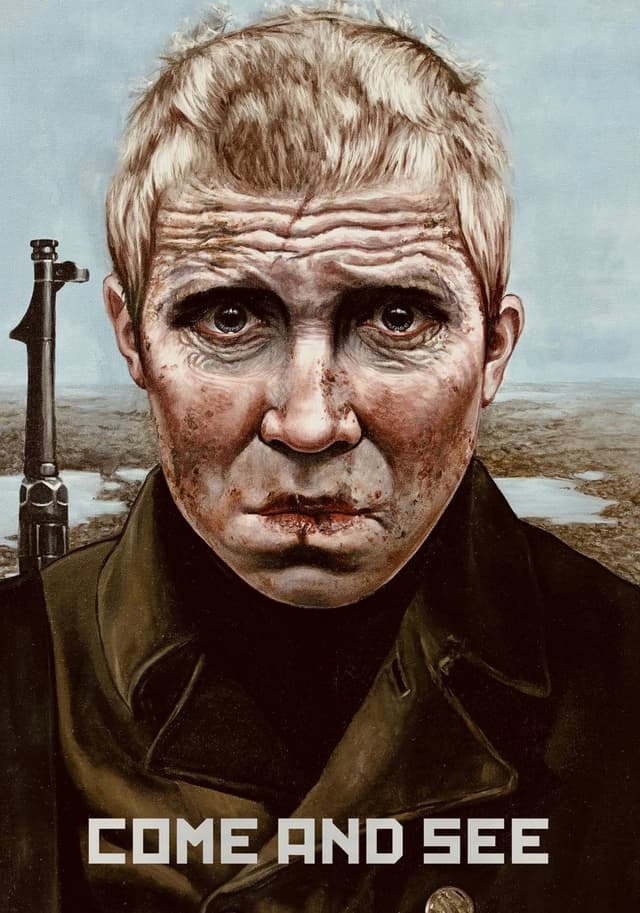
The feature film directed by Elem Klimov, shot in the genre of military drama. The action takes place on the territory of Belarus in 1943. In the center of the story is a Belarusian boy, who witnesses the horrors of the Nazi punitive action, turning from a cheerful teenager into a gray-haired old man for two days.
What is the budget of Come and See?
"Come and See," a drama released in 1985, was directed by Elem Klimov and stars Aleksei Kravchenko, Olga Mironova. The production budget was $5,000,000, placing it in the low-budget range for drama productions of the 1980s.
Key Budget Allocation Categories
While specific budget breakdowns are not publicly available, typical cost drivers for a drama production like this include:
- Above-the-Line Talent: Drama films live or die on the strength of their performances.
- Location Filming & Period Production Design: Authentic locations , whether contemporary or historical , require scouting, permits, travel, lodging, and often significant dressing to match the story's time period.
- Post-Production, Color Grading & Score: The editorial process for dramas is typically longer than genre films, with careful attention to pacing and tone.
- Filming & Locations: For eight years, Eventually in 1984, Klimov was able to start filming without having compromised to any censorship at all.
What were the major cost factors in Come and See?
Several factors contributed to the overall production costs of "Come and See."
- Above-the-Line Talent: Above-the-Line Talent is one of the primary cost drivers in drama productions of this scale.
- Location Filming: Location Filming & Period Production Design is one of the primary cost drivers in drama productions of this scale.
- Post-Production: Post-Production, Color Grading & Score is one of the primary cost drivers in drama productions of this scale.
How Does Come and See's Budget Compare to Similar Films?
At $5,000,000, Come and See sits in the low-budget range. Here is how it compares to productions with a similar budget:
- Cinema Paradiso (1988): Budget $5,000,000, Worldwide Gross $35,962,062
- Mishima: A Life in Four Chapters (1985): Budget $5,000,000 , Gross $502,758
- Once Upon a Time in the West (1968): Budget $5,000,000, Worldwide Gross $5,380,118
- A Separation (2011): Budget $5,000,000, Worldwide Gross $24,426,169
- The Elephant Man (1980): Budget $5,000,000, Worldwide Gross $26,000,000
The median budget for wide-release drama films in the era ranges from $30 to 80M for mid-budget to $150M+ for tentpoles.
Come and See Box Office Performance
"Come and See" earned $71,909 domestically and $20,929,648 worldwide at the box office. Against a production budget of $5,000,000, the film performed strongly at the box office.
A film typically needs to earn approximately twice its production budget to cover marketing and distribution costs. For "Come and See," that break-even threshold was roughly $10,000,000. With worldwide earnings of $20,929,648, the film cleared that threshold comfortably.
Box Office Breakdown
Come and See

At 318.6%, "Come and See" earned roughly $4.19 for every $1 invested in production.
Come and See Production History
For eight years, Eventually in 1984, Klimov was able to start filming without having compromised to any censorship at all. The only change became the name of the film itself, to Come and See from the original, Kill Hitler The film was shot in chronological order over a period of nine months. Contrary to what some rumors suggest, though, Kravchenko's hair did not turn permanently grey.
The original soundtrack is rhythmically amorphous music composed by Oleg Yanchenko. At a few key points in the film, classical music from mainly German or Austrian composers are used, such as The Blue Danube by Johann Strauss II. The Soviet marching song "The Sacred War" and Russian folk song "Korobeiniki" (Vadim Kozin) Richard Wagner's overture to Tannhäuser and, notably, Ride of the Valkyries from Die Walküre are both used during the climactic reverse montage of historical footage..
Awards and Recognition
3 wins total
Frequently Asked Questions
How much did it cost to make Come and See (1985)?
The production budget was $5,000,000, covering principal photography, cast and crew salaries, locations, sets, post-production, and music. Marketing and distribution (P&A) costs are estimated at an additional $2,500,000 - $4,000,000, bringing the total studio investment to approximately $7,500,000 - $9,000,000.
How much did Come and See (1985) earn at the box office?
Come and See grossed $71,909 domestic, $20,857,739 international, totaling $20,929,648 worldwide.
Was Come and See (1985) profitable?
Yes. Against a production budget of $5,000,000 and estimated total costs of ~$12,500,000, the film earned $20,929,648 theatrically - a 319% ROI on production costs alone.
What were the biggest costs in producing Come and See?
The primary cost drivers were above-the-line talent (Aleksei Kravchenko, Olga Mironova, Liubomiras Laucevičius); talent compensation, authentic period production design, and meticulous post-production.
How does Come and See's budget compare to similar drama films?
At $5,000,000, Come and See is classified as a micro-budget production. The median budget for wide-release drama films in the era ranges from $30 - 80M for mid-budget to $150M+ for tentpoles. Comparable budgets: Cinema Paradiso (1988, $5,000,000); Mishima: A Life in Four Chapters (1985, $5,000,000); Once Upon a Time in the West (1968, $5,000,000).
Did Come and See (1985) go over budget?
There are no widely reported accounts of significant budget overruns for this production. However, studios rarely disclose precise budget overrun figures publicly. The reported production budget reflects the final estimated cost.
What was the return on investment (ROI) for Come and See?
The theatrical ROI was 318.6%, calculated as ($20,929,648 − $5,000,000) ÷ $5,000,000 × 100. This measures gross revenue against production budget only - it does not account for P&A or exhibitor shares.
What awards did Come and See (1985) win?
3 wins total.
Who directed Come and See and who were the key crew members?
Directed by Elem Klimov, written by Elem Klimov, Ales Adamovich, shot by Alexey Rodionov, with music by Oleg Yanchenko, edited by Valeriya Belova.
Where was Come and See filmed?
Come and See was filmed in Soviet Union. For eight years, Eventually in 1984, Klimov was able to start filming without having compromised to any censorship at all. The only change became the name of the film itself, to Come and See from the original, Kill Hitler The film was shot in chronological order over a period of nine months.
Filmmakers
Come and See

Official Trailer
Build budgets like this one in Saturation
Start from an industry-standard feature film template, import the schedule and rates you already have, and let the cost report keep itself current as you spend. Real-time collaboration, no spreadsheets.