Collateral Budget
 DramaCrimeThriller2h
Updated
Synopsis
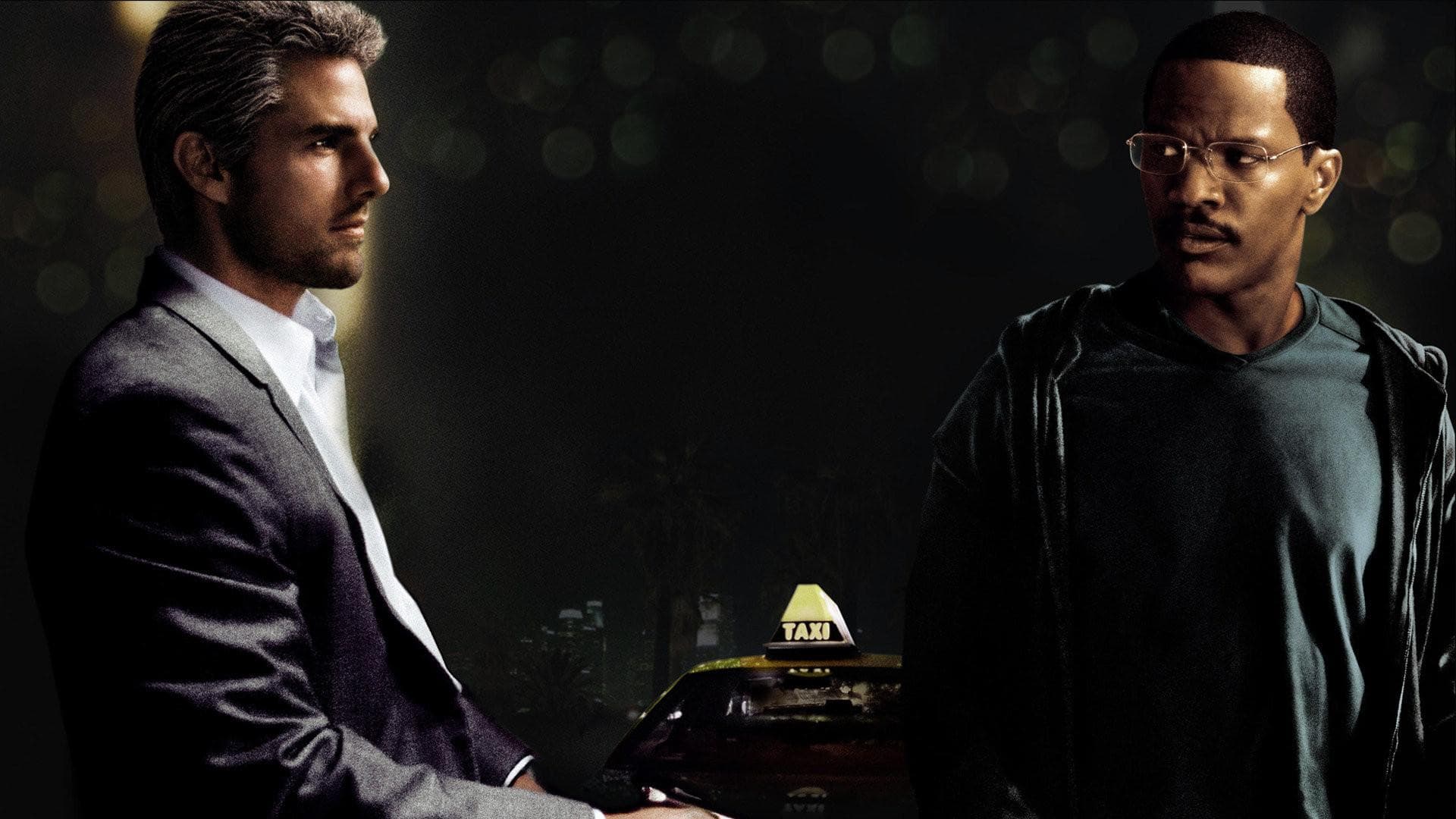
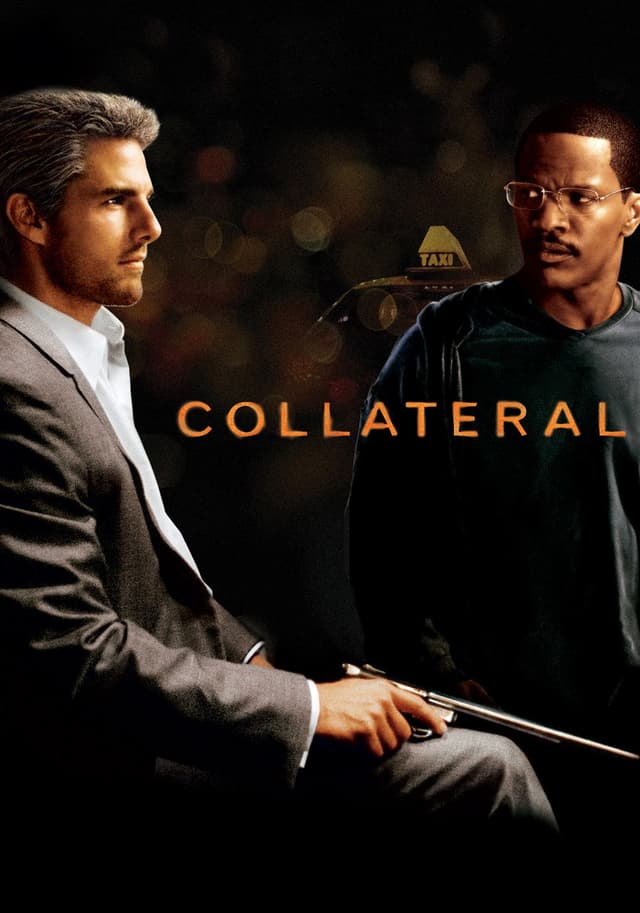
A cab driver realizes his current fare is a hit man that has been having him drive around from mark to mark until the last witness to a crime is dead. When the cabbie finally figures out the truth, he must prevent the assassin from wiping out his last witness without becoming the next in the professional killer’s line of casualties.
What is the budget of Collateral?
"Collateral," a drama released in 2004, was directed by Michael Mann and stars Tom Cruise, Jamie Foxx. The production budget was $65,000,000, placing it in the high-budget range for drama productions of its era.
Key Budget Allocation Categories
While specific budget breakdowns are not publicly available, typical cost drivers for a drama production like this include:
- Above-the-Line Talent: Drama films live or die on the strength of their performances.
- Location Filming & Period Production Design: Authentic locations , whether contemporary or historical , require scouting, permits, travel, lodging, and often significant dressing to match the story's time period.
- Post-Production, Color Grading & Score: The editorial process for dramas is typically longer than genre films, with careful attention to pacing and tone.
What were the major cost factors in Collateral?
Several factors contributed to the overall production costs of "Collateral."
- Above-the-Line Talent: Drama films live or die on the strength of their performances.
- Location Filming: Authentic locations , whether contemporary or historical , require scouting, permits, travel, lodging, and often significant dressing to match the story's time period.
- Post-Production: The editorial process for dramas is typically longer than genre films, with careful attention to pacing and tone.
How Does Collateral's Budget Compare to Similar Films?
At $65,000,000, Collateral sits in the high-budget range. Here is how it compares to productions with a similar budget:
- 300 (2007): Budget $65,000,000, Worldwide Gross $456,082,343
- A Knight's Tale (2001): Budget $65,000,000, Worldwide Gross $117,487,473
- 3000 Miles to Graceland (2001): Budget $62,000,000, Worldwide Gross $18,720,175
- 2 Guns (2013): Budget $61,000,000, Worldwide Gross $131,940,411
- 15 Minutes (2001): Budget $60,000,000, Worldwide Gross $56,359,980
The median budget for wide-release drama films in the 2000s ranges from $30 to 80M for mid-budget to $150M+ for tentpoles.
Collateral Box Office Performance
"Collateral" earned $101,005,703 domestically and $220,239,925 worldwide at the box office. Against a production budget of $65,000,000, the film performed strongly at the box office.
A film typically needs to earn approximately twice its production budget to cover marketing and distribution costs. For "Collateral," that break-even threshold was roughly $130,000,000. With worldwide earnings of $220,239,925, the film cleared that threshold comfortably.
Box Office Breakdown
Collateral

At 238.8%, "Collateral" earned roughly $3.39 for every $1 invested in production.
Collateral Production History
After three weeks of filming, cinematographer Paul Cameron left the project due to creative differences with Mann. Dion Beebe was brought on to replace Cameron. Mann chose to use the Viper FilmStream High-Definition Camera to film many of Collateral scenes, the first such use in a major motion picture.
James Newton Howard composed the score for the film, with additional music by Antônio Pinto. As well as the Vangelis composition "Moxica and the Horse," which was composed for the film 1492 Conquest of Paradise. The piece features in Collateral as the FBI race to the Fever nightclub.
Awards and Recognition
Nominated for 2 Oscars. 22 wins & 73 nominations total
- BET Award for Best Actor & Actress: Jamie Foxx
- National Board of Review Award for Best Director: Michael Mann
- National Society of Film Critics Award for Best Actor: Jamie Foxx
- Washington D.C. Area Film Critics Association Award for Best Supporting Actor: Jamie Foxx
- National Board of Review: Top Ten Films
- Black Reel Award for Best Supporting Actor: Jamie Foxx
- Satellite Award for Best Editing: Jim Miller
- Satellite Award for Best Editing: Paul Rubell
Critical Reception
Collateral received positive reviews. On the review aggregator Rotten Tomatoes, the film has an approval rating of 86% based on 238 reviews, with an average rating of 7.5/10. The critical consensus states that "Driven by director Michael Mann's trademark visuals and a lean, villainous performance from Tom Cruise, Collateral is a stylish and compelling noir thriller."
Frequently Asked Questions
How much did it cost to make Collateral (2004)?
The production budget was $65,000,000, covering principal photography, cast and crew salaries, locations, sets, post-production, and music. Marketing and distribution (P&A) costs are estimated at an additional $32,500,000 - $52,000,000, bringing the total studio investment to approximately $97,500,000 - $117,000,000.
How much did Collateral (2004) earn at the box office?
Collateral grossed $101,005,703 domestic, $119,234,222 international, totaling $220,239,925 worldwide.
Was Collateral (2004) profitable?
Yes. Against a production budget of $65,000,000 and estimated total costs of ~$162,500,000, the film earned $220,239,925 theatrically - a 239% ROI on production costs alone.
What were the biggest costs in producing Collateral?
The primary cost drivers were above-the-line talent (Tom Cruise, Jamie Foxx, Jada Pinkett Smith); talent compensation, authentic period production design, and meticulous post-production.
How does Collateral's budget compare to similar drama films?
At $65,000,000, Collateral is classified as a mid-budget production. The median budget for wide-release drama films in the 2000s ranges from $30 - 80M for mid-budget to $150M+ for tentpoles. Comparable budgets: 300 (2007, $65,000,000); A Knight's Tale (2001, $65,000,000); 3000 Miles to Graceland (2001, $62,000,000).
Did Collateral (2004) go over budget?
There are no widely reported accounts of significant budget overruns for this production. However, studios rarely disclose precise budget overrun figures publicly. The reported production budget reflects the final estimated cost.
What was the return on investment (ROI) for Collateral?
The theatrical ROI was 238.8%, calculated as ($220,239,925 − $65,000,000) ÷ $65,000,000 × 100. This measures gross revenue against production budget only - it does not account for P&A or exhibitor shares.
What awards did Collateral (2004) win?
Nominated for 2 Oscars. 22 wins & 73 nominations total.
Who directed Collateral and who were the key crew members?
Directed by Michael Mann, written by Stuart Beattie, shot by Paul Cameron, Dion Beebe, with music by António Pinto, James Newton Howard, edited by Jim Miller, Paul Rubell.
Where was Collateral filmed?
Collateral was filmed in United States of America. After three weeks of filming, cinematographer Paul Cameron left the project due to creative differences with Mann. Dion Beebe was brought on to replace Cameron.
Filmmakers
Collateral

Official Trailer
Build budgets like this one in Saturation
Start from an industry-standard feature film template, import the schedule and rates you already have, and let the cost report keep itself current as you spend. Real-time collaboration, no spreadsheets.