Chill Factor Budget
 ActionComedyThriller1h 41m
Updated
Synopsis
"Chill Factor" is a thrilling action-comedy that follows the misadventures of two unlikely heroes, a fast-food worker named Tim and a former military operative named Leo. When a deadly chemical weapon is accidentally released in their small town, the duo finds themselves in a race against time to prevent a catastrophic disaster. With the help of a quirky scientist, they must navigate a series of comedic yet dangerous obstacles, all while trying to outsmart a group of mercenaries intent on retrieving the weapon for their own nefarious purposes. As the clock ticks down, Tim and Leo discover that friendship and courage can emerge from the most unexpected situations, leading to a showdown that will keep audiences on the edge of their seats.
What is the budget of Chill Factor?
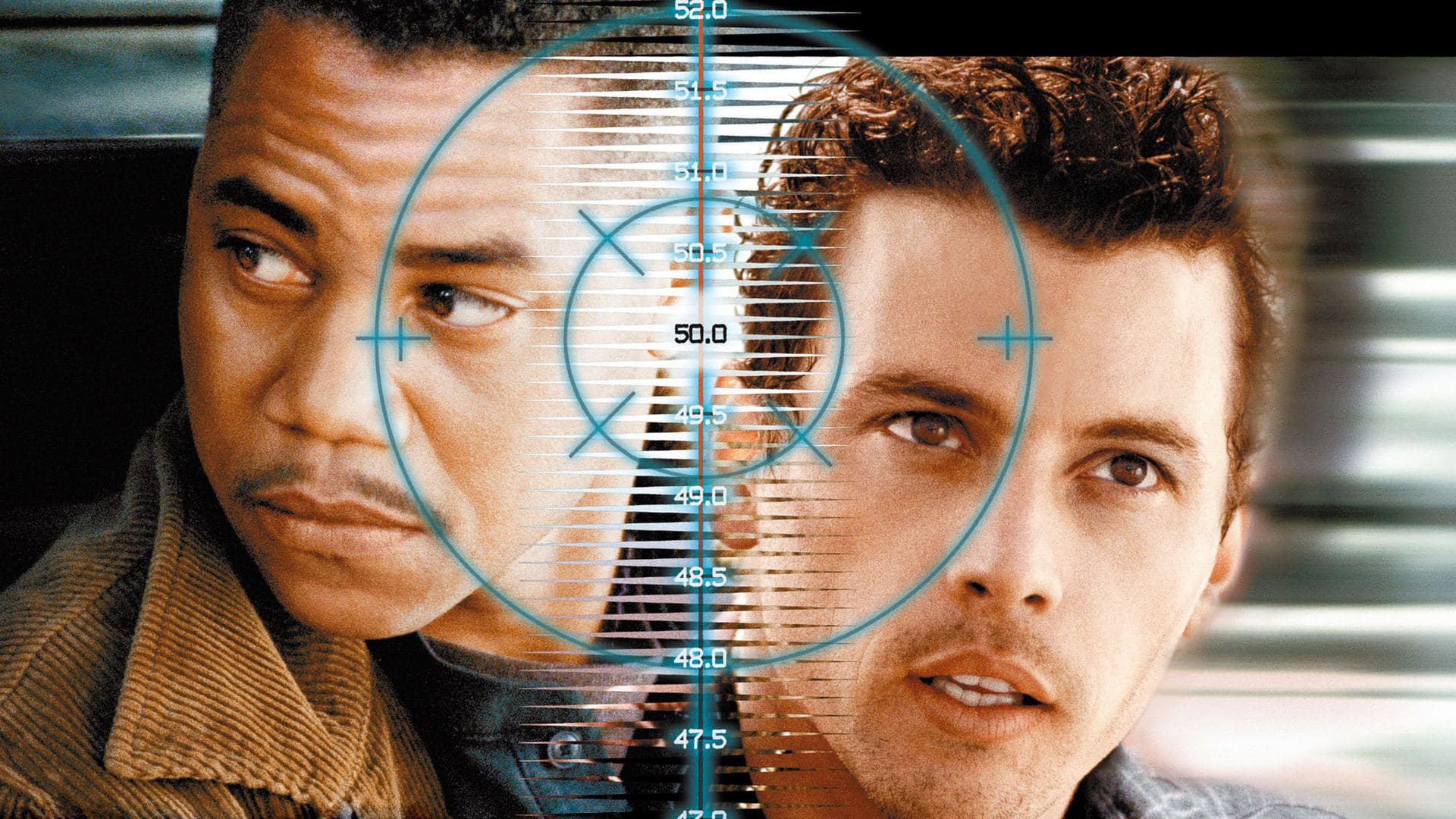
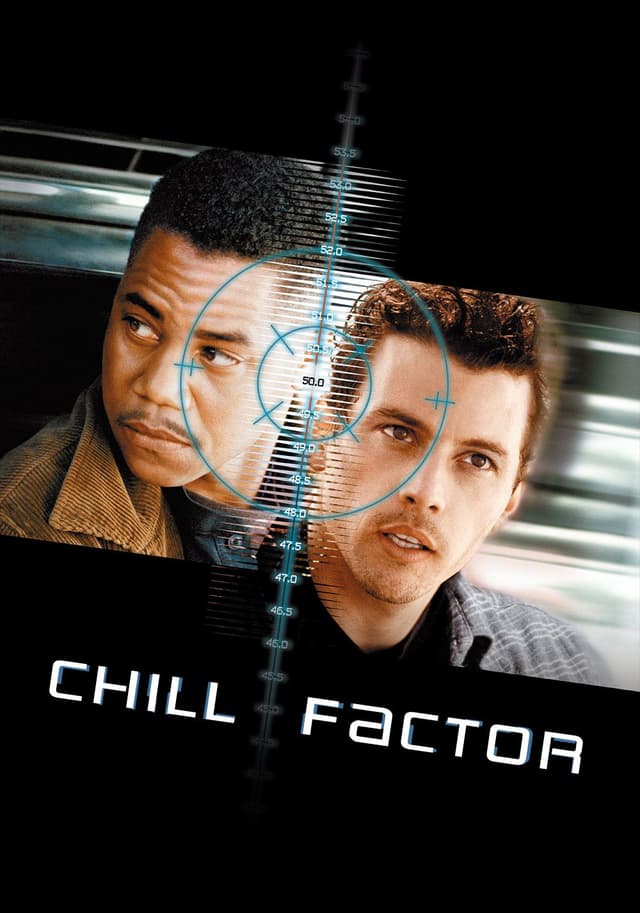
"Chill Factor," an action released in 1999, was directed by Hugh Johnson and stars Cuba Gooding Jr., Skeet Ulrich. The production budget was $34,000,000, placing it in the mid-budget range for action productions of the 1990s.
Key Budget Allocation Categories
While specific budget breakdowns are not publicly available, typical cost drivers for an action production like this include:
- Stunts, Action Sequences & Visual Effects: Action films allocate a substantial portion of their budget to choreographing and executing practical stunts, pyrotechnics, and CGI-heavy sequences.
- Above-the-Line Talent (Cast & Director): A-list talent commands significant upfront fees plus backend participation.
- Production Design, Sets & Locations: Action films frequently require multiple international shooting locations, large-scale set construction, vehicle acquisitions and modifications, and specialized equipment , all of which drive production costs well above those of dialogue-driven genres.
- Production: Ulrich and Gooding were both cast in September 1998 and principal photography began on 5 October.
What were the major cost factors in Chill Factor?
Several factors contributed to the overall production costs of "Chill Factor."
- Stunts: Stunts, Action Sequences & Visual Effects is one of the primary cost drivers in action productions of this scale.
- Above-the-Line Talent (Cast: Above-the-Line Talent (Cast & Director) is one of the primary cost drivers in action productions of this scale.
- Production Design: Production Design, Sets & Locations is one of the primary cost drivers in action productions of this scale.
How Does Chill Factor's Budget Compare to Similar Films?
At $34,000,000, Chill Factor sits in the mid-budget range. Here is how it compares to productions with a similar budget:
- Baby Driver (2017): Budget $34,000,000, Worldwide Gross $226,945,087
- 1941 (1979): Budget $35,000,000, Worldwide Gross $94,900,000
- Two for the Money (2005): Budget $35,000,000, Worldwide Gross $30,526,509
- 21 Bridges (2019): Budget $33,000,000, Worldwide Gross $49,900,000
- Bridesmaids (2011): Budget $32,500,000, Worldwide Gross $288,383,523
The median budget for wide-release action films in the era ranges from $30 to 80M for mid-budget to $150M+ for tentpoles.
Chill Factor Box Office Performance
"Chill Factor" earned $11,263,966 worldwide at the box office. Against a production budget of $34,000,000, the film faced challenges in theatrical release. Home video, streaming, and ancillary revenue may have contributed to its overall performance.
A film typically needs to earn approximately twice its production budget to cover marketing and distribution costs. For "Chill Factor," that break-even threshold was roughly $68,000,000. With worldwide earnings of $11,263,966, the film did not reach break-even in theatrical release.
Box Office Breakdown
Chill Factor

At -66.9%, "Chill Factor" did not recoup its production budget through theatrical release alone.
Awards and Recognition
1 nomination total
Critical Reception
The film generally received negative reviews. On Rotten Tomatoes, it has an approval rating of 10% based on 79 reviews, with an average rating of 3.6/10. The site's consensus states: "Claiming it fails on every level, critics had almost nothing good to say about this movie." Metacritic reports a score of 33 out of 100 based on 25 reviews, indicating "generally unfavorable" reviews. Audiences polled by CinemaScore gave the film an average grade of "B-" on an A+ to F scale.
Frequently Asked Questions
How much did Chill Factor (1999) cost to make?
Chill Factor was produced on a budget of approximately $34,000,000 for Morgan Creek Productions, with Warner Bros. handling theatrical distribution. The film was an attempt to replicate the buddy-action formula of Speed (1994) using a temperature-sensitive biochemical weapon as its central plot device.
How much did Chill Factor earn at the box office?
The film grossed $11,656,696 domestically and approximately $400,000 internationally, for a worldwide total just over $12,000,000. Against its $34,000,000 budget plus marketing, it lost the studios an estimated $35,000,000 to $40,000,000 and is considered one of the more decisive flops of 1999.
Who directed Chill Factor?
Hugh Johnson directed the film, his feature directorial debut after a career as a second-unit cinematographer on films including G.I. Jane (1997) and White Squall (1996). The screenplay was written by Drew Gitlin and Mike Cheda.
Who starred in Chill Factor?
Cuba Gooding Jr., fresh off his Best Supporting Actor Oscar for Jerry Maguire (1996), played the ice-cream truck driver Arlo. Skeet Ulrich played the diner-cook everyman Mason. The supporting cast included Peter Firth, David Paymer, and Hudson Leick.
Where was Chill Factor filmed?
Principal photography took place in Utah and on locations across the American Southwest, with stunt work and the climactic chemical-laboratory finale shot at studio facilities. The high-altitude mountain sequences in the final act were shot in the Wasatch Range outside Salt Lake City.
What did critics think of Chill Factor?
The film holds an 8% approval rating on Rotten Tomatoes and was widely panned. Roger Ebert gave it one star, writing "this movie is so dumb, so utterly stupid, that it almost makes you angry." Critics objected to the implausibility of the central biochemical premise and the absence of chemistry between Gooding and Ulrich.
Why did Chill Factor flop?
The film opened in September 1999 against The Sixth Sense in its eighth week and Double Jeopardy in its second, two titles that dominated the late-summer marketplace. Word of mouth was poor, marketing was minimal, and Cuba Gooding Jr.'s post-Jerry Maguire output had already established a pattern of underperformance. The film dropped 70 percent in its second weekend and disappeared from screens within a month.
Did Chill Factor win any awards?
No. The film received no industry awards recognition. It was nominated for one Stinkers Bad Movie Award (Worst Sense of Direction for Hugh Johnson) but did not win. Cuba Gooding Jr.'s late-1990s career trajectory has been the subject of considerable academic and industry analysis, with Chill Factor frequently cited as an inflection point.
How does Chill Factor compare to other 1999 action thrillers?
It was outgrossed by every comparable late-1990s buddy-action release. Lethal Weapon 4 (1998) had earned $285,448,275. Rush Hour (1998) had earned $244,386,864. Even direct flops like The Avengers (1998), which lost money on a $60,000,000 budget, had managed approximately $48,000,000 worldwide. Chill Factor's $12,000,000 worldwide gross is closer to direct-to-video performance than theatrical norms for the genre.
Is Chill Factor available to stream?
The film is available on various ad-supported streaming platforms including Tubi and Pluto TV and has been released on DVD. It has a small ironic cult reputation as an example of late-1990s buddy-action formula misfires but has never received a critical reappraisal.
Official Trailer
Build budgets like this one in Saturation
Start from an industry-standard feature film template, import the schedule and rates you already have, and let the cost report keep itself current as you spend. Real-time collaboration, no spreadsheets.