Casablanca Budget
 DramaRomance1h 42m
Updated
Synopsis
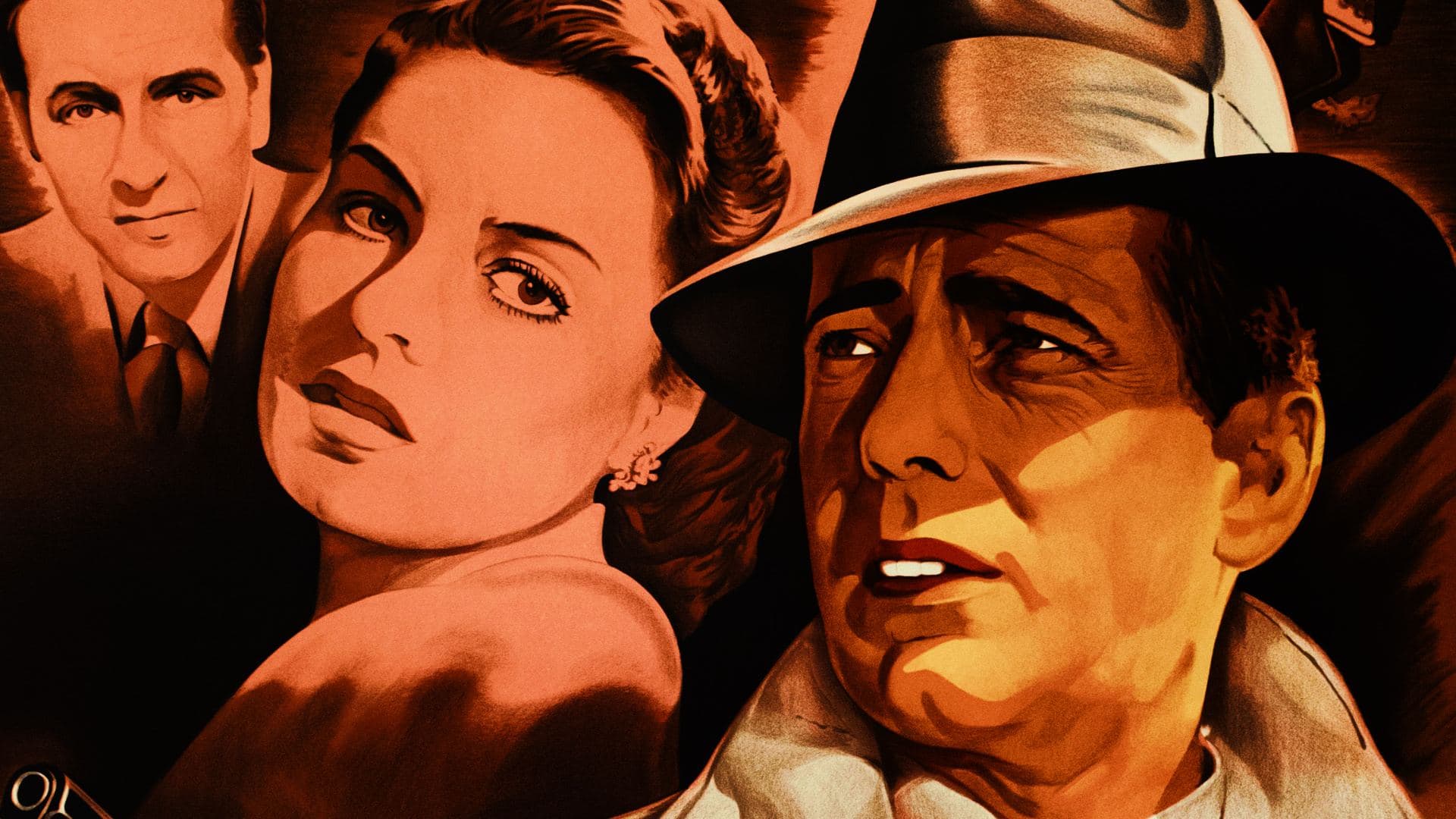
The story of Rick Blaine, a cynical world-weary ex-patriate who runs a nightclub in Casablanca, Morocco during the early stages of WWII. Despite the pressure he constantly receives from the local authorities, Rick's cafe has become a kind of haven for refugees seeking to obtain illicit letters that will help them escape to America. But when Ilsa, a former lover of Rick's, and her husband, show up to his cafe one day, Rick faces a tough challenge which will bring up unforeseen complications, heartbreak and ultimately an excruciating decision to make.
What is the budget of Casablanca?
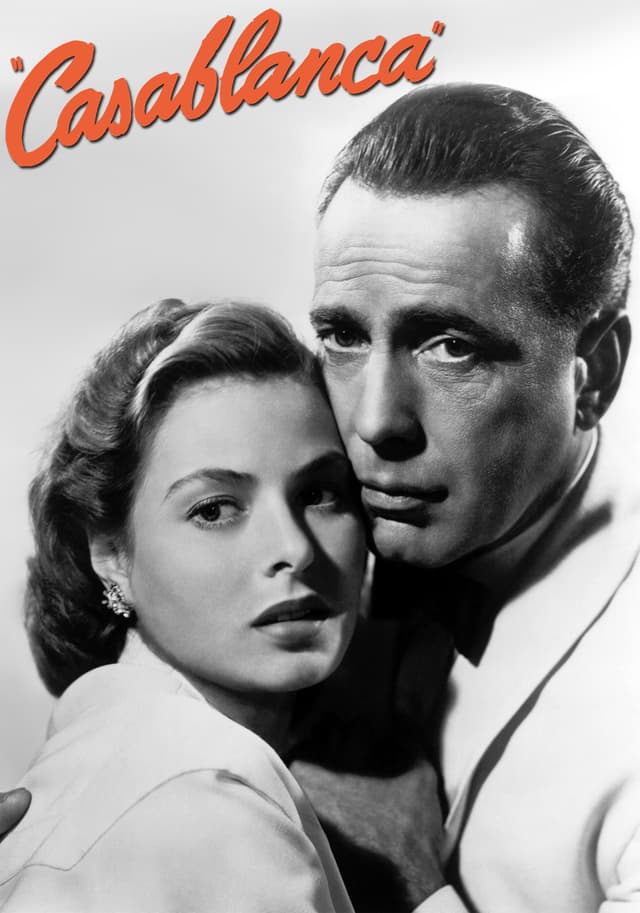
"Casablanca," a drama released in 1943, was directed by Michael Curtiz and stars Humphrey Bogart, Ingrid Bergman. The production budget was $878,000, placing it in the micro-budget range for drama productions of the 1940s.
Key Budget Allocation Categories
While specific budget breakdowns are not publicly available, typical cost drivers for a drama production like this include:
- Above-the-Line Talent: Drama films live or die on the strength of their performances.
- Location Filming & Period Production Design: Authentic locations , whether contemporary or historical , require scouting, permits, travel, lodging, and often significant dressing to match the story's time period.
- Post-Production, Color Grading & Score: The editorial process for dramas is typically longer than genre films, with careful attention to pacing and tone.
- Filming & Locations: Although an initial filming date was selected for April 10, 1942, delays led to production starting on May 25.
What were the major cost factors in Casablanca?
Several factors contributed to the overall production costs of "Casablanca."
- Above-the-Line Talent: Above-the-Line Talent is one of the primary cost drivers in drama productions of this scale.
- Location Filming: Location Filming & Period Production Design is one of the primary cost drivers in drama productions of this scale.
- Post-Production: Post-Production, Color Grading & Score is one of the primary cost drivers in drama productions of this scale.
How Does Casablanca's Budget Compare to Similar Films?
At $878,000, Casablanca sits in the micro-budget range. Here is how it compares to productions with a similar budget:
- 4 Months, 3 Weeks and 2 Days (2007): Budget $852,510, Worldwide Gross $1,185,783
- Citizen Kane (1941): Budget $839,727, Worldwide Gross $23,218,000
- Woman of the Hour (2024): Budget $836,057
- The Gold Rush (1925): Budget $923,000, Worldwide Gross $4,000,000
- Touch of Evil (1958): Budget $829,000, Worldwide Gross $2,247,500
The median budget for wide-release drama films in the era ranges from $30 to 80M for mid-budget to $150M+ for tentpoles.
Casablanca Box Office Performance
"Casablanca" earned $4,219,709 domestically and $10,462,500 worldwide at the box office. Against a production budget of $878,000, the film performed strongly at the box office.
A film typically needs to earn approximately twice its production budget to cover marketing and distribution costs. For "Casablanca," that break-even threshold was roughly $1,756,000. With worldwide earnings of $10,462,500, the film cleared that threshold comfortably.
Box Office Breakdown
Casablanca

At 1091.6%, "Casablanca" earned roughly $11.92 for every $1 invested in production.
Casablanca Production History
Although an initial filming date was selected for April 10, 1942, delays led to production starting on May 25. Filming was completed on August 3. It went $75,000 over budget for a total cost of $1,039,000, above average for the time.
The music was written by Max Steiner. The song "As Time Goes By" by Herman Hupfeld had been part of the story from the original play; Steiner wanted to write his own composition to replace it, but Bergman had already cut her hair short for her next role (María in For Whom the Bell Tolls) and could not reshoot the scenes that incorporated the song, so Steiner based the entire score on it and "La Marseillaise", the French national anthem, transforming them as leitmotifs to reflect changing moods. Even though Steiner disliked "As Time Goes By", he admitted in a 1943 interview that it "must have had something to attract so much attention".
Awards and Recognition
Won 3 Oscars. 18 wins & 12 nominations total
- Academy Award for Best Writing, Adapted Screenplay: Julius J. Epstein (16th Academy Awards)
- Academy Award for Best Writing, Adapted Screenplay: Philip G. Epstein (16th Academy Awards)
- Academy Award for Best Writing, Adapted Screenplay: Howard Koch (16th Academy Awards)
- Academy Award for Best Director: Michael Curtiz (16th Academy Awards)
- Academy Award for Best Picture (16th Academy Awards)
- National Board of Review: Top Ten Films
Frequently Asked Questions
How much did it cost to make Casablanca (1943)?
The production budget was $878,000, covering principal photography, cast and crew salaries, locations, sets, post-production, and music. Marketing and distribution (P&A) costs are estimated at an additional $439,000 - $702,400, bringing the total studio investment to approximately $1,317,000 - $1,580,400.
How much did Casablanca (1943) earn at the box office?
Casablanca grossed $4,219,709 domestic, $6,242,791 international, totaling $10,462,500 worldwide.
Was Casablanca (1943) profitable?
Yes. Against a production budget of $878,000 and estimated total costs of ~$2,195,000, the film earned $10,462,500 theatrically - a 1092% ROI on production costs alone.
What were the biggest costs in producing Casablanca?
The primary cost drivers were above-the-line talent (Humphrey Bogart, Ingrid Bergman, Paul Henreid); talent compensation, authentic period production design, and meticulous post-production.
How does Casablanca's budget compare to similar drama films?
At $878,000, Casablanca is classified as a ultra-low-budget production. The median budget for wide-release drama films in the era ranges from $30 - 80M for mid-budget to $150M+ for tentpoles. Comparable budgets: 4 Months, 3 Weeks and 2 Days (2007, $852,510); Citizen Kane (1941, $839,727); Woman of the Hour (2024, $836,057).
Did Casablanca (1943) go over budget?
Based on available production reports, there were indications of budget pressures during production. Detailed figures on budget overruns are not typically disclosed publicly.
What was the return on investment (ROI) for Casablanca?
The theatrical ROI was 1091.6%, calculated as ($10,462,500 − $878,000) ÷ $878,000 × 100. This measures gross revenue against production budget only - it does not account for P&A or exhibitor shares.
What awards did Casablanca (1943) win?
Won 3 Oscars. 18 wins & 12 nominations total.
Who directed Casablanca and who were the key crew members?
Directed by Michael Curtiz, written by Julius J. Epstein, Philip G. Epstein, Howard Koch, shot by Arthur Edeson, with music by Max Steiner, edited by Owen Marks.
Where was Casablanca filmed?
Casablanca was filmed in United States of America. Although an initial filming date was selected for April 10, 1942, delays led to production starting on May 25. Filming was completed on August 3.
Filmmakers
Casablanca

Official Trailer
Build budgets like this one in Saturation
Start from an industry-standard feature film template, import the schedule and rates you already have, and let the cost report keep itself current as you spend. Real-time collaboration, no spreadsheets.