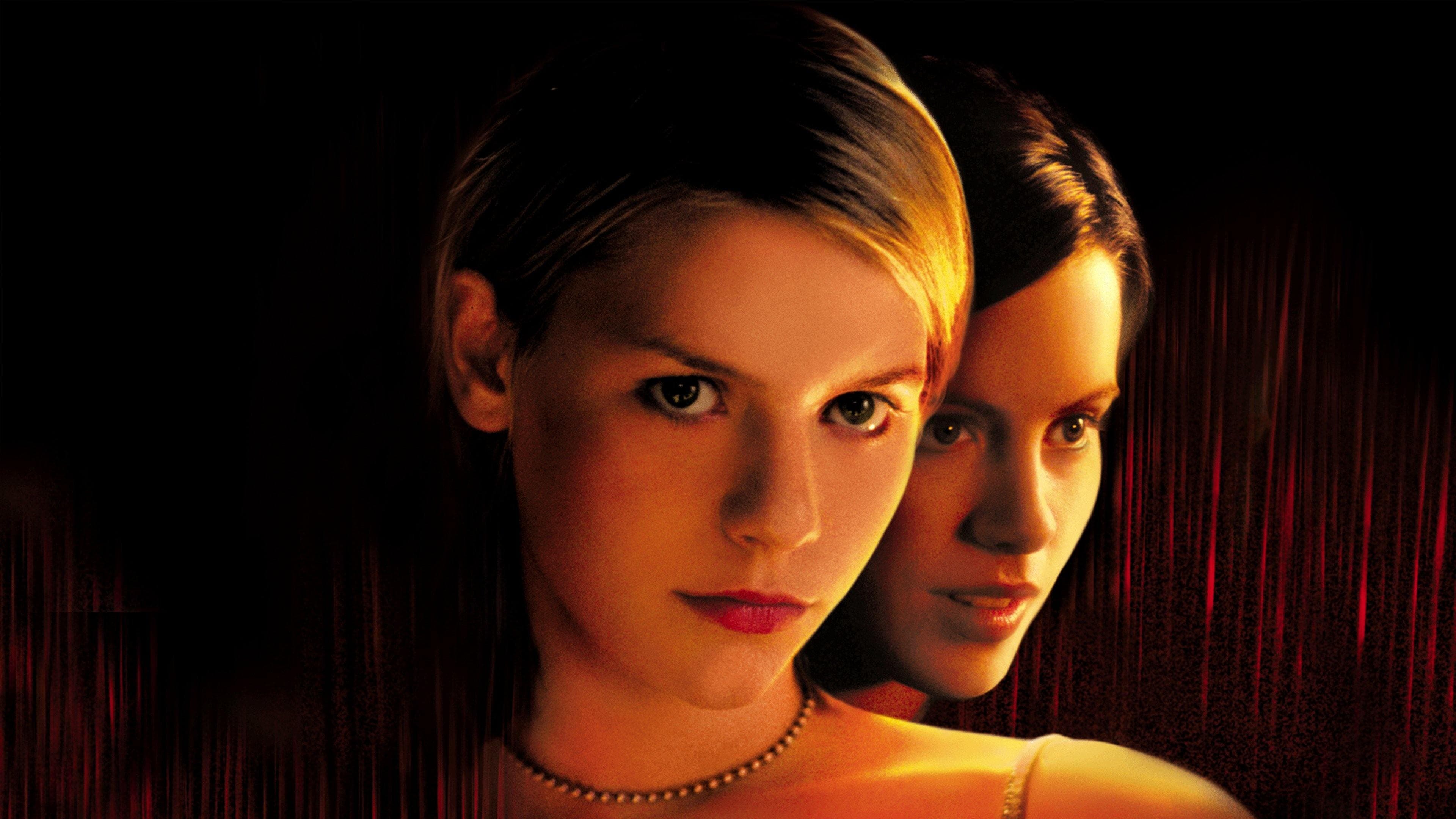
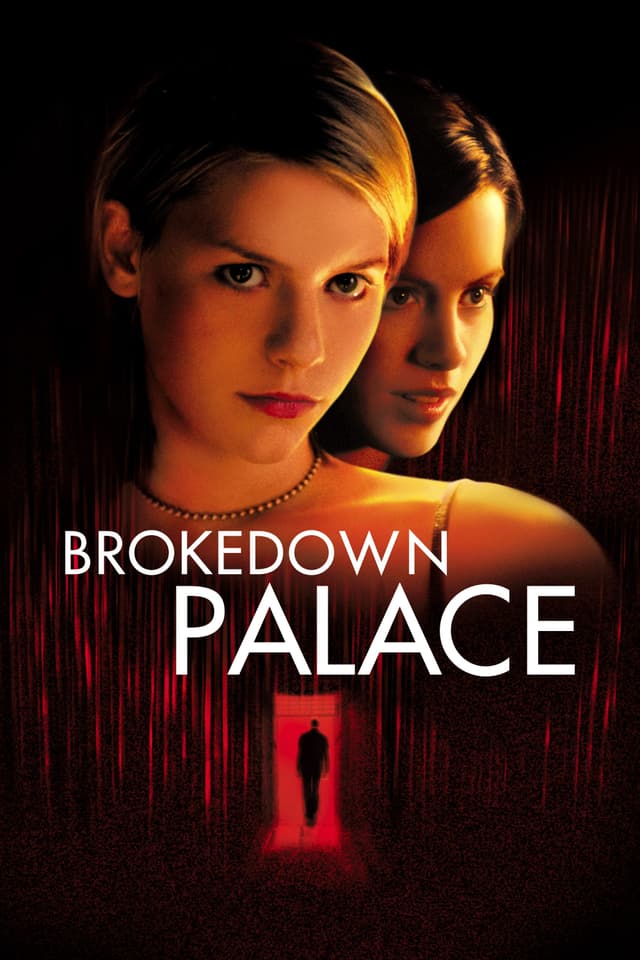
Brokedown Palace Budget
 DramaThrillerMystery1h 40m
Updated
Synopsis
Best friends Alice Marano and Darlene Davis celebrate their high school graduation with a trip to Thailand, where a charming Australian backpacker convinces them to take a side flight to Hong Kong. Stopped at the Bangkok airport with heroin hidden in their bags, the two American teenagers are arrested, convicted, and sentenced to 33 years in a remote Thai women's prison. As the years pass, the girls' friendship is tested by guilt, paranoia, and the slow grind of an expatriate defense attorney's long-shot effort to win them their freedom.
What Is the Budget of Brokedown Palace (1999)?
Brokedown Palace (1999), directed by Jonathan Kaplan and released by 20th Century Fox, was produced on a budget of $25,000,000. The film starred Claire Danes and Kate Beckinsale as two American college graduates imprisoned in Thailand for drug smuggling, a crime they deny committing. Fox positioned the film as a prestige drama with commercial potential, drawing comparisons to the true-story Thai prison drama Not Without My Daughter and the broader category of imprisonment narratives involving young Western travelers abroad.
The $25 million production budget was a considered investment for a drama without major action spectacle to anchor it. The film relied on its lead actresses, its emotionally intense subject matter, and the visual power of Southeast Asian locations to justify the outlay. Producer Adam Fields had developed the project for years, drawing on research into real cases of American women imprisoned in Thailand for drug offenses, giving the project a documentary grounding that shaped both the script and the production approach.
Key Budget Allocation Categories
The $25,000,000 budget was allocated across the production's principal cost centers:
- Cast: Claire Danes was the film's primary draw, having established herself with My So-Called Life and Romeo + Juliet. Kate Beckinsale, then building toward mainstream stardom, joined alongside Bill Pullman and Lou Diamond Phillips. The ensemble required competitive compensation for an adult drama without action franchise potential.
- International Production Logistics: While the film was set in Thailand, most production took place in the Philippines, requiring international crew logistics, housing, transportation, and coordination across two countries' production systems.
- Location and Permits: Manila locations including the substituted airport setting and exterior environments required government permits and local crew infrastructure. The prison sequences filmed at a mental health facility in Mandaluyong added complexity.
- Production Design: The design team recreated Thai airport signage, prison environments, and street settings using Philippine locations and purpose-built sets that could pass for Thailand on screen.
- Post-Production: The film's emotional drama required significant attention to sound design and score, with David Newman composing the underscore.
- Legal and Research Costs: Producer Adam Fields conducted extensive interviews with American women imprisoned in Southeast Asia during development, and the research process informed production decisions throughout.
How Does Brokedown Palace's Budget Compare to Similar Films?
Brokedown Palace competed in the adult drama market alongside several other female-led international productions from the late 1990s:
- Return to Paradise (1998): Budget $14M | Worldwide $8.3M. The competing male-led version of the imprisoned-abroad narrative, starring Vince Vaughn and Joaquin Phoenix, performed similarly poorly despite a lower budget.
- Brokedown Palace (1999): Budget $25M | Worldwide $10.1M. The film failed to recover even half its production cost in theatrical release, becoming one of Fox's notable disappointments of 1999.
- The Beach (2000): Budget $50M | Worldwide $144.1M. The Leo DiCaprio-led Southeast Asia thriller released the following year showed how A-list male star power could transform a similar setting into a blockbuster.
- Midnight Express (1978): Budget $2M | Worldwide $35.5M. The original Western-imprisoned-abroad narrative remains the genre's defining text and performed far above budget on a fraction of the cost.
- Monster (2003): Budget $8M | Worldwide $60.4M. Charlize Theron's turn as Aileen Wuornos showed how a lean female-led dramatic crime film could outperform its budget many times over when the material and performance coalesced.
Brokedown Palace Box Office Performance
Brokedown Palace opened on August 13, 1999, against strong late-summer competition including The Sixth Sense, which had opened the previous weekend and was dominating the marketplace. The film debuted to approximately $4.4 million from 1,424 theaters, a disappointing start that reflected both competition and the inherent challenges of marketing a morally complex drama about female imprisonment to mainstream summer audiences.
Box Office Breakdown
Brokedown Palace

Brokedown Palace generated approximately $0.40 for every $1 invested in production, making it a significant commercial disappointment for 20th Century Fox. The film's worldwide gross of just over $10 million against a combined production and marketing outlay of approximately $40 million resulted in a theatrical loss of nearly $30 million. Home video and cable licensing provided some recovery, but the theatrical underperformance made Brokedown Palace one of the more notable misses of Fox's 1999 release calendar.
The film's marketing struggled to position it effectively. Fox attempted to appeal to both the drama audience that appreciated the Danes-Beckinsale performances and the thriller audience attracted by the prison escape elements, and the dual messaging diluted both pitches. The Sixth Sense's dominance of late-summer screens compounded the difficulty.
Brokedown Palace Production History
Producer Adam Fields developed Brokedown Palace over several years, beginning with investigative research into real cases of American women who had been imprisoned in Thailand for drug smuggling offenses, many of whom maintained their innocence. Fields conducted interviews with former prisoners and their families, and worked with screenwriter David Arata to construct a narrative that prioritized the emotional bond between the two central characters over legal procedural mechanics.
Claire Danes deferred her enrollment at Yale University to take the role, saying in interviews that the story's exploration of female friendship under extreme duress was the primary draw. The casting of Kate Beckinsale as Danes' co-lead was intended to provide a complementary screen dynamic: Danes as the more impulsive and emotionally expressive Alice and Beckinsale as the more calculated and self-protective Darlene. Bill Pullman joined the cast as their American lawyer after a period working in Asia on other productions, and his familiarity with the region informed his character's weary pragmatism.
A significant controversy preceded the film's release. During production in 1998, Claire Danes gave interviews to several publications in which she described Manila as 'ghastly and weird,' making unflattering comments about sanitation and poverty in the city. The remarks were published while the film was still in post-production. Manila's city council voted to formally ban Danes from the city, and her films were prohibited from theatrical release in Manila, a prohibition that was never lifted. Danes issued a public apology, explaining that the crew had been exposed to impoverished areas relevant to the film's subject matter.
The decision to film in the Philippines rather than Thailand was driven partly by logistical and partly by diplomatic factors. Thailand's government was sensitive about the subject matter of the film, which depicted Thai judicial processes in a critical light. The production team found that Philippine locations, including Manila's Ninoy Aquino International Airport standing in for Bangkok's Don Mueang Airport, and a mental health facility in Mandaluyong serving as the prison, provided sufficient visual authenticity. Real patients at the mental health facility were present on set during prison sequences, an experience that the lead actresses later described as profoundly affecting their performances.
Awards and Recognition
Brokedown Palace received limited formal awards recognition, with most notice focused on the lead performances rather than the film as a whole:
- Young Artist Award nomination: Claire Danes received a nomination in the Best Performance in a Feature Film category for her role as Alice Marano.
- Blockbuster Entertainment Awards: Danes and Beckinsale received nominations for Favorite Actress in a Drama, recognizing the strength of both performances within the constraints of the film.
- Independent Spirit Award consideration: The film's small budget and serious subject matter drew attention from independent film circles, though it was ultimately released as a mainstream studio film.
Both Danes and Beckinsale have cited Brokedown Palace in subsequent career interviews as a formative professional experience, particularly regarding the physical and emotional challenges of filming prison scenes with real psychiatric patients present. The film's legacy has grown modestly over time as the careers of both lead actresses expanded, drawing renewed attention to their early dramatic work.
Critical Reception
Brokedown Palace received mixed reviews on release and has been reassessed modestly in the years since. On Rotten Tomatoes the film holds a 31% approval rating based on 36 reviews. Metacritic assigned a score of 44 out of 100, categorizing it as receiving mixed or average reviews. Audiences at CinemaScore gave the film a B+, a meaningfully more positive response than the professional critical consensus.
Roger Ebert of the Chicago Sun-Times awarded three out of four stars, focusing his praise on the lead performances of Danes and Beckinsale. Ebert wrote that both actresses brought genuine commitment to the material and that their on-screen friendship felt earned and credible despite the script's occasional contrivances. The New York Times offered a measured assessment, calling the film 'good enough so that you wish it were better,' praising the lead performances while critiquing the underdevelopment of supporting characters and the screenplay's reluctance to fully commit to either a thriller or a character study.
The film's ambiguous ending, in which Alice's fate hinges on a self-sacrificial act whose consequences remain unresolved for the viewer, was a point of division. Some critics found the ambiguity thematically resonant, arguing it reflected the genuine uncertainty that imprisoned women in the real situations the film drew on faced. Others felt it was a commercial miscalculation that denied audiences a satisfying resolution. In retrospect, Brokedown Palace is most often discussed as an example of a film whose subject matter and performances exceeded what the screenplay could fully realize.
Frequently Asked Questions
What was the production budget for Brokedown Palace?
Brokedown Palace had a production budget of $25,000,000. The film was produced by 20th Century Fox and directed by Jonathan Kaplan, starring Claire Danes and Kate Beckinsale. Despite the significant investment, the film earned only $10.1 million worldwide, making it a notable commercial disappointment for the studio.
How much did Brokedown Palace make at the box office?
Brokedown Palace earned $10,115,013 worldwide, against a $25 million production budget. The film opened in August 1999 to approximately $4.4 million from 1,424 theaters, competing against The Sixth Sense, which was dominating late-summer box office. The theatrical loss, including marketing costs, exceeded $29 million.
Was Brokedown Palace based on a true story?
Brokedown Palace was not based on one specific true story, but was inspired by research into real cases of American women imprisoned in Thailand for drug offenses. Producer Adam Fields conducted interviews with former prisoners and their families during development. The film's emotional core, focused on female friendship under extreme duress, was drawn from real experiences documented in that research.
Why was Brokedown Palace filmed in the Philippines instead of Thailand?
Brokedown Palace was filmed primarily in the Philippines rather than Thailand because the Thai government was sensitive about the film's critical depiction of the Thai judicial system. Manila locations, including Ninoy Aquino International Airport substituting for Bangkok's Don Mueang Airport, provided sufficient visual authenticity. Prison sequences were filmed at a mental health facility in Mandaluyong, where real patients were present during shooting.
What controversy surrounded Claire Danes and Brokedown Palace?
During production in 1998, Claire Danes gave magazine interviews describing Manila as 'ghastly and weird' and making unflattering comments about sanitation and poverty in the city. Manila's city council voted to formally ban Danes from the city and prohibit her films from theatrical release there. Danes apologized publicly, and the ban has never been officially lifted. The controversy preceded the film's August 1999 release.
Filmmakers
Brokedown Palace

Official Trailer
Build budgets like this one in Saturation
Start from an industry-standard feature film template, import the schedule and rates you already have, and let the cost report keep itself current as you spend. Real-time collaboration, no spreadsheets.