Body Cam Budget
 HorrorThrillerMystery1h 36m
Updated
Synopsis
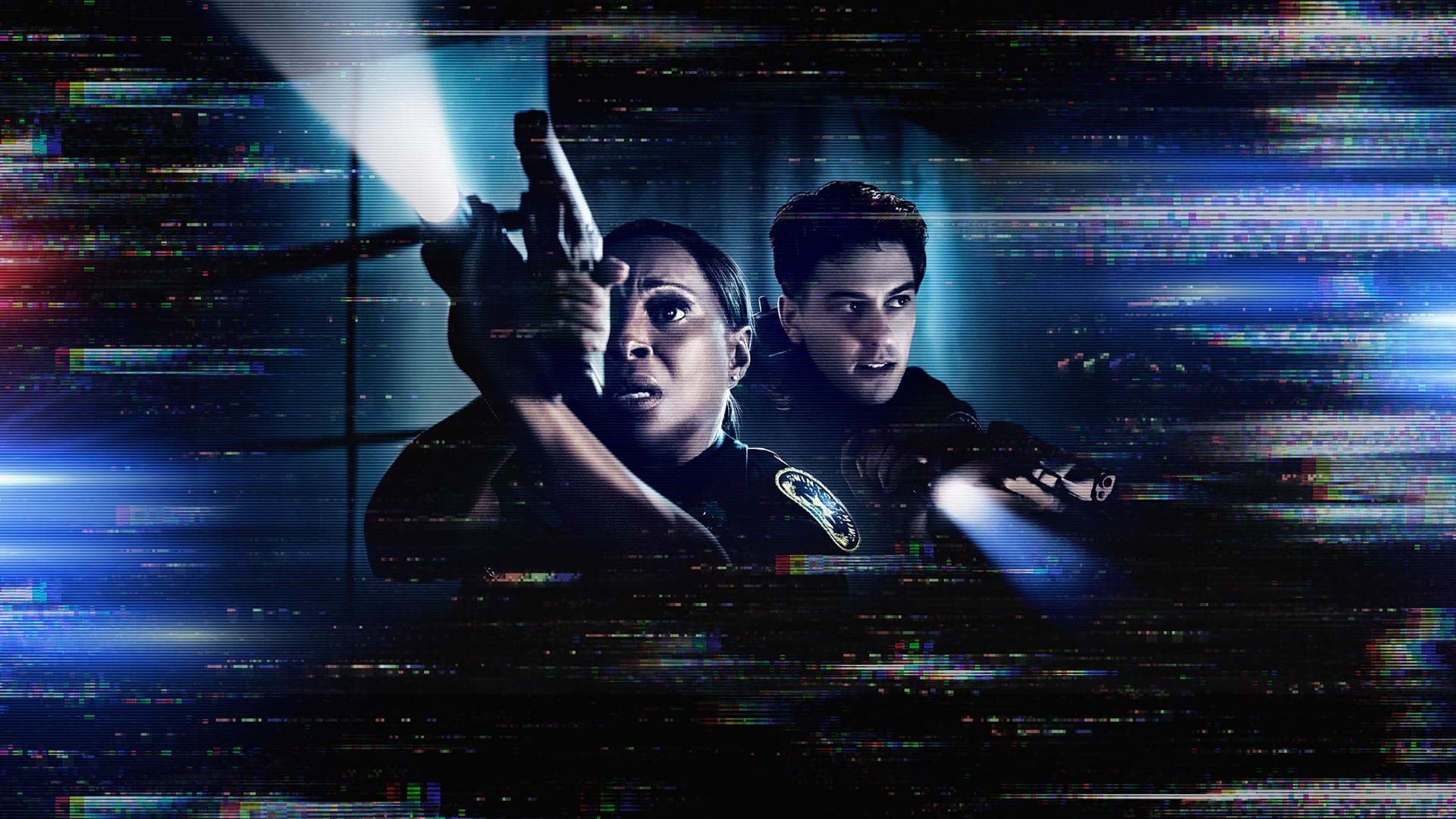
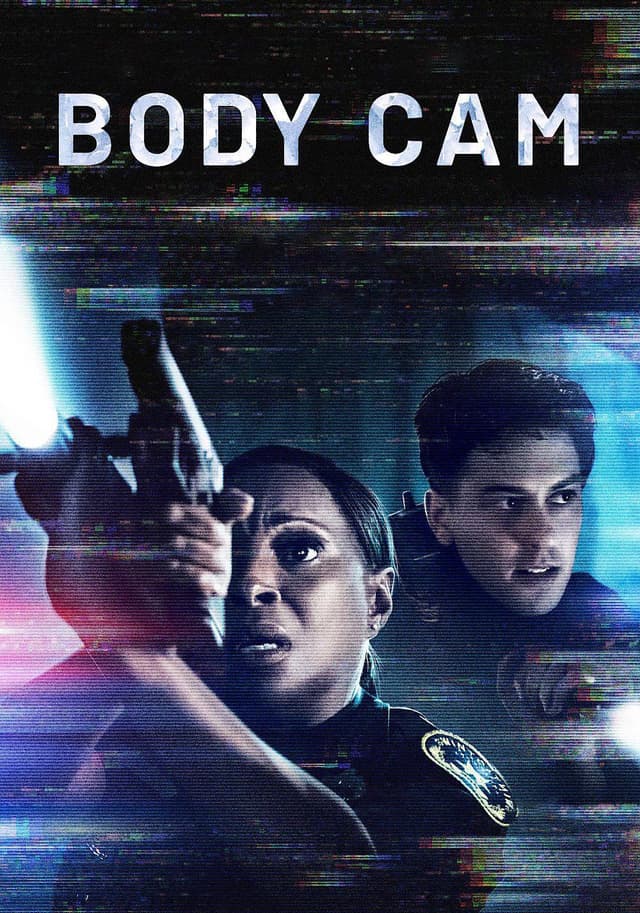
When LAPD officer Renee Lomito-Smith returns to duty after a traumatic incident, she discovers her partner's body cam has captured something inexplicable: a vengeful supernatural force stalking the officers of her precinct. As more colleagues die in increasingly disturbing circumstances, Renee races to uncover the dark history that has triggered the haunting.
What Is the Budget of Body Cam (2020)?
Body Cam (2020), directed by Malik Vitthal and starring Mary J. Blige, was produced on a reported budget of $9,600,000 by Paramount Players, Paramount's lower-budget genre label. Production reports filed with the State of Louisiana confirmed that $7,100,000 of the budget was spent in Louisiana, with $3,100,000 of that going to in-state payroll. The shoot qualified for Louisiana's Motion Picture Production Tax Credit, the primary fiscal incentive driving the location decision.
Originally slated for a 2019 theatrical release, the film was pulled from Paramount's release schedule and ultimately released digitally on May 19, 2020, followed by a video on demand release on June 2, 2020. The release pivot was driven both by the COVID-19 theatrical shutdown and by Paramount's broader 2019 to 2020 strategic shift on mid-budget genre films, which moved toward VOD-first distribution following the Paramount Players label's mixed theatrical track record.
Key Budget Allocation Categories
The $9,600,000 budget for Body Cam was distributed across the production areas typical for a Paramount Players supernatural cop thriller:
- Above-the-Line Talent — Director Malik Vitthal (Imperial Dreams), star and executive producer Mary J. Blige (Mudbound), and supporting cast including Nat Wolff, David Zayas, David Warshofsky, Demetrius Grosse, and Anika Noni Rose. Blige commanded a top-line rate appropriate to her Mudbound Academy Award nomination and her recurring TV work.
- New Orleans Location Shoot — Principal photography ran in New Orleans and surrounding Louisiana locations, qualifying for the Louisiana Motion Picture Production Tax Credit at 25% to 40% of in-state spend. The credit drove the location decision and substantially offset above-the-line costs.
- Visual Effects — The film's supernatural elements, including ghost manifestations and the visions captured by the body cameras, required practical and digital VFX work. Multiple effects vendors contributed shots, with the heaviest practical-meets-CG work concentrated in the body-cam point-of-view sequences.
- Cinematography and Camera — DP Pedro Luque Briozzo (Don't Breathe) shot the film in widescreen digital, integrating actual body-cam footage formats into the principal photography for the in-world footage sequences. The body-cam point-of-view material required dedicated camera packages.
- Score and Music — Composer Joseph Bishara (The Conjuring films) delivered an unsettling string and electronic-leaning score, anchoring the genre register. The score budget was significant for a Paramount Players release.
- Post-Production — VFX-heavy post production over a multi-month finishing period, with sound design carrying significant weight in selling the haunted-cop premise. Post was handled on the standard Paramount Players pipeline.
How Does Body Cam's Budget Compare to Similar Films?
Against recent supernatural cop thrillers and Paramount Players label releases, the film operated at a mid-tier studio-genre budget:
- Lights Out (2016): Budget $4,900,000 | Worldwide $148,983,989. The James Wan-produced supernatural horror operated at half Body Cam's budget and earned more than 30x its negative cost worldwide, illustrating what supernatural horror at this tier can achieve at peak.
- Vigil (Crooked House) (2020): Budget approximately $7,000,000 | Streaming. Comparable supernatural cop thriller releasing into the same 2020 VOD window.
- The Devil Inside (2012): Budget $1,000,000 | Worldwide $101,759,490. The faux-documentary horror operated at a tiny fraction of Body Cam's budget and significantly outperformed it, illustrating the high variance in supernatural horror returns.
- Truth or Dare (2018): Budget $3,500,000 | Worldwide $95,127,344. The Blumhouse supernatural thriller operated at a lower budget tier with broader theatrical release and significantly stronger commercial performance.
- Sinister (2012): Budget $3,000,000 | Worldwide $87,727,807. The Scott Derrickson supernatural horror established the genre template that Body Cam echoes in its haunted-found-footage register, at a fraction of the budget and with substantially better theatrical outcomes.
Body Cam Box Office Performance
Body Cam was released digitally on May 19, 2020 and on video on demand on June 2, 2020 by Paramount Pictures, foregoing a traditional theatrical release. The pandemic-era VOD pivot eliminated the theatrical revenue stream that comparable supernatural cop thrillers would have relied on. The Numbers and Box Office Mojo report no significant theatrical receipts for the film.
Against the reported $9,600,000 production budget, the film's revenue model relied on VOD rentals, digital sell-through, cable, and streaming licensing. Here is the financial profile based on publicly available information:
Box Office Breakdown
Body Cam

Films released this way typically recover their negative cost through a layered combination of transactional VOD revenue across iTunes, Amazon, and Google, cable and pay TV licensing, and eventual SVOD pickups. Body Cam moved onto Paramount+ and other Paramount-affiliated streaming platforms in the months following release, with downstream license revenue continuing to accrue across 2020 to 2023.
Paramount's decision to pivot Body Cam to VOD rather than push it to a delayed theatrical release reflects a broader 2020 industry-wide reassessment of mid-budget genre films. Films at this tier increasingly bypass theatrical exhibition entirely in favor of platform-first revenue models, a trend Body Cam exemplified at the moment of the transition.
Body Cam Production History
Body Cam was developed at Paramount Players from a story by Richmond Riedel, with screenplay credit shared by Nicholas McCarthy (The Pact, At the Devil's Door) and Riedel. Director Malik Vitthal, whose Imperial Dreams had premiered to acclaim at Sundance in 2014 before its Netflix release, attached to direct in 2018. Mary J. Blige attached to star and executive produce alongside the project's development. Principal photography took place in Louisiana, primarily in New Orleans and surrounding parishes, across a contained production schedule in summer 2018. Louisiana's Motion Picture Production Tax Credit at 25% to 40% of in-state spend drove the location decision, with $7,100,000 of the $9,600,000 budget reported as spent in Louisiana.
Casting placed Mary J. Blige in the lead role of LAPD officer Renee Lomito-Smith, with Nat Wolff (The Stand) as her new partner. David Zayas (Dexter), David Warshofsky, Demetrius Grosse, and Anika Noni Rose filled out the supporting cast. The ensemble drew on Black-led horror and thriller talent that had been building visibility through the late 2010s, including post-Get Out studio interest in elevated Black-led genre material.
The film was originally scheduled for theatrical release in 2019 but was pulled from Paramount's release schedule. The COVID-19 pandemic in early 2020 confirmed Paramount's pivot to VOD distribution, with the May 19, 2020 digital release and June 2, 2020 VOD release. The film did not receive any meaningful theatrical exhibition.
Awards and Recognition
Body Cam received no significant awards recognition. The film was not nominated at major industry award ceremonies including the Saturn Awards for genre filmmaking. The VOD-only release pattern limited the awards visibility that comparable supernatural thrillers from the same year achieved.
Mary J. Blige's lead performance received some critical praise but did not advance to year-end critics group recognition or the Independent Spirit Award conversation that her Mudbound performance had reached three years earlier. The film's primary cultural impact has been its early-pandemic-era status as one of the higher-profile studio films to pivot fully to VOD.
Critical Reception
Body Cam received mixed reviews. The film holds a 49% approval rating on Rotten Tomatoes based on 53 critic reviews, with no aggregated Metacritic score because of the limited critical sample for VOD releases of the period. CinemaScore did not poll the film because it bypassed wide theatrical release.
Variety's Owen Gleiberman gave the film a moderately positive review, calling it "a cop-killer thriller that tackles racial themes with surprising directness" and praising the body-camera concept. The Hollywood Reporter's Frank Scheck found the film unevenly paced, praising the racial-justice subtext while flagging the third-act supernatural mechanics. The Wrap and IndieWire offered split assessments, with both outlets praising Mary J. Blige's lead performance.
Within the Black-led horror conversation of the late 2010s and early 2020s, Body Cam is most often cited as a flawed but earnest attempt to graft Get Out-era racial-justice subtext onto a more conventional supernatural-cop genre frame. The film's critical legacy has been more about its release pivot than its creative reception, with industry coverage centering on the VOD pivot as an early signal of Paramount's broader mid-budget genre strategy.
Frequently Asked Questions
How much did Body Cam (2020) cost to make?
The reported production budget was $9,600,000, with $7,100,000 of that spent in Louisiana per state production reporting. $3,100,000 of the Louisiana spend went to in-state payroll. The shoot qualified for the Louisiana Motion Picture Production Tax Credit at 25% to 40% of in-state spend.
Who directed Body Cam (2020)?
Malik Vitthal directed the film. Vitthal previously directed Imperial Dreams (2014), which premiered to acclaim at Sundance before its Netflix release. The screenplay is by Nicholas McCarthy and Richmond Riedel from a story by Riedel.
Where was Body Cam filmed?
Principal photography took place in New Orleans and surrounding Louisiana parishes across summer 2018. The location decision was driven by Louisiana's Motion Picture Production Tax Credit, which offers 25% to 40% of in-state spend back to qualifying productions.
When was Body Cam released?
The film was originally scheduled for theatrical release in 2019 but was pulled from Paramount's release schedule. Following the COVID-19 pandemic theatrical shutdown, Paramount released the film digitally on May 19, 2020 and on video on demand on June 2, 2020, without a theatrical release.
Who stars in Body Cam?
Mary J. Blige stars as LAPD officer Renee Lomito-Smith, with Nat Wolff as her partner. David Zayas (Dexter), David Warshofsky, Demetrius Grosse, and Anika Noni Rose fill out the supporting cast. Blige also serves as executive producer on the film.
What is Body Cam (2020) about?
When LAPD officer Renee Lomito-Smith returns to duty after a traumatic incident, she discovers her partner's body cam has captured something inexplicable: a vengeful supernatural force stalking the officers of her precinct. As more colleagues die in disturbing circumstances, Renee races to uncover the dark history that has triggered the haunting.
How much did Body Cam earn at the box office?
Body Cam did not receive a theatrical release. The film launched directly on digital and video on demand platforms on May 19 and June 2, 2020 respectively. The revenue model relied on VOD rentals, digital sell-through, cable, and downstream streaming licensing, with the film later moving onto Paramount+.
Was Body Cam a financial success?
Specific financial outcome is not publicly disclosed. Films released VOD-first typically recover their negative cost over two to three years through layered VOD, cable, and streaming licensing revenue. Paramount's decision to pivot Body Cam from theatrical to VOD reflects the broader 2020 industry-wide reassessment of mid-budget genre films.
What did critics think of Body Cam?
The film received mixed reviews. It holds a 49% approval rating on Rotten Tomatoes based on 53 critic reviews. Critics praised Mary J. Blige's lead performance and the racial-justice subtext, while finding the third-act supernatural mechanics unevenly paced. Within the Black-led horror conversation the film is cited as a flawed but earnest entry.
Did Body Cam win any awards?
No. Body Cam received no significant awards recognition. The film was not nominated at major industry award ceremonies, including the Saturn Awards for genre filmmaking. The VOD-only release pattern limited the awards visibility that comparable supernatural thrillers had achieved through traditional theatrical release.
Filmmakers
Body Cam

Official Trailer
Build budgets like this one in Saturation
Start from an industry-standard feature film template, import the schedule and rates you already have, and let the cost report keep itself current as you spend. Real-time collaboration, no spreadsheets.